Fotö Travel Guide
Free Guide: A compact, windswept island of wooden cottages, rocky bathing ledges and quiet harbours in the northern Gothenburg archipelago.


A brief summary of Fotö
A compact, windswept island of wooden cottages, rocky bathing ledges and quiet harbours in the northern Gothenburg archipelago.
Fotö is a small, characterful island in the northern Gothenburg archipelago, linked to neighbouring Hönö by a bridge and known for rocky shorelines, wooden cottages, simple harbours and local swimming spots. With seasonal activity focused on summer bathing, boat traffic and coastal walking, the island offers a compact, seaside experience for day trippers and slow travellers seeking sea air, low-slung houses and an uncompromising coastal landscape.
On-site amenities
 Seating areas
 Picnic areas
 Information boards
- Address
- 475 45 Fotö
Getting there
Ferry and tram combination
Car plus ferry
Inter-island connections by boat
Discover more about Fotö
A coastal village folded into granite and sea
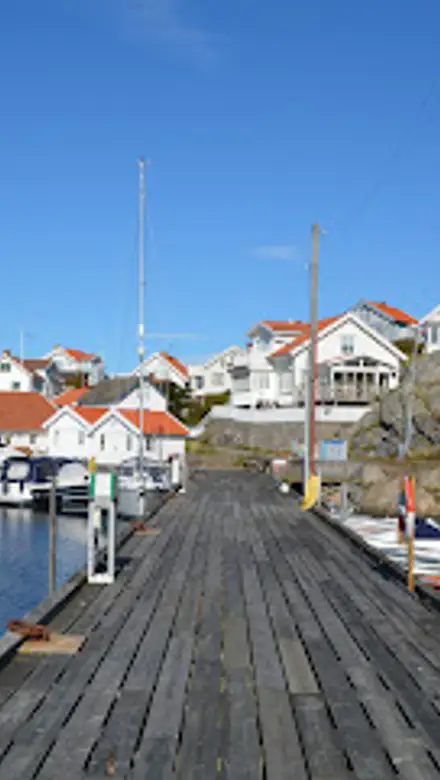
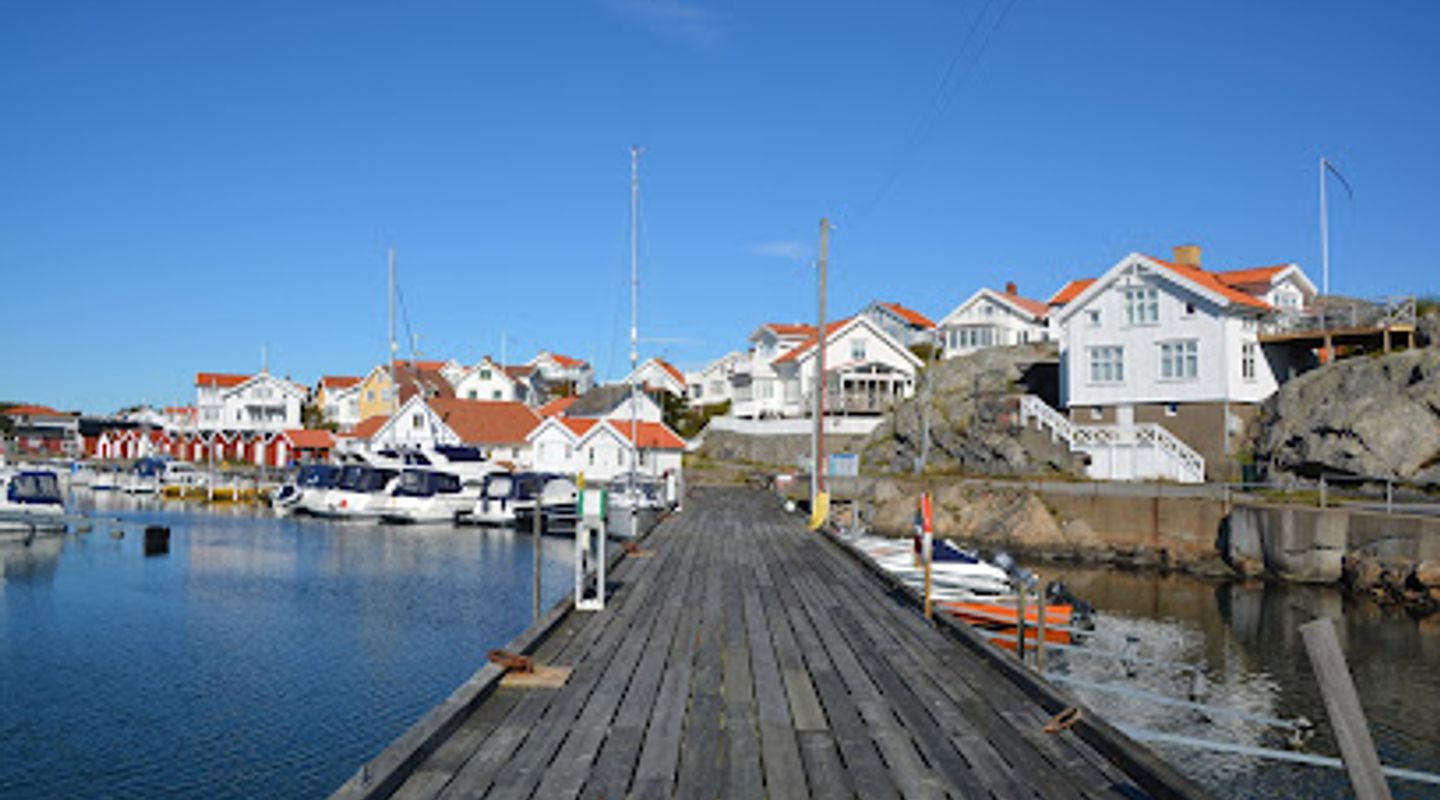
Fotö occupies a modest footprint of rocky shoreline, narrow lanes and clusters of painted wooden houses that step down toward small harbours and bathing platforms. The island’s character is defined by rugged granite outcrops, wind-scalloped heather and a patchwork of lawns, boathouses and piers; these elements give the place a pared-back, maritime feel where the sea is the constant presence. Salt-scented breezes carry gull calls and the soft mechanical notes of moored boats, while lanes open unexpectedly onto rock slabs that double as informal sunbathing terraces.
History written in fisheries and summer cottages
Fotö’s built fabric records a long relationship with fishing, boatbuilding and small-scale coastal trade: low houses, practical sheds and well-worn jetties all point to livelihoods shaped by tides and seasons. Over time, summer cottages and modest modern homes have settled among older plots, producing a mix of traditional coastal architecture and contemporary holiday adaptations. Stone markers and sheltered coves hint at earlier patterns of landing and shelter that historically mattered more than roads or fields on this exposed coastline.
Everyday life and island rhythms
Life on Fotö follows the sea’s rhythm: mornings bring fishermen checking lobster pots and lines, afternoons in summer are for swimming from diving boards and clambering on rocks, and evenings drift toward long, low light across the water. The island’s services are small-scale and local — a café or two in season, a handful of moorings, and simple community facilities — so the atmosphere remains intimate and unhurried rather than commercial. Expect neighbouring islands’ activity to be visible across the channel; boat traffic and the distant silhouette of other archipelago communities are constant visual companions.
Sensory highlights and outdoor draws
Fotö is best experienced outdoors: shoreline walks reveal small coves, algae-smoothed rock ledges and pockets of wildflowers in late spring and summer. Clear days deliver bright reflections on the water and sharp horizons; windier conditions animate the waves and send spray across exposed rocks. Several informal bathing spots and piers provide easy access to the sea for swimmers; in quieter months the same places feel atmospheric and introspective, with birds, winter light and a more austere palette.
Practical character, not tourist trappings
The island’s infrastructure is modest and locally focused rather than aimed at mass tourism: lanes are narrow, amenities are limited outside peak season and services reflect the needs of a small permanent community supplemented by seasonal visitors. Bridges link Fotö to neighbouring parts of the archipelago, creating easy inter-island connections but the overall feeling remains one of a lived-in coastal place rather than a curated attraction. That makes Fotö suitable for travellers seeking authenticity, simple coastal pleasures and an easy tempo.
Why the place matters to the archipelago
Fotö contributes to the archipelago’s mosaic of small island communities where maritime heritage, sheltered harbours and outdoor life are central to local identity. As part of the northern Gothenburg islands, it is one of many compact islands that together preserve the everyday patterns of Swedish coastal life: rowing dinghies, summer saunas, island gardens and a strong relationship to the sea. Fotö’s appeal lies in that unvarnished continuity — a place where landscape and community remain intertwined and where the sea remains the defining element of daily experience.
Evendo Review Centre
 Google
Guest reviews
Best time to go
Quietest: Jan, Feb & Dec · before 6am or at 10pm
Busy times are Evendo estimates for a typical year, to help you plan. Actual crowds vary with events, school holidays and the weather.
Explore Fotö on the map
A handpicked selection of must-see spots near Fotö, mapped for you.
Get your free copy of our complete guide to Fotö, delivered straight to you.
Everything on this page, from opening hours and how to get there to Eve’s tips and the best time to go, in one PDF you can read offline, print or share.
Already have an account? Sign in
Your Fotö guide is ready.
We'll send it to · Not you? Sign out

Getting your guide ready…
We are putting together a fresh copy of the Fotö guide. This can take up to a minute.
This can take a few moments. If your browser asks, choose Allow so the download can start. You'll find the guide in your Downloads folder.
Nothing happened? Download it again
Sorry, the guide is taking longer than usual. Please try again in a minute, or get it by email instead.
Other nearby places you may find interesting
The closest places of the same kind, if this one is not quite what you had in mind.
-
-
-
-
-


Swipe for more places
More to explore near Fotö

 Best experiences near Fotö
 Best hotels near Fotö
 Best landmarks near Fotö
 Best attractions near Fotö
 Best shops near Fotö
 Best restaurants near Fotö
 Best bars near Fotö
Do you manage this location?
Take control to get all the benefits, like improved information, better appearance, and stronger visibility across AI-powered discovery.
Explore more
Explore more of Gothenburg Archipelago
Discover Sweden's coastal gem: The Gothenburg Archipelago, where pristine nature, charming villages, and rich history converge in a stunning maritime setting.
Explore Gothenburg Archipelago
Explore more of Sweden
Discover Sweden's breathtaking landscapes, vibrant cities, and rich cultural heritage. From the Northern Lights to historic castles, experience the essence of Scandinavia.
Explore Sweden