
Lusthuset, Gothenburg Archipelago Travel Guide
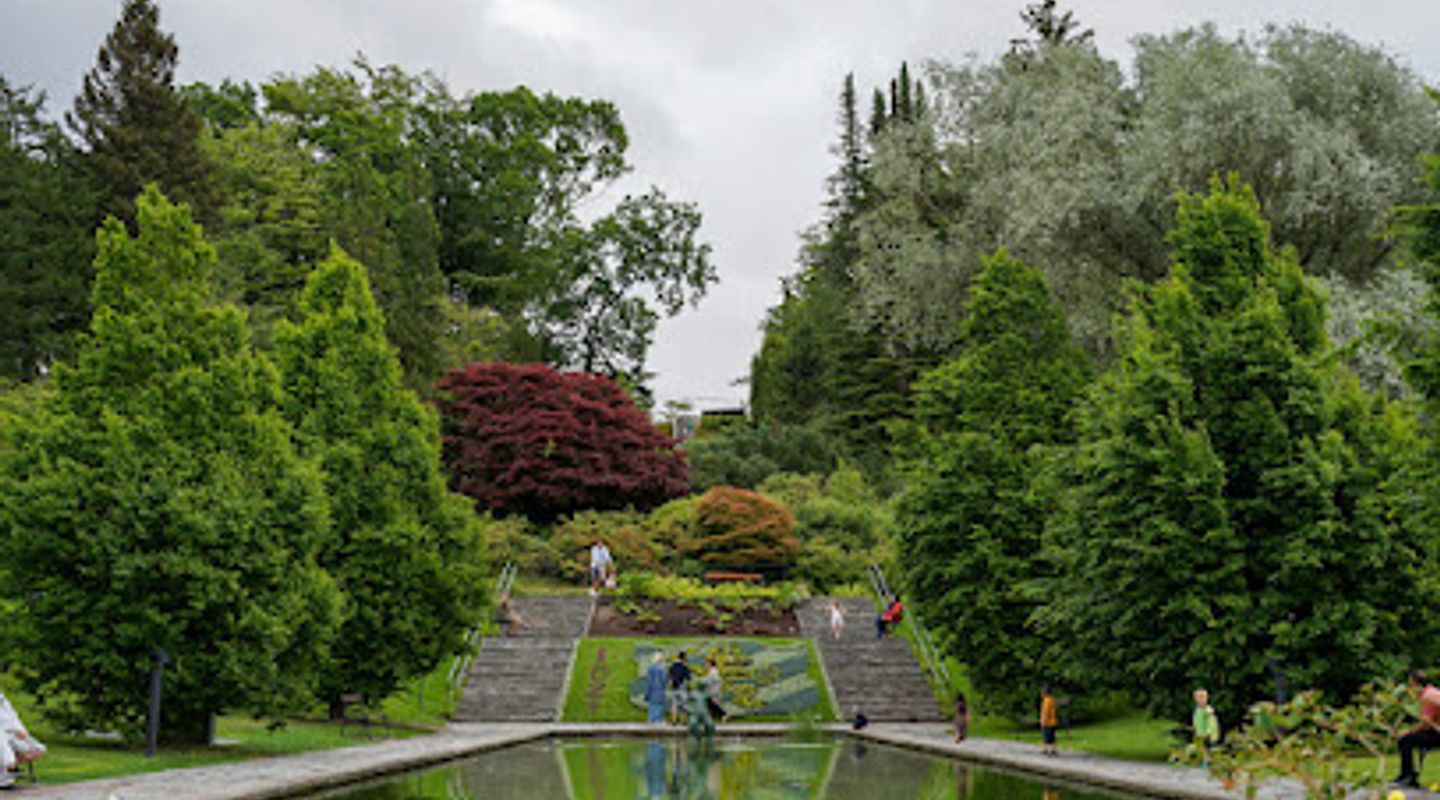
A petite garden pavilion that frames seasonal plantings and offers a calm, intimate pause within Gothenburg Botanical Garden.
Lusthuset is a small, elegant garden pavilion tucked into the winding paths of Gothenburg Botanical Garden, offering a calm architectural punctuation amid beds, lawns and mature trees. Dating from the garden’s development as a cultured urban retreat, the pavilion functions as a picturesque focal point for photography, quiet reflection and seasonal plant displays against the wider living collections of the garden.
A brief summary to Lusthuset
- Fanny Gréns Väg, Gothenburg, 413 19, SE
- Click to display
- Click to display
- Duration: 0.25 to 0.75 hours
- Free
-
 Outdoor
- Mobile reception: 4 out of 5

Know before you go
Hi, I'm Eve. Here are a few practical things to know before exploring Lusthuset.
- Visit at different times of year—the pavilion’s character shifts dramatically between spring bulb displays, summer flowering and winter silhouettes.
- Bring a small lens or phone for close-up photography: the pavilion frames details and plant textures exceptionally well.
- Use the pavilion as a short shelter during light showers; seating nearby makes it a convenient rest point on longer garden walks.
Do you manage this location?
Take control to get all the benefits, like improved information, better appearance, and stronger visibility across AI-powered discovery. Learn more about listing your business on Evendo
Activate your presenceOther nearby places you may find interesting
The closest places of the same kind, if this one is not quite what you had in mind.


Explore Lusthuset on the Map
A handpicked selection of must-see spots near Lusthuset, mapped for you.
Getting There
-
Public bus or tram
Public tram or bus from central Gothenburg to a nearby stop serving Gothenburg Botanical Garden; typical journey time from Gothenburg Central Station 20–35 minutes depending on service; services run frequently but check timetables for evening schedules; ticketed travel via the regional transit operator with fares approximately 35–55 SEK per adult for a single journey.
-
Bicycle
Cycle from central districts—typical ride 15–30 minutes depending on start point; well-surfaced cycling routes approach the garden though some internal paths are gravel; limited bike parking near main entrances; free but seasonal conditions (ice, heavy snow) can affect accessibility.
-
Taxi or rideshare
Taxi or rideshare from central Gothenburg typically 10–20 minutes depending on traffic; convenient for visitors with reduced mobility but note that drop-off points are at garden entrances and short walks on paths may follow; expect a fare range roughly 120–250 SEK depending on time of day and vehicle type.
For the on-the-go comforts that matter to you
-
 Seating Areas
-
 Information Boards
-
 Trash Bins
Discover more about Lusthuset
A compact architectural accent in a living museum
Lusthuset sits as a compact garden pavilion within Gothenburg Botanical Garden, its modest footprint deliberately scaled to complement rather than dominate the plantings around it. The structure is arranged to create framed views: doorways, windows and the pavilion’s proportions are all oriented to capture planting beds, specimen trees and distant sightlines through the garden. The pavilion reads as an architectural punctuation mark — small, composed and quietly decorative — that signals an intentional pause in the landscape where visitors naturally slow down and look more closely.Historical echoes and local character
Though not a grand historic palace, Lusthuset draws on the garden’s long tradition as a cultivated urban retreat where architecture and plants were paired to enhance each other. The pavilion’s design reflects the restrained, late-19th to early-20th-century garden aesthetic common to northern European public gardens: an emphasis on proportion, simple ornament and the ability to stage plant displays throughout the seasons. It sits within a garden created for study, conservation and public enjoyment, and its presence recalls the era when such follies and pavilions provided places to meet, rest or shelter from a passing shower.Setting and seasonal experience
Surrounded by mixed beds, clipped lawns and mature trees, Lusthuset changes character with the year. In spring the air around it is threaded with bulb scent and fresh leaf-green; in high summer its small terraces and approaches are softened by flowering perennials and tall grasses; in autumn the pavilion is framed by warm foliage tones; in winter its silhouette is spare and graphic against bare branches and pale skies. The immediate planting palette is chosen to extend interest across seasons so the pavilion remains a point of engagement through the year.How visitors experience the pavilion
Approaching Lusthuset, visitors often find themselves drawn to its small portals and the deliberate angles of view it creates. It functions as a meeting point, a spot to rest and watch the garden unfold, and a photographic subject in its own right. The pavilion’s scale invites quiet use: a bench, an exchange of conversation, a moment of reading, or simply a place to watch bees and butterflies moving between nearby blooms. Its modest size keeps the experience intimate and unhurried.Design details and materiality
Lusthuset’s detailing is restrained—carefully proportioned windows, modest trim and a roofline that complements the garden rather than competing with it. Materials are chosen to tolerate the northern climate and to age gracefully beside living collections: painted woodwork, stone or paved thresholds and durable finishes that require only periodic maintenance. These choices help the pavilion sit comfortably in an outdoor setting where weather and seasonal change are prominent collaborators in the visitor experience.Role within the botanical collection and landscape narrative
Placed among thematic beds and adjacent to paths that thread the wider garden, Lusthuset acts as a moment of landscape punctuation that reinforces how the Gothenburg Botanical Garden combines scientific collections with cultivated landscape design. It is small but purposeful: a human-scale architectural element that frames plantings, complements educational displays nearby and offers a sheltered viewpoint from which to appreciate the garden’s variety of species and the layered design that brings them together.












Your all‑in‑one travel companion app
Explore expert travel guides, compare and book tours, experiences, hotels, and more—all from the palm of your hand. Download now for seamless trip planning wherever your wanderlust takes you.


Explore More of Gothenburg Archipelago
Looking beyond Lusthuset? Discover Gothenburg Archipelago for broader travel guides, local hot-spots, and regional highlights.
Explore Gothenburg Archipelago
A daylight-filled mid-size conference hall at Chalmers University campus, tailored for academic lectures, seminars and hybrid professional events.

A walkable 1:2,000,000,000 scale of the solar system — Saturn’s station in Gothenburg’s parkland brings planetary distances down to human steps.
