

Maritiman, Gothenburg Archipelago Travel Guide
A hands-on, floating museum on Gothenburg’s waterfront where historic ships and a submarine invite you aboard for immersive maritime stories and family-friendly discovery.
Maritiman is a unique floating maritime museum moored at Packhusplatsen in central Gothenburg, where a collection of historic ships and submarines—ranging from a Cold War-era submarine to a WWII-era destroyer—are open to explore aboard. The site blends hands-on exhibits, family-friendly activities and a shipboard café, offering immersive seafaring atmosphere right on the city’s waterfront.
A brief summary to Maritiman
- Packhusplatsen 12, Gothenburg, 411 13, SE
- Click to display
- Click to display
- Duration: 1 to 3 hours
- Mid ranged
-
 Outdoor
- Mobile reception: 4 out of 5

Know before you go
Hi, I'm Eve. Here are a few practical things to know before exploring Maritiman.
- Allow 1.5–2.5 hours to explore multiple ships at a relaxed pace; bring shoes with good grip for steep ladders and metal decks.
- Check seasonal opening dates before you visit—some ships and spaces open only in high season and indoor access can be limited in shoulder months.
- Take a break at the on-board café to soak up the atmosphere; seating areas are limited on busy days so plan for short waits.
- Families with small children should watch for narrow stairways and low headroom in engine rooms and submarines; supervise children closely.
Do you manage this location?
Take control to get all the benefits, like improved information, better appearance, and stronger visibility across AI-powered discovery. Learn more about listing your business on Evendo
Activate your presenceOther nearby places you may find interesting
The closest places of the same kind, if this one is not quite what you had in mind.





Explore Maritiman on the Map
A handpicked selection of must-see spots near Maritiman, mapped for you.
Unlock the Best of Maritiman
Buy tickets
-
No tickets available
Book tours with entry
-
No tours available


Getting There
-
Tram or light rail
Take the city tram to the Stenpiren or Lilla Bommen stops; journey times from central Gothenburg are typically 5–10 minutes with frequent services. Expect short uphill sections on foot from the stops and limited curbside space during peak hours; single-ride fares in local currency apply and tram tickets must be purchased before boarding from machines or mobile apps (typical fare range 30–45 SEK).
-
Regional bus
Several regional bus lines stop near central harbour piers with travel times from other Gothenburg districts ranging 10–25 minutes depending on origin; services run regularly but may be less frequent late evenings and weekends. Buses have standard low-floor access but stop spacing and footpath surfaces near piers can be uneven; use a validated ticket (typical fare range 35–60 SEK).
-
Ferry / water bus
Water taxi and short commuter ferry services call at nearby harbour landings; crossings from adjacent piers normally take 3–8 minutes with departures every 10–30 minutes depending on route and season. Ferries provide a scenic approach with limited luggage capacity and subject to seasonal timetables; purchase tickets at the quay kiosks or via operator apps (typical fare 30–60 SEK).
-
Walking from city centre
A flat, paved walk from central Gothenburg takes about 10–20 minutes depending on starting point and pace; the route follows the waterfront and is accessible for most users but includes sections with crowding during summer events. If you have mobility needs note that some gangways onto ships are steep and narrow even though quay paths are level.
For the on-the-go comforts that matter to you
-
 Restrooms
-
 Drink Options
-
 Food Options
-
 Seating Areas
-
 Information Boards
Discover more about Maritiman
Ships, submarines and a moored museum character
Maritiman is a compact fleet of historic vessels permanently berthed along Packhusplatsen in central Gothenburg, presented as a single, walkable attraction. The collection includes military ships and support vessels as well as a visitor-accessible submarine; passageways, ladders and engine rooms are exposed so visitors can experience the scale and textures of life at sea. The moored ships create an immediate industrial-maritime character: weathered steel, brass fittings, low decks and the constant lapping of river water.Stories beneath paint and rivets
Each vessel carries a distinct narrative—technical innovation, naval service, rescues and everyday routines—communicated through onboard displays, original fittings and interpretive panels. The submarine’s dim corridors and periscope provide a visceral counterpoint to the open decks and wheelhouses of larger ships. Machinery spaces show engines and propulsion systems at close quarters, and gun platforms and bridges reveal how design and function met under the strain of weather and conflict.Hands-on learning and family encounters
Maritiman blends museum interpretation with playful, interactive elements aimed at families. Child-focused content populates several ships and a small hands-on lab area where simple experiments and demonstrations introduce buoyancy, navigation and basic marine science. Costumed guides and on-board interpreters sometimes stage short demonstrations that bring technical topics to life for younger visitors while tactile exhibits help bridge the gap between text panels and real objects.Culinary and practical amenities aboard
Part of the visitor experience is the shipboard café located on one of the vessels, where café fare and beverages are served in a maritime setting—notice the salvaged wood, metal rivets and porthole seating. Visitor facilities are compact but practical: seating nooks, information boards and waste bins are arranged along the berth. The linear layout along the quay makes it easy to circulate between vessels while still pausing to linger on a deck or in a cramped boiler room that smells faintly of oil and salt.Atmosphere, light and sensory detail
The museum’s waterside location means the feel of the place changes with the weather and the time of day: morning fog softens outlines and muffles footsteps; bright summer sun brings out the pale patina on steel and the sparkle on the river; evening light throws long shadows across decks and rigging. Sound is constant and layered—water against hulls, occasional boat traffic on the river, creaks from timbers and the distant murmur of the city—contributing to an immersive maritime ambience.Why the site matters locally
Maritiman functions as living heritage: the ships themselves are primary objects, preserved in situ so visitors interact with whole vessels rather than disconnected artefacts. That approach preserves operational spaces, circulation patterns and sensory context—fundamental to understanding maritime labor, coastal defence history and shipboard life. The floating museum also acts as a public anchor along Gothenburg’s harbourfront, offering an accessible, tactile encounter with the city’s seafaring past.












Your all‑in‑one travel companion app
Explore expert travel guides, compare and book tours, experiences, hotels, and more—all from the palm of your hand. Download now for seamless trip planning wherever your wanderlust takes you.


Explore More of Gothenburg Archipelago
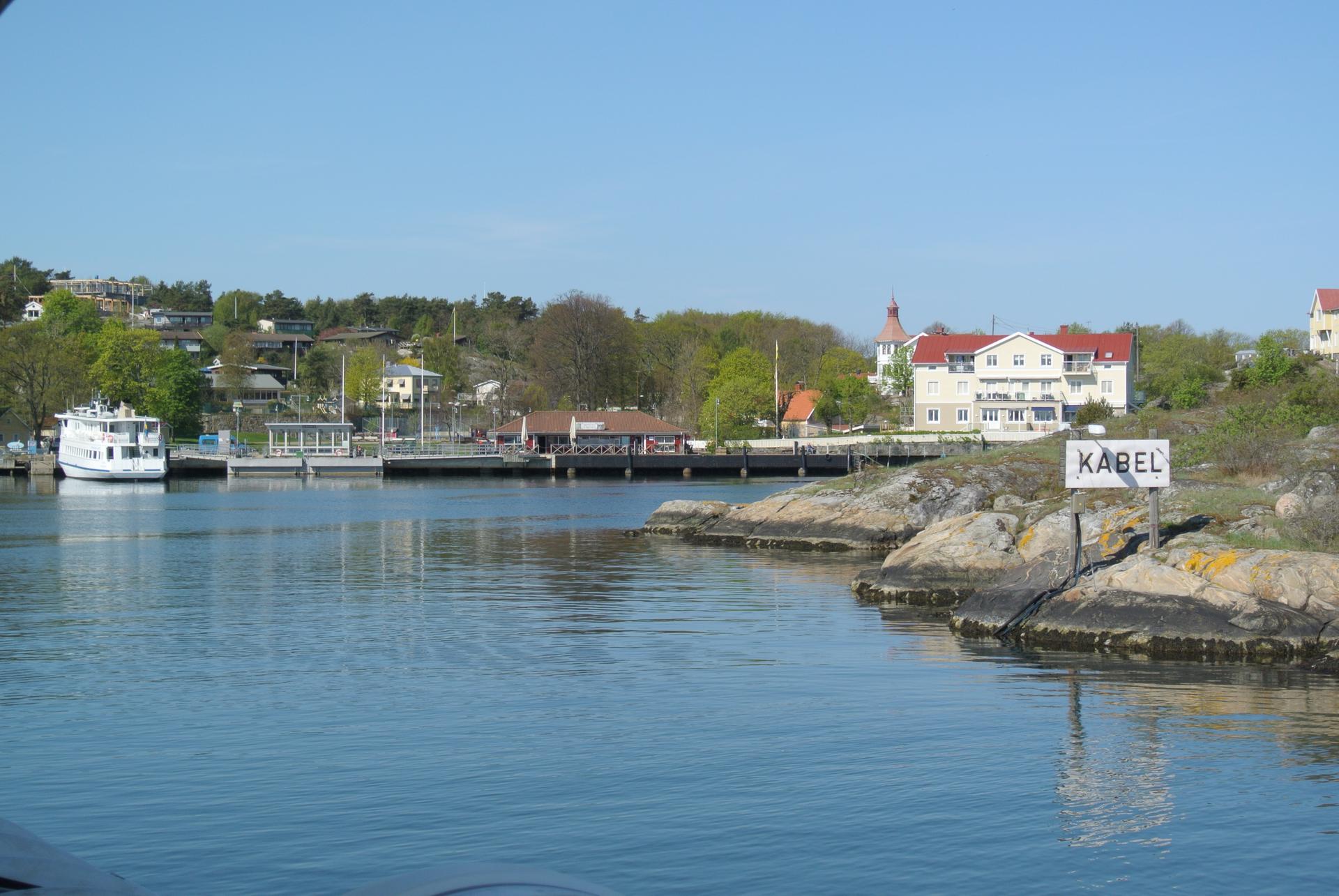
Looking beyond Maritiman? Discover Gothenburg Archipelago for broader travel guides, local hot-spots, and regional highlights.
Explore Gothenburg Archipelago