Bergslagsurnan, Gothenburg Travel Guide
Free Guide: A monumental cast-iron urn by Eric Grate that anchors a small Majorna park with sculpted reliefs evoking Sweden’s ironworking past.


A brief summary of Bergslagsurnan
A monumental cast-iron urn by Eric Grate that anchors a small Majorna park with sculpted reliefs evoking Sweden’s ironworking past.
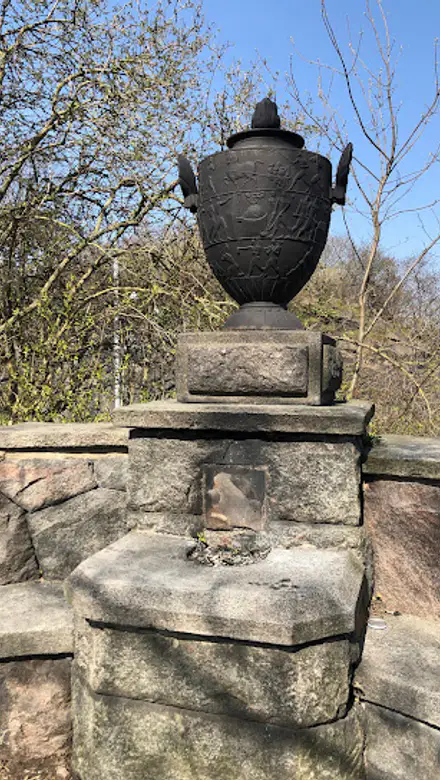
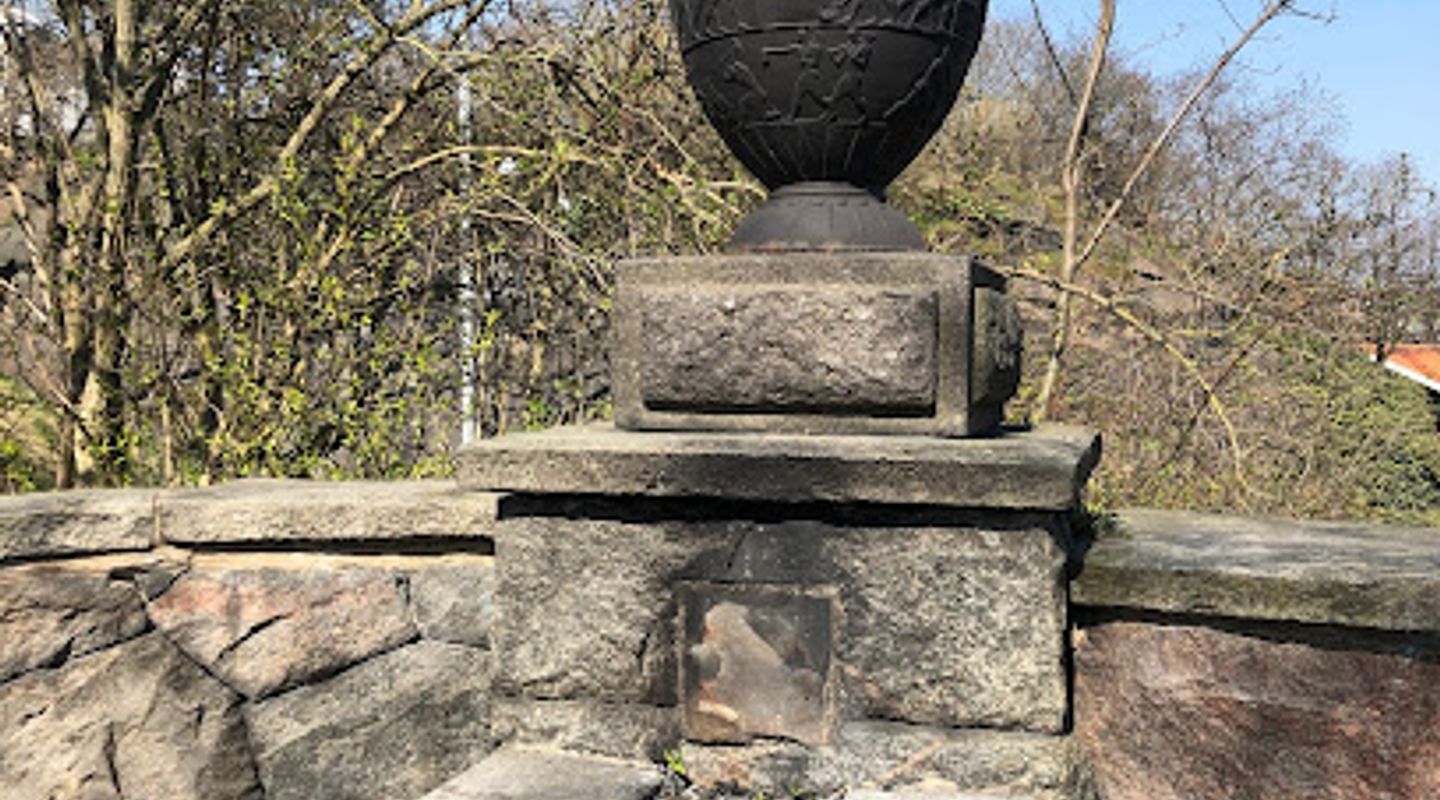
Bergslagsurnan is a cast-iron commemorative urn by Swedish sculptor Eric Grate (göts 1921–22) installed in John E Olsons plats in Majorna, Gothenburg. The urn is richly modelled with reliefs that depict aspects of Swedish ironworking and mining traditions; its dark, patinated surface and monumental silhouette anchor a small urban park on Ankeberget, creating a concentrated piece of industrial-historical public art amid mature trees and granite steps.
On-site amenities
 Seating areas
 Information boards
 Trash bins
Opening hours
- Every dayOpen 24 hours
Opening hours as listed on the venue’s Google Business Profile. Hours can change for services and special events, so check with the venue before you go.
- Address
- John E Olson plats, Allmänna vägen, 414 56 Göteborg
- Website
Getting there
Tram and walk
Bus and short climb
Taxi or ride-hail
Discover more about Bergslagsurnan
Origins and maker
Bergslagsurnan was designed by Eric Grate and cast in wrought iron at Näfveqvarns Bruk during 1921–1922; several casts of the urn exist and the form represents Grate’s interest in mythicised craft and the material presence of industry. The composition combines a sturdy, classical urn silhouette with fielded relief panels: scenes of furnaces, workers and tools are rendered with a sculptor’s economy of line that references both local ironmaking traditions and early 20th-century interest in civic memorials.
How it sits in the place
The urn occupies a formal position within John E Olsons plats (historically Bataljonsparken) on the flank of Ankeberget in the Majorna district. Framed by granite retaining walls and steps that articulate the slope, the urn reads as an intentional focal point: seen from the lower approaches it punctuates the park’s axial lines, while from close up the cast surface and relief work reward careful inspection. Surrounding plane trees and park planting soften the metal’s severity and change the urn’s mood across the seasons.
Materiality and visual details
Cast iron gives the urn its weighty, almost architectural presence; over time the dark patina gathers lichen and urban soot, deepening the low-relief shadows. Panels around the body show stylised figures, furnaces and implements: the imagery is not literal storytelling but rather an evocation of ‘Bergslagen’—the central Swedish mining and ironmaking region—through condensed forms. The urn’s lip, base and any remaining original surface finish hint at early 20th-century metalworking techniques and the foundry practices of Näfveqvarn.
Historical context and civic role
Installed in a park redeveloped in the 1920s with funding from local donors and shaped by municipal landscape architects, the urn belongs to a broader municipal effort to introduce considered public art into neighbourhood settings. It functions both as a memorial to regional industry and as an emblem of the philanthropic patronage that shaped many local green spaces in Gothenburg during that era. Conservation interventions have been recorded in later decades, a sign of the urn’s recognized cultural value within the cityscape.
How to experience the work
Approach Bergslagsurnan as an object for both close looking and measured distance viewing: step around its circumference to read the sequence of reliefs and pause to feel the scale and texture; then step back, allowing the urn to resolve as a landmark against the park’s granite architecture. Weather—light rain, low winter sun or high summer foliage—alters the way shadows settle in the reliefs, so repeated visits at different times yield subtly different impressions.
Significance in the neighbourhood
Set within Majorna’s layered streets and short blocks, the urn is an example of how civic sculpture can anchor a smaller urban green. It offers an accessible encounter with the history of Swedish metalworking and the era’s civic aesthetics while remaining quietly integrated into everyday life: a patinated object that both commemorates and complements the park’s stonework and mature trees.
Evendo Review Centre
 Google
Guest reviews
Best time to go
Quietest: Jan, Feb & Dec · before 7am or from 9pm
Busy times are Evendo estimates for a typical year, to help you plan. Actual crowds vary with events, school holidays and the weather.
Explore Bergslagsurnan on the map
A handpicked selection of must-see spots near Bergslagsurnan, mapped for you.
Get your free copy of our complete guide to Bergslagsurnan, delivered straight to you.
Everything on this page, from opening hours and how to get there to Eve’s tips and the best time to go, in one PDF you can read offline, print or share.
Already have an account? Sign in
Your Bergslagsurnan guide is ready.
We'll send it to · Not you? Sign out

Getting your guide ready…
We are putting together a fresh copy of the Bergslagsurnan guide. This can take up to a minute.
This can take a few moments. If your browser asks, choose Allow so the download can start. You'll find the guide in your Downloads folder.
Nothing happened? Download it again
Sorry, the guide is taking longer than usual. Please try again in a minute, or get it by email instead.
Other nearby places you may find interesting
The closest places of the same kind, if this one is not quite what you had in mind.
-
-
-
-

-


Swipe for more places
More to explore near Bergslagsurnan

 Best experiences near Bergslagsurnan
 Best hotels near Bergslagsurnan
 Best landmarks near Bergslagsurnan
 Best attractions near Bergslagsurnan
 Best shops near Bergslagsurnan
 Best restaurants near Bergslagsurnan
 Best bars near Bergslagsurnan
Do you manage this location?
Take control to get all the benefits, like improved information, better appearance, and stronger visibility across AI-powered discovery.
Explore more

Explore more of Gothenburg
Discover Gothenburg: Sweden's coastal gem where cultural richness meets natural beauty. Enjoy stunning archipelagos, historic districts, and a vibrant culinary scene.
Explore Gothenburg
Explore more of Sweden
Discover Sweden's breathtaking landscapes, vibrant cities, and rich cultural heritage. From the Northern Lights to historic castles, experience the essence of Scandinavia.
Explore Sweden