
Feskekörka, Gothenburg Travel Guide
A 19th‑century 'fish church' where Gothenburg’s seafood tradition, neo‑Gothic architecture and canalfront life converge.
Feskekörka, literally “the fish church”, is Gothenburg’s 19th-century indoor fish hall famed for its church‑like neo‑Gothic silhouette, yellow‑brick façades and vaulted roof. Open since 1874, the building combines market stalls, seafood counters and dining — a living culinary institution where seafaring trade, architectural idiosyncrasy and local ritual meet beside the canal at Fisktorget.
A brief summary to Feskekörka
- Fisktorget 4, Gothenburg, 411 20, SE
- Click to display
- Click to display
- Duration: 0.5 to 2 hours
- Mid ranged
-
 Indoor
- Mobile reception: 4 out of 5
- Monday 10 am-11 pm
- Tuesday 10 am-11 pm
- Wednesday 10 am-11 pm
- Thursday 10 am-11 pm
- Friday 10 am-1 am
- Saturday 10 am-1 am
- Sunday 10 am-11 pm

Know before you go
Hi, I'm Eve. Here are a few practical things to know before exploring Feskekörka.
- Visit in the morning for the freshest displays and to see active trade; weekday mornings are typically when deliveries and market activity peak.
- Bring a reusable bag and insulated cooler if you plan to buy fresh fish to carry home; sellers often advise on how to store and prepare purchases.
- Try the on‑site restaurants or sample small plates at the counters to experience local preparations of shrimp, herring and seasonal shellfish.
Do you manage this location?
Take control to get all the benefits, like improved information, better appearance, and stronger visibility across AI-powered discovery. Learn more about listing your business on Evendo
Activate your presenceOther nearby places you may find interesting
The closest places of the same kind, if this one is not quite what you had in mind.


Explore Feskekörka on the Map
A handpicked selection of must-see spots near Feskekörka, mapped for you.
Unlock the Best of Feskekörka
Buy tickets
-
No tickets available
Book tours with entry


Getting There
-
Tram & Bus
Take the regional tram or bus to central Gothenburg (typical ride 10–25 minutes from inner suburbs) and walk across the canal to the Fisktorget area; services run frequently during day hours but may reduce in late evenings and on public holidays. Single‑fare city public transport typically costs in the range of 30–45 SEK depending on ticket type and operator.
-
Taxi or Rideshare
Taxi or rideshare from central points usually takes 5–15 minutes depending on traffic; fares within the inner city commonly range from about 80–200 SEK. Note that riverfront streets near the hall can be narrow and drop‑off space is limited at peak times.
-
Walking from Central Districts
An easy urban walk from central Gothenburg neighborhoods typically takes 10–25 minutes depending on starting point; terrain is flat but there are quayside pavements and some cobbles which may affect wheelchair or stroller access.
For the on-the-go comforts that matter to you
-
 Restrooms
-
 Drink Options
-
 Food Options
-
 Seating Areas
-
 Information Boards
Discover more about Feskekörka
How the building became a 'fish church'
Feskekörka was designed by city architect Victor von Gegerfelt and completed in 1874 as a purpose-built indoor fish market to replace open‑air sales at nearby quays. The hall’s tall, pointed rooflines, abundant narrow windows in neo‑Gothic arch forms and steep sheet‑metal roofs give it an ecclesiastical profile that led locals to nickname it the fish church; the form fuses influences of Scandinavian stave‑church timber traditions with city‑period Gothic motifs, expressed in yellow brick and a long, narrow hall that reads like a single nave.The market, trade and continuing seafood culture
From its opening the building concentrated fishmongers, cool storage and sales counters into one sheltered space so that fish and shellfish could be handled with greater hygiene and protection from weather than earlier outdoor flotillas allowed. Over the decades the hall has hosted stallholders, wholesale trade and retail counters alongside emerging foodservice: today the mix includes seafood counters selling local and seasonal catch plus restaurants that plate up regionally rooted dishes. The site stands as a tangible thread in Gothenburg’s maritime supply chain, connecting fishers, fillets and diners in a compact, canal‑edge setting.Architecture, conservation and structural care
Although compact in footprint, the interior is notable for its exposed roof geometry and the way natural light filters through rows of tall windows into the central aisle. The building was later listed as a protected monument; careful conservation work has focused on preserving the façade, the open hall character and the special timber and roof structure. Recent restoration efforts included foundation and structural reinforcement, timber repairs using traditional materials, and upgrades to utilities to allow continued market and restaurant activity while respecting the historic fabric.Character and visitor experience inside the hall
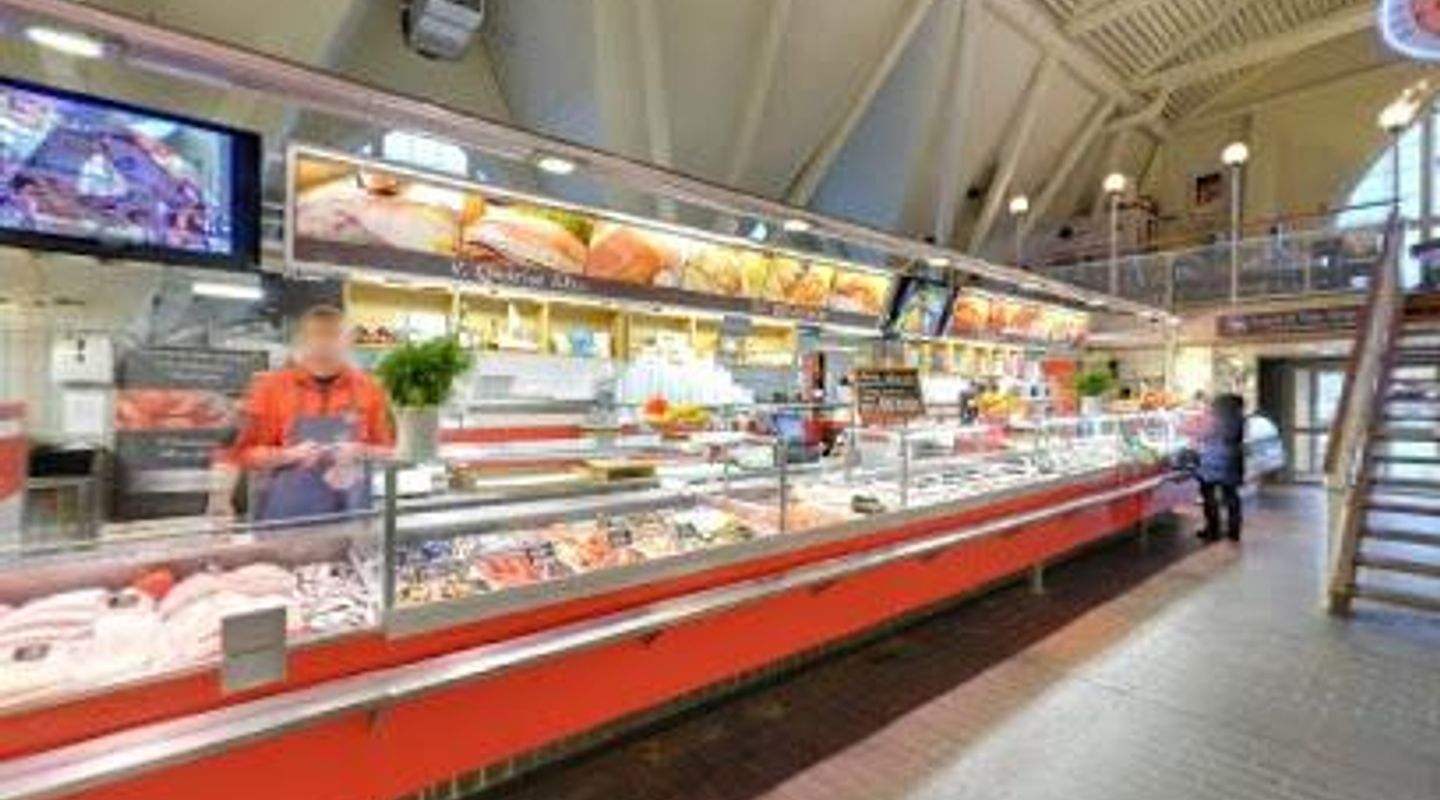
Step into a space that feels part market, part maritime theatre: wooden counters, chilled display tables and the aromas of the sea mix with the clatter of knives and voices negotiating the day’s catch. The hall’s proportions encourage a single central circulation path with sellers arranged along the sides, creating an ordered procession where visitors can observe species, learn about seasonal availability and sample cooked seafood in adjacent eateries. The atmosphere blends practical commerce with convivial dining and local storytelling about fisheries and recipes.Stories, rituals and social life around the canal
Feskekörka has long acted as a civic stage: it replaced messy open‑air fish stalls and, in doing so, shaped everyday routines — morning deliveries, weekday trade rhythms and weekend browsing. The building’s canal‑front location has historically linked it to small ferry crossings and quay activity, and it continues to anchor culinary events, celebrations of seasonal species and occasionally ceremonial uses that speak to its cultural standing in the city.Practical significance and contemporary role
Today Feskekörka functions both as an operational seafood market and as a destination for dining and learning about local marine produce. Its protected status ensures the hall’s distinctive exterior and internal openness remain intact even as operators adapt the space for modern refrigeration, service and public programmes. For anyone interested in Gothenburg’s maritime heritage, coastal cuisine or architecture, the hall offers layers of history and a concentrated, sensory encounter with the city’s relationship to the sea.












Your all‑in‑one travel companion app
Explore expert travel guides, compare and book tours, experiences, hotels, and more—all from the palm of your hand. Download now for seamless trip planning wherever your wanderlust takes you.


Explore More of Gothenburg
Looking beyond Feskekörka? Discover Gothenburg for broader travel guides, local hot-spots, and regional highlights.
Explore Gothenburg
Step aboard Gothenburg’s floating museum at Packhuskajen—historic ships, hands-on exhibits and a harbour-side café combine for a tactile nautical adventure.
Unlock mysteries in Gothenburg's top escape rooms: heists, jungles, wizards, and bunkers await daring teams in Haga's heart.
