Lusthuset, Gothenburg Travel Guide
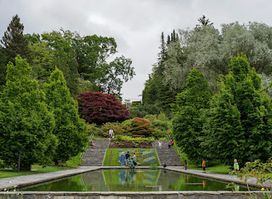
A small, intimate pavilion in Göteborgs Botanical Garden — a sheltered pause framed by plants and changing seasons.
Lusthuset is a charming garden pavilion tucked within Göteborgs Botaniska Trädgård beside winding beds and old trees, a small architectural focal point where horticulture meets leisure. Traditionally used as a viewing and resting pavilion, it offers an intimate indoor-outdoor pause amid the greater botanical collection and is often photographed for its classic proportions and setting within the garden landscape.
A brief summary to Lusthuset
- Fanny Gréns Väg, Gothenburg, 413 19, SE
- Click to display
- Click to display
- Duration: 0.25 to 1 hours
- Free
-
 Outdoor
- Mobile reception: 4 out of 5

Know before you go
Hi, I'm Eve. Here are a few practical things to know before exploring Lusthuset.
- Visit the pavilion and linger: its windows frame different plant groupings each season—ideal for sketches or close-up photos.
- Bring a light jacket in spring and autumn; the pavilion offers shade in summer and a sheltered viewpoint in colder months.
- Combine a stop at Lusthuset with a walk through nearby beds and specimen trees to experience how the pavilion structures garden sightlines.
Do you manage this location?
Take control to get all the benefits, like improved information, better appearance, and stronger visibility across AI-powered discovery. Learn more about listing your business on Evendo
Activate your presenceOther nearby places you may find interesting
The closest places of the same kind, if this one is not quite what you had in mind.




Explore Lusthuset on the Map
A handpicked selection of must-see spots near Lusthuset, mapped for you.
Getting There
-
Public bus from Gothenburg central
Regional bus service from central Gothenburg to the Botaniska trädgården, journey time approximately 20–35 minutes depending on traffic; services operate frequently but may be less frequent on weekends and public holidays. Single fares use regional public-transport tariffs and typically cost 35–55 SEK per adult; check local ticketing options and validators before boarding.
-
Tram plus short walk
City tram to a stop serving the university/Änggårdsbergen area, travel time 15–25 minutes from the city centre, then a 10–20 minute walk across gentle paths; tram services run regularly during the day but evening frequency is reduced. Tram tickets are sold via the regional transport app and cost roughly 30–50 SEK single fare depending on fare zone.
-
Taxi or rideshare
Taxi or app-based ride from central Gothenburg takes about 10–20 minutes depending on traffic; convenient for groups or those carrying equipment. Expect a fare in the range of 120–250 SEK depending on time of day and demand; note that parking spaces near the garden are limited and some internal pathways are pedestrianised.
For the on-the-go comforts that matter to you
-
 Seating Areas
-
 Information Boards
Discover more about Lusthuset
An intimate garden building with a long garden tradition
Lusthuset sits as a small ornamental pavilion typical of 18th–19th century garden design, scaled to human conversation and leisurely pauses. Its compact footprint and traditionally domestic proportions mark it as a place designed for sitting, shelter and framed views rather than grand ceremonies. Within the context of Göteborgs Botaniska Trädgård it reads as a punctuation mark among beds, paths and specimen trees: a place that draws the eye and invites visitors to step in and briefly change pace.Character and architectural details you’ll notice
The pavilion’s simple silhouette, measured fenestration and modest decorative touches are intended to harmonise with the garden rather than dominate it. Expect a sheltered interior with benches or simple seating, windows offering small framed vistas and exterior finishes that patinate over seasons—painted wood or plaster, slender columns or pilasters, and a roof that echoes the garden’s human scale. The effect is domestic and approachable, encouraging quiet observation of nearby plantings.Its role in the garden’s landscape and plantings
Lusthuset functions as a moment of focus within the sweeping plant collections: an architectural counterpoint to informal beds, rockeries and specimen shrubs. Surrounding plantings tend to be layered so that views from its windows change with the seasons—bulbs and spring flowers close to the ground in early months, luxuriant perennials in summer and sculptural bare branches and seedheads in winter. From the pavilion you’ll perceive micro-scenes rather than panoramas, which is part of its charm.Ambience and sensory rhythms through the year
On bright spring mornings the pavilion feels fresh and fragrant, with early flowers and damp soil scents carried on a cool breeze. In high summer the interior offers shaded respite, the heat softened by greenery just outside the windows. Autumn renders the surrounding beds in warm tones and crackling dry leaves; in winter the small space reads as a sheltered lookout across skeletal branches and frosted lawns. Sounds are subdued: the hush of footsteps on gravel, birds moving through the trees and the occasional distant murmur from the wider garden.What the pavilion encourages you to do
Lusthuset is best approached as a place to slow down—read a label, sketch a plant, have a quiet conversation or simply watch shifting light on leaves. Its compact scale means it’s equally suitable for a brief stop en route around the garden or a deliberately slow break where the architecture and planting form a single, contained tableau. Because it frames nearby beds, it’s also useful as a compositional anchor for photography or observational drawing.Connections to the garden’s bigger story
Although small, Lusthuset embodies the garden’s layered history of botanical display and public use: it exemplifies how built features are used to structure visitor experience, draw attention to plant collections and provide sheltered moments within an intensive horticultural setting. As part of Göteborgs Botaniska Trädgård it participates in ongoing conservation and education aims, serving less as an isolated ornament and more as an active piece of a living landscape.












Your all‑in‑one travel companion app
Explore expert travel guides, compare and book tours, experiences, hotels, and more—all from the palm of your hand. Download now for seamless trip planning wherever your wanderlust takes you.


Explore More of Gothenburg

Looking beyond Lusthuset? Discover Gothenburg for broader travel guides, local hot-spots, and regional highlights.
Explore Gothenburg