

Röhsska museet, Gothenburg Travel Guide
Sweden’s focused museum of design, fashion and craft — a compact, material-rich encounter with three centuries of applied art and contemporary practice.
Röhsska Museet is Sweden’s dedicated museum for design, fashion and decorative arts, located on Vasagatan in central Gothenburg. Founded in the early 20th century, its collection exceeds 50,000 objects—textiles, ceramics, furniture, metalwork and fashion—arranged to trace design from historic craft to contemporary innovation. The building combines historic presence with modern displays, and visitors can browse permanent displays, rotating exhibitions, a café and a design-focused shop.
A brief summary to Röhsska museet
- Vasagatan 39, Gothenburg, 411 37, SE
- Click to display
- Click to display
- Duration: 1 to 3 hours
- Mid ranged
-
 Indoor
- Mobile reception: 4 out of 5
- Tuesday 11 am-6 pm
- Wednesday 11 am-6 pm
- Thursday 11 am-8 pm
- Friday 11 am-5 pm
- Saturday 11 am-5 pm
- Sunday 11 am-5 pm

Know before you go
Hi, I'm Eve. Here are a few practical things to know before exploring Röhsska museet.
- Buy a single-entry ticket or the local Museum Card for access to multiple Gothenburg museums; students and under-20s often have free or reduced entry—check current prices before visiting.
- Allow at least two hours to explore permanent displays and a temporary exhibition; slower visitors who enjoy details may stay longer.
- Visit on a weekday morning or early afternoon for a quieter experience; Thursdays usually have extended opening hours.
Do you manage this location?
Take control to get all the benefits, like improved information, better appearance, and stronger visibility across AI-powered discovery. Learn more about listing your business on Evendo
Activate your presenceOther nearby places you may find interesting
The closest places of the same kind, if this one is not quite what you had in mind.
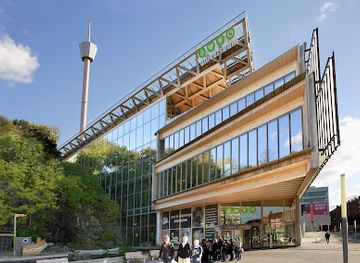




Explore Röhsska museet on the Map
A handpicked selection of must-see spots near Röhsska museet, mapped for you.
Getting There
-
Tram
Local tram service from central Gothenburg stops within a short walk of Vasagatan; journey times from major central nodes typically range 8–20 minutes depending on origin, services run frequently during daytime but may be less frequent late evening; single-ride fares are paid by card or local ticket app, typical fare SEK 30–45 per person.
-
Bus
City buses serve routes along central corridors with trips taking roughly 10–25 minutes from nearby neighbourhoods; expect moderate footpath walking from the nearest stop and variable service frequency outside peak hours; fares are similar to tram tickets, paid via card or the regional transit app (approximately SEK 30–45).
-
Taxi / Ride-hailing
Taxi or ride-hailing offers door-to-door access in about 8–15 minutes from most central locations; fares vary with demand but typical short central trips range SEK 120–220; note that peak times and event evenings increase prices and traffic can slow journeys along the avenue.
-
Walking
From central Avenyn and nearby city-centre areas a comfortable walk typically takes 10–25 minutes depending on starting point; pedestrians should expect paved city sidewalks and occasional tram tracks to cross; walking is flat and accessible but allow extra time for mobility needs.
For the on-the-go comforts that matter to you
-
 Restrooms
-
 Drink Options
-
 Food Options
-
 Seating Areas
-
 Information Boards
-
 Visitor Center
Discover more about Röhsska museet
Origins and mission that shaped a national collection
The Röhsska Museum grew from an early-20th-century bequest and a civic ambition to document and preserve craft and industrial design for education and inspiration. Over decades the museum assembled more than 50,000 objects spanning ceramics, metalwork, textiles, furniture and fashion; the collection’s scope was shaped to show both everyday utility and high-art craftsmanship, emphasising the interplay between Nordic design traditions and international influence.What you’ll find inside the displays
Permanent galleries present thematic narratives rather than a single chronological sweep: you can enter rooms focused on 18th-century interiors, a selection of chairs that traces three centuries of seating design, and halls dedicated to Swedish and Nordic modernism alongside displays titled to illuminate the links between craft and mass-produced objects. Dedicated displays for East Asian applied art and for fashion place garments and accessories in conversation with industrial artefacts, while temporary exhibitions regularly stage focused explorations of contemporary designers or archival material.Architecture and atmosphere of the museum building
The museum occupies a brick-faced early-20th-century building that conveys a restrained civic dignity; inside, circulation alternates quiet, gallery-lit rooms and more open, sociable spaces such as the hall used for public programmes. Lighting and plinth arrangements emphasise materials—glazed ceramics gleam under focussed light, textiles reveal weave and wear, and furniture is shown to expose both silhouette and joinery—creating a tactile, museum-of-craft atmosphere that rewards slow looking.Learning, programmes and tactile resources
Education is central to the museum’s remit: labels and gallery texts aim to explain materials and techniques, and the museum runs lectures, workshops and family-friendly activities that highlight making processes. An open-storage repository offers curated glimpses into the much larger collection—especially the prolific chair holdings—so visitors with specific interests can encounter a breadth of forms and manufacturing methods beyond the curated displays.The café, shop and practical character
A small café on the entrance level offers a calm place to pause between galleries and reflects the museum’s design ethos in its choice of wares. The museum shop focuses on design-led objects, books and locally produced gifts that echo exhibition themes. Public facilities, information boards and accessible toilets are provided; the institution presents itself as both a research collection and a public cultural hub.Significance for understanding everyday design
Röhsska’s collection reframes ordinary objects as documents of changing taste, technology and social life: mobile phones, textiles, chairs and kitchenware are presented as evidence of how design shapes daily experience. Whether your interest is in fashion history, ceramics, industrial design or the craft traditions that inform contemporary makers, the museum provides a concentrated, material-rich encounter with the design decisions that surround us.












Your all‑in‑one travel companion app
Explore expert travel guides, compare and book tours, experiences, hotels, and more—all from the palm of your hand. Download now for seamless trip planning wherever your wanderlust takes you.


Explore More of Gothenburg

Looking beyond Röhsska museet? Discover Gothenburg for broader travel guides, local hot-spots, and regional highlights.
Explore Gothenburg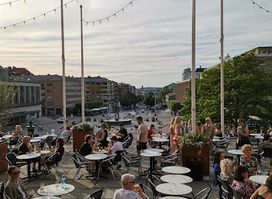
A compact, weather‑dependent rooftop beer garden above Götaplatsen offering relaxed drinks, simple seasonal plates and close-up city views.
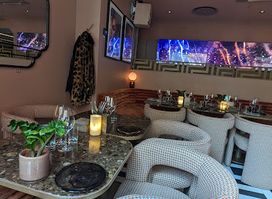
A theatrical karaoke bar and Japanese‑influenced restaurant on Teatergatan—private stages, glittery cocktails and lively late‑night atmosphere.
