Carolus XI Rex Bastion, Gothenburg Travel Guide
Free Guide: A compact, grass‑covered remnant of Gothenburg’s 17th‑century moat defences—quiet, tangible and linked to the old fish market.


A brief summary of Carolus XI Rex Bastion
A compact, grass‑covered remnant of Gothenburg’s 17th‑century moat defences—quiet, tangible and linked to the old fish market.
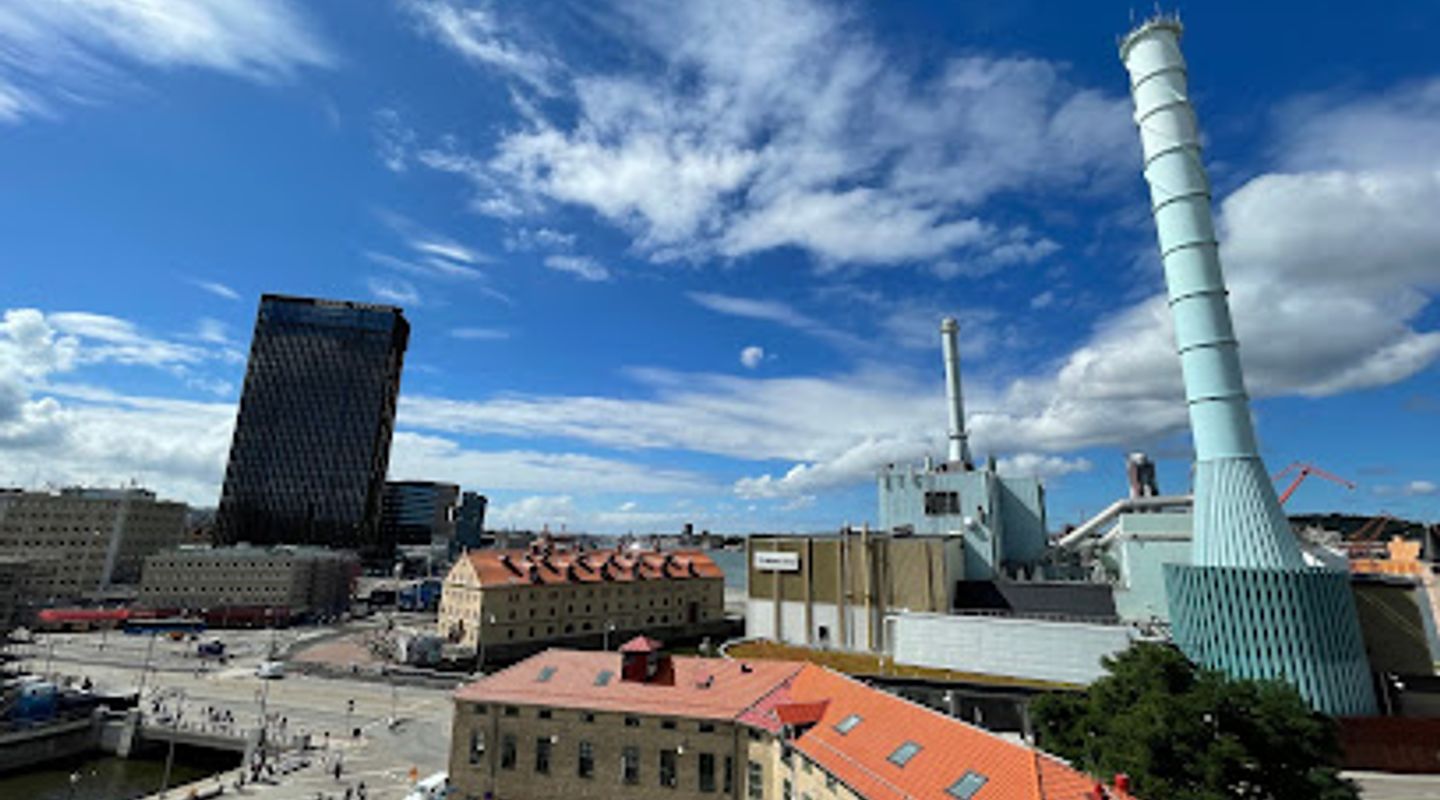
A solitary surviving fragment of Gothenburg’s 17th‑century fortifications, the Carolus XI Rex Bastion sits at Esperantoplatsen near the city’s old fish market. This low, grassy earthwork and masonry remnant is the only preserved bastion of the original zigzag moat and ramparts that once ringed the city; it offers a tangible connection to Gothenburg’s military past, quiet urban views and interpretive plaques that explain the bastion’s role in the town’s defensive system.
On-site amenities
 Information boards
 Seating areas
 Trash bins
Opening hours
- Every dayOpen 24 hours
Opening hours as listed on the venue’s Google Business Profile. Hours can change for services and special events, so check with the venue before you go.
- Address
- Esperantoplatsen, 411 19 Göteborg
Getting there
Tram and Walk
Bus and Short Stroll
Taxi or Rideshare
Discover more about Carolus XI Rex Bastion
Survivor of a vanished defensive ring
The Carolus XI Rex Bastion is the lone preserved fragment of the 17th‑century fortifications that once encircled Gothenburg. Built as part of a polygonal line of bastions, ravelins and a moat, this earth-and-stone work was named for King Charles XI and served as a bulwark when the city guarded its access to the North Sea. Today the bastion reads as a gentle rise in the ground—grass-covered slopes and surviving masonry that hint at its original geometry and defensive purpose.
What you can see and why it matters
At street level you’ll notice the low, ramp-like profile rather than towering walls: the design followed Dutch fortification principles adapted for marshy terrain, combining earthen banks with revetments to absorb artillery fire. Traces of stone facing and the outline of the old moat remain nearby, and interpretation panels situate the bastion within a network of now-vanished works that once protected the harbour and gates. The site’s compact scale makes it easy to inspect closely and imagine how the zigzag defences shaped the city’s footprint for centuries.
Setting and urban character
The bastion occupies a small green pocket at Esperantoplatsen, close to Feskekôrka (the old fish market), canal edges and busy central streets. Because it’s embedded into the modern city fabric, the site offers a contrast between historic earthworks and contemporary urban life: cyclists, tramlines and market activity pass by while the bastion’s slope offers a moment of unexpected calm and a different vantage on nearby waterways and rooftops.
Layers of history beneath the turf
Although modest in scale, the bastion preserves archaeological and engineering stories: the techniques used to stabilise reclaimed ground, the changing military technologies that made earthen defences practical, and the 19th‑century dismantling that opened Gothenburg for urban expansion. The surviving feature is therefore both a monument to early modern military planning and a physical trace of the city’s transition from fortified town to open port city.
Sensory details and visitor experience
Approach the bastion and you’ll notice the hush of clipped grass underfoot, gulls from the nearby docks, and the sudden narrowing of traffic noise as the slope shields a small pocket of air. On a clear day you can pick out the fish-market silhouette and the canal’s glitter; in winter the bastion’s contours read strongly against low light. Benches and information boards close by allow a pause for reading and reflection without the sense of formal museum enclosure—the site is an open‑air fragment of urban memory.
Why the bastion endures as a city landmark
The Carolus XI Rex feature remains because it encapsulates a formative chapter in Gothenburg’s growth: the Dutch-influenced layout, strategic maritime position and centuries of urban rebuilding. Though not grand in scale, it is a tangible, legible remnant that links modern streets to the defensive geometry that once dominated the city plan. For anyone interested in military engineering, urban archaeology or simply in how cities preserve only pieces of their past, this bastion is a concise, evocative example.
Evendo Review Centre
 Google
Guest reviews
Best time to go
Quietest: Jan, Feb & Dec · before 6am or from 9pm
Busy times are Evendo estimates for a typical year, to help you plan. Actual crowds vary with events, school holidays and the weather.
Explore Carolus XI Rex Bastion on the map
A handpicked selection of must-see spots near Carolus XI Rex Bastion, mapped for you.
Get your free copy of our complete guide to Carolus XI Rex Bastion, delivered straight to you.
Everything on this page, from opening hours and how to get there to Eve’s tips and the best time to go, in one PDF you can read offline, print or share.
Already have an account? Sign in
Your Carolus XI Rex Bastion guide is ready.
We'll send it to · Not you? Sign out

Getting your guide ready…
We are putting together a fresh copy of the Carolus XI Rex Bastion guide. This can take up to a minute.
This can take a few moments. If your browser asks, choose Allow so the download can start. You'll find the guide in your Downloads folder.
Nothing happened? Download it again
Sorry, the guide is taking longer than usual. Please try again in a minute, or get it by email instead.
Unlock the best of Carolus XI Rex Bastion
Skip-the-line tickets, guided tours with entry, and walking tours of the area, booked in a few clicks.

Other nearby places you may find interesting
The closest places of the same kind, if this one is not quite what you had in mind.
-
-
-
-
-


Swipe for more places
More to explore near Carolus XI Rex Bastion

 Best experiences near Carolus XI Rex Bastion
 Best hotels near Carolus XI Rex Bastion
 Best landmarks near Carolus XI Rex Bastion
 Best attractions near Carolus XI Rex Bastion
 Best shops near Carolus XI Rex Bastion
 Best restaurants near Carolus XI Rex Bastion
 Best bars near Carolus XI Rex Bastion
Do you manage this location?
Take control to get all the benefits, like improved information, better appearance, and stronger visibility across AI-powered discovery.
Explore more

Explore more of Gothenburg
Discover Gothenburg: Sweden's coastal gem where cultural richness meets natural beauty. Enjoy stunning archipelagos, historic districts, and a vibrant culinary scene.
Explore Gothenburg
Explore more of Sweden
Discover Sweden's breathtaking landscapes, vibrant cities, and rich cultural heritage. From the Northern Lights to historic castles, experience the essence of Scandinavia.
Explore Sweden