Drottens ruin Travel Guide
Free Guide: A small, roofless 13th‑century parish ruin in the heart of medieval Visby, quiet and richly textured with limestone, lichen and history.


A brief summary of Drottens ruin
A small, roofless 13th‑century parish ruin in the heart of medieval Visby, quiet and richly textured with limestone, lichen and history.
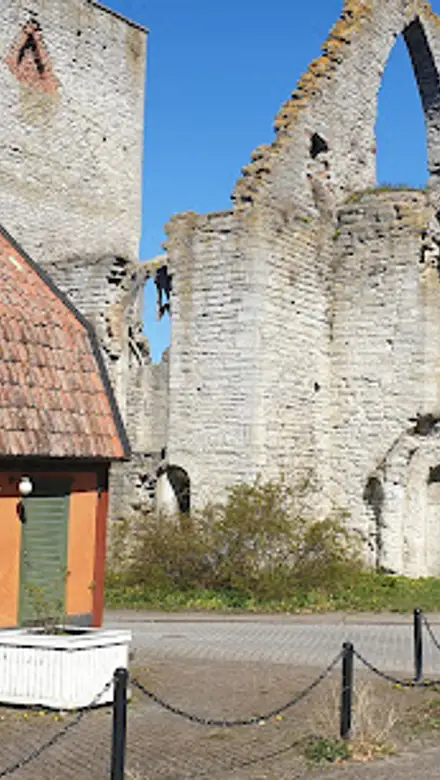
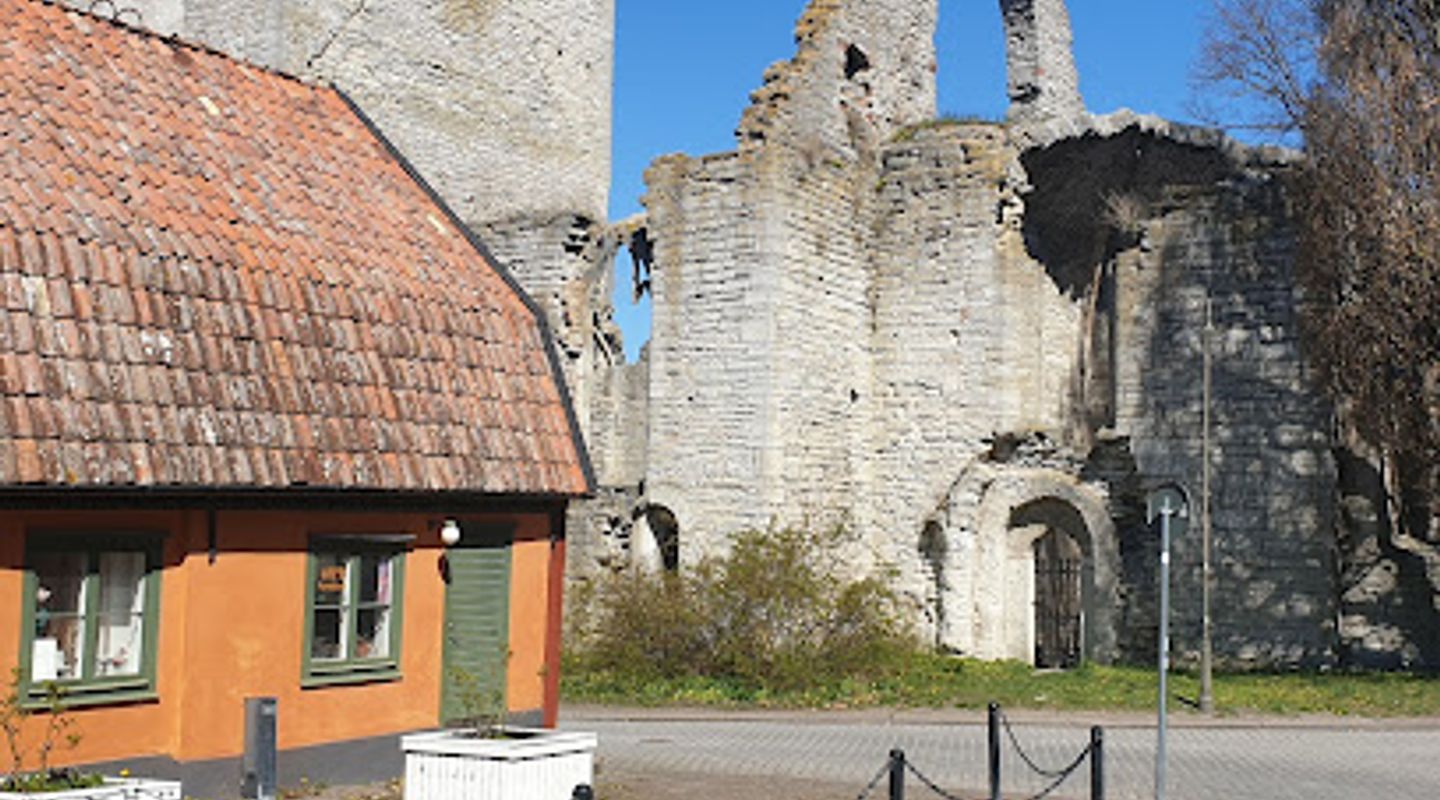
Drottens ruin is the roofless remains of a 13th-century parish church tucked into Visby’s medieval fabric, its limestone walls and arched openings framing a quiet, contemplative pocket of the old town near S:t Lars. Once the German parish church known as S:t Trinitatis, Drotten’s ruin offers a compact, atmospheric encounter with Visby’s Hanseatic past and the island’s long history of sacred architecture.
On-site amenities
 Seating areas
 Information boards
 Trash bins
Opening hours
- Every day10 am–6 pm
Opening hours as listed on the venue’s Google Business Profile. Hours can change for services and special events, so check with the venue before you go.
- Address
- Syskongatan 4, 621 56 Visby
- Website
Getting there
City tram or bus
Walking from central Visby
Bicycle
Discover more about Drottens ruin
Stonework against sea air: Drotten’s physical character
Drottens ruin is a modest, roofless church whose surviving masonry—pale Gotlandic limestone—stands in sharp relief against the sky. Low exterior walls enclose the footprint of a simple nave and chancel; carved window heads and surviving buttresses hint at the original proportions and the care invested in medieval masonry. The ruin’s scale feels domestic rather than monumental, inviting close inspection of dressed stone, weathered tool marks and lichen that softens the edges.
A story of parish and people
Built in the thirteenth century as S:t Trinitatis and later known as Drotten, the site served the German-speaking parish that grew up around Visby’s bustling trade links in the Baltic. Its compact plan and plain detailing reflect its role as a local parish church rather than a major cathedral; the fabric speaks of everyday worship, seasonal festivals and the rhythms of a Hanseatic port town where merchants and sailors mixed with islanders.
Ruins in context: Visby’s web of medieval churches
Drottens ruin sits within the dense constellation of Visby’s ruined churches, a group that together maps the medieval town’s religious geography. Neighbouring remains—most notably S:t Lars across the street—create a pair of complementary sites often thought of together. The cluster of ruins around the town’s core is a visible record of Visby’s medieval prosperity and later decline, and Drotten contributes a quieter, intimately scaled note to that chorus of architecture.
Sensory atmosphere and moments to notice
Inside the ruin the light shifts quickly: sunlight pools in the nave on clear afternoons and slips through window openings to play on stone. In wind the hollowed space can throw a whisper back to you; after rain the stones darken and scent of wet limestone and sea salt rises faintly from the old walls. Seasonal grasses and small wildflowers find pockets in the masonry joints, and birds use the ruins as a lookout, adding liveliness to what otherwise feels like a contemplative hollow of history.
Conservation and modern presence
Drottens ruin is cared for as part of Visby’s ensemble of protected historic remains; repair work over the centuries has stabilised the walls while leaving the ruinous character intact. That dual approach—stabilise, not rebuild—keeps the ruin legible as an archaeological and architectural fragment. Today the site is an urban green pocket: compact, accessible and often used as a calm interlude during a walk through the medieval centre.
What the ruin reveals about medieval Visby
Though modest in size, Drotten crystallises several themes of Visby’s medieval era: international trade, parish organisation, and the dense layering of sacred buildings within a walled town. The ruin’s surviving details—stone profiles, window shapes and the footprint itself—offer clues to liturgical layout and local building practice. Standing here, you can read how a single parish church fit into the daily life of a town that once connected the Swedish mainland to seafarers, merchants and ecclesiastical networks across the Baltic.
Evendo Review Centre
 Google
Guest reviews
Best time to go
Quietest: Jan, Feb & Dec · before 7am or from 9pm
Busy times are Evendo estimates for a typical year, to help you plan. Actual crowds vary with events, school holidays and the weather.
Explore Drottens ruin on the map
A handpicked selection of must-see spots near Drottens ruin, mapped for you.
Get your free copy of our complete guide to Drottens ruin, delivered straight to you.
Everything on this page, from opening hours and how to get there to Eve’s tips and the best time to go, in one PDF you can read offline, print or share.
Already have an account? Sign in
Your Drottens ruin guide is ready.
We'll send it to · Not you? Sign out

Getting your guide ready…
We are putting together a fresh copy of the Drottens ruin guide. This can take up to a minute.
This can take a few moments. If your browser asks, choose Allow so the download can start. You'll find the guide in your Downloads folder.
Nothing happened? Download it again
Sorry, the guide is taking longer than usual. Please try again in a minute, or get it by email instead.
Other nearby places you may find interesting
The closest places of the same kind, if this one is not quite what you had in mind.
-
-
-
-
-


Swipe for more places
More to explore near Drottens ruin

 Best experiences near Drottens ruin

 Best hotels near Drottens ruin

 Best landmarks near Drottens ruin

 Best attractions near Drottens ruin

 Best shops near Drottens ruin

 Best restaurants near Drottens ruin

 Best bars near Drottens ruin
Do you manage this location?
Take control to get all the benefits, like improved information, better appearance, and stronger visibility across AI-powered discovery.
Explore more

Explore more of Gotland
Explore Gotland, Sweden's largest island, known for its medieval charm, stunning natural landscapes, and vibrant cultural scene in the heart of the Baltic Sea.
Explore Gotland
Explore more of Sweden
Discover Sweden's breathtaking landscapes, vibrant cities, and rich cultural heritage. From the Northern Lights to historic castles, experience the essence of Scandinavia.
Explore Sweden