

Free Gotland Travel Guide & Mobile App
Explore Gotland with free travel guides. Discover regional history, expert tips, proposed trips, and audio guides on web or mobile app.


Explore Gotland for Visby’s medieval walls, Fårö’s rauks, Baltic beaches, limestone landscapes, island food and quiet rural roads.
Read more about Gotland
When is the best time to visit Gotland?
Best: June–August · 19–22°C| Month | High (°C) | Rainfall (mm) |
|---|---|---|
| January | 2 | 40 |
| February | 2 | 30 |
| March | 6 | 35 |
| April | 11 | 35 |
| May | 16 | 40 |
| June (best) | 19 | 45 |
| July (best) | 22 | 50 |
| August (best) | 21 | 55 |
| September | 17 | 45 |
| October | 13 | 50 |
| November | 8 | 55 |
| December | 5 | 60 |
Getting to and around Gotland
How to get there
Transportation
Top city travel guides in Gotland
The cities of Gotland, and the easiest places to base yourself.

Swipe for more cities
Best attractions in Gotland
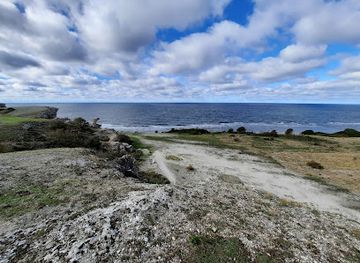
Gotland’s attractions range from the medieval streets and church ruins of Visby to geological landscapes formed from the island’s limestone bedrock. The Visby ring wall, Gotland Museum and surviving medieval churches provide the principal introduction to the island’s history, while rural parish churches, farmsteads and archaeological remains extend that story across the countryside. Fårö is known for its rauks, pine forests and beaches, including the broad sands around Sudersand, whereas the northern and eastern coasts offer quieter shorelines and old limestone-working landscapes. In the south, Hoburgen and the surrounding coastal country combine sea cliffs, open pasture and birdlife. Lummelunda Cave provides a geological experience near Visby, while offshore destinations such as Stora Karlsö offer seasonal walking, seabird watching and marine scenery. Cycling, coastal walking, swimming, kayaking and nature observation are central to the island’s outdoor appeal, although access and opening arrangements for smaller reserves and excursions vary by season.
-
Botanical garden
DBW's Botanical Garden
A compact 19th‑century walled garden in Visby where Mediterranean‑leaning plantings, a celebrated rose border and medieval stonework meet.
-
Tourist attraction
Lummelunda Cave
Descend into Gotland's ancient underworld: stalactite halls, fossil rivers, and boy-discovered passages await in cool, timeless depths.
-
Theme park
Kneippbyn
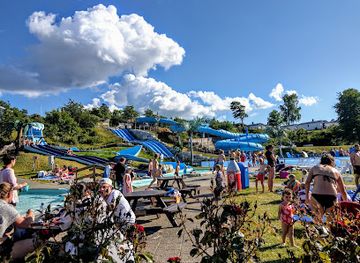
Dive into Pippi's world at Gotland's premier resort: water slides, theme rides, and seaside camping just south of Visby.
-
Art museum
Gotland Museum
A compact, object-led journey through 8,000 years of Gotlandic history — from stone-age finds to Viking picture stones and medieval Visby interiors.
Best landmarks in Gotland
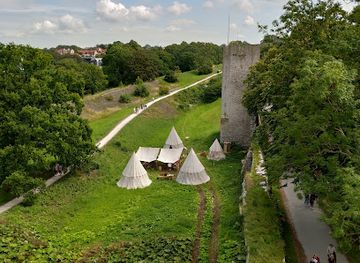
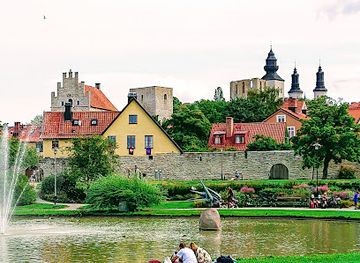
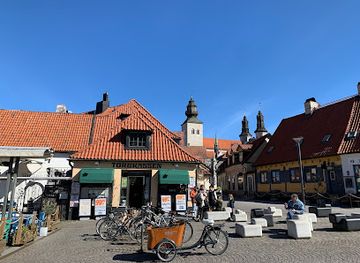
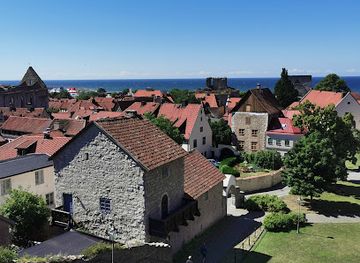
Visby’s medieval ring wall is Gotland’s defining built landmark, enclosing a townscape of narrow lanes, stone warehouses and atmospheric church ruins. The wall’s towers and surviving gates reveal Visby’s former commercial and defensive importance, while St Mary’s Cathedral remains an active place of worship within the historic centre. Across the island, rural stone churches create a distinctive architectural landscape; examples such as the churches at Gammelgarn and Gothem are valued for their medieval structure, decoration and setting. Fårö’s rauks are the island’s most recognisable natural formations, with Langhammars and Digerhuvud displaying limestone pillars shaped by erosion and the sea. In the south, Hoburgen forms a prominent headland above the Baltic, and the limestone coast around Slite and northern Gotland records the island’s long relationship with quarrying. Together these landmarks show how trade, faith, geology and working landscapes have shaped Gotland’s visual identity.
-
Tourist attraction
(Great Square)
Visby's medieval heartbeat: cobblestones, ruins, markets, and cafes in a UNESCO gem on Gotland.
-
Tourist attraction
Hoburgsgubben
Gotland's bearded rauk sentinel: a limestone giant guarding southern cliffs, sea caves, and sun-drenched horizons in Husrygg's wild embrace.
-
Tourist attraction
Visby Town Wall
Walk Scandinavia's finest medieval wall: 3.4km of towers, gates, and Hanseatic history encircling Visby's UNESCO heart with Baltic Sea vistas.
-
Tourist attraction
Söderport
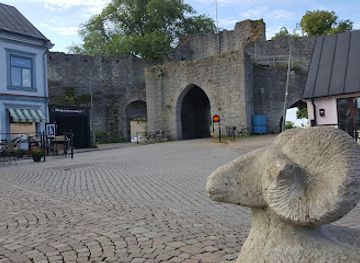
Step through Visby's southern sentinel: a 13th-century stone gate guarding the medieval heart of Gotland's walled wonder.
Explore Gotland on the map
Plan your trip on one map. See where the top cities, national parks and sights are, and book hotels and experiences in a few clicks.
Best hotels in Gotland
Best restaurants in Gotland
Gotland’s food reflects its farms, limestone soils and Baltic setting. Lamb is a prominent local speciality, while seasonal menus commonly draw on root vegetables, asparagus, beetroot, dairy produce, eggs and locally grown herbs. Fish and other maritime ingredients appear in coastal restaurants, although the island’s culinary identity is broader than seafood alone. Saffron pancakes, traditionally served with jam and cream, are one of Gotland’s best-known sweet dishes. Visby has the island’s widest range of restaurants, cafés, bakeries and bars, from contemporary cooking to informal meals, while rural inns, farm shops and seasonal producers offer a closer connection to the agricultural landscape. Look for island-made bread, preserves, drinks and dairy products at markets and independent food outlets; availability naturally follows the farming calendar. Booking is sensible during the busiest summer weeks, particularly in Visby and at popular coastal destinations.
-
Crêperie
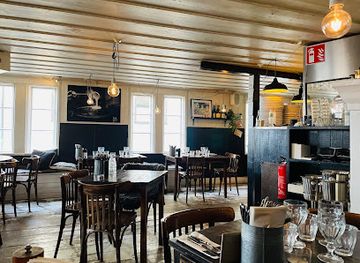
Crêperie & Logi
Visby's coziest crêperie in a wedge house, serving buckwheat galettes, sweet crêpes, and crisp cider year-round on a lively square with a secret leafy terrace.
-
Hamburger
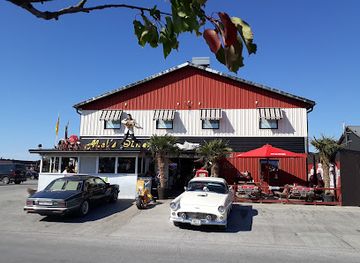
Mel's Diner
Juicy high-rib burgers and neon-lit nostalgia in Visby's historic heart—your 50s American diner fix amid Gotland's medieval charm.
-
Pizza
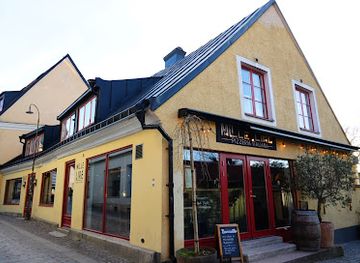
Mille Lire Stora Torget
Wood‑oven pizzas and lively terrace seating beside Visby’s Stora Torget—authentic, accessible Italian flavours served late into the night.
-
Seafood
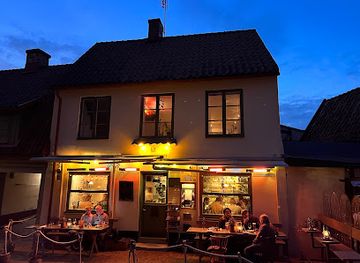
Bakfickan
Cozy Visby seafood haven dishing fresh herring, soups, and local catches in a historic square setting for over 25 years.
Best bars in Gotland
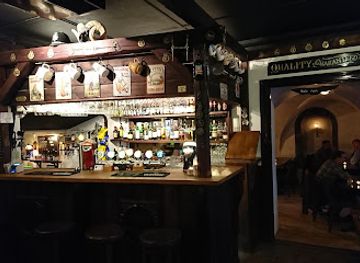
Visby is the centre of Gotland’s evening life, with pubs, wine bars, restaurants, hotel bars and seasonal venues concentrated in and around the medieval town. Summer brings the largest choice and a younger, more social atmosphere, while outside the high season the town’s nightlife is quieter and more focused on dining, traditional pubs and occasional live music. Other settlements have a smaller evening scene, generally centred on local pubs, restaurants and community events rather than dedicated clubs. Rural Gotland is better suited to long dinners, sunset walks and relaxed gatherings than late-night entertainment. Visitors should expect substantial seasonal variation and should check current arrangements locally rather than assume that a venue operates year-round. Drinking is not necessary to enjoy the island’s evening culture, which also includes food, music, theatre and walks through illuminated historic streets.
-
Bar
Black Sheep Arms
Authentic British pub in Visby's medieval core: fish & chips, local beef burgers, live music, Guinness, and whiskies in a cozy courtyard haven.
-
Bar
Joda bar & kök
Harbour‑side bar and restaurant on Skeppsbron offering casual meals, a busy terrace and year‑round events in Visby’s port.
-
Restaurant
Eden Tapas & bar
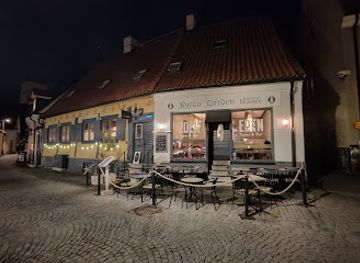
Discover the flavors of Spain at Eden Tapas & Bar in Visby, where culinary artistry meets a vibrant dining atmosphere.
-
Bar
Munkkällaren
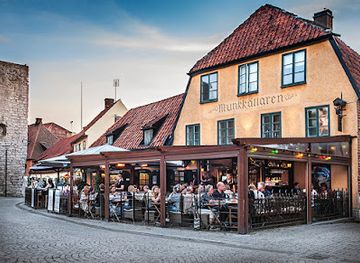
Historic cellars, hearty Swedish food and late-night DJs — a lively, atmospheric hub on Visby’s main square.
Best nightclubs in Gotland
Visby is the centre of Gotland’s evening life, with pubs, wine bars, restaurants, hotel bars and seasonal venues concentrated in and around the medieval town. Summer brings the largest choice and a younger, more social atmosphere, while outside the high season the town’s nightlife is quieter and more focused on dining, traditional pubs and occasional live music. Other settlements have a smaller evening scene, generally centred on local pubs, restaurants and community events rather than dedicated clubs. Rural Gotland is better suited to long dinners, sunset walks and relaxed gatherings than late-night entertainment. Visitors should expect substantial seasonal variation and should check current arrangements locally rather than assume that a venue operates year-round. Drinking is not necessary to enjoy the island’s evening culture, which also includes food, music, theatre and walks through illuminated historic streets.
-
Night club
Munkkällaren
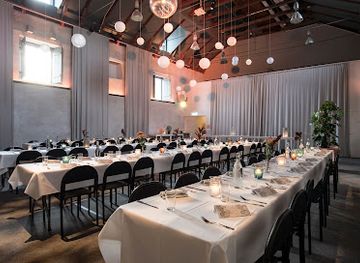
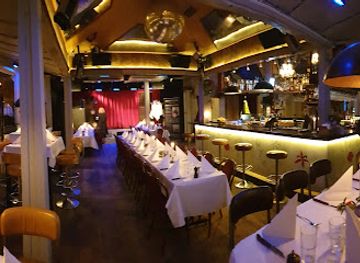
Vaulted medieval cellar dining that becomes a lively bar and nightclub — food, drinks and late-night energy in the heart of Visby.
-
Night club
Kallis Visby
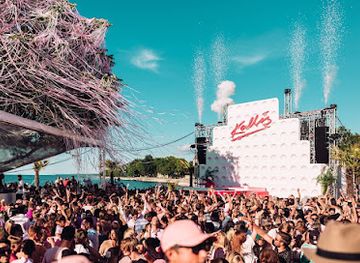
Seaside dayclub and restaurant on Visby’s western shore — sunlit lunches, sunset drinks and high-energy summer nights by the Baltic.
-
Bar
Gutekällaren
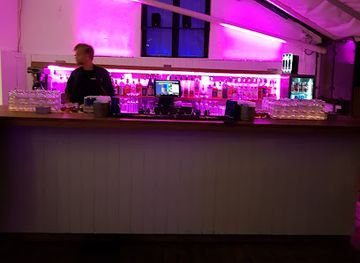
A seasonal, multi-room nightclub in the heart of Visby — terraces, dancefloors and late-night DJ and live-music action during the summer months.
-
Night club
Burmeister
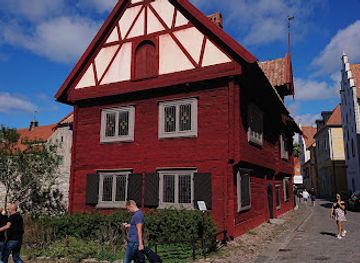
Dance through centuries in Visby's oldest merchant house, where medieval stone pulses with modern beats from 11pm till dawn.
Best shops in Gotland
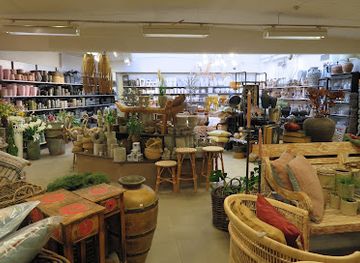
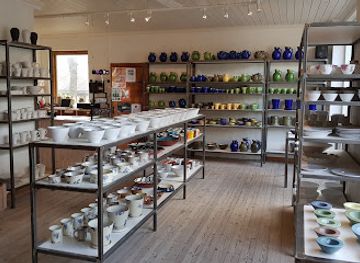
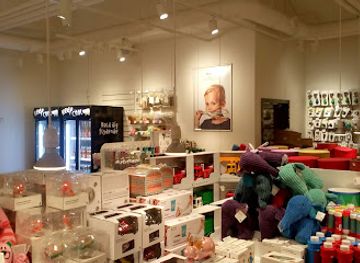
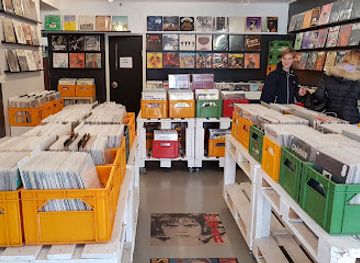
Visby offers Gotland’s broadest shopping selection, particularly along the pedestrian streets of the medieval centre, where independent shops, galleries, bookshops, design retailers and craft outlets occupy historic buildings. Look for locally made ceramics, glass, textiles, jewellery, wool products and artworks, as well as food gifts such as saffron, preserves, biscuits and island-produced drinks. Outside Visby, shopping is concentrated in the market towns and villages, with small bakeries, farm shops and seasonal producers providing a more agricultural selection. Rural stores are useful for regional produce but may have limited opening arrangements outside the main season. Flea markets and temporary makers’ markets appear at different times of year, so current local information is preferable to relying on a fixed itinerary. Gotlandic limestone and lambskin products are associated with the island, but buyers should check provenance and choose responsibly made goods rather than treating every locally sold item as locally produced.
-
Florist
Greenhouse Linds AB
Visby's fifth-generation green oasis: lush plants, harmonious home goods, and scratch-made seasonal cuisine in a sunlit greenhouse haven.
-
Pottery store
Etelhems Pottery
Century-old Gotland pottery studio where hands shape local clay into vibrant ceramics, with café fika and summer pizza feasts amid rural serenity.
-
Gift shop
Flying Tiger Copenhagen
Dive into Danish design delights at this quirky Visby outpost, where affordable toys, gifts, and home treasures await amid Gotland's medieval magic.
-
Record store
Gotlands Skivbörs
Dive into vinyl treasures and retro games at Gotlands Skivbörs, Romakloster's nostalgic record store haven on Gotland's serene roads.
Get your free copy of our complete guide to Gotland, delivered straight to you.
Everything on this page, from attractions and restaurants to essentials and local phrases, in one PDF you can read offline, print or share.
Already have an account? Sign in
Your Gotland guide is ready.
We'll send it to · Not you? Sign out

Getting your guide ready…
We are putting together a fresh copy of the Gotland guide. This can take up to a minute.
This can take a few moments. If your browser asks, choose Allow so the download can start. You'll find the guide in your Downloads folder.
Nothing happened? Download it again
Sorry, the guide is taking longer than usual. Please try again in a minute, or get it by email instead.
Gotland essentials
Currency and Payment
Safety
Emergency Situations
Do's and Don'ts
Local Tips
From Eve
Local phrases worth knowing
You don't need to get them perfect. A few words go a long way, and locals appreciate the effort.
Basics
| English | Local | Say it |
|---|---|---|
| Hello | Hej | [hay] |
| Goodbye | Hej då | [hay daw] |
| Yes | Ja | [yah] |
| No | Nej | [nay] |
| Please/You're welcome | Snälla/Tack så mycket | [snel-lah/tahk soh myek-tah] |
| Thank you | Tack | [tahk] |
| Excuse me/Sorry | Ursäkta/Mi ledsen | [oor-sek-tah/mee led-sen] |
| How are you? | Hur mår du? | [hoor mohr doo] |
| Fine. And you? | Bra. Och du? | [brah. ohk doo] |
| Do you speak English? | Talar du engelska? | [tah-lahr doo eng-el-skah] |
| I don't understand | Jag förstår inte | [yahg for-stor in-teh] |
Eating & Drinking
| English | Local | Say it |
|---|---|---|
| I'd like to see the menu, please | Jag skulle vilja se menyn, snälla | [yahg skool-leh vil-yah seh meh-neen, snel-lah] |
| I don't eat meat | Jag äter inte kött | [yahg eh-ter in-teh shutt] |
| Cheers! | Skål! | [skawl] |
| I would like to pay, please | Jag skulle vilja betala, snälla | [yahg skool-leh vil-yah beh-tah-lah, snel-lah] |
Emergencies
| English | Local | Say it |
|---|---|---|
| Help! | Hjälp! | [yelp] |
| Go away! | Gå bort! | [gaw bort] |
| Call the Police! | Ring polisen! | [ring po-lee-sen] |
| Call a doctor! | Ring en läkare! | [ring en le-kah-reh] |
| I'm lost | Jag är vilse | [yahg air vil-seh] |
| I'm ill | Jag är sjuk | [yahg air shook] |
Shopping
| English | Local | Say it |
|---|---|---|
| I'd like to buy... | Jag skulle vilja köpa... | [yahg skool-leh vil-yah shur-pah...] |
| I'm just looking | Jag tittar bara | [yahg tit-tar bar-ah] |
| How much is it? | Hur mycket kostar det? | [hoor myek-teh koss-tar deh] |
| That's too expensive | Det är för dyrt | [deh air fohr deert] |
| Can you lower the price? | Kan du sänka priset? | [kahn doo sen-kah pree-set] |
Time & Numbers
| English | Local | Say it |
|---|---|---|
| What time is it? | Vad är klockan? | [vahd air kloh-kahn] |
| It's one o'clock | Klockan är ett | [klohkahn air et] |
| Half past (10) | Halv (10) | [halv (10)] |
| Morning | Morgon | [mor-gon] |
| Afternoon | Eftermiddag | [ef-ter-mid-dahg] |
| Evening | Kväll | [kvel] |
| Yesterday | Igår | [ee-gor] |
| Today | Idag | [ee-dahg] |
| Tomorrow | Imorgon | [ee-mor-gon] |
| 1 | 1 | [1] |
| 2 | 2 | [2] |
| 3 | 3 | [3] |
| 4 | 4 | [4] |
| 5 | 5 | [5] |
| 6 | 6 | [6] |
| 7 | 7 | [7] |
| 8 | 8 | [8] |
| 9 | 9 | [9] |
| 10 | 10 | [10] |
Transport & Directions
| English | Local | Say it |
|---|---|---|
| Where's a/the...? | Var är en/den...? | [var air en/den...?] |
| What's the address? | Vad är adressen? | [vahd air ah-dres-sen] |
| Can you show me (on the map)? | Kan du visa mig (på kartan)? | [kahn doo vee-sah may (poh kar-tahn)?] |
| When's the next (bus)? | När går nästa (buss)? | [nair gohr nes-tah (boos)?] |
| A ticket (to ....) | En biljett (till ....) | [en bil-yet (teel ....)] |
History of Gotland
Stone Age settlement and Bronze Age seafaring
Gotland has been inhabited since prehistoric times, and its position in the Baltic made the island a natural meeting point for coastal communities. Archaeological remains include stone tools, burial sites and Bronze Age monuments, while the island’s many preserved picture stones provide evidence of later religious ideas and long-distance contacts. Farming, fishing and seafaring shaped settlement patterns from an early period. Although the exact meaning of some prehistoric symbols remains debated, the monuments demonstrate that Gotland’s communities were connected to wider networks across Scandinavia and the Baltic long before the emergence of the medieval trading city of Visby.
Viking-age trade and island wealth
During the Viking Age and the centuries around it, Gotland became an important base for trade across the Baltic and eastern Europe. Large coin hoards discovered on the island, including silver from regions far beyond Scandinavia, reveal the scale of these connections. Gotlandic merchants operated within a commercial world linking Scandinavia with the lands around the eastern Baltic and beyond. The island was not simply a remote agricultural community: its farms, harbours and trading networks generated considerable wealth, much of which is still visible in archaeological collections and the distinctive carved picture stones found across Gotland.
Christianisation and medieval parish churches
Christianity became established on Gotland during the medieval period, replacing or absorbing earlier religious traditions. Hundreds of rural churches were built or rebuilt in stone, and many contain medieval wall paintings, carved portals and furnishings of considerable artistic quality. Their distribution reflects the island’s prosperous farming communities and its close connections with mainland Scandinavia and continental Europe. Gotland’s churches are especially important because they preserve a remarkably dense record of medieval religious architecture outside the main town. They remain among the clearest ways to understand the island’s rural society during the Middle Ages.
Visby and the medieval Baltic trading world
From the twelfth to the fourteenth centuries, Visby developed into one of the Baltic’s leading trading centres. German merchants and Gotlandic traders used the port as a link between western Europe, Scandinavia and eastern markets. Stone warehouses, churches and defensive works were built as commerce expanded, culminating in the great town wall. The town’s cosmopolitan importance also brought political tensions with the rural population and rival powers. Visby’s surviving medieval urban fabric, including its street plan, ruins and walls, explains why the historic town is now a UNESCO World Heritage Site.
Danish conquest and changing rule, 1361–1645
In 1361, the Danish king Valdemar Atterdag invaded Gotland and defeated the island’s forces outside Visby, an event remembered through the town’s medieval history and later traditions. Danish rule continued for centuries, although control and authority shifted between competing powers around the Baltic. Gotland’s strategic position made it valuable during periods of conflict, and Visby’s fortunes declined relative to the larger commercial centres of the region. The island became Swedish under the Treaty of Brömsebro in 1645, marking a major change in its political allegiance.
Limestone, agriculture and maritime industries
For centuries, Gotland’s economy rested on farming, livestock, fishing, shipping and the working of its limestone. The local stone was used in churches, farm buildings, walls and urban construction, while lime-burning and quarrying became particularly important in the modern period. Small harbours supported coastal trade, and agricultural communities adapted to the island’s thin soils and dry limestone terrain. These industries left a visible imprint on the landscape: open grazing land, stone boundaries, quarry faces, kilns and compact settlements all reflect the practical relationship between Gotland’s people and its geology.
Twentieth-century defence and the growth of tourism
Gotland’s location in the centre of the Baltic gave it renewed military significance during the twentieth century, and defensive installations were established in several coastal areas. After the Second World War, the island’s economy increasingly combined agriculture, public services, industry and tourism. Improvements in ferry and air connections made Visby and the wider island more accessible to domestic visitors, while the medieval town and coastal scenery attracted international attention. Today, tourism is an important seasonal activity, but Gotland remains a living agricultural island rather than solely a heritage destination.
Gotland in Photos
Browse through our photo collection highlighting the charm and character of the destination.
Neighbouring regions of Gotland
The closest regions to Gotland, if you have time for more than one.
-

-

-

-

-


Swipe for more regions
Explore more
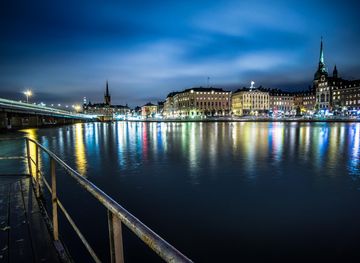
Explore more of Sweden
Discover Sweden's breathtaking landscapes, vibrant cities, and rich cultural heritage. From the Northern Lights to historic castles, experience the essence of Scandinavia.
Explore Sweden