

Fängelsehålan, Halland Travel Guide
Descend into Kvibille's shadowy prison cell, witness to Sweden's last local execution—a chilling portal to rural justice amid ancient Halland heritage.
Fängelsehålan is a preserved 19th-century prison cell beneath Kvibille's historic tingshus, site of Sweden's last public execution in the village. Step into the dim, stone-walled chamber where drängen Johan Jacob Olsson Qwick awaited his fate in 1849 after a murder conviction. Part of a local culture trail highlighting Kvibille's ancient roots from the Stone Age through medieval times, it offers a haunting glimpse into rural justice and human drama amid Halland's serene countryside.
A brief summary to Fängelsehålan
- Kvibille, 310 34, SE
- Click to display
- Duration: 0.5 to 1.5 hours
- Free
-
 Outdoor
- Mobile reception: 4 out of 5

Know before you go
Hi, I'm Eve. Here are a few practical things to know before exploring Fängelsehålan.
- Combine your visit with the full Kvibille culture trail for context on the village's Stone Age to medieval history.
- Visit on a quiet afternoon to fully absorb the cell's eerie solitude without crowds.
- Wear sturdy shoes for the steps down into the damp underground chamber.
Do you manage this location?
Take control to get all the benefits, like improved information, better appearance, and stronger visibility across AI-powered discovery. Learn more about listing your business on Evendo
Activate your presenceOther nearby places you may find interesting
The closest places of the same kind, if this one is not quite what you had in mind.
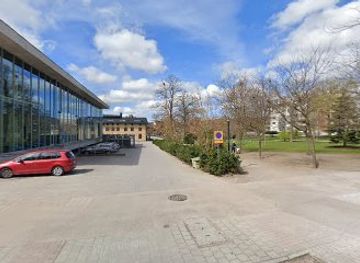
Explore Fängelsehålan on the Map
A handpicked selection of must-see spots near Fängelsehålan, mapped for you.
Getting There
-
Driving
Drive from Halmstad center, 25-35 minutes via Route 15 then local roads through countryside; free roadside parking available near the tingshus, though spaces fill on weekends.
-
Bus
Take Hallandstrafiken bus 20 from Halmstad to Kvibille stop, 40-50 minutes with hourly frequency; 10-minute walk on flat paths to site, fares 30-50 SEK one-way.
-
Walking
From Kvibille church, 8-12 minute walk along paved rural lanes; easy terrain suitable for all ages, no steep inclines.
For the on-the-go comforts that matter to you
-
 Information Boards
-
 Trash Bins
-
 Seating Areas
Discover more about Fängelsehålan
Dark Echoes of 19th-Century Justice
Fängelsehålan lurks beneath the simple wooden structure of Kvibille's tingshus, a stark reminder of Sweden's rural judicial past. This cramped underground cell, hewn from rough stone, held prisoners awaiting trial or punishment in an era when local courts dispensed swift verdicts. The air inside remains heavy with the weight of confinement, walls scarred by time and perhaps desperate hands. Restored as part of a community heritage project, it stands as the focal point of Kvibille's culture trail, inviting reflection on how justice was meted out in isolated Halland villages.On November 21, 1847, the door clanged shut behind 29-year-old Johan Jacob Olsson Qwick, a farmhand convicted of manslaughter. Doomed to public decapitation—the last such execution in Kvibille—he spent his final days in this very hole, the dim light filtering through a narrow grate his only solace. The site's poignant displays recreate the scene, blending historical records with evocative imagery to transport visitors back to that fateful 1849 morning when the sentence was carried out nearby.Kvibille's Ancient Foundations
Kvibille's story stretches far beyond the tingshus, with archaeological finds pointing to Stone Age settlement amid its rolling fields and woodlands. Bronze Age burial mounds and Iron Age graves dot the landscape, whispering of communities that thrived here for millennia. The village evolved into a medieval hub, its church and court serving as anchors for Halland's coastal hinterlands. Fängelsehålan fits into this tapestry as a modern endpoint to a continuum of human struggle and survival.The tingshus itself, a modest 18th-century building, hosted assemblies where disputes were settled under open skies before the prison's addition. Today, it anchors a self-guided path linking ten key sites, from ancient grave fields to rune stones, revealing Kvibille as a microcosm of Swedish history. Wandering these paths, the prison cell's grim narrative gains depth against the backdrop of pastoral tranquility.Restoration and Cultural Revival
In recent years, local initiatives breathed new life into Fängelsehålan, transforming a forgotten relic into an accessible portal to the past. Upgrades included reinforced access, interpretive panels, and multimedia exhibits detailing Qwick's trial—a saga of rural violence, poverty, and inexorable law. These enhancements ensure the site's stories endure, fostering community pride in Halland's understated heritage.The culture trail emerged from collaborative efforts blending archaeology, oral histories, and preservation, making Kvibille a destination for those seeking authentic, off-the-beaten-path history. Fängelsehålan's restoration not only safeguards the physical space but revives the voices of its inhabitants, from prehistoric farmers to 19th-century unfortunates.Atmosphere of Solitude and Reflection
Descending into Fängelsehålan feels like slipping into a forgotten chapter, the chill stone and echoing quiet amplifying a sense of isolation. Sunlight barely penetrates, casting long shadows that evoke the despair of those once held here. Outside, Kvibille's gentle hills and whispering winds contrast sharply, underscoring the cell's role as a pocket of darkness in an otherwise idyllic setting.This interplay of confinement and freedom defines the visitor experience, prompting contemplation on punishment, redemption, and the passage of time. In a region rich with coastal allure, Fängelsehålan offers a uniquely introspective detour, its macabre allure drawing those fascinated by the undercurrents of human history.












Your all‑in‑one travel companion app
Explore expert travel guides, compare and book tours, experiences, hotels, and more—all from the palm of your hand. Download now for seamless trip planning wherever your wanderlust takes you.


Explore More of Halland
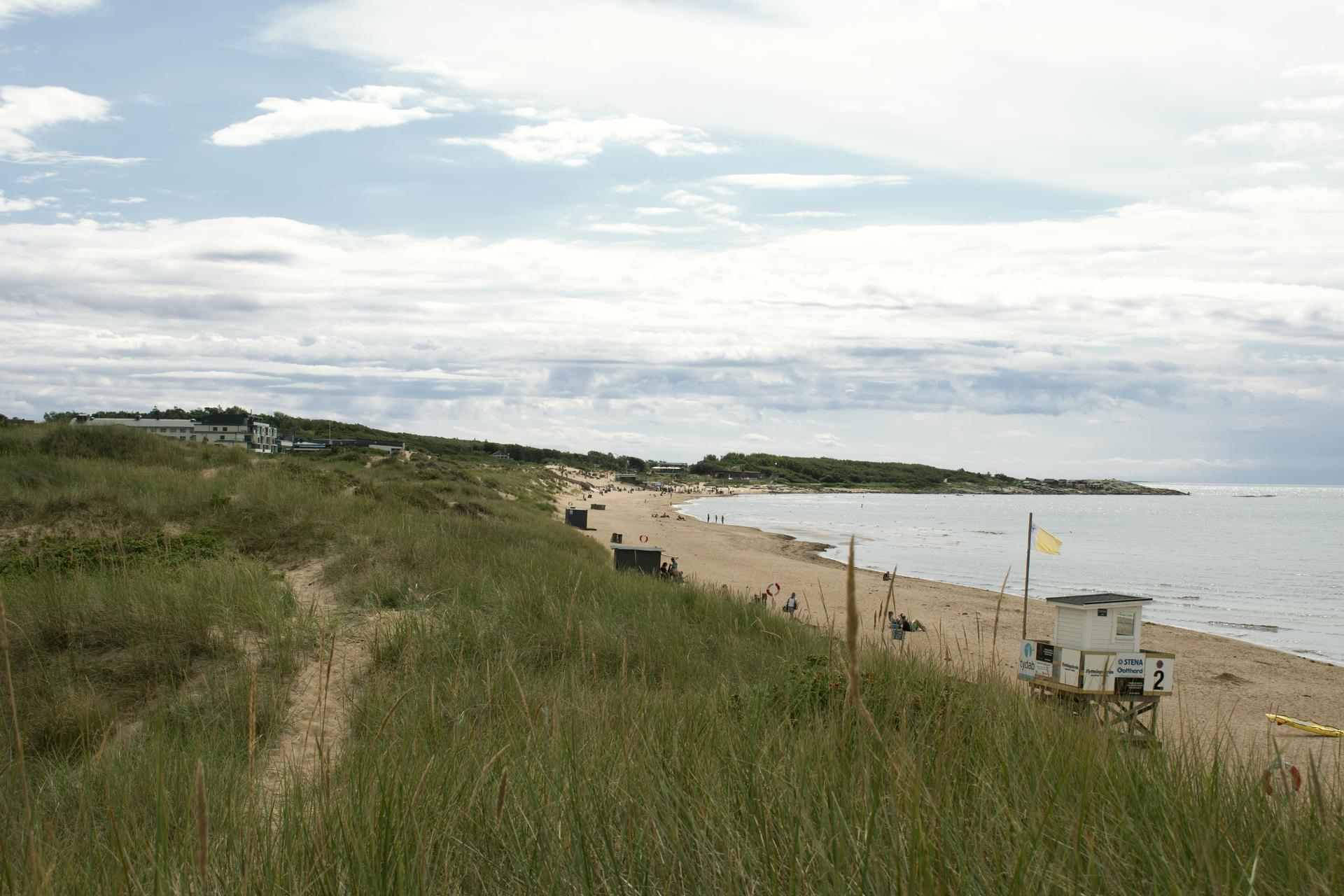
Looking beyond Fängelsehålan? Discover Halland for broader travel guides, local hot-spots, and regional highlights.
Explore Halland
Scandinavia's brightest beacon crowns rugged Kullaberg cliffs, flashing eternal vigilance over Öresund's turbulent waters with panoramic vistas and ancient maritime lore.
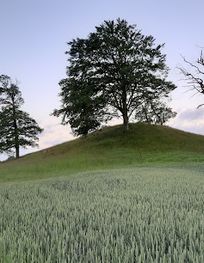
Hallands största bronsåldersgravhög med panoramautsikt över fälten – en tidsresa till för 3000 år sedan på istidsgrund.
