

Halland, Sweden Travel Guide
Discover Halland, Sweden's coastal paradise with sandy beaches, historic towns, and lush nature reserves. Perfect for outdoor adventures, cultural experiences, and relaxation.
Halland, situated on Sweden's picturesque west coast, offers an enchanting blend of natural beauty, rich history, and vibrant culture. Known for its sandy beaches, lush forests, and scenic countryside, Halland is a haven for outdoor enthusiasts and nature lovers. The coastline is dotted with charming seaside towns like Halmstad and Varberg, each with its unique character and attractions. Halmstad, the region's largest city, is famous for its vibrant arts scene and historic sites, including the medieval Halmstad Castle and the beautiful St. Nikolai Church. The city also boasts a variety of restaurants and cafes, offering delectable local cuisine and fresh seafood. Varberg, with its well-preserved fortress and therapeutic spa facilities, is a perfect spot for relaxation and rejuvenation. For those interested in outdoor activities, Halland offers numerous opportunities for hiking, biking, and fishing. The region's many nature reserves and national parks, such as the stunning Åkulla beech forests, provide ample space for exploration. Halland is also renowned for its rich cultural heritage, with numerous museums, galleries, and annual festivals showcasing the best of Swedish traditions and contemporary art.

Know before you go
Hi, I'm Eve. Here are a few practical things to know before exploring Halland.
- Visit the Tylösand Beach in Halmstad for its pristine sands and lively atmosphere, especially during summer.
- Explore the Varberg Fortress and enjoy panoramic views of the coastline from the top.
- Try the local seafood delicacies in one of the many coastal restaurants for an authentic taste of Halland.
- Rent a bike and explore the Kattegattleden, a scenic cycling route that stretches along the coast.
- Don't miss out on the annual Hallifornia Festival in Varberg, celebrating local art, music, and sports.
- Book a stay at one of the region's historic spa hotels for a relaxing and rejuvenating experience.
Explore Halland: Things to Do, Places to Eat, Hotels & More
Handpicked recommendations for top attractions, local dining, accommodations, and more

Top Attractions & Sightseeing in Halland
Top-rated picks
Best Attractions

Slottsskogen
A sprawling 110‑hectare urban park with forested hills, playgrounds, cafés and a free zoo showcasing Nordic animals — Gothenburg’s green heart.

Gothenburg Botanical Garden
Discover 20,000 plants from 130 countries across 175 hectares of gardens, valleys, and mountain views in Gothenburg's green oasis—open 24/7 year-round.

Kullaberg
A compact, cliffed peninsula of wind, sea and rare life—Kullaberg offers dramatic viewpoints, tidepools and varied habitats in south‑west Sweden.

Smålandet Moose Safari
Drive or ride through Småland's moose kingdom: feed majestic elk and bison up close amid whispering forests, with waffles and wildlife views awaiting.

Best landmarks in Halland
Top-rated picks
Best Landmarks

Kullen Lighthouse
Scandinavia's brightest beacon crowns rugged cliffs, beaming through 1000 years of history over Öresund's wild waves in Kullaberg Nature Reserve.

Skansen Kronan
17th-century fortress atop Skansberget, commanding epic Gothenburg views and hosting exclusive events amid historic stone walls.

Varberg Fortress
Europe's ultimate Renaissance fortress guarding Sweden's Kattegat coast, with medieval mysteries, rampart panoramas, and Halland's preserved past.

Kastelholm Castle
Åland's medieval stronghold: ruins whispering of kings, sieges, witches, and Baltic power on a moated island.

Best restaurants in Halland
Top-rated picks
Best Restaurants

Laxbutiken
A fjord-to-table salmon shop and drop-in restaurant serving smoked, cured and cooked salmon beside the E6 in Heberg.

Lilla Napoli
A compact, container-style pizzeria in Falkenberg turning long-fermented dough into crisp, charred Neapolitan pizzas with a nimble wine list.

Lotus
Savor Halmstad's premier Asian fusion at Lotus: buffets, hot pots, and BBQ crafted from fresh ingredients in a lively Brogatan setting.
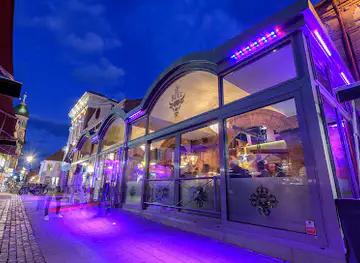
The Bulls
A robust steakhouse and cocktail pub in central Halmstad — big plates, lively atmosphere and a relaxed terrace for summer evenings.

Best bars in Halland
Top-rated picks
Best Bars

Håstensgrillen Rockers Pub
Discover the vibrant flavors of Håstensgrillen Rockers Pub in Varberg, where delicious burgers and a rock-themed atmosphere await.

The Fox & Anchor
Halmstad's go-to British-style gastropub: craft beers, hearty grub, and lively nights in a cozy old-town setting.

Harrys
Varberg’s lively pub hub for craft cocktails, pub grub, music quizzes, and weekend nightclub vibes on Kungsgatan.

Varbergs Ölhall
Experience the vibrant culinary scene at Varbergs Ölhall, where delicious food and local brews await in the heart of Varberg, Sweden.

Best nightclubs in Halland
Top-rated picks
Best Nightclubs

Lilla Hjärtat
Compact, student-focused club on Nässjögatan — loud music, budget drinks and a friendly late-night atmosphere.

Palladium
Central Halmstad club and flexible event space — conferences by day, high-energy dancing after dark.

Boom Boom Room
A converted Baptist church turned pulsing late‑night club on Karl XI:s väg, where lofty architecture meets bass-heavy DJ nights.

The House Halmstad
A compact, late-night neighbourhood club on Karl XI:s väg offering energetic weekend dance sets and an intimate, local atmosphere.

Best shops in Halland
Top-rated picks
Best Shops

Hallarna
Halmstad's vibrant shopping hub with 80+ stores, tasty bites, aquarium wonders, and free parking—your all-in-one destination under one roof.

Hede Fashion Outlet
Sweden's top outlet for 150+ brands with up to 70% off—shop fashion, home, and sport in a serene open-air paradise near Gothenburg.

Biltema Varberg
Sweden's go-to for tools, auto parts, home fixes, and family café vibes – 19,000 bargains across 7,000 sqm in coastal Varberg.

Erikshjälpen Second Hand
A spacious, volunteer-run charity emporium in Halmstad — secondhand finds, furniture and a cosy café with proceeds for children’s rights.

Explore Halland on the Map
A handpicked selection of must-see spots in Halland, mapped for you.
Halland Essentials
-
Halland is located on the western coast of Sweden, making it accessible by various means. The nearest major airport is Gothenburg Landvetter Airport, approximately 150 kilometers north of Halland. From the airport, you can rent a car or take a bus or train to reach Halland. The region is well-connected by train services from Gothenburg, Malmö, and Copenhagen, with frequent departures to cities like Halmstad and Varberg. Driving or taking a bus along the scenic E6 highway is another option.
-
Public transportation in Halland is efficient and includes buses, trains, and ferries. Hallandstrafiken operates the regional bus network, which connects towns and rural areas. Swedish Railways (SJ) and Öresundståg provide regular train services that connect major cities and smaller towns in the region. Biking is also a popular mode of transportation, with numerous bike paths and rental services available. Taxis are readily available but can be more expensive. Renting a car is a convenient option if you plan to explore remote areas.
-
The official currency in Sweden is the Swedish Krona (SEK). Credit and debit cards are widely accepted in Halland, including in shops, restaurants, and hotels. Mobile payment apps like Swish are also popular. ATMs are available in most towns and cities. It is advisable to carry some cash, especially if you plan to visit smaller villages or rural areas where card payments might not be accepted.
-
Halland is generally a safe destination for tourists. However, like any travel destination, it is wise to take standard precautions. Avoid leaving your belongings unattended and be cautious in crowded places. There are no specific high-crime areas targeting tourists in Halland, but it is always best to stay vigilant and aware of your surroundings, especially at night.
-
In case of an emergency, dial 112 for immediate assistance from police, fire services, or medical personnel. Hospitals and medical facilities are available in major towns, such as Halmstad and Varberg. Pharmacies are widely available for minor health issues. It is recommended to have travel insurance that covers medical emergencies. For non-urgent health concerns, you can visit local health centers (vårdcentral).
-
Fashion: Dress comfortably and weather-appropriately. Swedes generally dress casually, but consider dressing more formally when dining out at upscale restaurants. Religion: Sweden is a secular country, but respect for places of worship, such as churches, is appreciated. Public Transport: Always buy a ticket before boarding and validate it. Keep noise levels low and give up your seat for the elderly or pregnant women. Greetings: A firm handshake and direct eye contact are standard. Swedes value personal space, so don't stand too close during conversations. Eating & Drinking: Do try local dishes like 'smörgåstårta' and 'räkmacka'. Tipping is not mandatory but appreciated for good service.
-
To experience Halland like a local, visit the local markets and food festivals to sample regional specialties. Explore the beautiful coastline and beaches, such as Tylösand in Halmstad. Engage with locals in smaller towns and villages, as they are often friendly and willing to share stories about the region's history and culture. Don't miss visiting historic sites like Varberg Fortress and the medieval churches scattered throughout the region. For outdoor enthusiasts, the Hallandsleden trail offers fantastic hiking opportunities.
When is the best time to visit Halland?
Useful Local Phrases for Halland
You don't need to speak the language perfectly. Even learning a few simple words can make conversations warmer—and locals usually appreciate the effort.
— Eve

Here are the phrases I use most often in Halland. Try a few—you'll be surprised how far they go! 😊
❤️
-
- HelloHowdy
[/ˈhaʊ.di/] - GoodbyeSee ya
[/si jə/] - YesYep
[/jɛp/] - NoNope
[/noʊp/] - Please/You're welcomeSure thing
[/ʃʊr θɪŋ/] - Thank youThanks a lot
[/θæŋks ə lɑt/] - Excuse me/SorryPardon me
[/ˈpɑːr.dən mi/] - How are you?How ya doin'?
[/haʊ jə ˈduː.ɪn/] - Fine. And you?Good. And you?
[/ɡʊd. ənd ju/] - Do you speak English?Do ya speak English?
[/du jə spiːk ˈɪŋ.ɡlɪʃ/] - I don't understandI ain't got it
[/aɪ eɪnt ɡɑt ɪt/]
- HelloHowdy
-
- I'd like to see the menu, pleaseCan I see the menu, please?
[/kæn aɪ si ðə ˈmɛnjuː pliːz/] - I don't eat meatI don't do meat
[/aɪ doʊnt du miːt/] - Cheers!Cheers!
[/tʃɪrz/] - I would like to pay, pleaseCan I get the check, please?
[/kæn aɪ ɡɛt ðə tʃɛk pliːz/]
- I'd like to see the menu, pleaseCan I see the menu, please?
-
- Help!Help!
[/hɛlp/] - Go away!Get lost!
[/ɡɛt lɔst/] - Call the Police!Call the cops!
[/kɔl ðə kɑps/] - Call a doctor!Get a doc!
[/ɡɛt ə dɑk/] - I'm lostI'm turned around
[/aɪm tɜrnd əˈraʊnd/] - I'm illI'm not feelin' well
[/aɪm nɑt ˈfiːlɪn wɛl/]
- Help!Help!
-
- I'd like to buy...I wanna buy...
[/aɪ ˈwɒnə baɪ/] - I'm just lookingJust browsing
[/dʒʌst ˈbraʊ.zɪŋ/] - How much is it?What's the price?
[/wɑts ðə praɪs/] - That's too expensiveThat's pricey
[/ðæts ˈpraɪsi/] - Can you lower the price?Can ya cut the price?
[/kæn jə kʌt ðə praɪs/]
- I'd like to buy...I wanna buy...
-
- What time is it?What time ya got?
[/wɑt taɪm jə ɡɑt/] - It's one o'clockIt's one o'clock
[/ɪts wʌn əˈklɑk/] - Half past (10)Half past ten
[/hæf pæst tɛn/] - MorningMornin'
[/ˈmɔrnɪn/] - AfternoonAfternoon
[/ˌæf.tɚˈnun/] - EveningEvenin'
[/ˈiːv.nɪŋ/] - YesterdayYest'day
[/ˈjɛs.tər.deɪ/] - TodayToday
[/təˈdeɪ/] - TomorrowTomorrah
[/təˈmɔːr.ə/] - 1One
[/wʌn/] - 2Two
[/tuː/] - 3Three
[/θriː/] - 4Four
[/fɔːr/] - 5Five
[/faɪv/] - 6Six
[/sɪks/] - 7Seven
[/ˈsɛv.ən/] - 8Eight
[/eɪt/] - 9Nine
[/naɪn/] - 10Ten
[/tɛn/]
- What time is it?What time ya got?
-
- Where's a/the...?Where's the...?
[/wɛrz ðə/] - What's the address?What's the addy?
[/wɑts ðə ˈæd.i/] - Can you show me (on the map)?Can ya point it out?
[/kæn jə pɔɪnt ɪt aʊt/] - When's the next (bus)?When's the next bus?
[/wɛn z ðə nɛkst bʌs/] - A ticket (to ....)A ticket to...
[/ə ˈtɪkɪt tu/]
- Where's a/the...?Where's the...?
History of Halland
-
Halland's history can be traced back to the Viking Age, when it was a significant part of the Norse world. The region was a vital hub for maritime trade and exploration. Archaeological findings, including burial mounds and rune stones, provide glimpses into the life and beliefs of the Viking inhabitants. The coastal areas were particularly important for shipbuilding and navigation, contributing to the Vikings' prowess as seafarers.
-
During the Middle Ages, Halland was a contested region, frequently changing hands between Denmark, Sweden, and Norway. The Treaty of Knäred in 1613, which concluded the Kalmar War, saw Halland ceded to Denmark. This period was marked by numerous fortifications, including the construction of Varberg Fortress, which stands as a testament to the region's strategic importance and turbulent history.
-
In the mid-17th century, Halland was the battleground for the Halland War (1643-1645), part of the larger Torstenson War between Denmark-Norway and Sweden. The conflict resulted in significant destruction and hardship for the local population. The Treaty of Brömsebro in 1645 concluded the war, leading to Halland being temporarily ceded to Sweden for a 30-year period, which eventually became permanent.
-
The Treaty of Roskilde in 1658 was a landmark event in Halland's history. This treaty permanently transferred Halland, along with other territories, from Denmark to Sweden. This marked the beginning of a new era for the region, integrating it into the Swedish kingdom. The treaty had long-lasting effects on the cultural and political landscape of Halland.
-
The 19th and early 20th centuries saw significant industrialization in Halland. The region became known for its agriculture, timber, and fishing industries. The arrival of the railway in the late 19th century spurred economic growth and connectivity. Towns such as Halmstad and Varberg became important commercial centers, contributing to the modernization of Halland.
-
In contemporary times, Halland has emerged as a vibrant cultural and tourist destination. Its rich history is preserved in numerous heritage sites, including medieval churches, historic towns, and ancient burial grounds. The region's natural beauty, characterized by its coastline, forests, and rivers, attracts visitors from around the world. Events such as the Halland Artillery Week and the Varberg Summer Festival celebrate the region's unique cultural heritage.
Neighbouring Regions of Halland
The closest regions to Halland, if you have time for more than one.




Your all‑in‑one travel companion app
Explore expert travel guides, compare and book tours, experiences, hotels, and more—all from the palm of your hand. Download now for seamless trip planning wherever your wanderlust takes you.


Explore More of Sweden
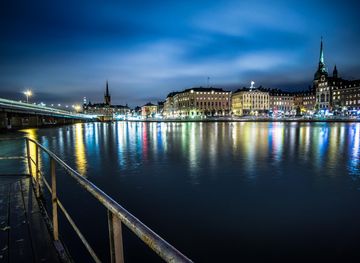
Looking beyond Halland? Discover Sweden for broader travel guides, local hot-spots, and regional highlights.
Explore SwedenHalland in Photos
Browse through our photo collection highlighting the charm and character of the destination.


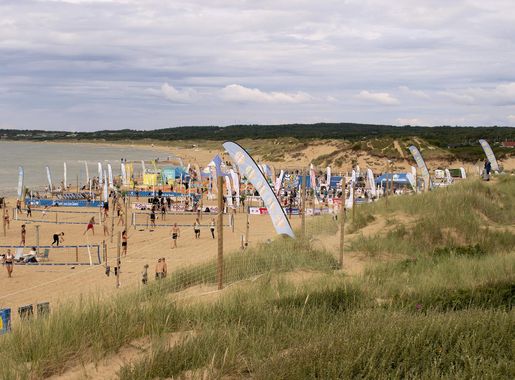


Halland: Sweden's Coastal Gem
Halland, situated on Sweden's picturesque west coast, offers an enchanting blend of natural beauty, rich history, and vibrant culture. Known for its sandy beaches, lush forests, and scenic countryside, Halland is a haven for outdoor enthusiasts and nature lovers. The coastline is dotted with charming seaside towns like Halmstad and Varberg, each with its unique character and attractions. Halmstad, the region's largest city, is famous for its vibrant arts scene and historic sites, including the medieval Halmstad Castle and the beautiful St. Nikolai Church. The city also boasts a variety of restaurants and cafes, offering delectable local cuisine and fresh seafood. Varberg, with its well-preserved fortress and therapeutic spa facilities, is a perfect spot for relaxation and rejuvenation. For those interested in outdoor activities, Halland offers numerous opportunities for hiking, biking, and fishing. The region's many nature reserves and national parks, such as the stunning Åkulla beech forests, provide ample space for exploration. Halland is also renowned for its rich cultural heritage, with numerous museums, galleries, and annual festivals showcasing the best of Swedish traditions and contemporary art.