Kalmar Castle, Oland Travel Guide
A compact island Renaissance castle where 800 years of Nordic history meet battlements, painted halls and seasonal family events.
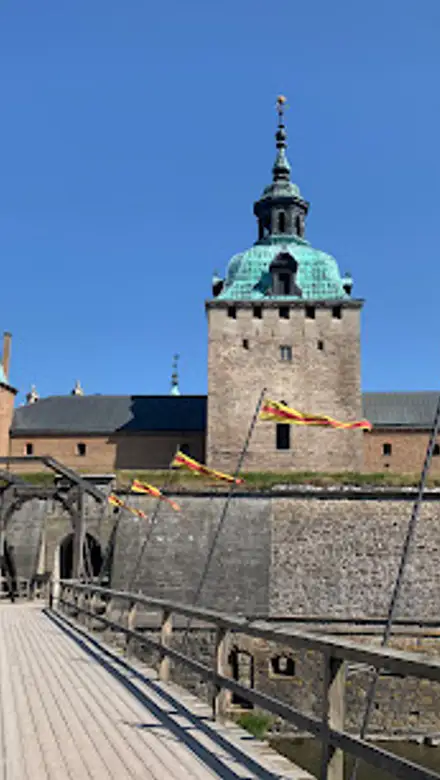
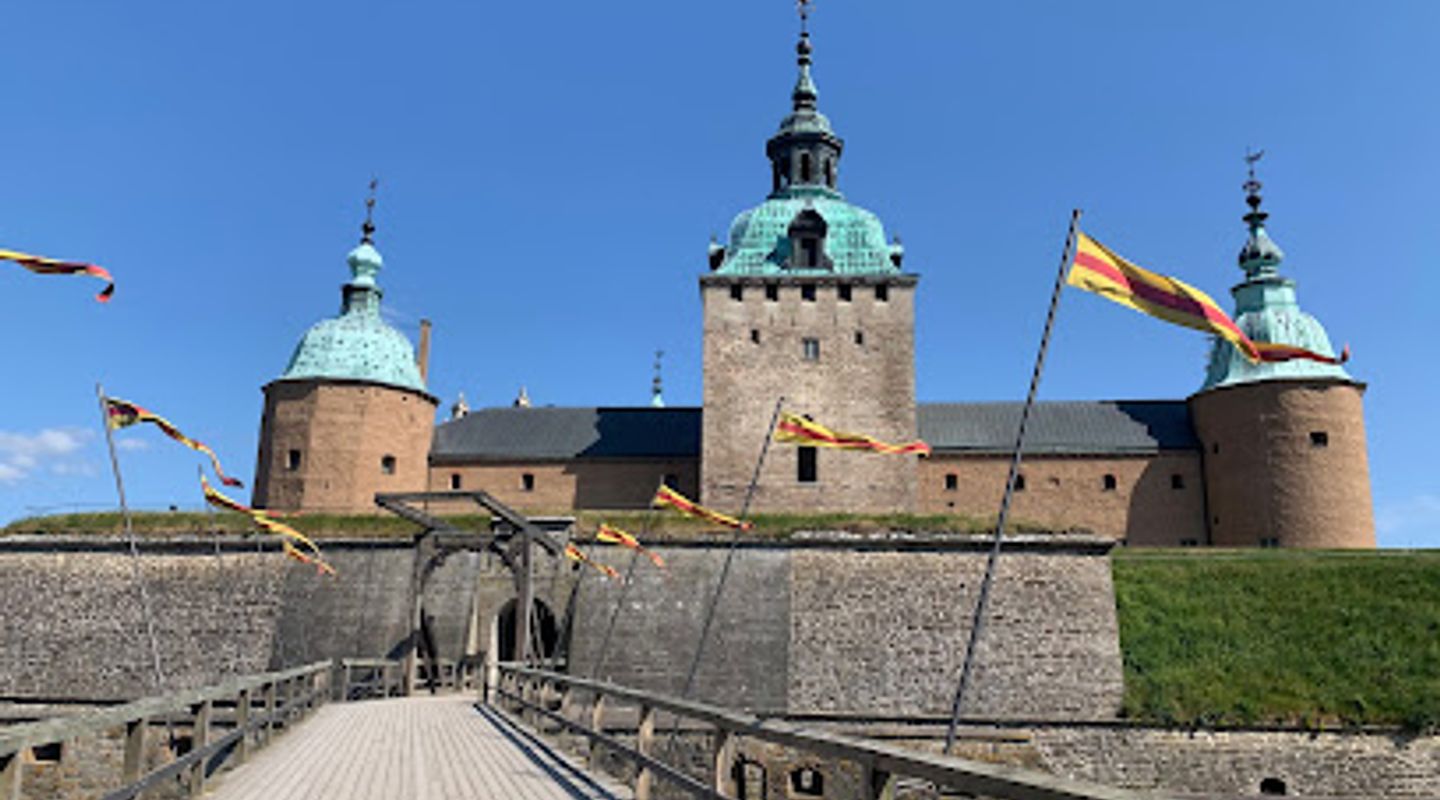
Kalmar Castle (Kalmar Slott) is a remarkably well‑preserved Renaissance fortress set on a small islet in Kalmar harbour, tracing its origins to the 12th century and transformed by the Vasa kings in the 16th century. The site houses museum exhibitions, historic rooms, a family-friendly Children’s Castle programme and seasonal events such as a large Christmas fair; its battlements and gardens offer views across the water and the city’s old quarter.
A brief summary to Kalmar Castle
- Kungsgatan 1, Kalmar, 392 33, SE
- Click to display
- Click to display
- Duration: 1 to 3 hours
- Mid ranged
-
 Mixed
Mixed
- Mobile reception: 4 out of 5
- Monday 10 am-6 pm
- Tuesday 10 am-6 pm
- Wednesday 10 am-6 pm
- Thursday 10 am-6 pm
- Friday 10 am-6 pm
- Saturday 10 am-6 pm
- Sunday 10 am-6 pm

Know before you go
Hi, I'm Eve. Here are a few practical things to know before exploring Kalmar Castle.
- Allow at least 2–3 hours to see the main exhibitions, climb the battlements and spend time in the gardens; summers and special events need more time.
- Check seasonal opening hours before visiting; winter and shoulder seasons have shorter public hours but the castle still hosts special events and group bookings.
- Wear comfortable shoes—stone steps and uneven paving are common inside and around the ramparts.
- Combine the visit with time in Kalmar’s old town; views from the castle walls give a good orientation to the harbour and surrounding streets.
Do you manage this location?
Take control to get all the benefits, like improved information, better appearance, and stronger visibility across AI-powered discovery. Learn more about listing your business on Evendo
Activate your presenceExplore Kalmar Castle on the Map
A handpicked selection of must-see spots near Kalmar Castle, mapped for you.
Getting There
-
Train + Walk
Regional train from Kalmar Central to Kalmar station then a flat 10–15 minute walk across the harbour area; total travel time from the station to the castle area typically 10–20 minutes on foot. Trains on the regional line run frequently but check schedules for early mornings and late evenings; no charge beyond the regional train fare in Swedish krona.
-
Bus
City bus services approach central Kalmar with typical trip times of 10–25 minutes from outer suburbs depending on route; expect regular daytime frequency and reduced service evenings and Sundays. Tickets are bought via local transit apps or on board (card/contactless) and cost in the modest local range for short urban journeys (SEK single‑fare typical).
-
Car / Taxi
Taxi or private car journeys within the Kalmar region typically take 5–20 minutes from central neighbourhoods depending on starting point; parking in the central area near the castle is limited and may be metered or in public car parks—expect weekend demand and occasional event restrictions, and local parking fees in Swedish krona.
For the on-the-go comforts that matter to you
-
 Restrooms
-
 Drink Options
-
 Food Options
-
 Seating Areas
-
 Information Boards
Discover more about Kalmar Castle
Origins and strategic island setting
Kalmar Castle began as a medieval stronghold in the late 12th century and grew into a major defensive and administrative centre because of its position on a tiny islet at the mouth of Kalmar harbour. Its compact footprint—encircled by water and stone—meant the fortification played a decisive role in controlling sea approaches and regional borders for centuries. Archaeological digs around the castle have revealed layers of construction and rebuilding, each phase leaving carved stonework, earthworks and traces of earlier timber defences.Renaissance remodelling under the Vasa kings
In the 1500s the medieval fortress was rebuilt into the red‑brick Renaissance palace visible today. The Vasa monarchs reoriented defensive walls into ceremonial façades, added formal courtyards and richly painted ceilings, and introduced interiors with continental detail. What survives inside—vaulted chambers, oak staircases and decorated halls—reflects the shift from purely military architecture to a residence designed to project power and royal taste while still retaining artillery bastions and curtain walls.Museum displays, curious exhibits and living history
Today the castle houses regional museum exhibitions spanning the site’s 800‑year story: military history, local maritime finds and changing displays about the Swedish realm. The castle’s presentation includes reconstructions and artefacts that make different eras tangible, and curators frequently stage themed displays, talks and temporary exhibitions that draw on the building’s archive and archaeological material.Gardens, battlements and sensory atmosphere
The castle’s small gardens and walkways soften the masonry: clipped beds, old stone paving and sea air give the site a coastal, slightly bracing character. From the ramparts you can sense the harbour’s tidal breath; gull calls and the distant clip of rigging accompany views across water and toward the town’s skyline. Interiors feel cool and dim in contrast—echoing vaults, wooden floorboards warmed by sun through high windows and the faint scent of old timber and wax polish.Seasonal rhythms and family focus
Kalmar Castle operates year‑round but its public life has a seasonal rhythm: summer opens longer visiting hours and family activities such as the Children’s Castle programme, while late autumn and early winter host one of the region’s most atmospheric Christmas fairs. Guided tours and special events—sometimes theatrical or hands‑on—bring particular rooms to life and highlight little details, from painted ceilings to defensive curiosities.Character and cultural significance
Beyond its architecture the castle is a cultural landmark: a place where regional power, maritime trade and Scandinavian politics intersected. Its compact, island-bound form concentrates a layered story of defence, diplomacy and domestic court life. Whether you linger over museum labels, climb the battlements for harbour views or simply sit in the garden listening to the water lap, the castle rewards close-looking: small details in masonry, patched repairs from different centuries and the way light falls across carved stone.












Your all‑in‑one travel companion app
Explore expert travel guides, compare and book tours, experiences, hotels, and more—all from the palm of your hand. Download now for seamless trip planning wherever your wanderlust takes you.


Explore More of Oland
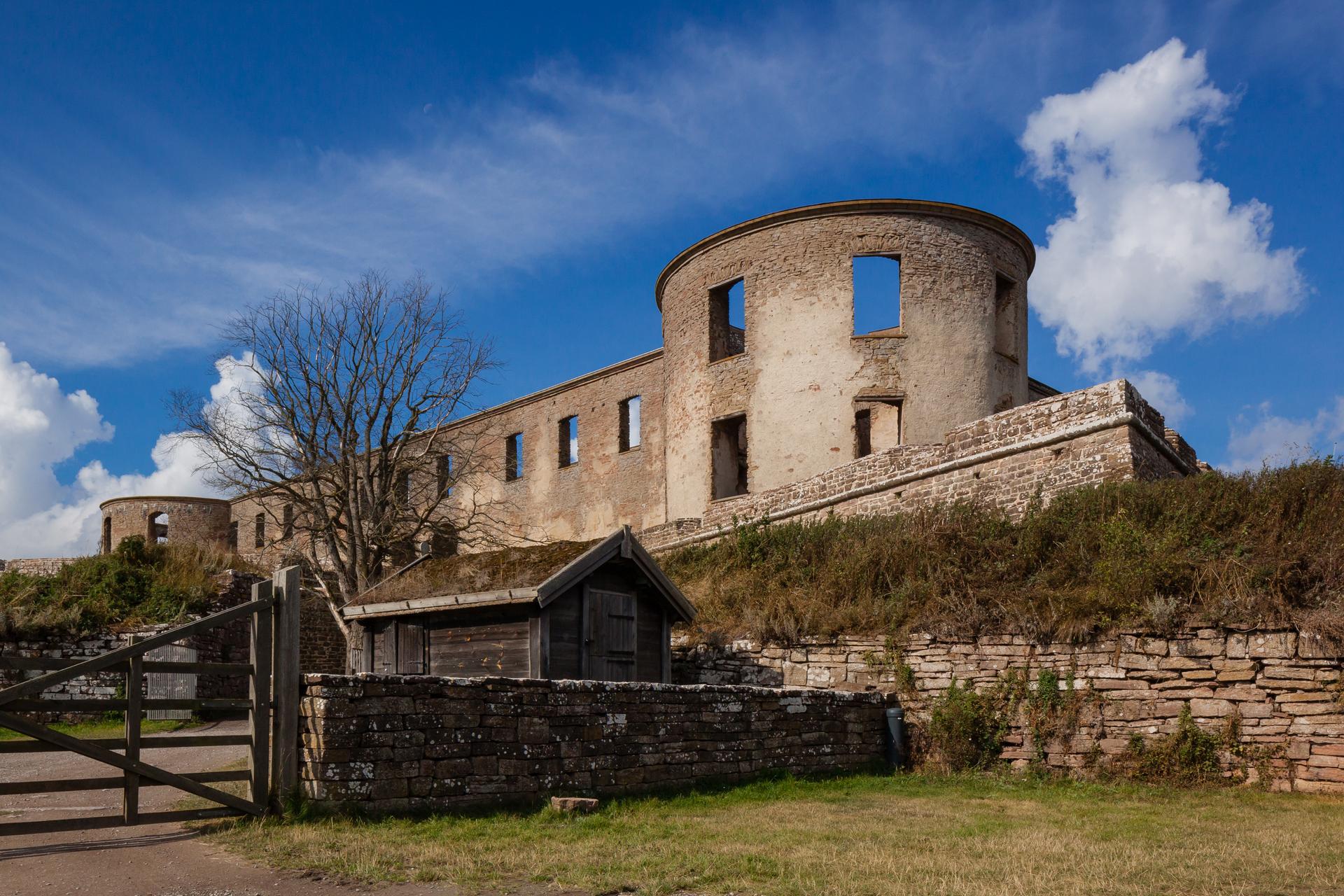
Looking beyond Kalmar Castle? Discover Oland for broader travel guides, local hot-spots, and regional highlights.
Explore Oland