The Match Museum, Jönköping Travel Guide
Free Guide: A compact, atmospheric museum in the original match factory that traces Sweden’s match industry through machines, worker life and thousands of colourful matchbox labels.


A brief summary of The Match Museum
A compact, atmospheric museum in the original match factory that traces Sweden’s match industry through machines, worker life and thousands of colourful matchbox labels.
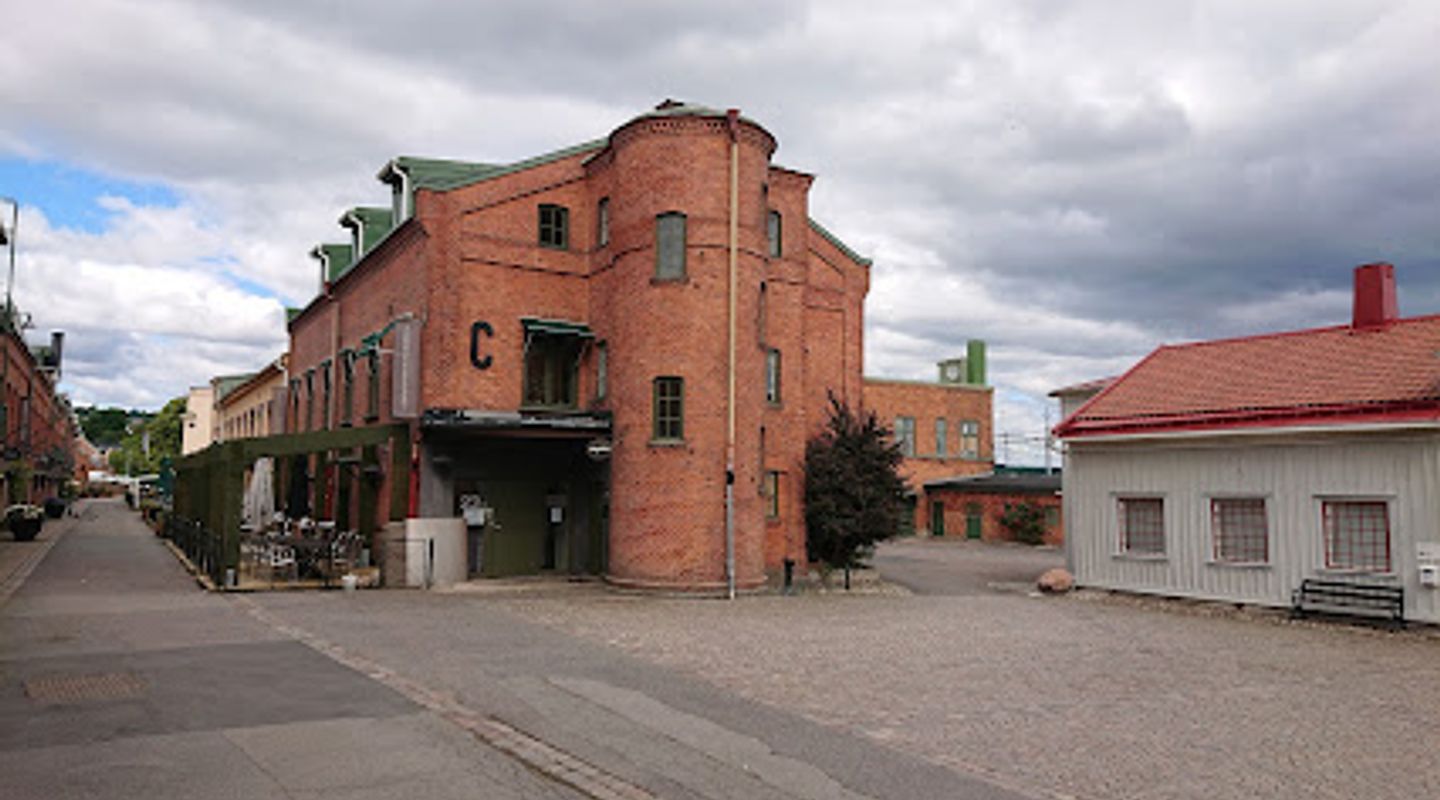
Housed in the original 19th-century match factory, The Match Museum tells the social and industrial story of Sweden’s match industry through preserved machinery, recreated worker interiors and one of the world’s largest collections of matchboxes and labels. Exhibits range from working machines and period rooms to graphic label art and the story of the Match King—making the ordinary match into an unexpected cultural window.
On-site amenities
 Restrooms
 Drink options
 Food options
 Seating areas
 Information boards
Opening hours
- MonClosed
- Tue11 am–3 pm
- Wed11 am–3 pm
- Thu11 am–3 pm
- Fri11 am–3 pm
- Sat11 am–3 pm
- Sun11 am–3 pm
Opening hours as listed on the venue’s Google Business Profile. Hours can change for services and special events, so check with the venue before you go.
- Address
- Tändsticksgränd 27, 553 15 Jönköping
- Phone
- Website
Getting there
Regional bus
Train + short walk
Car or taxi
Discover more about The Match Museum
Origins in a wooden factory by Lake Vättern
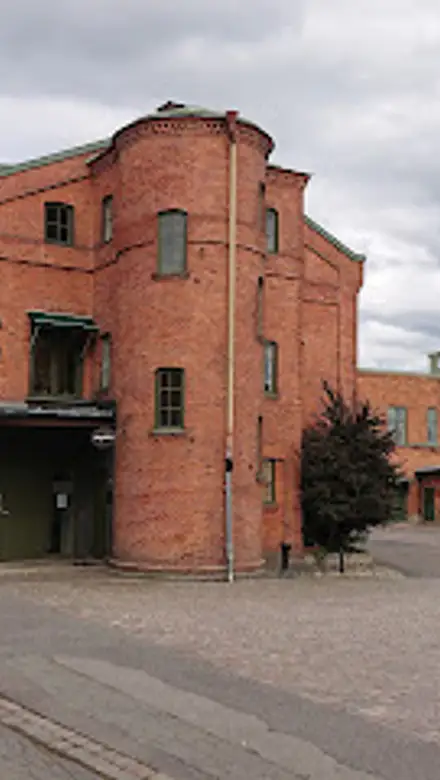
The Match Museum occupies the building that once housed Jönköping’s earliest match production, a wooden factory footprint that dates to the mid-19th century and sits near the southern shore of Lake Vättern. The space itself — low ceilings, timber beams and the rhythm of industrial windows — keeps the sense of place: this was a working site where hand skills and mechanised processes met. Many of the machines in the displays are original or faithful restorations so the building reads as both artifact and container for the objects on show.
Machines, material and the mechanics of ignition
A central focus is the machinery that turned wood and chemical compounds into a mass-produced commodity. Visitors encounter preserved match-making equipment, from cutters and match-head applicators to conveyor apparatus, each explained to show how mechanisation changed output, labour and safety standards. Where possible, the mechanics are presented clearly and visually, so you can see how a simple wooden splint acquired a chemical head and a role in everyday life.
People, households and the matchworkers’ world
The museum gives equal weight to the social history around the industry: model rooms, period photographs and personal objects sketch the lives of families and workers who depended on the factories. Exhibited interiors and documentary material illustrate working conditions, household economies and the rhythms of a community built on match production. That human dimension connects the production line with the town that grew around it.
Graphic design, labels and the small art of the matchbox
One of the museum’s most unexpected strengths is its extensive collection of matchboxes and labels. These tiny canvases document changes in graphic taste, commercial branding and global exchange—ranging from ornate, hand-drawn label art to simple factory stamps. Separate displays explore iconic motifs and the charity-connected history of famous labels, highlighting matches as both utility and cultural object.
Ivar Kreuger and the global match business Shop, small discoveries and sensory details
A compact museum shop offers match-related souvenirs and reproductions that echo the displays; the smell of aged wood and the sight of lacquered match-label graphics linger as you move through the rooms. The scale of the museum encourages a deliberate pace: it rewards close looking, a touch of curiosity about small, everyday objects and an appreciation for how design and labour intersected in a household item. Whether you’re drawn to machinery, social history or graphic design, the museum assembles these strands into a singular local story.
Evendo Review Centre
 Google
Guest reviews
Best time to go
Quietest: Jan, Feb & Dec · before 8am or from 8pm
Busy times are Evendo estimates for a typical year, to help you plan. Actual crowds vary with events, school holidays and the weather.
Explore The Match Museum on the map
A handpicked selection of must-see spots near The Match Museum, mapped for you.
Get your free copy of our complete guide to The Match Museum, delivered straight to you.
Everything on this page, from opening hours and how to get there to Eve’s tips and the best time to go, in one PDF you can read offline, print or share.
Already have an account? Sign in
Your The Match Museum guide is ready.
We'll send it to · Not you? Sign out

Getting your guide ready…
We are putting together a fresh copy of the The Match Museum guide. This can take up to a minute.
This can take a few moments. If your browser asks, choose Allow so the download can start. You'll find the guide in your Downloads folder.
Nothing happened? Download it again
Sorry, the guide is taking longer than usual. Please try again in a minute, or get it by email instead.
Other nearby places you may find interesting
The closest places of the same kind, if this one is not quite what you had in mind.
-
-
-
-
-


Swipe for more places
More to explore near The Match Museum

 Best experiences near The Match Museum
 Best hotels near The Match Museum
 Best landmarks near The Match Museum
 Best attractions near The Match Museum
 Best shops near The Match Museum
 Best restaurants near The Match Museum
 Best bars near The Match Museum
Do you manage this location?
Take control to get all the benefits, like improved information, better appearance, and stronger visibility across AI-powered discovery.
Explore more

Explore more of Jönköping
Discover Jönköping, a captivating blend of natural beauty, historical charm, and modern attractions on the shores of Lake Vättern in Southern Sweden.
Explore Jönköping
Explore more of Sweden
Discover Sweden's breathtaking landscapes, vibrant cities, and rich cultural heritage. From the Northern Lights to historic castles, experience the essence of Scandinavia.
Explore Sweden