Floras Kulle, Kalmar Travel Guide
Earthy bastion remnant rising 6 meters in Kalmar's walled heart, whispering of 17th-century defenses amid cobblestones and sea breezes.
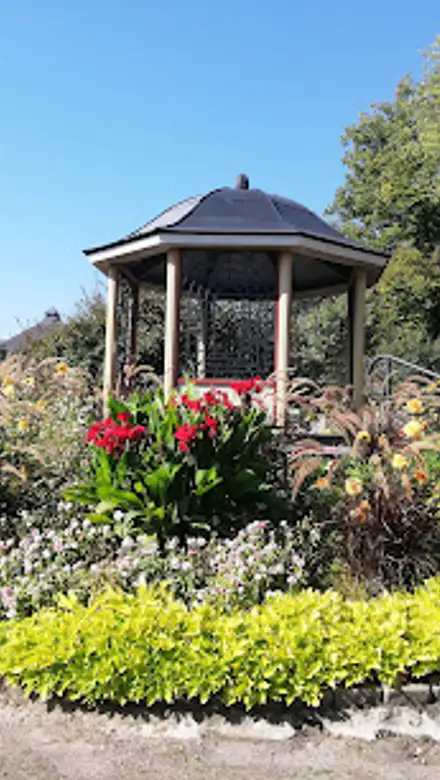
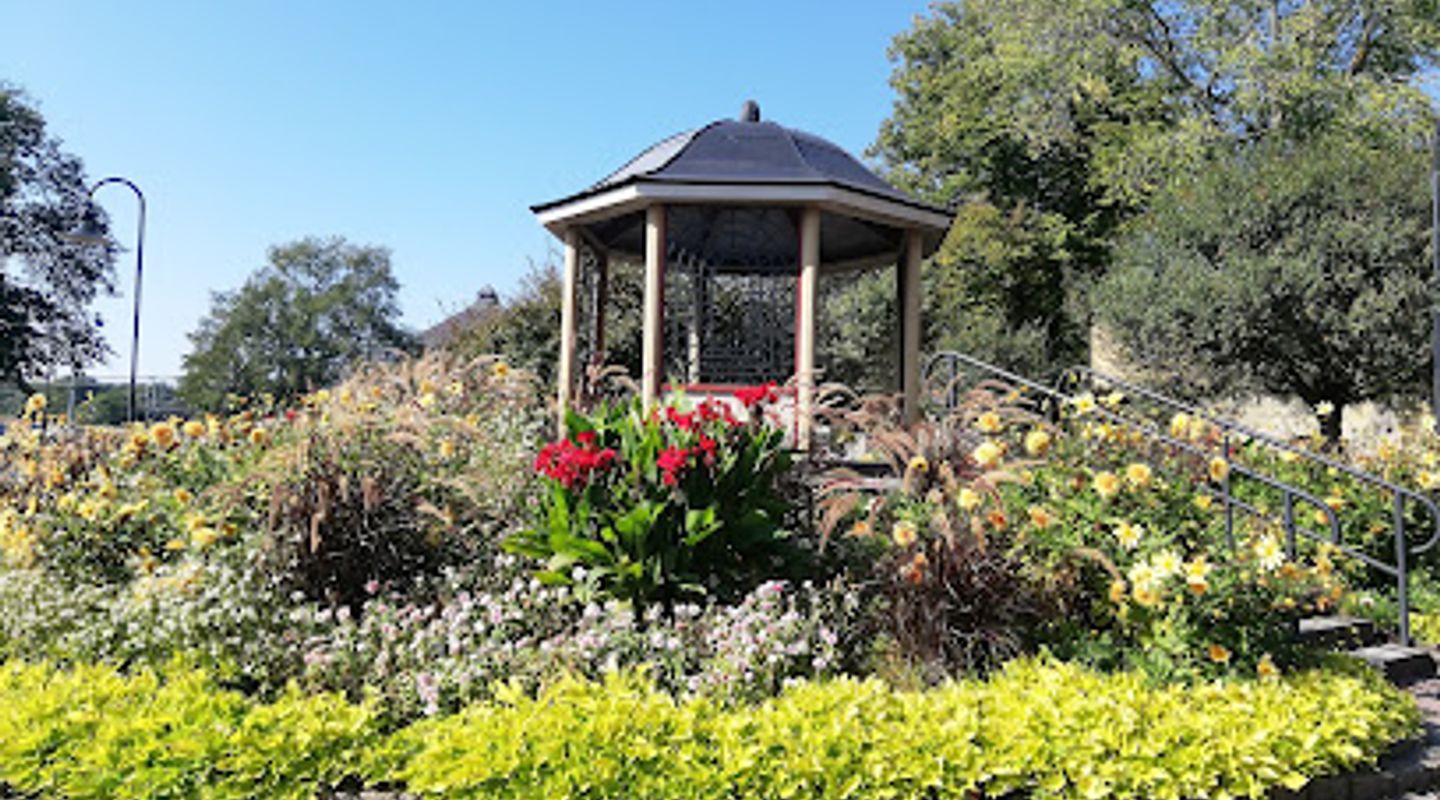
Floras Kulle stands as a striking 6-meter-high mound in Kalmar's historic Kvarnholmen district, remnants of the 17th-century bastion Christina Regina. Demolished in the 1870s during railway expansion, this earthy hill evokes the city's defensive past amid cobblestone streets and preserved walls. Once topped by petrol stations in the 1920s, it now offers a quiet vantage amid urban heritage, blending natural contours with layers of Kalmar's fortifications and daily life.
A brief summary to Floras Kulle
- Kalmar, SE
- Duration: 0.5 to 1.5 hours
- Free
-
 Outdoor
- Mobile reception: 5 out of 5

Know before you go
Hi, I'm Eve. Here are a few practical things to know before exploring Floras Kulle.
- Climb the slopes at dusk for silhouette views against the setting sun over Kvarnholmen rooftops.
- Combine with the Skulpturpromenaden trail to explore nearby wall remnants and sculptures.
- Visit in spring when wildflowers bloom, honoring the site's floral namesake.
Do you manage this location?
Take control to get all the benefits, like improved information, better appearance, and stronger visibility across AI-powered discovery. Learn more about listing your business on Evendo
Activate your presenceOther nearby places you may find interesting
The closest places of the same kind, if this one is not quite what you had in mind.
Explore Floras Kulle on the Map
A handpicked selection of must-see spots near Floras Kulle, mapped for you.
Getting There
-
Walking
From Kalmar Castle, stroll 15-20 minutes southeast through City Park and along the waterfront path; flat terrain with some cobblestones, fully accessible year-round.
-
Bus
Take city bus line 10 or 12 from Stortorget to Kvarnholmen stop, 5-8 minutes travel time; services every 15-30 minutes, single ticket 25-35 SEK.
-
Bicycle
Cycle from Kalmar Cathedral via cycle paths along Larmgatan, 7-10 minutes; bike rentals available nearby for 100-150 SEK per day, secure racks at site.
-
Driving
Drive from main square through Kvarnholmen streets, 3-5 minutes; limited street parking nearby, avoid peak hours to find spots, no dedicated lot.
For the on-the-go comforts that matter to you
-
 Seating Areas
-
 Trash Bins
-
 Information Boards
Discover more about Floras Kulle
Remnants of a Fortress Past
Floras Kulle rises modestly yet imposingly in Kalmar's Kvarnholmen area, a 6-meter earthen mound that traces its origins to the late 17th century. It formed part of the formidable bastion Christina Regina, integral to the defensive walls encircling the city. These fortifications shielded Kalmar during turbulent times, when stone ramparts and earthworks stood against potential invaders along the Baltic coast.By the 1870s, as the railway carved through the landscape, the bastion was systematically dismantled, leaving this solitary hill as a tangible echo of military engineering. The mound's name, evoking the Roman goddess of flowers, adds poetic contrast to its martial roots, suggesting a vision of beauty imposed on defensive terrain.Layered Urban Transformations
In the 1920s, the site adapted to modern needs with petrol stations perched atop the hill, serving the growing automobile era in this coastal Swedish city. These structures marked a shift from fortification to fuel, reflecting Kalmar's evolution from medieval stronghold to industrialized hub. Today, cleared of such additions, the kulle integrates seamlessly into the neighborhood's fabric.Surrounding it are remnants of the city walls, gates like Västerport, and quaint 17th- and 18th-century buildings, creating a living museum of architecture. The hill's grassy slopes invite quiet reflection, contrasting the bustle of nearby Larmtorget and the main square.Archaeological Whispers Beneath
Excavations by Kalmar County Museum have probed the site's depths, uncovering artifacts from pre-bastion eras. These investigations reveal layers of human activity, from potential medieval settlements to the bastion's construction materials—earth, stone, and timber packed for resilience. Such digs highlight how Floras Kulle encapsulates millennia of Kalmar's story.The mound's stability, even after demolition, speaks to the engineers' craft, while modern preservation efforts ensure its role in the Skulpturpromenaden, a sculpture trail weaving through the district's historic points.Green Sentinel in Kvarnholmen
Nestled amid Kvarnholmen's preserved core—the relocated 17th-century city center—Floras Kulle serves as a natural landmark. Its position near Larmgatan places it steps from alarm squares, old cemeteries, and baroque squares, offering elevated views over rooftops toward the sea and distant castle silhouettes.Seasonal grasses and wildflowers cloak the slopes, fulfilling the 'Flora' moniker, while birds nest in crevices, adding life to this static guardian. In winter, light snow caps it like a bastion's parapet, evoking its fortified youth.Enduring Symbol of Change
Floras Kulle embodies Kalmar's resilience: from defense bulwark to railway casualty, commercial outpost, and now heritage feature. It stands unassuming yet profound, a hill where history literally rises from the ground, inviting contemplation on how cities layer their past into present landscapes.












Your all‑in‑one travel companion app
Explore expert travel guides, compare and book tours, experiences, hotels, and more—all from the palm of your hand. Download now for seamless trip planning wherever your wanderlust takes you.


Explore More of Kalmar
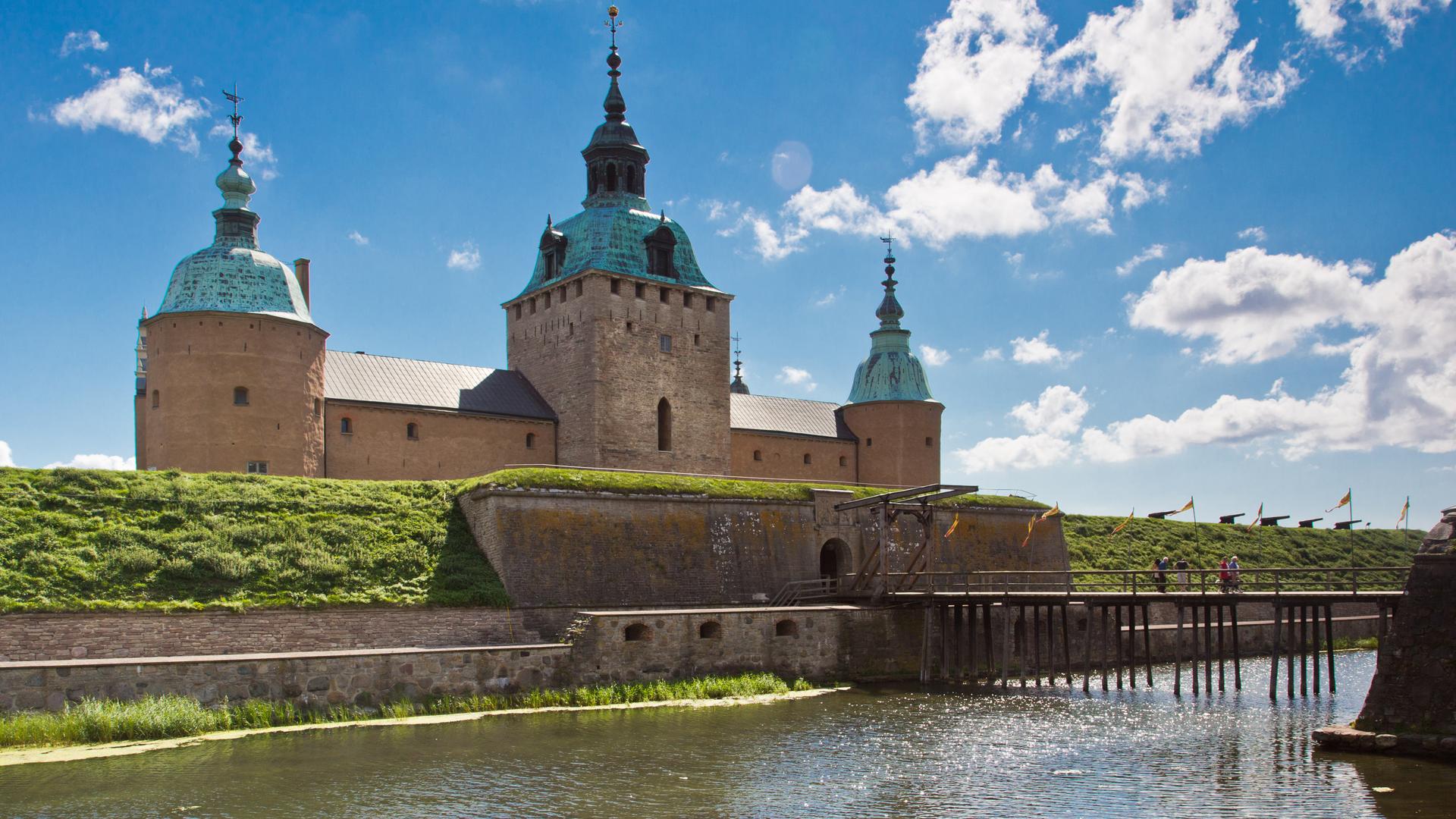
Looking beyond Floras Kulle? Discover Kalmar for broader travel guides, local hot-spots, and regional highlights.
Explore Kalmar
Öland's grandest Iron Age ringfort: a 127m limestone enigma with nine mystic gates, evoking refuge, rituals, and ancient warriors amid windswept ruins.
A compact historic square on Kvarnholmen where theatre, 19th‑century architecture and the Vasabrunnen fountain create a civic stage.