

Lilla torget, Kalmar Travel Guide
Kalmar's intimate 17th-century square, ringed by Karolinska stone houses and the oldest wooden survivor, where history unfolds in quiet architectural harmony.
Lilla Torget is Kalmar's charming little square, encircled by 17th-century Karolinska stone houses and the town's oldest wooden structures. Created in the mid-1600s as part of the new city plan on Kvarnholmen after devastating fires, it showcases preserved architecture like Domprostgården, Dahmska Huset, and Berghs Trähus. A serene historic gem amid the bustling old town, adorned with Arvid Källström's Sjöjungfrun fountain, it invites quiet contemplation of Kalmar's resilient past.
A brief summary to Lilla torget
- Kalmar, SE
- Duration: 0.5 to 1.5 hours
- Free
-
 Outdoor
- Mobile reception: 5 out of 5

Know before you go
Hi, I'm Eve. Here are a few practical things to know before exploring Lilla torget.
- Examine the inscribed portal on Dahmska Huset for Anders Olofsson Bergh's initials, a personal mark from 1666.
- Spot Berghs Trähus, the yellow wooden gem relocated from the old town—Kalmar's oldest surviving timber structure.
- Pause at Sjöjungfrun fountain by Arvid Källström for a moment of calm amid the square's historic embrace.
- Visit in early morning light to appreciate how sunlight reveals textures on the Karolinska facades.
- Note Domprostgården's post-1679 fire alterations, blending resilience with clerical legacy.
Do you manage this location?
Take control to get all the benefits, like improved information, better appearance, and stronger visibility across AI-powered discovery. Learn more about listing your business on Evendo
Activate your presenceOther nearby places you may find interesting
The closest places of the same kind, if this one is not quite what you had in mind.
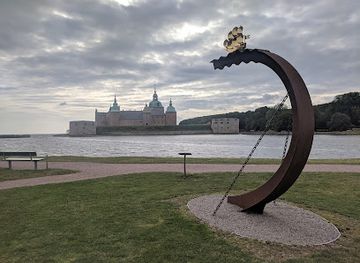
Explore Lilla torget on the Map
A handpicked selection of must-see spots near Lilla torget, mapped for you.
Getting There
-
Walking
From Stortorget, 5-7 minutes on flat cobbled paths through pedestrian lanes; fully accessible, no elevation changes.
-
Bus
Kalmar Länstrafik local buses from central stops to nearby Norra Långgatan, 3-5 minutes travel, runs every 15-30 minutes daytime, single ticket 25-35 SEK.
-
Bicycle
City bikes via Kalmar's shared system from cathedral area, 4-6 minutes on dedicated paths; free first 30 minutes, locks required.
-
Taxi
From Kalmar Centralstation, 5-8 minutes ride, available 24/7 but peak waits possible; fare 100-150 SEK.
For the on-the-go comforts that matter to you
-
 Seating Areas
-
 Trash Bins
-
 Drink Options
-
 Food Options
Discover more about Lilla torget
Origins in Fire and Renewal
Lilla Torget emerged from the ashes of Kalmar's great fires in the mid-17th century. Following the devastating blaze of 1647 that razed the medieval city near the castle, planners relocated the urban core to Kvarnholmen island. Architect Johan Wärnschöld laid out the square in the original city plan around 1650, envisioning a compact public space framed by sturdy stone buildings to withstand future calamities.This strategic positioning near the new fortifications symbolized Kalmar's rebirth as a fortified Baltic outpost, blending defense with daily life.Karolinska Architectural Jewels
Three iconic Karolinska stone houses dominate the square's edges, built in the robust style of Sweden's Caroline era. Domprostgården, completed in 1667 and refined after the 1679 fire, has served as a residence for bishops and clergy since 1791, its facade whispering tales of ecclesiastical continuity.Dahmska Huset, erected in 1666 by fortification engineer Anders Olofsson Bergh, features a striking saddle roof and portal inscribed with his and his wife's initials. Named for later owner Rector OEL Dahm from 1847, it stands as a testament to the builders who reshaped Kalmar.Residenset, constructed around 1660 by Landsbokhållaren Hans Eriksson, passed to the Crown in 1670 for customs operations, its neoclassical lines enduring through centuries.Kalmar's Oldest Wooden Relic
Nestled beside Dahmska Huset, Berghs Trähus claims the title of Kalmar's oldest wooden house. Originating in the old town post-1647 fire, Anders Olofsson Bergh relocated it here in the late 1600s. This petite yellow structure, spared from later conflagrations, offers a rare glimpse into vernacular timber framing amid stone solidity.Its survival highlights the ingenuity of relocation during Kalmar's turbulent rebuilds, preserving a fragment of pre-fire domestic life.Fountain and Everyday Echoes
At the square's heart, Arvid Källström's Sjöjungfrun fountain depicts a mermaid, adding a whimsical sculptural focal point. Nearby, a neoclassical building once housed Brauns Konditori until 1972, its legacy of pastries evoking the square's role as a social hub.Today, shops like H&M occupy spaces, blending historic shells with modern commerce, while the open plaza fosters casual gatherings under Kalmar's wide skies.Square's Enduring Spirit
Lilla Torget's intimacy contrasts with grander Stortorget, drawing those seeking unhurried exploration. Framed by buildings that dodged the era's major fires, it encapsulates Kalmar's layered history—from fortification hub to serene enclave. Seasonal light plays across weathered stones, inviting reflection on the city's evolution from medieval trading post to Baltic heritage site.












Your all‑in‑one travel companion app
Explore expert travel guides, compare and book tours, experiences, hotels, and more—all from the palm of your hand. Download now for seamless trip planning wherever your wanderlust takes you.


Explore More of Kalmar
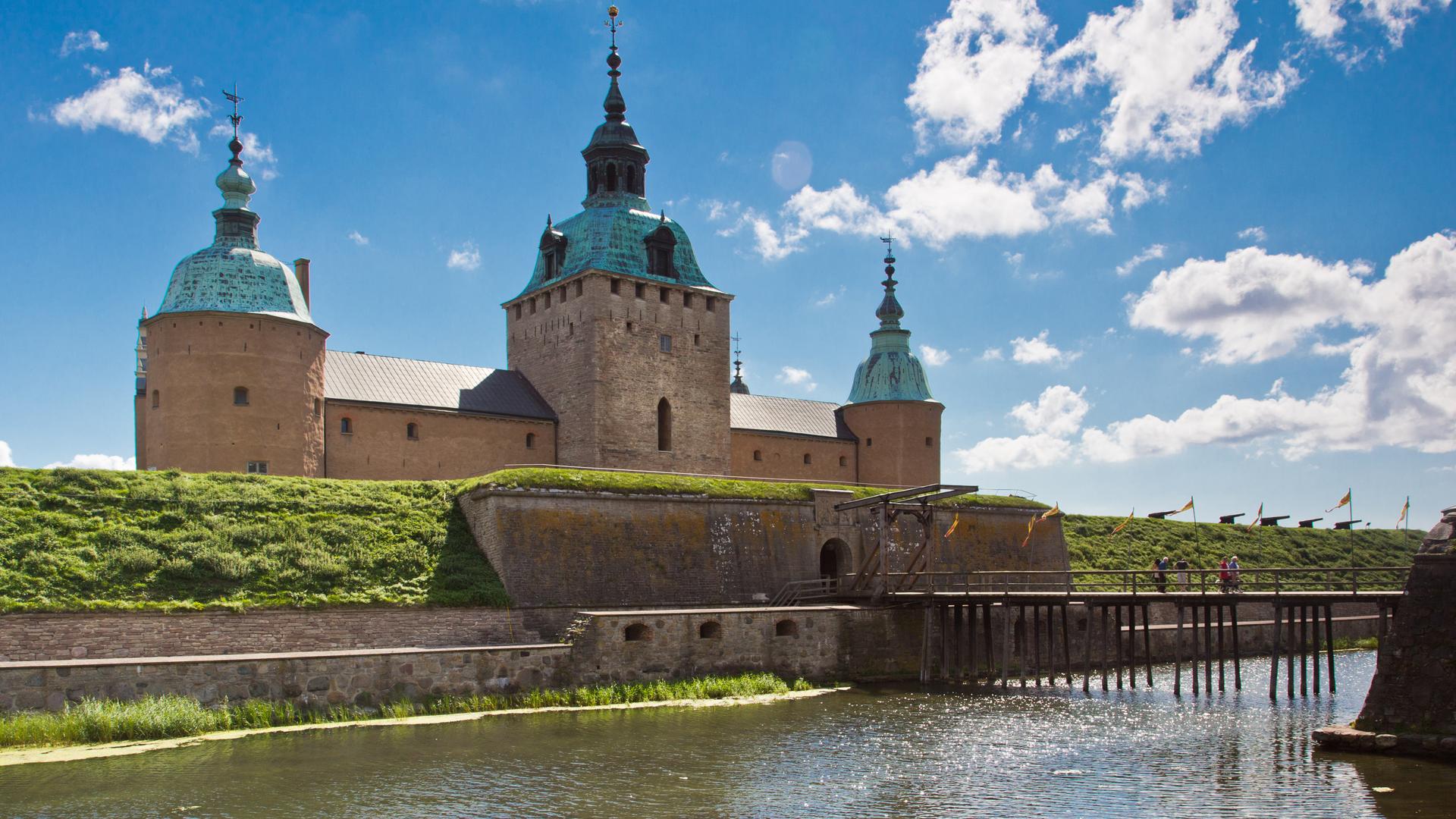
Looking beyond Lilla torget? Discover Kalmar for broader travel guides, local hot-spots, and regional highlights.
Explore Kalmar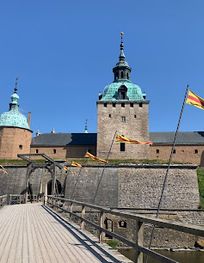
A compact island Renaissance castle where 800 years of Nordic history meet battlements, painted halls and seasonal family events.
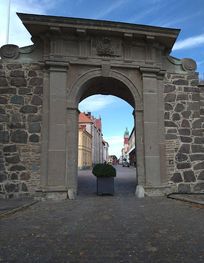
Walk Kalmar's resilient 17th-century walls on Kvarnholmen—ancient defenses blending history, harbor views, and urban charm in Sweden's storied southeast.
