
Ismantorp Fortress, Oland Travel Guide
Öland's grandest Iron Age ringfort: a 127m limestone enigma with nine mystic gates, evoking refuge, rituals, and ancient warriors amid windswept ruins.
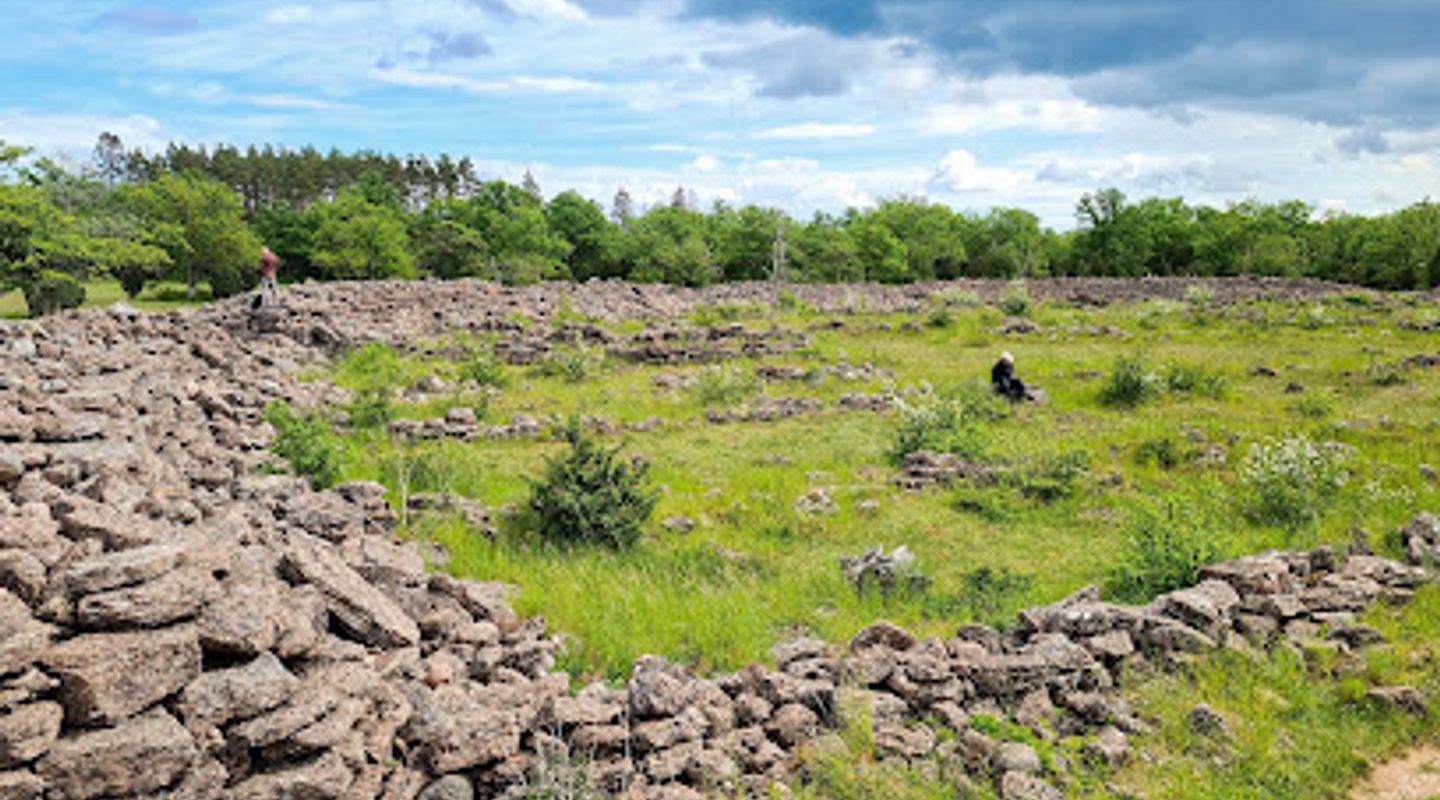
Ismantorp Fortress stands as the largest and oldest ringfort on Öland, a prehistoric limestone enclosure built around 200 CE during the Migration Period. Spanning a 127-meter diameter with 3-4 meter high walls, it features nine gates and 88-95 house foundations arranged in 12 blocks around a central open area. Visited by Carl Linnaeus, this enigmatic site sparks debate over its role as refuge, ritual center, or warrior initiation ground, set amid Öland's windswept landscapes.
A brief summary to Ismantorp Fortress
- ISMANTORPS BORGVÄG 1, Borgholm, 387 93, SE
- Click to display
- Duration: 0.5 to 1.5 hours
- Free
-
 Outdoor
- Mobile reception: 4 out of 5

Know before you go
Hi, I'm Eve. Here are a few practical things to know before exploring Ismantorp Fortress.
- Wear sturdy shoes for uneven stone terrain and potential muddy paths after rain.
- Visit at dawn or dusk for softer light illuminating the circular layout and fewer shadows.
- Bring insect repellent in summer, as the open site attracts midges near surrounding woods.
- Combine with nearby Gråborg or Eketorp for a full day of ringfort exploration.
Do you manage this location?
Take control to get all the benefits, like improved information, better appearance, and stronger visibility across AI-powered discovery. Learn more about listing your business on Evendo
Activate your presenceOther nearby places you may find interesting
The closest places of the same kind, if this one is not quite what you had in mind.
Explore Ismantorp Fortress on the Map
A handpicked selection of must-see spots near Ismantorp Fortress, mapped for you.
Getting There
-
Car
Drive from Borgholm center via Route 136 southbound, 20-25 minutes through open countryside; free roadside parking at site entrance, ample spaces but fills on peak summer weekends.
-
Bus
Take Ölandståg regional bus from Borgholm station to Ismantorp stop, 30-40 minutes with hourly frequency May-September; alight at marked trailhead, 10-minute walk on flat gravel path; adult fare 40-60 SEK.
-
Bicycle
Cycle Ölandsleden trail from Borgholm, 12-18 km south along dedicated paths, 45-70 minutes depending on wind; bike rentals available in town, secure at site racks; suitable for hybrids, exposed to coastal gusts.
-
Walking
Hike from Gråborg ringfort trail junction, 4-5 km northeast through nature reserve, 1-1.5 hours on marked paths with gentle elevation; best for fit walkers, carry water as no facilities en route.
For the on-the-go comforts that matter to you
-
 Trash Bins
-
 Information Boards
-
 Seating Areas
Discover more about Ismantorp Fortress
Prehistoric Enigma in Limestone
Ismantorp Fortress emerges from Öland's rugged interior as a colossal circular bastion of dry-stacked limestone, its walls once rising 3-4 meters to enclose a 127-meter diameter. Constructed around 200 CE in the Migration Period and abandoned by 650 CE, it dwarfs other ringforts with 88 visible house foundations clustered in 12 neat blocks. These low, oval remnants circle a vast central plaza, evoking a vanished Iron Age community amid the island's stark, windswept plains.Nine Gates and Symbolic Design
Nine entrances pierce the fort's perimeter, a number laden with pagan significance, aligning toward a geometric central pit interpreted by some as Urd's Well—the Norse well of fate beneath the world tree. One gate veers uniquely toward a structure, possibly channeling the dead toward mythic realms like Hel or Valhalla. This layout defies easy defense yet mirrors cosmic order, blending martial utility with ritual geometry in a structure never permanently settled.Öland's Ringfort Legacy
One of about 20 ringforts dotting Öland, Ismantorp claims primacy as the largest and likely eldest, built as the Roman Empire waned. Unlike reconstructed kin like Eketorp, it remains raw ruins, unmarred by modern intrusion. Excavations yield scant artifacts—an arrowhead, an iron buckle—hinting at sporadic use for feasts, warrior rites, or safeguarding raids' spoils rather than daily life in this harsh terrain.Carl Linnaeus's Footsteps
In 1741, naturalist Carl Linnaeus traversed Öland, pausing at Ismantorp amid his botanical quests. His visit underscores the site's allure to early scholars, who since the 1600s have puzzled over its purpose. Theories span refuge in turbulent times, fortified villages, or ceremonial hubs reinforcing clan bonds through symposia akin to Norwegian tun sites.Archaeological Debates Unresolved
Mid-20th-century digs by Mårten Stenberger posited refuge; 1970s views saw villages; Anders Andrén in 2006 evoked warrior initiations. Proximity to villages, gate orientations, and minimal domestic traces fuel speculation of elite or temporary functions—training grounds, livestock pens, or raid deterrents. Its martial echo persists in Öland's Iron Age landscape, a silent testament to prehistoric ingenuity.Enduring Allure of the Ruins
Today, Ismantorp invites wanderers to trace its labyrinthine paths, scaling wall remnants for panoramas over Öland's alvar plains. The site's purity—no fees, kiosks, or crowds—preserves an intimate communion with antiquity, where wind whispers through gates and stones hold millennia of unanswered questions.












Your all‑in‑one travel companion app
Explore expert travel guides, compare and book tours, experiences, hotels, and more—all from the palm of your hand. Download now for seamless trip planning wherever your wanderlust takes you.


Explore More of Oland
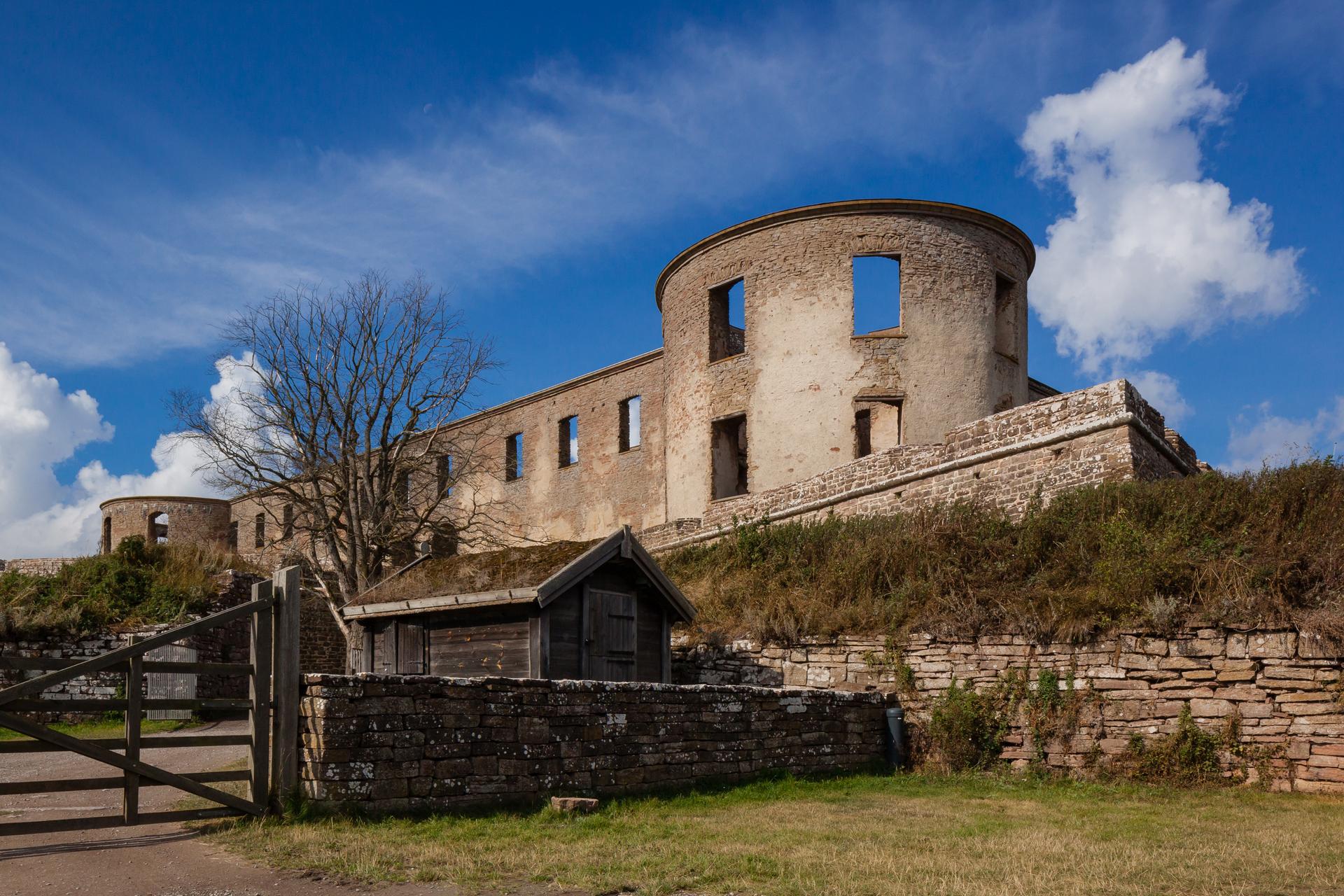
Looking beyond Ismantorp Fortress? Discover Oland for broader travel guides, local hot-spots, and regional highlights.
Explore Oland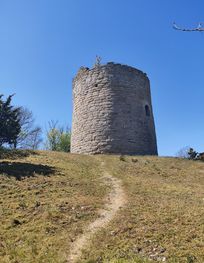
A compact medieval sandstone tower on southern Gotland — stout, tactile and quietly commanding the parish landscape around Burgsvik.
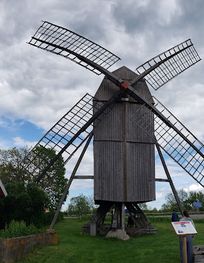
Scandinavia's largest stubbkvarn windmill graces Öland's ridges, pivoting with the winds to reveal centuries of milling mastery and rural serenity.
