Lejonströmsbron, Lapland Travel Guide
Sweden's oldest wooden bridge: a 1737 timber marvel over Skellefteälven, scarred by 1809 battle, blending history with riverside tranquility.
Lejonströmsbron stands as Sweden's oldest preserved wooden bridge, spanning 207 meters over the Skellefteälven river near Skellefteå's historic landskyrka. Built in 1737 by local farmers, this engineering marvel endured floods, wars, and reconstructions, including a pivotal 1809 battle during the Finnish War. Today, it remains open to vehicles, blending heritage with everyday use amid serene riverside scenery.
A brief summary to Lejonströmsbron
- Lejonströmsbron, Skellefteå, 931 64, SE
- Click to display
- Free
-
 Outdoor
- Mobile reception: 5 out of 5

Know before you go
Hi, I'm Eve. Here are a few practical things to know before exploring Lejonströmsbron.
- Examine the north-end storehouses for bullet holes from the 1809 battle—a stark reminder of the site's military past.
- Visit the memorial stone dedicated to the battle for a poignant historical touchstone.
- Cross on foot to appreciate the bridge's wooden beams and the river's gentle flow beneath.
Do you manage this location?
Take control to get all the benefits, like improved information, better appearance, and stronger visibility across AI-powered discovery. Learn more about listing your business on Evendo
Activate your presenceOther nearby places you may find interesting
The closest places of the same kind, if this one is not quite what you had in mind.
Explore Lejonströmsbron on the Map
A handpicked selection of must-see spots near Lejonströmsbron, mapped for you.
Getting There
-
Bus
Take Skellefteå bus line 1 or 2 from city center to Landskyrkan stop, 20-25 minutes, frequent service every 15-30 minutes daily, adult fare 25-35 SEK.
-
Car
Drive from Skellefteå center via Route 352, 10-15 minutes, free roadside parking near north end, watch for narrow bridge constraints limiting heavy vehicles.
-
Walking
Walk from Skellefteå landskyrka along riverside path, 10-15 minutes on flat terrain, fully accessible year-round except potential winter ice.
-
Taxi
Taxi from Skellefteå train station, 10-12 minutes, available 24/7 with advance booking advised in rural hours, 150-250 SEK for up to 4 passengers.
For the on-the-go comforts that matter to you
-
 Drinking Water
-
 Seating Areas
-
 Trash Bins
-
 Information Boards
Discover more about Lejonströmsbron
Origins Amid River Crossings
For centuries, the Skellefteälven river served as a vital barrier near Skellefteå landskyrka, the parish's spiritual heart since the 1300s. Pilgrims, traders along the ancient Norrstigen path, and locals relied on rowboats to cross until necessity demanded a permanent link. In 1735, the local court decreed the construction of Stora bron, funded entirely by nearby farmers. Craftsman Carl Spennare led the effort, completing the 267-meter structure on 10 stone piers by 1737. This ambitious project marked a triumph of communal resolve over the river's fierce currents.Trials of Nature and Renewal
Disaster struck early: ice floes ravaged the bridge in 1755, and floods obliterated it in 1772 or 1773. Rebuilt swiftly with 12 stone piers, it endured major repairs in 1838 and extensive overhauls during the 1860s and 1870s, replacing wooden supports with stone. Shortened to 207.5 meters in the 1920s-1930s by earth embankments, the bridge retained its wooden essence. Renamed Lejonströmsbron after a nearby sawmill operational from 1780 to 1905, it was closed to general traffic post-1913 upon the Parkbron opening in town, only reopening for cars in the 1930s.The Fiery Clash of 1809
On May 15, 1809, amid the Finnish War's final throes—the last conflicts on Swedish soil—Lejonströmsbron became a battlefield. Retreating Swedish forces, outnumbered by advancing Russians, partially demolished the span to delay the enemy. Intense gunfire echoed as Russians crossed the ice-covered river, pursuing Swedes to Yttervik where many surrendered. Bullet-pocked storehouses at the north end and a memorial stone stand as silent witnesses to the chaos, claiming over 130 Swedish casualties.Engineering Legacy and Daily Life
Early tolls funded upkeep: a pedestrian paid 1 öre, a horse-drawn cart up to 12 öre, collected by a former ferryman in a roadside hut until 1850. A 1868 speed limit fined reckless crossers five riksdaler. Declared a protected building in 1994, the 5-meter-wide bridge harmonizes 18th-century timber craftsmanship with modern passage. Its survival through ice, war, and time underscores northern Sweden's resilient spirit.Riverside Setting and Surroundings
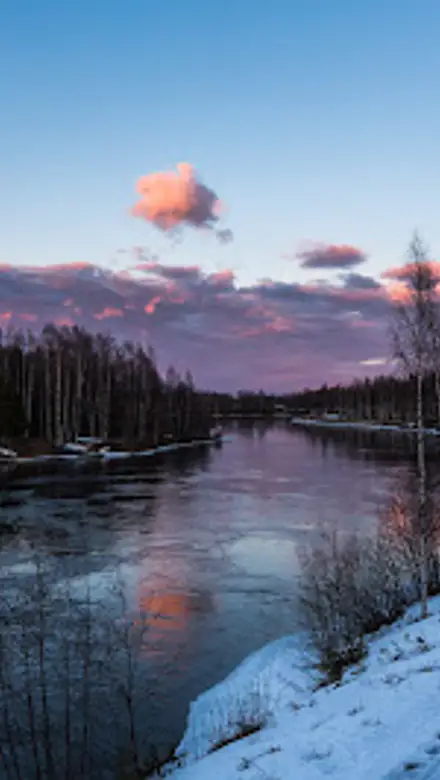
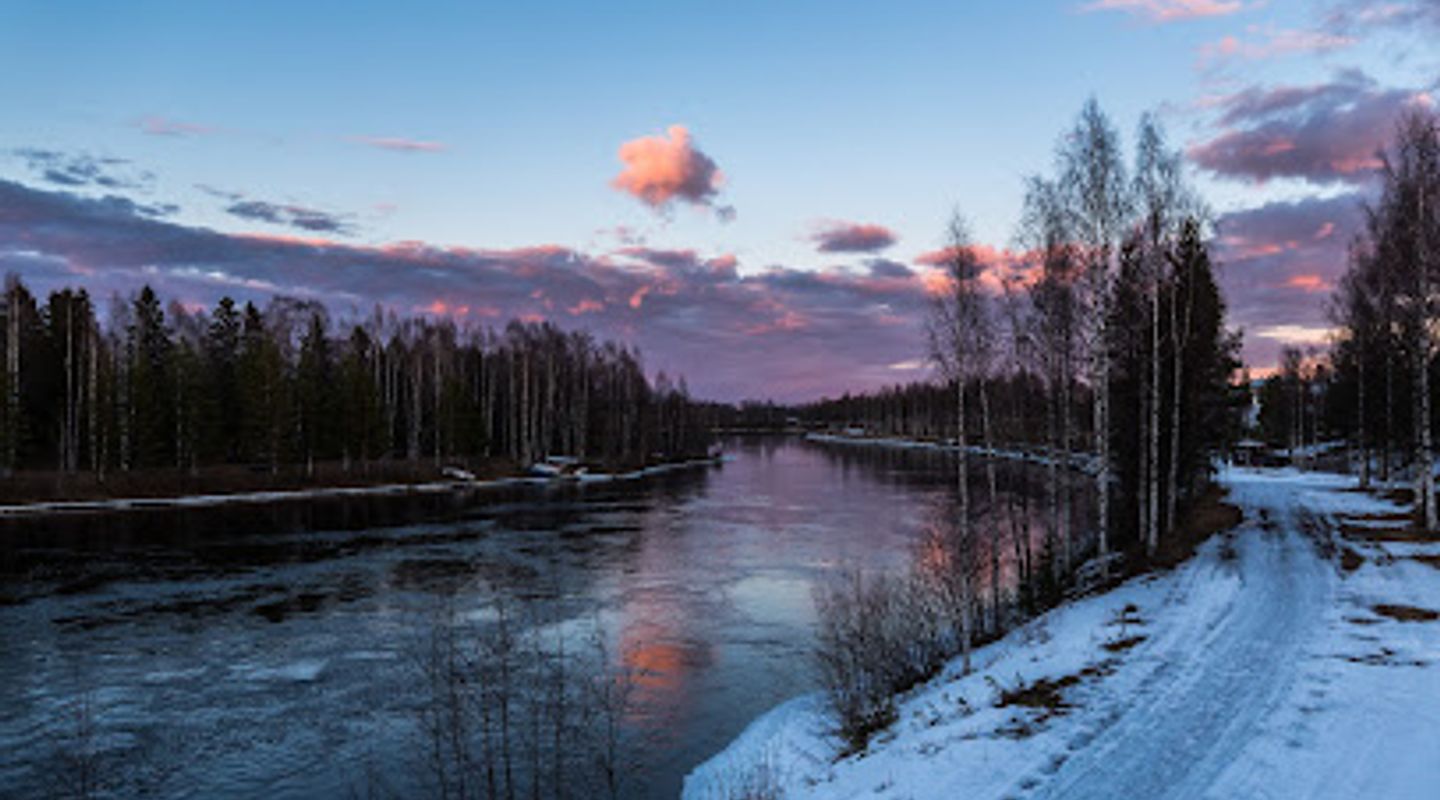
Nestled between Sunnanå and Prästbordet districts, Lejonströmsbron frames views of flowing waters, wooded banks, and the landskyrka's silhouette. The structure's weathered planks creak underfoot, evoking eras past while accommodating today's traffic. Nearby heritage elements, like the sawmill site's echoes, enrich the scene, inviting reflection on how this span connected communities across the boreal landscape.












Your all‑in‑one travel companion app
Explore expert travel guides, compare and book tours, experiences, hotels, and more—all from the palm of your hand. Download now for seamless trip planning wherever your wanderlust takes you.


Explore More of Lapland

Looking beyond Lejonströmsbron? Discover Lapland for broader travel guides, local hot-spots, and regional highlights.
Explore Lapland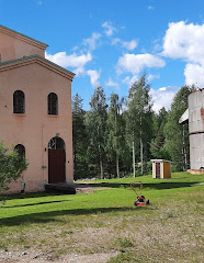
Discover Norrbotten's oldest hydroelectric gem: Sikfors Gamla Kraftstation, where Piteälven's force fueled Sweden's industrial dawn amid pristine northern wilderness.
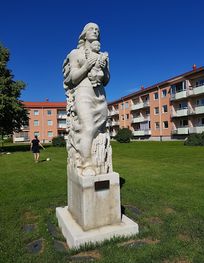
Tribute to Västerbotten's trailblazing women: a sculpture embodying strength, history, and northern resilience in Skellefteå.