

Free Lapland Travel Guide & Mobile App
Explore Lapland with free travel guides. Discover regional history, expert tips, proposed trips, and audio guides on web or mobile app.


Explore Swedish Lapland for northern lights, Sámi culture, mountain wilderness, reindeer traditions and Arctic adventures across Sweden’s far north.
Read more about Lapland
When is the best time to visit Lapland?
Best: June–August · 15–20°C| Month | High (°C) | Rainfall (mm) |
|---|---|---|
| January | -5 | 40 |
| February | -4 | 30 |
| March | 0 | 30 |
| April | 5 | 30 |
| May | 10 | 30 |
| June (best) | 15 | 40 |
| July (best) | 20 | 50 |
| August (best) | 20 | 50 |
| September | 15 | 40 |
| October | 10 | 40 |
| November | 5 | 40 |
| December | 0 | 40 |
Getting to and around Lapland
How to get there
Transportation
Top city travel guides in Lapland
The cities of Lapland, and the easiest places to base yourself.
-

-


Swipe for more cities
Destinations in Lapland
Resorts, valleys and scenic spots worth a trip of their own.
-

-
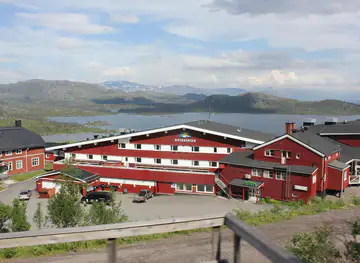
-
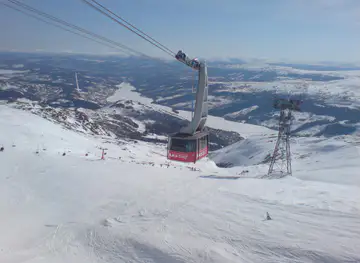
-

-

-


Swipe for more destinations
Best attractions in Lapland
Swedish Lapland's attractions range from high mountain wilderness to working northern communities. In the Kiruna area, the Icehotel at Jukkasjärvi is a seasonal architectural project rebuilt from river ice, while nearby routes lead towards Abisko National Park and the trails of the Scandinavian Mountains. The Abisko region is known for accessible valley walks, mountain scenery and the Kungsleden long-distance trail. Farther south and west, Sarek and Padjelanta national parks offer demanding, roadless trekking, while Muddus National Park protects old-growth forest, marshes and waterfalls. Around Jokkmokk, museums, cultural institutions and seasonal markets provide context for Sámi life and the landscape of Sápmi. The rivers and forests support canoeing, fishing, wildlife watching and winter activities such as dog sledding and snowmobiling, usually with local guides. Inland towns including Gällivare, Arjeplog and Arvidsjaur provide access to lakes, fell country and outdoor excursions, while coastal Norrbotten and Luleå can be added for historic settlement and archipelago experiences. The strongest appeal lies in the contrast between remote nature, Indigenous culture, mining communities and carefully planned outdoor travel rather than in a concentration of conventional sightseeing venues.
-
Tourist attraction
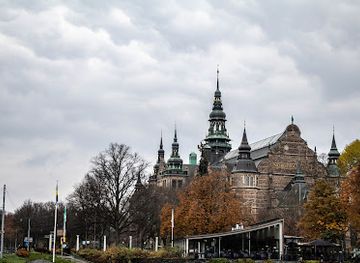
Nordiska museet
Discover 500 years of Nordic everyday life in a Renaissance castle on Stockholm's green Djurgården – artifacts, stories, and immersive exhibits await in this cultural treasure.
-
Tourist attraction
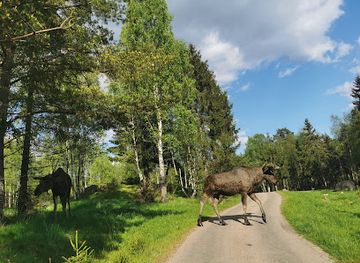
Smålandet Moose Safari
Drive or ride through Sweden's moose heartland: feed giants of the forest, meet mighty bison, savor wild flavors in Småland's ultimate safari escape.
-
Shopping mall
Granby town
Uppsala's bustling shopping haven: stores, eats, entertainment, and community vibes all in one expansive, family-friendly spot.
-
Tourist attraction
Gammelstad Church Town
UNESCO-preserved church village in Swedish Lapland: red cottages cluster around a medieval stone church, embodying northern Scandinavia's unique heritage of faith and endurance.
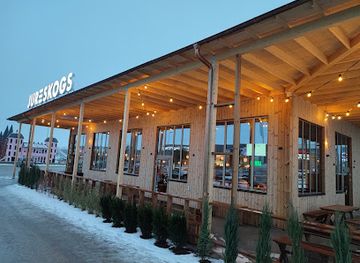
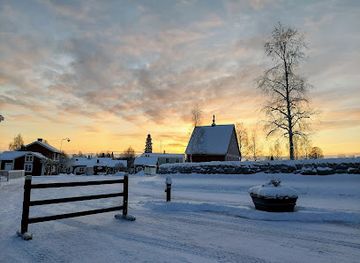
Best landmarks in Lapland
The Icehotel at Jukkasjärvi is one of Swedish Lapland's most recognisable contemporary landmarks, rebuilt from Torne River ice and redesigned through changing artistic collaborations. Kiruna's church, completed in the early twentieth century in a distinctive national-romantic style, reflects the town's mining-era development, while the relocation of parts of Kiruna has become a visible example of how resource extraction continues to shape the built environment. In the mountains, the sharp profile of Kebnekaise, Sweden's highest mountain, is a powerful natural symbol, although reaching its summit requires serious preparation. The Abisko valley and the surrounding fells form another defining landscape, viewed from trails and mountain facilities. Jokkmokk's historic church environment and its winter market are associated with centuries of northern trade and Sámi gatherings. In the wider Norrbotten region, the rapids at Storforsen provide a dramatic river landmark, while Gammelstad church town near Luleå, outside the interior Lapland area but a relevant coastal gateway, preserves a remarkable pattern of church cottages used by rural churchgoers.
-
Tourist attraction
Gammelstad Church Town
UNESCO-listed church village where red cottages huddle around a medieval stone church, embodying 500 years of Nordic faith, community, and Lapland heritage.
-
Bridge
Lejonströmsbron
Sweden's oldest wooden bridge: a 1737 timber marvel over Skellefteälven, scarred by 1809 battle, blending history with riverside tranquility.
-
Tourist attraction
Nederlulea Kyrka
Northern Sweden's grandest medieval stone church, pulsing at the core of UNESCO-listed Gammelstad Church Town with frescoes, organ echoes, and centuries-old pilgrimage vibes.
-
Museum
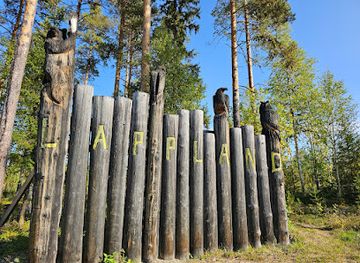
Lapp Land grensmonument
Roadside emblem of Sámi heritage and Lapland's southern frontier, where history meets the wild north along Dorotea's E45 stretch.
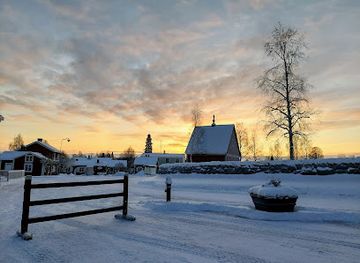
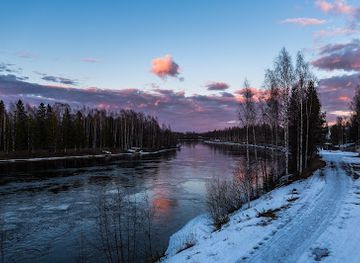
Explore Lapland on the map
Plan your trip on one map. See where the top cities, national parks and sights are, and book hotels and experiences in a few clicks.
Best hotels in Lapland
Best restaurants in Lapland
Food in Swedish Lapland reflects forest, mountain and river environments as well as contemporary Swedish cooking. Reindeer is a prominent regional ingredient, often served with potatoes, berries or sauces, while elk and other game appear seasonally where available. Arctic char, whitefish and other freshwater fish are common in restaurants and local food businesses, and cloudberries, lingonberries, bilberries, mushrooms and herbs add distinctly northern flavours. In Jokkmokk and other communities, visitors may encounter Sámi food traditions, but these should be experienced through businesses that present them respectfully and accurately. Hotels, cafés, bakeries and rural restaurants provide much of the region's dining infrastructure, with more elaborate menus concentrated in larger towns and established mountain resorts. Local produce markets and seasonal events are useful places to find smoked fish, dried meat, berry products and artisan foods. Restaurant opening patterns can be seasonal in small communities, so advance booking and checking service dates is sensible, especially outside the main winter and summer periods.
-
Restaurant
Byske Gästgivargård AB
A family-run riverside guesthouse with homely rooms, a cosy restaurant and easy access to the Byske River and coastline.
-
Restaurant
Bistron
Modern Norrland bistro by Luleå's waterfront: rustic local flavors meet global flair, perfect for theater nights and savory discoveries.
-
Restaurant
The Corner
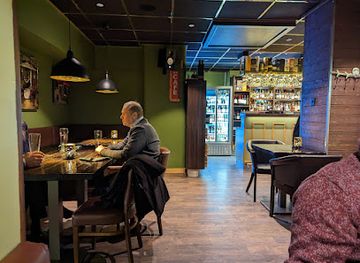
A cosy Torget bistro in central Skellefteå serving northern ingredients, seasonal dishes and a lively bar atmosphere into the evening.
-
Restaurant
Kittelfjäll Värdshus
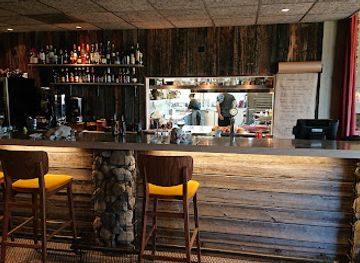
A rustic mountain inn in Kittelfjäll serving regionally rooted food, simple hostel lodging and warm, down‑to‑earth hospitality amid high fells.
Best bars in Lapland
Nightlife in Swedish Lapland is generally low-key and seasonal rather than centred on a large club scene. Kiruna and Gällivare have the broadest choice of pubs, hotel bars, restaurants and occasional live entertainment, while Jokkmokk's evening culture often revolves around cafés, community events and traditional meeting places. Mountain resorts and activity lodges may offer informal bars where visitors and guides gather after skiing, hiking or northern-lights excursions. In smaller settlements, a local pub or restaurant may be the main evening option, and distances make drinking and driving particularly inappropriate. Summer festivals and cultural programmes can bring temporary evening activity, while winter visitors often spend evenings on organised excursions or around accommodation fireplaces. Menus may include Swedish beer, spirits and warming non-alcoholic drinks, and responsible drinking is expected. Current opening arrangements vary considerably by town and season, so visitors should check locally rather than assume late-night service.
-
Cocktail bar
ICEBAR Stockholm by ICEHOTEL
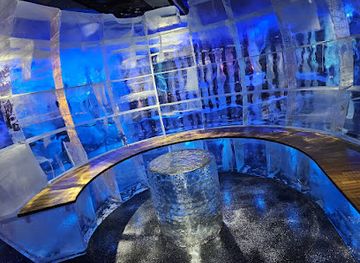
World's first permanent icebar: sip from ice glasses in -5°C sculpted wonderland, rebuilt yearly with Torne River ice. Cape-clad Arctic magic steps from Stockholm Central.
-
Bar
Pharmarium
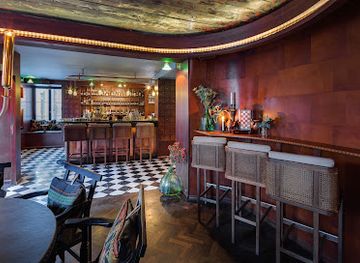
Prize-winning cocktails in a historic apothecary den on Gamla Stan's Stortorget—where mixology meets 16th-century elixir magic in intimate, dimly lit elegance.
-
Pub
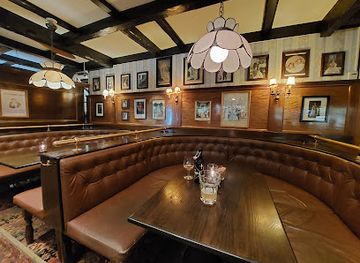
The Bishop's Arms
A traditional English-style gastropub in central Luleå serving an enormous beer and whisky selection paired with hearty, locally influenced pub food.
-
Rock music club
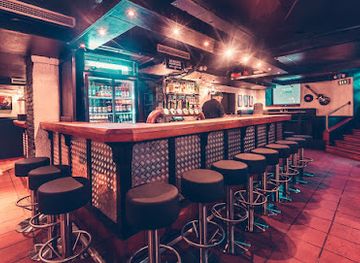
Rockbaren
Gothenburg's ultimate rock haven: live music, cheap pints, hearty eats, and non-stop riffs in a gritty, guitar-lined den near Avenyn.
Best nightclubs in Lapland
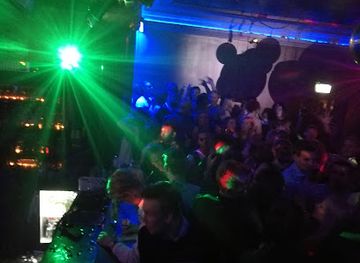
Nightlife in Swedish Lapland is generally low-key and seasonal rather than centred on a large club scene. Kiruna and Gällivare have the broadest choice of pubs, hotel bars, restaurants and occasional live entertainment, while Jokkmokk's evening culture often revolves around cafés, community events and traditional meeting places. Mountain resorts and activity lodges may offer informal bars where visitors and guides gather after skiing, hiking or northern-lights excursions. In smaller settlements, a local pub or restaurant may be the main evening option, and distances make drinking and driving particularly inappropriate. Summer festivals and cultural programmes can bring temporary evening activity, while winter visitors often spend evenings on organised excursions or around accommodation fireplaces. Menus may include Swedish beer, spirits and warming non-alcoholic drinks, and responsible drinking is expected. Current opening arrangements vary considerably by town and season, so visitors should check locally rather than assume late-night service.
-
Night club
Trädgår'n
Göteborg's electrifying entertainment nexus: concerts with Avicii legends, thumping nightclubs, cabaret thrills, and terrace vibes overlooking lush Trädgårdsföreningen park—pure nightlife magic.
-
Night club
Slakthuset
Raw industrial nightclub with electronic beats, multi-room raves, and epic summer rooftop parties in Stockholm's edgy Slakthus district.
-
Night club
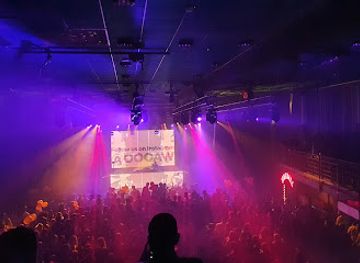
Colosseum Nightclub
Large-scale, late-night clubbing in Johanneshov with an expansive dance floor, big lights and weekend DJ-driven parties.
-
Night club
Excet
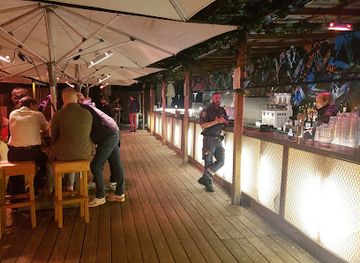
Gothenburg's mega-club on Avenyn: five dance floors, nine bars, rooftop terrace—house, hip-hop, schlager, and hits in one euphoric venue.

Best shops in Lapland
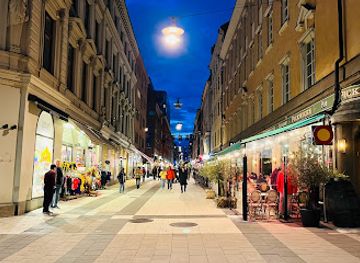
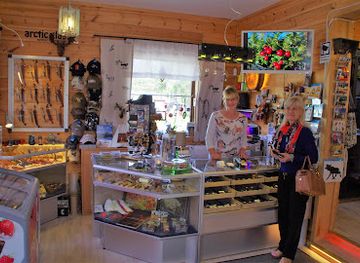
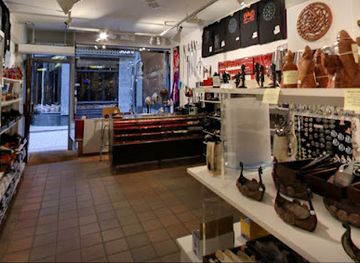
Shopping in Swedish Lapland is focused on useful outdoor goods, food, handicrafts and locally associated products rather than extensive fashion retail. Kiruna, Jokkmokk and Gällivare have the most practical selection of shops, while smaller communities provide basic services and specialist outdoor suppliers. Jokkmokk is particularly important for Sámi handicrafts, known as duodji, including jewellery, textiles, leatherwork, woodwork and reindeer-related materials; buyers should look for makers and businesses that clearly identify the origin of their products rather than assuming that an item is Sámi-made. Winter and summer markets offer smoked fish, dried meat, berry preserves, breads and other northern foods, with the Jokkmokk Winter Market being the best-known large gathering. Art galleries and craft studios sell contemporary work inspired by forests, mountains and local culture. In towns and at airports, visitors may also find outdoor clothing, design goods and packaged regional foods, but remote shops can have limited hours and stock, particularly outside the main tourist seasons.
-
Gift shop
Nordic Design
Discover Scandinavian design mastery at Nordic Designs, where minimalist elegance meets artisanal glass and handicrafts on Stockholm's vibrant Drottninggatan.
-
Stained glass studio
Arctic Glas
Hand‑engraved glass and northern motifs in a cosy studio beside the river — local craft, custom commissions and seasonal hospitality.
-
Jewelry store
Handfaste The Viking Shop
An intimate Gamla Stan shop of hand-forged jewellery, runic amulets and Nordic curios — where craft meets Viking-inspired storytelling.
-
Souvenir store
The Old Town Souvenir
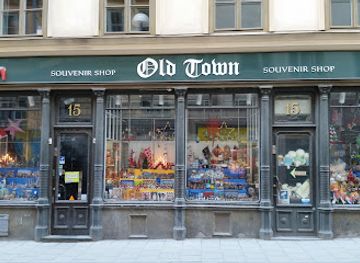
A cosy, crammed Gamla Stan shop filled with Swedish keepsakes and Viking-flavoured curios—perfect for quick gifts and atmospheric browsing.
Get your free copy of our complete guide to Lapland, delivered straight to you.
Everything on this page, from attractions and restaurants to essentials and local phrases, in one PDF you can read offline, print or share.
Already have an account? Sign in
Your Lapland guide is ready.
We'll send it to · Not you? Sign out

Getting your guide ready…
We are putting together a fresh copy of the Lapland guide. This can take up to a minute.
This can take a few moments. If your browser asks, choose Allow so the download can start. You'll find the guide in your Downloads folder.
Nothing happened? Download it again
Sorry, the guide is taking longer than usual. Please try again in a minute, or get it by email instead.
Lapland essentials
Currency and Payment
Safety
Emergency Situations
Do's and Don'ts
Local Tips
From Eve
Local phrases worth knowing
You don't need to get them perfect. A few words go a long way, and locals appreciate the effort.
Basics
| English | Local | Say it |
|---|---|---|
| Hello | Bujdu | [boo-ydoo] |
| Goodbye | Baj lo | [bye loh] |
| Yes | Jah | [yah] |
| No | Ei | [ay] |
| Please/You're welcome | Jah, viellja | [yah, vee-ell-yah] |
| Thank you | Giitu | [gee-too] |
| Excuse me/Sorry | Mii daj | [mee dahy] |
| How are you? | Mii leat? | [mee laat] |
| Fine. And you? | Buorre. Ja du? | [boo-rr-eh. yah doo] |
| Do you speak English? | Leat du inglisk? | [laat doo ing-lisk] |
| I don't understand | Mii inndeaht | [mee in-deh-aht] |
Eating & Drinking
| English | Local | Say it |
|---|---|---|
| I'd like to see the menu, please | Mii gávdnet menu, viellja | [mee gahv-net meh-nu, vee-ell-yah] |
| I don't eat meat | Mii in eat meat | [mee in eet meet] |
| Cheers! | Skál! | [skawl] |
| I would like to pay, please | Mii gávdnet maksa, viellja | [mee gahv-net mahk-sah, vee-ell-yah] |
Emergencies
| English | Local | Say it |
|---|---|---|
| Help! | Bujdu! | [boo-ydoo] |
| Go away! | Gå åv! | [gaw awv] |
| Call the Police! | Váldde poliisi! | [vahl-deh poh-lees-ee] |
| Call a doctor! | Váldde lákare! | [vahl-deh lah-kah-reh] |
| I'm lost | Mii lea njuohta | [mee lay-ah nyo-h-tah] |
| I'm ill | Mii lea bisse | [mee lay-ah bee-sseh] |
Shopping
| English | Local | Say it |
|---|---|---|
| I'd like to buy... | Mii gávdnet oahpá... | [mee gahv-net oh-pah] |
| I'm just looking | Mii in álgga | [mee in ahl-gah] |
| How much is it? | Mii gávdnet mii? | [mee gahv-net mee] |
| That's too expensive | Dát lea muhto dearvva | [daht lay-ah moo-toh dear-vah] |
| Can you lower the price? | Leat du gávdnet dearru? | [lay-at doo gahv-net dear-roo] |
Time & Numbers
| English | Local | Say it |
|---|---|---|
| What time is it? | Mii lea mii? | [mee lay-ah mee] |
| It's one o'clock | Dát lea okta mii | [daht lay-ah ok-tah mee] |
| Half past (10) | Vuoigga (10) | [voo-ig-gah] |
| Morning | Bájján | [baj-yan] |
| Afternoon | Eadnán | [ead-nan] |
| Evening | Eadni | [ead-nee] |
| Yesterday | Báhka | [bah-kah] |
| Today | Dán | [dahn] |
| Tomorrow | Dánš | [dahn-sh] |
| 1 | Okta | [ok-tah] |
| 2 | Kaksi | [kahk-see] |
| 3 | Kolme | [kol-meh] |
| 4 | Njehka | [nyeh-kah] |
| 5 | Vihtta | [viht-tah] |
| 6 | Gávccu | [gahv-tsu] |
| 7 | Čieđi | [chee-dee] |
| 8 | Gávcci | [gahv-tsi] |
| 9 | Čieđi | [chee-dee] |
| 10 | Kymmenen | [kyum-meh-nen] |
Transport & Directions
| English | Local | Say it |
|---|---|---|
| Where's a/the...? | Gåhkku...? | [gaw-kku] |
| What's the address? | Mii lea adresá? | [mee lay-ah ah-dres-ah] |
| Can you show me (on the map)? | Leat du gávdnet muohta? | [lay-at doo gahv-net moo-tah] |
| When's the next (bus)? | Mii lea next (bussi)? | [mee lay-ah next bus-ee] |
| A ticket (to ....) | Ticket (du ...) | [tick-et doo] |
History of Lapland
Ancient Northern Settlement and Sámi Lifeways
People have lived in northern Fennoscandia since the retreat of the last ice sheet, adapting to river valleys, forests, lakes and mountain environments. Over many centuries, Sámi communities developed varied livelihoods that included hunting, fishing, gathering and, later, forms of reindeer herding. The Sámi are the Indigenous people of the region, with distinct languages and local traditions across Sápmi, which extends beyond Sweden into neighbouring countries. Archaeological sites, traditional place names and continuing land-based practices reveal a history that predates the modern Swedish state and remains central to the region's identity.
Medieval Trade and Swedish Expansion
During the medieval period, northern communities participated in trading networks linking the interior, the Gulf of Bothnia and markets farther south. Swedish royal authority gradually extended northwards through taxation, Christianisation and the establishment of administrative and ecclesiastical institutions. Contact was not a simple process of settlement replacing an empty wilderness: it involved changing relationships among Sámi communities, Swedish authorities, farmers, merchants and church organisations. River routes and seasonal markets were vital to this northern economy.
Mining and the Growth of Northern Towns
Mining transformed the economic geography of Swedish Lapland. Iron ore from the Kiruna and Malmberget areas became increasingly important from the nineteenth century, encouraging investment, migration and the construction of railways linking inland mines with ports on the Gulf of Bothnia and the Norwegian coast. Kiruna developed as a planned mining town, while Gällivare and Malmberget grew around extraction and transport. Mining brought employment and infrastructure but also reshaped land use and created long-term tensions over environmental effects and competing rights.
Railways, Forestry and State Infrastructure
The arrival of railways in the late nineteenth and early twentieth centuries connected remote northern settlements with national and international markets. Timber, ore and hydroelectric power became major components of the regional economy, and roads, schools and public administration expanded. These developments strengthened the state's presence in the north while placing pressure on Sámi movement and traditional land use. The transport network also made tourism more practical, particularly around Abisko and the mountain routes served by the railway.
The Recognition of Sámi Rights
Modern Swedish policy towards the Sámi has developed through a difficult history of assimilation, land disputes and changing state regulation. Reindeer-herding rights are associated with Sámi communities, while Sámi organisations have worked to protect language, culture and influence over land and resource decisions. The Swedish Sámi Parliament, established in 1993, represents a significant institutional development, although it is not a fully autonomous parliament. Contemporary visitors encounter this history through museums, cultural centres and debates about mining, forestry, energy and conservation.
Tourism, Wilderness Protection and Outdoor Culture
Organised tourism expanded in the late nineteenth and twentieth centuries as railways and mountain lodges made the northern landscape more accessible. Abisko became an important centre for hiking, scientific observation and nature-based travel, while the Kungsleden and several national parks established Swedish Lapland as a destination for long-distance walking. National-park protection has preserved extensive mountain and forest environments, but conservation exists alongside reindeer herding, resource extraction and local livelihoods. The region's contemporary tourism therefore reflects both wilderness ideals and the realities of inhabited northern landscapes.
The Jokkmokk Winter Market
The annual winter market at Jokkmokk has roots extending back to the seventeenth century, when royal authorities encouraged regular markets and church gatherings in the northern interior. It developed into an important meeting and trading place for Sámi communities and visiting merchants. Today the event combines commerce, cultural programming, handicrafts, food and public discussion, while retaining its role as a significant meeting point in the Sámi calendar. Its longevity illustrates the continuing importance of seasonal gatherings in northern society.
Lapland in Photos
Browse through our photo collection highlighting the charm and character of the destination.
Neighbouring regions of Lapland
The closest regions to Lapland, if you have time for more than one.
-

-
-

-

-


Swipe for more regions
Explore more
Explore more of Sweden
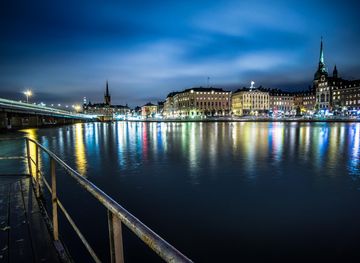
Discover Sweden's breathtaking landscapes, vibrant cities, and rich cultural heritage. From the Northern Lights to historic castles, experience the essence of Scandinavia.
Explore Sweden