Stjärnorps Slottsruin
Echoes of 17th-century glory amid Östergötland's ruins: Stjärnorps Slottsruin blends baroque ambition, fiery tragedy, and modern preservation.
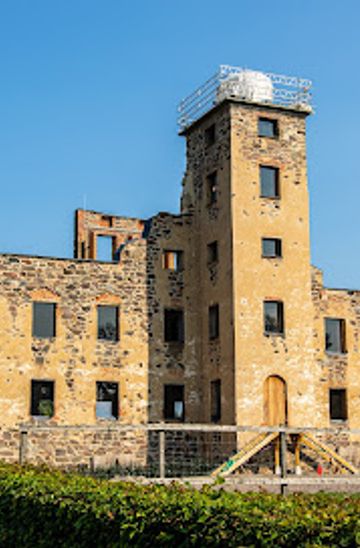
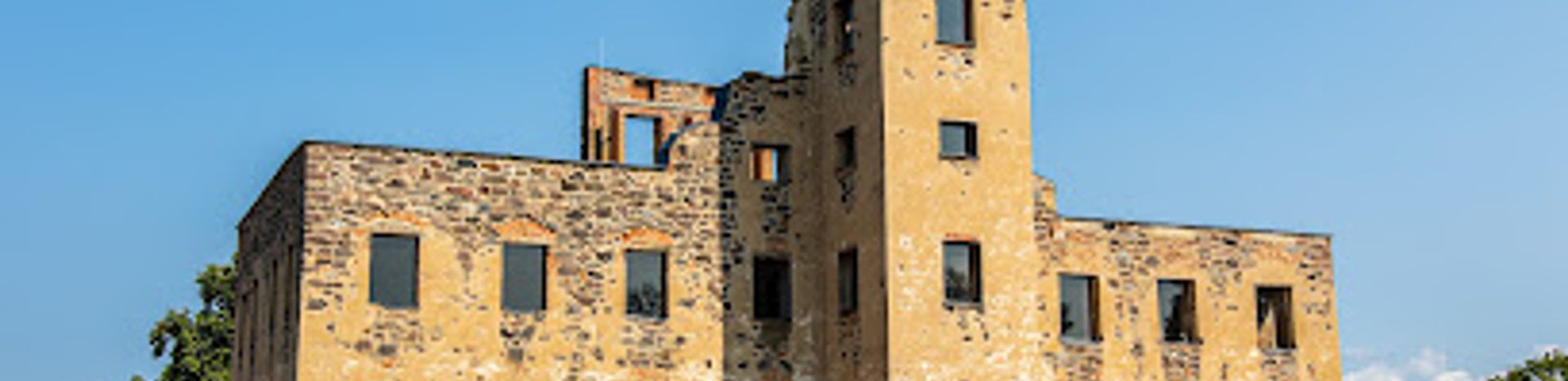
Stjärnorps Slottsruin, a majestic 17th-century castle ruin in Östergötland, was built by Field Marshal Robert Douglas between 1655 and 1662. Designed by Nicodemus Tessin the Elder, its main structure was destroyed by fire in 1789, leaving dramatic stone walls now protected by a modern roof. Owned by the Douglas family, recent restorations blend history with contemporary architecture, offering a poignant glimpse into Sweden's baroque past amid serene rural landscapes near Lake Roxen.
A brief summary to Stjärnorps slottsruin
- Sverige, Vreta Kloster, 585 78, SE
- Duration: 0.5 to 1.5 hours
- Free
-
 Outdoor
- Mobile reception: 4 out of 5

Know before you go
Hi, I'm Eve. Here are a few practical things to know before exploring Stjärnorps slottsruin.
- Visit at golden hour for dramatic lighting on the stone walls and protective roof, enhancing the ruin's photogenic contrasts.
- Explore the chapel in the southern wing, still used for services, to sense continuity from 17th-century worship.
- Pair your visit with nearby Vreta Kloster ruins for a full day of medieval and baroque history.
- Wear sturdy shoes for uneven terrain around the terraced grounds and lakeside paths.
Do you manage this location?
Take control to get all the benefits, like improved information, better appearance, and stronger visibility across AI-powered discovery. Learn more
Activate your presenceOther nearby places you may find interesting
Getting There
-
Bus
Bus 210 from Linköping central station to Vreta Kloster direction, 25-35 minutes, departs hourly, alight at Stjärnorps slott stop then 800m walk on gravel path; single ticket 40-50 SEK.
-
Car
Drive from Linköping via Route 206, 20-25 minutes, free gravel parking at site entrance; limited spaces, arrive early on weekends.
-
Bicycle
Cycle from Linköping on designated paths along Roxen, 45-60 minutes, flat terrain with some gravel; bike racks available, suitable May-September.
-
Taxi
Taxi from Linköping train station, 20-30 minutes, terrain accessible; 400-600 SEK one-way, book ahead for groups.
For the on-the-go comforts that matter to you
-
 Seating Areas
-
 Trash Bins
-
 Information Boards
-
 Picnic Areas
Discover more about Stjärnorps slottsruin
Origins of a Baroque Masterpiece
Stjärnorps Slottsruin stands as a testament to 17th-century Swedish grandeur, constructed between 1655 and 1662 by Count and Field Marshal Robert Douglas, a Scottish-born noble who rose to prominence in Swedish service. Acquired through his marriage to Hedvig Mörner, the site at Högsäter was transformed into an ambitious estate overlooking Lake Roxen. The castle featured a towering four-story main building with a western tower and rooftop balcony, flanked by two-winged structures—one housing residences, the other a chapel with altar, pulpit, organ, and clock tower.Design by Nicodemus Tessin the Elder
The architectural vision came from renowned architect Nicodemus Tessin the Elder, who crafted terraced gardens and a symmetrical layout evoking European baroque ideals. The main edifice rose imposingly, its central garden-side tower spiraling upward, while outbuildings supported daily life and worship. Though Douglas died in 1662 before completion, his widow oversaw continuation, embedding the site in family legacy amid Östergötland's rolling terrain.The Devastating Fire of 1789
Tragedy struck on May 12, 1789, when a fierce blaze engulfed the entire complex in mere hours, reducing the main building, stables, and outhouses to rubble despite desperate efforts with water buckets. The chapel was swiftly rebuilt that year, serving as Stjärnorps parish church from 1810, but funds for the grand structure never materialized, leaving its skeletal stone walls as a haunting ruin. The estate passed through hands, briefly leaving it uninhabited.Restoration and Modern Revival
In recent years, the Douglas family, current owners since 1876, commissioned a sensitive restoration completed around 2020. A discreet protective roof shields the historic masonry without altering its silhouette, while interiors feature elegant corten steel, glass panels fitted to irregular stone, a spiral staircase in the tower, and wooden elements that harmonize old and new. This intervention secures the ruin against further decay, enhancing its role in Östergötland's cultural heritage.Legends and Surrounding Legacy
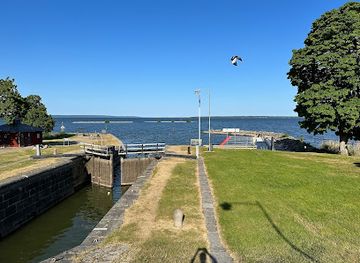
Local lore whispers of a pact between Robert Douglas and comrade Axel Lillie, rivals in building Stjärnorp and Löfstad castles tall enough to signal across the countryside post-Westphalian peace. Nearby Vreta Kloster, Sweden's oldest nunnery ruin from the 12th century, adds layers of medieval history, creating a corridor of time from monastic origins to baroque ambition beside the Göta Canal's sluses.Atmosphere and Enduring Allure
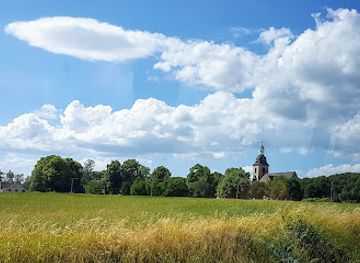
Today, the ruin exudes quiet drama: weathered stones frame vast skies, wild grasses sway in breezes off Roxen, and the protective canopy invites contemplation within. Birdsong and distant water lapping underscore its peaceful isolation, a place where echoes of military glory, architectural innovation, and familial perseverance linger in the air, drawing those seeking Sweden's layered past.Explore the best of what Stjärnorps slottsruin has to offer















More about Ostergotland
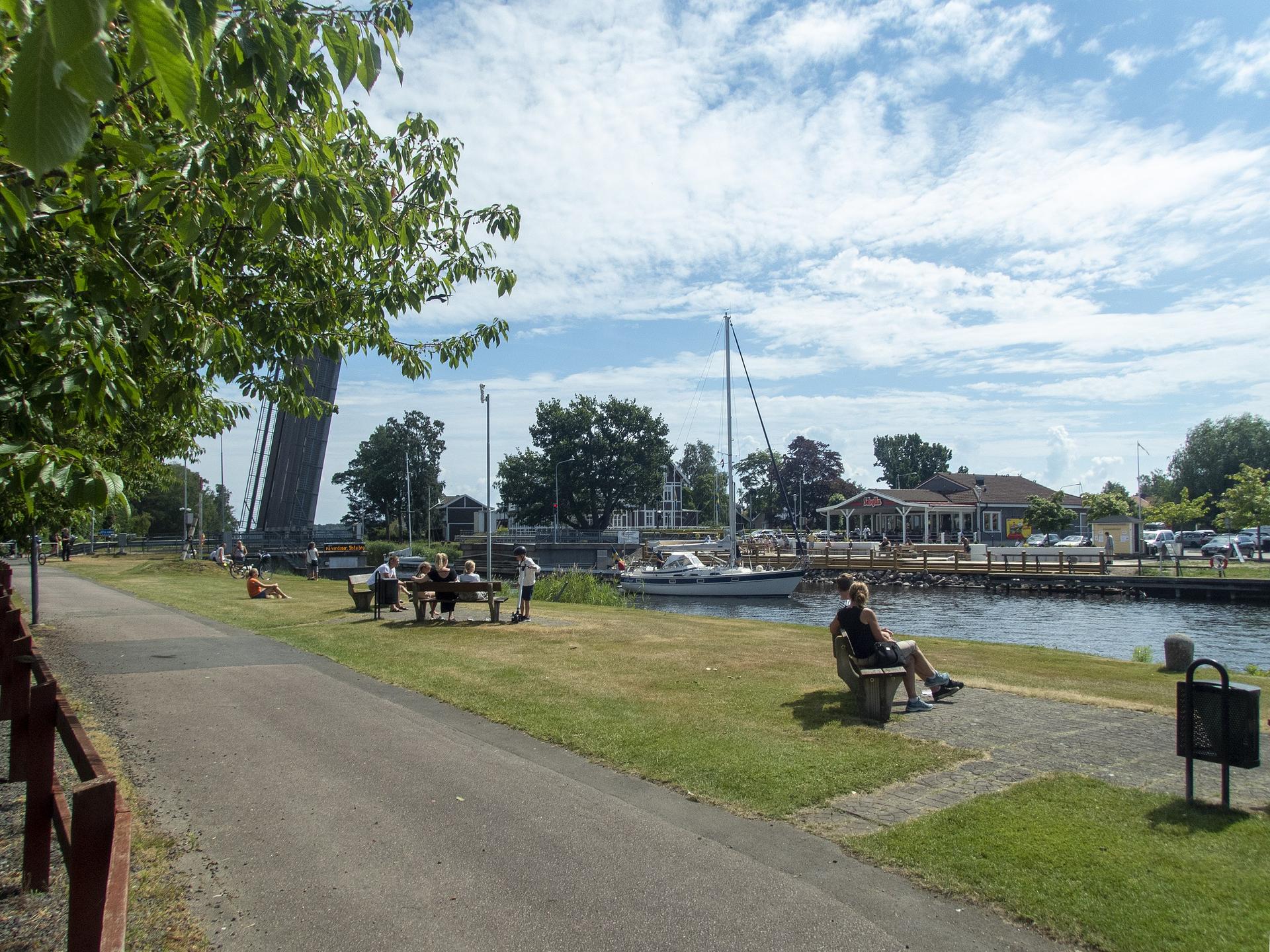
Discover Östergötland: A perfect blend of history, nature, and culture in southern Sweden, offering charming towns, lush landscapes, and a rich cultural heritage.
Tell me more about Ostergotland
Östergötland's grand Iron Age ship setting amid lakeside meadows—one of the largest preserved, whispering tales of ancient voyages into eternity.
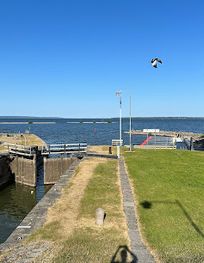
Witness boats conquer the Göta Canal's grandest lock staircase at Bergs Slussar, an engineering icon blending 19th-century drama with serene Swedish lakeside charm.