

Vreta kloster Travel Guide
Free Guide: Discover Sweden's pioneering nunnery: royal tombs, Cistercian ruins, and whispers of medieval intrigue in serene Östergötland countryside.


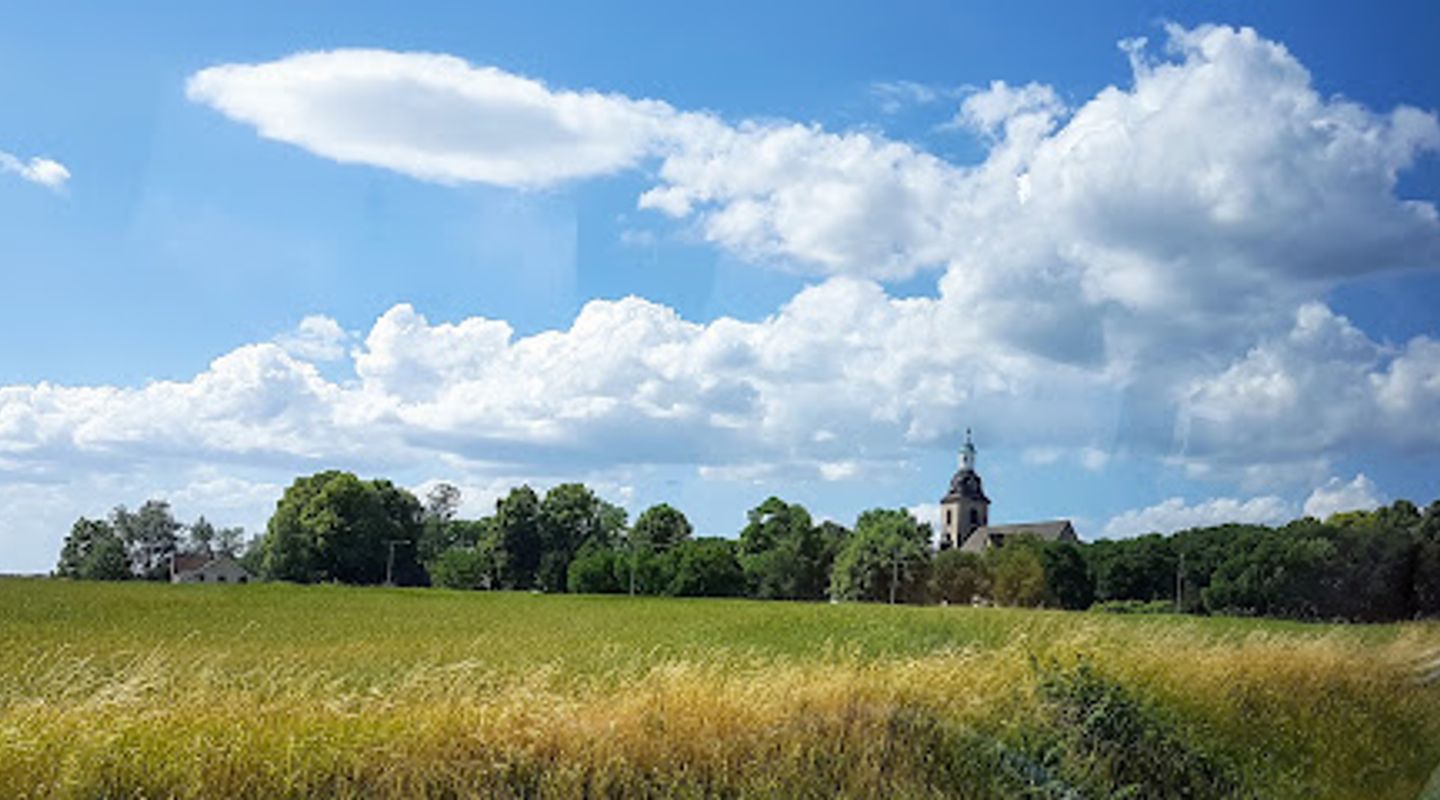
A brief summary of Vreta kloster
Discover Sweden's pioneering nunnery: royal tombs, Cistercian ruins, and whispers of medieval intrigue in serene Östergötland countryside.
Vreta Abbey stands as Sweden's first nunnery, founded around 1100 by King Inge the Elder and Queen Helena. This historic site transitioned from Benedictine to Cistercian order, hosting royal nuns and serving as a burial ground for Swedish kings. Today, its surviving church and ruins offer a serene glimpse into medieval monastic life amid tranquil Swedish countryside.
On-site amenities
 Restrooms
 Seating areas
 Trash bins
 Information boards
Opening hours
- Mon9:30 am–11:30 am, 1 pm–3 pm
- Tue9:30 am–11:30 am, 1 pm–3 pm
- WedClosed
- Thu9:30 am–11:30 am, 1 pm–3 pm
- FriClosed
- SatClosed
- SunClosed
Opening hours as listed on the venue’s Google Business Profile. Hours can change for services and special events, so check with the venue before you go.
- Address
- Löjtnantsgatan 1, 590 70 Ljungsbro
- Phone
Getting there
Bus
Car
Bicycle
Walking
Discover more about Vreta kloster
Foundations of Sweden's First Nunnery
In the early 12th century, King Inge the Elder and Queen Helena established Vreta Abbey on royal lands in Östergötland, following papal encouragement from Pope Paschal II. This marked the birth of the nation's inaugural nunnery, initially under the Benedictine rule. The abbey's strategic location near Linköping fostered its growth into a center of spiritual and noble activity, drawing donations from subsequent monarchs like Inge the Younger and Queen Ulvhild.The transition to Cistercian observance in 1162 elevated its prestige, with Ingegerd, sister of King Charles VII, as the inaugural abbess of the new order. Royal connections deepened as Helena, widow of Denmark's King Canute V, joined the community, embedding Vreta in the intertwined histories of Swedish and Danish dynasties.
Royal Burials and Noble Education
Vreta Abbey's church became a revered necropolis for Swedish royalty, interring kings Inge the Elder, Philip, Inge the Younger, and Magnus II, alongside princes Ragnvald and Sune. Even younger nobles like Alf and Boleslaw Johansson found their rest here, underscoring the site's sanctity. These burials transformed the abbey into a symbol of monarchical continuity and divine favor.Beyond tombs, Vreta functioned as an elite educational hub for daughters of nobility and ruling families. Nuns provided instruction in piety, literacy, and courtly graces, shaping generations of influential women while upholding strict monastic disciplines amid the abbey's stone-walled cloisters.
Life Within the Cloistered Walls
Daily rhythms at Vreta revolved around prayer, labor, and communal living, hallmarks of Cistercian austerity. Nuns tended gardens, brewed herbal remedies, and copied manuscripts by candlelight, their lives a blend of contemplation and self-sufficiency. Folklore whispers of dramatic elopements in the 13th century, where noble daughters were spirited away from disapproving families, adding layers of romance to the abbey's stern facade.The abbey's architecture, though partially ruined, retains Romanesque elements in its church, with sturdy stone vaults echoing centuries of chants. Surrounding ruins evoke the once-expansive complex of dormitories, refectories, and workshops, now softened by ivy and wildflowers.
Endurance Through Reformation
The Protestant Reformation brought gradual decline, yet Vreta persisted leniently. No new novices after the 1520s, but it sheltered displaced nuns from Askeby and Skänninge abbeys. King Gustav I gifted it to his mother-in-law Ebba Eriksdotter Vasa in 1536; she resided here until 1549. The final nuns, Brita Gisledotter and Kirstin Månsdotter, passed in 1582, closing a 470-year chapter.
Legacy in Stone and Spirit
Today, the Church of Sweden maintains the abbey church, a testament to Vreta's enduring spiritual role. Ruins invite exploration of medieval footings, while the pastoral setting—fields and woodlands—mirrors the nuns' harmonious bond with nature. Vreta endures not just as ruins, but as a portal to Sweden's monastic origins, where faith, royalty, and resilience converged.
Evendo Review Centre
 Google
Guest reviews
Best time to go
Quietest: Jan, Feb & Dec · before 8am or at 7pm
Busy times are Evendo estimates for a typical year, to help you plan. Actual crowds vary with events, school holidays and the weather.
Explore Vreta kloster on the map
A handpicked selection of must-see spots near Vreta kloster, mapped for you.
Get your free copy of our complete guide to Vreta kloster, delivered straight to you.
Everything on this page, from opening hours and how to get there to Eve’s tips and the best time to go, in one PDF you can read offline, print or share.
Already have an account? Sign in
Your Vreta kloster guide is ready.
We'll send it to · Not you? Sign out

Getting your guide ready…
We are putting together a fresh copy of the Vreta kloster guide. This can take up to a minute.
This can take a few moments. If your browser asks, choose Allow so the download can start. You'll find the guide in your Downloads folder.
Nothing happened? Download it again
Sorry, the guide is taking longer than usual. Please try again in a minute, or get it by email instead.
Other nearby places you may find interesting
The closest places of the same kind, if this one is not quite what you had in mind.
-
-
-
-
-


Swipe for more places
More to explore near Vreta kloster

 Best experiences near Vreta kloster
 Best hotels near Vreta kloster
 Best landmarks near Vreta kloster
 Best attractions near Vreta kloster
 Best shops near Vreta kloster
 Best restaurants near Vreta kloster
 Best bars near Vreta kloster
Do you manage this location?
Take control to get all the benefits, like improved information, better appearance, and stronger visibility across AI-powered discovery.
Explore more

Explore more of Norrbotten
Discover Norrbotten, Sweden's northern gem, where nature's wonders meet rich Sami culture. Experience the Midnight Sun, Northern Lights, and unique winter activities.
Explore Norrbotten
Explore more of Sweden
Discover Sweden's breathtaking landscapes, vibrant cities, and rich cultural heritage. From the Northern Lights to historic castles, experience the essence of Scandinavia.
Explore Sweden
