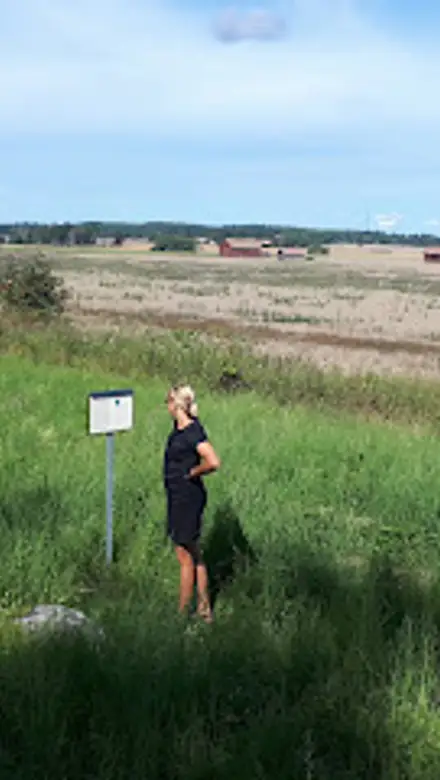
Mora Stones Travel Guide
Free Guide: Echoes of medieval kings elected amid ancient stones, where Sweden's royal traditions meet serene valley tranquility in Uppsala's historic embrace.


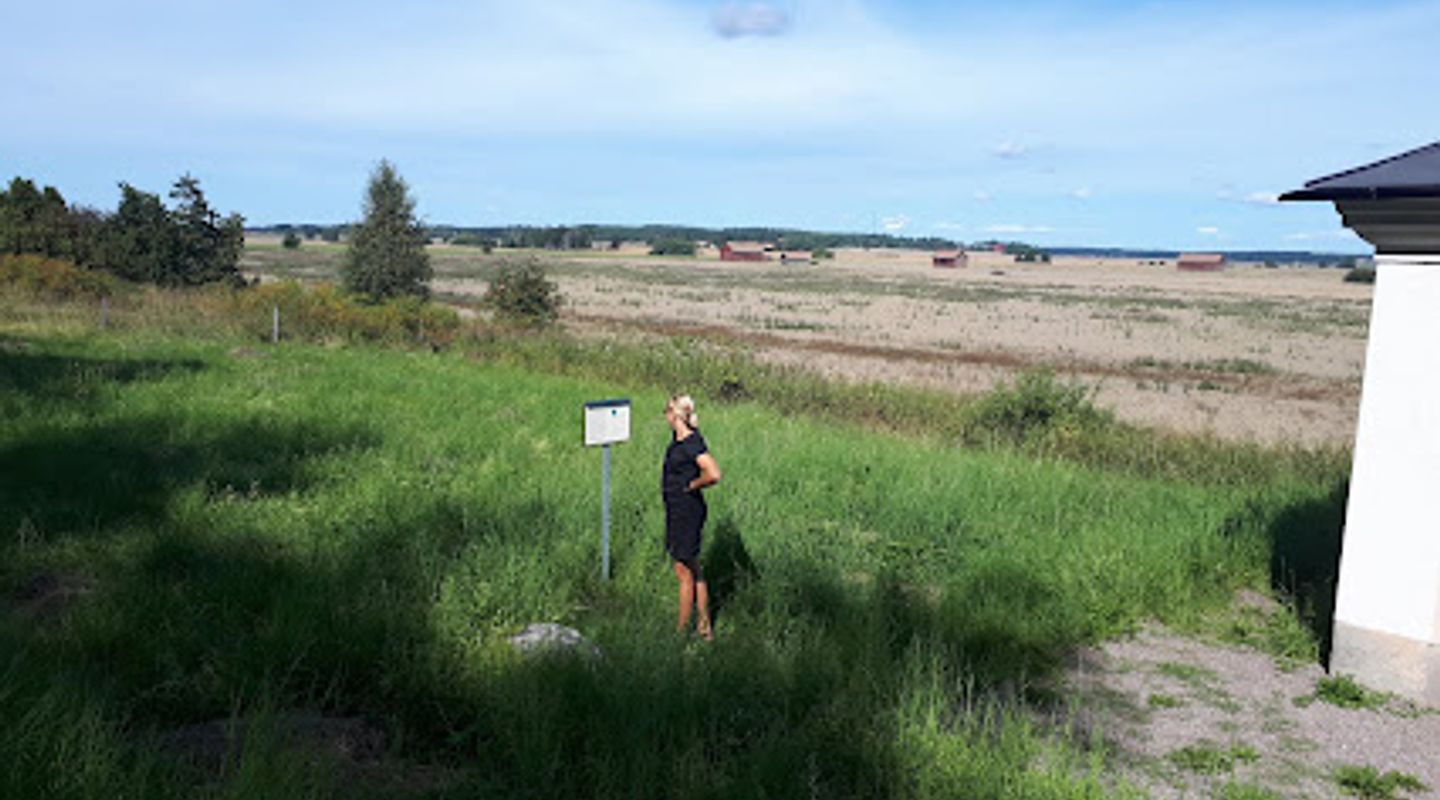
A brief summary of Mora Stones
Echoes of medieval kings elected amid ancient stones, where Sweden's royal traditions meet serene valley tranquility in Uppsala's historic embrace.
The Mora Stones in Uppsala mark the ancient site where Swedish kings were elected during medieval times. Protected within a historic structure, these fragmented stones whisper tales of royal proclamations, Viking-era traditions, and Sweden's early democratic processes. Nestled in a serene valley setting, they offer a poignant connection to the nation's past amid tranquil natural surroundings. Ideal for history lovers seeking quiet reflection on Sweden's monarchical heritage.
On-site amenities
 Seating areas
 Trash bins
 Picnic areas
Opening hours
- Every dayOpen 24 hours
Opening hours as listed on the venue’s Google Business Profile. Hours can change for services and special events, so check with the venue before you go.
- Address
- Danmarks skolväg 3, 741 76 Uppsala
- Website
Getting there
Bus
Bicycle
Walking
Taxi
Discover more about Mora Stones
Ancient Throne of Swedish Kings
The Mora Stones stand as a profound symbol of Sweden's medieval governance, serving as the sacred assembly point for electing kings from the 13th century onward. Tradition holds that Magnus Ladulås ascended here in 1275, setting a precedent for royal proclamations that echoed through the centuries until Christian I in 1457. This open-air site in Lagga parish, just southeast of Uppsala Cathedral, embodied an early form of consensus among regional leaders, blending ritual with rudimentary democracy.
Fragments of Lost Majesty
Today, only weathered remnants of the original stones remain, safeguarded within a modest protective building erected by Carl Wijnbladh in 1770. Among them, the evocative Stone of Three Crowns bears the earliest known depiction of Sweden's national emblem, linked to Albert of Mecklenburg's election. Many flanking stones, inscribed with commemorations of past rulers, were tragically destroyed during the 1515 civil war against Danish forces, leaving these shards as silent witnesses to turbulent history.
Whispers from Viking Shadows
The site's origins trace back further, possibly to Viking assemblies mentioned by 13th-century chronicler Snorri Sturluson. Picture chieftains gathering on these very grounds, their voices rising amid the wind-swept valley of Storån, forging alliances and crowning leaders under open skies. Efforts by later monarchs like Gustav Vasa and John III to restore the stones underscore their enduring cultural weight, though the originals eluded full reconstruction.
Serene Valley Embrace
Nestled in the peaceful Storån Valley, the Mora Stones blend seamlessly with their natural environs, surrounded by gentle trails and subtle runic inscriptions nearby. The unassuming setting invites contemplation, where the rustle of leaves and distant bird calls accompany reflections on power's fragility. Free from crowds, this spot reveals history's intimacy, far from urban clamor yet accessible from Uppsala's historic core.
Enduring National Emblem
The Three Crowns fragment not only survives but illuminates Sweden's heraldic evolution, its carved symbols predating widespread use of the iconic triad. This artifact bridges pagan assembly rites with Christian monarchy, highlighting a pivotal shift in Scandinavian power structures. Visitors sense the gravity of decisions made here, shaping Sweden's trajectory through wars, unions, and independence struggles.
Legacy in Stone and Story
Beyond mere ruins, the Mora Stones encapsulate a narrative of resilience, where fragmented rock endures as a cornerstone of national identity. They prompt musings on leadership's evolution—from tribal consensus to modern democracy—while their protected enclosure ensures preservation for future generations. In this quiet corner, Sweden's past feels palpably alive, etched eternally in enduring stone.
Evendo Review Centre
 Google
Guest reviews
Best time to go
Quietest: Jan, Feb & Dec · before 7am or from 8pm
Busy times are Evendo estimates for a typical year, to help you plan. Actual crowds vary with events, school holidays and the weather.
Explore Mora Stones on the map
A handpicked selection of must-see spots near Mora Stones, mapped for you.
Get your free copy of our complete guide to Mora Stones, delivered straight to you.
Everything on this page, from opening hours and how to get there to Eve’s tips and the best time to go, in one PDF you can read offline, print or share.
Already have an account? Sign in
Your Mora Stones guide is ready.
We'll send it to · Not you? Sign out

Getting your guide ready…
We are putting together a fresh copy of the Mora Stones guide. This can take up to a minute.
This can take a few moments. If your browser asks, choose Allow so the download can start. You'll find the guide in your Downloads folder.
Nothing happened? Download it again
Sorry, the guide is taking longer than usual. Please try again in a minute, or get it by email instead.
Other nearby places you may find interesting
The closest places of the same kind, if this one is not quite what you had in mind.
-
-
-
-

-


Swipe for more places
More to explore near Mora Stones

 Best experiences near Mora Stones
 Best hotels near Mora Stones
 Best landmarks near Mora Stones
 Best attractions near Mora Stones
 Best shops near Mora Stones
 Best restaurants near Mora Stones
 Best bars near Mora Stones
Do you manage this location?
Take control to get all the benefits, like improved information, better appearance, and stronger visibility across AI-powered discovery.
Explore more
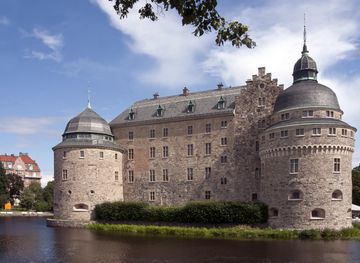
Explore more of Närke
Discover Närke, Sweden's heartland, where natural beauty meets rich history and vibrant culture, offering a tranquil yet enriching experience for every traveler.
Explore Närke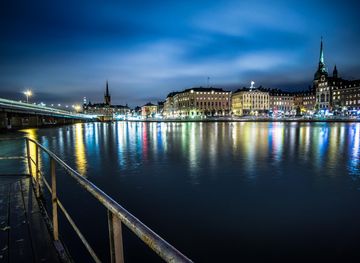
Explore more of Sweden
Discover Sweden's breathtaking landscapes, vibrant cities, and rich cultural heritage. From the Northern Lights to historic castles, experience the essence of Scandinavia.
Explore Sweden