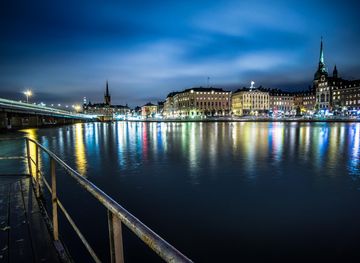
Free Närke Travel Guide & Mobile App
Explore Närke with free travel guides. Discover regional history, expert tips, proposed trips, and audio guides on web or mobile app.


Explore Närke in central Sweden for Örebro Castle, forested Kilsbergen, Lake Hjälmaren wetlands, historic towns and accessible outdoor adventures.
Read more about Närke
When is the best time to visit Närke?
Best: June–August · 20–23°C| Month | High (°C) | Rainfall (mm) |
|---|---|---|
| January | -1 | 40 |
| February | 0 | 35 |
| March | 5 | 35 |
| April | 9 | 40 |
| May | 16 | 45 |
| June (best) | 20 | 55 |
| July (best) | 23 | 60 |
| August (best) | 22 | 60 |
| September | 16 | 55 |
| October | 11 | 50 |
| November | 5 | 45 |
| December | 2 | 45 |
Getting to and around Närke
How to get there
Transportation
Top city travel guides in Närke
The cities of Närke, and the easiest places to base yourself.

Swipe for more cities
Best attractions in Närke
Närke’s attractions combine an accessible regional capital with varied countryside. In Örebro, the castle, Wadköping and the city’s museums provide a concentrated introduction to local history, architecture and everyday life. The Svartån riverfront and nearby parks make it easy to add a walk to a cultural visit. West of the city, Kilsbergen offers marked woodland routes, winter activities and broad views across the Närke plain, while Garphyttan National Park protects flowering meadows and deciduous woodland shaped by historic farming. The wetlands around Oset and Rynningeviken are close to Örebro and are valuable for walking, cycling and birdwatching beside Lake Hjälmaren. Tysslingen is an important seasonal bird site, especially during the spring swan migration. Smaller towns contribute industrial, railway and local-history museums, while Kumla and Hallsberg illustrate the province’s manufacturing and transport traditions. The result is a destination where heritage, wildlife and outdoor recreation can be combined without the long distances found in Sweden’s northern regions.
-
Tourist attraction
Fotografiska Museum Stockholm
A waterfront Art Nouveau customs house turned world‑class museum of contemporary photography with great food and skyline views.
-
Shopping mall
Westfield Täby Centrum
A practical, family-friendly suburban mall in Täby with big-brand stores, extensive amenities and a lively food zone across multiple levels.
-
Outlet mall
Stockholm Quality Outlet
A spacious open-air outlet village at Barkarby with roughly 70 stores and consistent 30–70% discounts across fashion, sports and home brands.
-
Tourist attraction
Swedish History Museum
A compact, object-led museum tracing Sweden’s story from prehistoric hoards and Viking artefacts to medieval art and modern cultural history.


Best landmarks in Närke
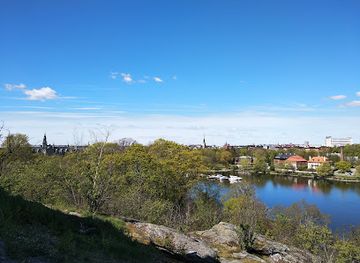
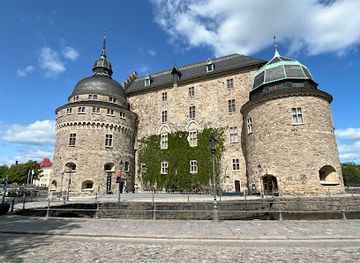
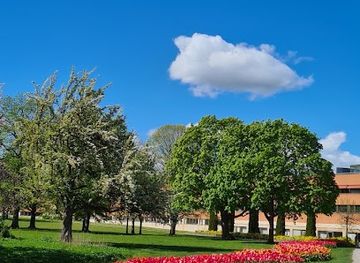
Örebro Castle is Närke’s most recognisable landmark, occupying a strategic island in the Svartån and reflecting centuries of royal administration, defence and architectural change. Nearby Wadköping is notable for its collection of historic wooden buildings, which evokes the town’s pre-industrial streets and craft traditions without presenting itself as an untouched medieval quarter. St Nicolai Church, in Örebro’s historic centre, adds an important ecclesiastical element to the cityscape. Outside the city, Garphyttan National Park is a natural and cultural landmark: its meadows and deciduous woods preserve a landscape shaped by traditional agriculture beneath the Kilsbergen. The Kilsbergen ridge itself is a defining geographical feature, rising above the flat plain and providing recognisable viewpoints across central Närke. Lake Hjälmaren and its wetlands form another major landscape landmark, linking the province’s identity to water, birdlife and open shores. Hallsberg Railway Station and its surrounding rail infrastructure represent the modern engineering heritage that turned the town into one of Sweden’s key inland junctions.
-
Tourist attraction
Örebro Castle
Majestic 13th-century castle on a river islet, blending royal history, guided tours, family quests, and art exhibitions in Örebro's vibrant heart.
-
Historical landmark
Wadköping
Step into Örebro's living history at Wadköping, where centuries-old timber homes, artisan workshops, and riverside charm recreate the essence of Sweden's urban past.
-
Tourist attraction
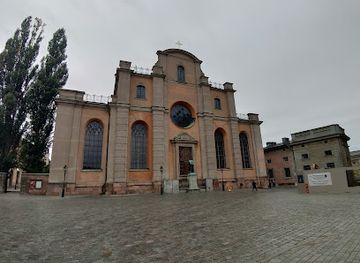
Storkyrkan
Stockholm's 700-year-old Gothic cathedral: royal coronations, Reformation birthplace, and home to Saint George's epic dragon battle amid Baroque grandeur.
-
Tourist attraction
Linköping Cathedral
Sweden's grandest Gothic cathedral after Uppsala, weaving 800 years of history, artistry, and spirituality in Linköping's medieval heart.

Explore Närke on the map
Plan your trip on one map. See where the top cities, national parks and sights are, and book hotels and experiences in a few clicks.
Best hotels in Närke
Best restaurants in Närke
Dining in Närke reflects central Sweden’s mixture of productive farmland, forest and growing towns. Örebro has the broadest choice, from cafés and bakeries to modern restaurants, traditional Swedish cooking and international cuisines. Local menus may draw on potatoes, grains, dairy produce, game, freshwater fish, berries and mushrooms, while seasonal market produce gives the food scene a strong connection to the surrounding plain and woodlands. Swedish fika, with coffee and baked goods, is an important everyday custom rather than a formal regional dish, and independent cafés are useful places to experience it. Rural inns and restaurants outside Örebro tend to offer a quieter setting and may rely on seasonal opening arrangements, so advance checking is sensible. Farmers’ markets, farm shops and food events can provide locally produced bread, preserves, cheeses and meat, although availability varies by season. Traditional Swedish pastries and celebration cakes are widely available, alongside contemporary cooking that treats regional ingredients in a less customary way.
-
Scandinavian
Aifur
Feast like a Norse warrior in Gamla Stan's Viking longhouse, where mead flows, horns blast, and history comes alive through immersive dining and live music.
-
Italian
Fratelli Örebro
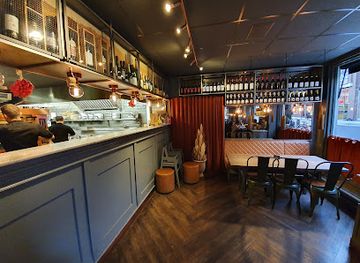
Authentic Italian heart in Örebro's Stortorget: wood-fired pizzas, fresh pastas, modern vibes, and personal service that draws you back.
-
Restaurant
Svampen Skybar
Elevate your Örebro visit at Svampen Skybar: 360° panoramas from a 1958 water tower icon, paired with buffet feasts blending local Swedish flavors and global touches amid cozy heights.
-
Restaurant
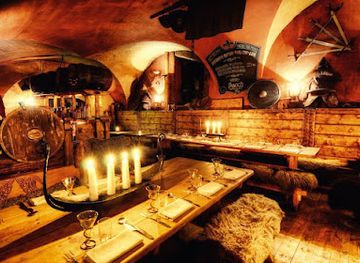
Sjätte Tunnan
Step into medieval Stockholm's vaulted cellars for mead, live music, and 14th-century feasts amid Gamla Stan's historic charm.
Best bars in Närke
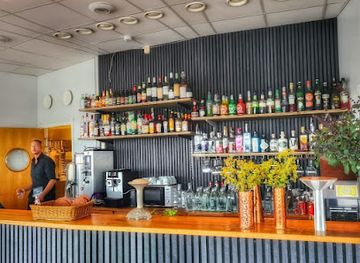
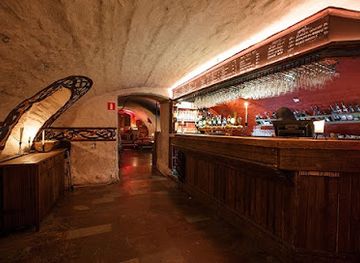
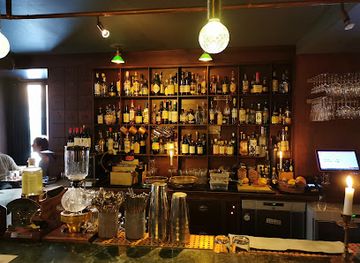
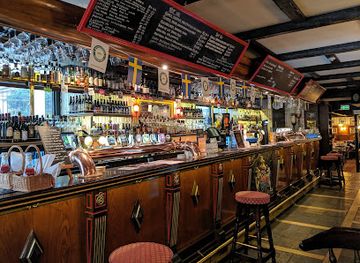
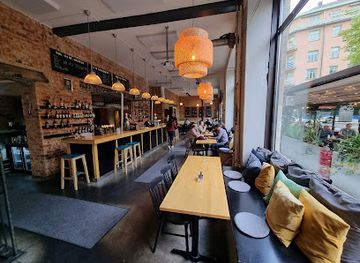
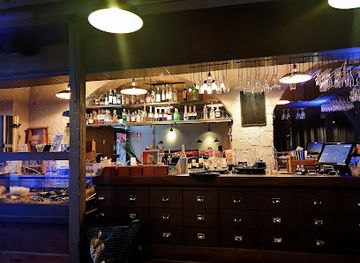
Örebro is Närke’s main centre for evening activity, with pubs, restaurants, wine bars, hotel bars and venues for live music and cultural events. Its nightlife is concentrated in the central area, but it is more modest in scale than that of Stockholm or Gothenburg. Students and younger residents contribute to a livelier evening atmosphere at selected times, while theatres and concert programmes provide alternatives to drinking-focused outings. In Kumla, Hallsberg and smaller towns, evenings generally centre on pubs, restaurants, community events and occasional live performances rather than a large club scene. Traditional Swedish pubs and historic-style inns offer a slower evening, often with local beer and food, while breweries and cafés may provide alcohol-free choices. Rural venues can have limited or seasonal opening arrangements, so visitors should check locally rather than assume late-night transport or entertainment will be available.
-
Bar
Pharmarium
Intimate, apothecary‑inspired cocktail bar on Stortorget — inventive drinks, small plates and a moody, historic interior.
-
Bar
The Bishops Arms - Örebro
Classic British gastropub in Örebro's heart: craft beers, whiskies, pub grub, and castle-view terrace in cozy, historic surrounds.
-
Bar
Örebro Ölhall
Revived Swedish beer hall at Järntorget: local brews, hearty husmanskost, and sociable vibes for friends, families, and beer lovers in central Örebro.
-
Bar
Makeriet
Örebro's chameleon venue: lunch haven by day, dance haven by night with feasts, events, and unmissable energy.
Best nightclubs in Närke
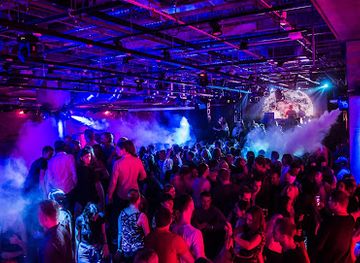
Örebro is Närke’s main centre for evening activity, with pubs, restaurants, wine bars, hotel bars and venues for live music and cultural events. Its nightlife is concentrated in the central area, but it is more modest in scale than that of Stockholm or Gothenburg. Students and younger residents contribute to a livelier evening atmosphere at selected times, while theatres and concert programmes provide alternatives to drinking-focused outings. In Kumla, Hallsberg and smaller towns, evenings generally centre on pubs, restaurants, community events and occasional live performances rather than a large club scene. Traditional Swedish pubs and historic-style inns offer a slower evening, often with local beer and food, while breweries and cafés may provide alcohol-free choices. Rural venues can have limited or seasonal opening arrangements, so visitors should check locally rather than assume late-night transport or entertainment will be available.
-
Night club
Kristall
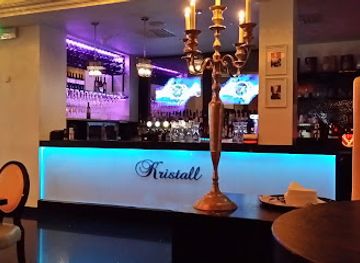
Stockholm's Kungsgatan night club where daytime grills ignite into late-night beats—dining, drinks, and dancing in one central spot.
-
Night club
Colosseum Nightclub
Sweden's grandest nightclub: 3200 sqm of pounding beats, massive dance floors, and a 100m bar fueling epic Friday-Saturday nights in Johanneshov.
-
Bar
Frimis
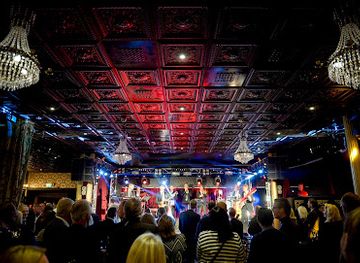
Örebro's electrifying island nightlife hub: thumping clubs, live stars, riverside dining, and epic events with Svartån and castle views.
-
Night club
Rose Club
Velvet-lit club in central Stockholm — late DJs, a lively dancefloor and a dressed-up crowd in an intimate, theatrical setting.
Best shops in Närke
Örebro has Närke’s broadest retail offer, combining a conventional central shopping area with independent boutiques, bookshops, cafés, galleries and shops selling Swedish design. Wadköping is particularly useful for browsing handicrafts, local art and small-scale food products in a historic setting. Market days and seasonal events may bring regional produce such as bread, preserves, berries, mushrooms and other goods from nearby farms and food producers, although schedules vary. Kumla and Hallsberg provide more local high-street shopping and practical services than destination retail, with independent businesses offering a different pace from Örebro’s commercial centre. Farm shops and craft outlets are scattered through the countryside rather than forming a single shopping district, so a car can help when seeking locally made products. Useful souvenirs include Swedish textiles, ceramics, woodwork, food specialities and books connected with Närke’s history, landscapes or industrial heritage.
-
Department store
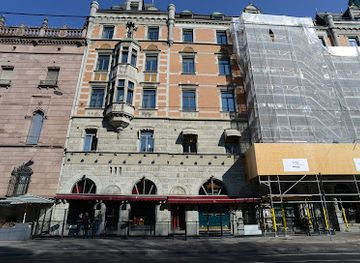
NK Stockholm
Stockholm’s century-old luxury emporium — a landmark building where Swedish design, international fashion and a celebrated food hall meet.
-
Souvenir store
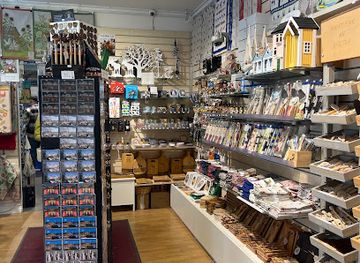
Haga of gothenburg
An intimate Haga boutique specialising in handcrafted Swedish souvenirs, ceramics and locally designed gifts set within Gothenburg’s historic wooden street.
-
Ice Cream
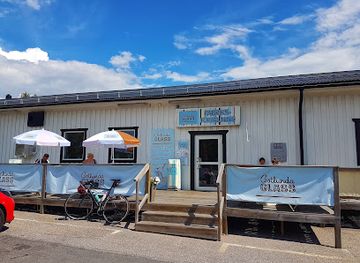
Götlunda Glass
Family-crafted ice cream bliss in Västmanland's countryside, where every scoop delivers creamy perfection amid serene fields.
-
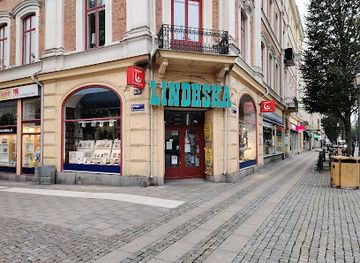
Book store
Lindhska Bokhandeln
Örebro's enchanting independent bookstore, brimming with books, puzzles, games, and Warhammer wonders on lively Drottninggatan—a haven for readers and gamers alike.

Get your free copy of our complete guide to Närke, delivered straight to you.
Everything on this page, from attractions and restaurants to essentials and local phrases, in one PDF you can read offline, print or share.
Already have an account? Sign in
Your Närke guide is ready.
We'll send it to · Not you? Sign out

Getting your guide ready…
We are putting together a fresh copy of the Närke guide. This can take up to a minute.
This can take a few moments. If your browser asks, choose Allow so the download can start. You'll find the guide in your Downloads folder.
Nothing happened? Download it again
Sorry, the guide is taking longer than usual. Please try again in a minute, or get it by email instead.
Närke essentials
Currency and Payment
Safety
Emergency Situations
Do's and Don'ts
Local Tips
From Eve
Local phrases worth knowing
You don't need to get them perfect. A few words go a long way, and locals appreciate the effort.
Basics
| English | Local | Say it |
|---|---|---|
| Hello | Hej | [hay] |
| Goodbye | Hej då | [hay daw] |
| Yes | Ja | [yah] |
| No | Nej | [nay] |
| Please/You're welcome | Snälla/Tack | [snella/tahk] |
| Thank you | Tack | [tahk] |
| Excuse me/Sorry | Ursäkta | [oor-sehk-tah] |
| How are you? | Hur mår du? | [hoor mohr doo] |
| Fine. And you? | Bra. Och du? | [brah. ohk doo] |
| Do you speak English? | Talar du engelska? | [tah-lahr doo eng-el-skah] |
| I don't understand | Jag förstår inte | [yahg foor-stor in-teh] |
Eating & Drinking
| English | Local | Say it |
|---|---|---|
| I'd like to see the menu, please | Jag skulle vilja se menyn, snälla | [yahg skool-leh vil-yah seh meh-nuhn, snella] |
| I don't eat meat | Jag äter inte kött | [yahg eh-ter in-teh shurt] |
| Cheers! | Skål! | [skawl] |
| I would like to pay, please | Jag skulle vilja betala, snälla | [yahg skool-leh vil-yah beh-tah-lah, snella] |
Emergencies
| English | Local | Say it |
|---|---|---|
| Help! | Hjälp! | [yelp] |
| Go away! | Gå bort! | [gaw bort] |
| Call the Police! | Ring polisen! | [ring poh-lee-sen] |
| Call a doctor! | Ring en läkare! | [ring en leh-kah-reh] |
| I'm lost | Jag är vilse | [yahg air vil-seh] |
| I'm ill | Jag är sjuk | [yahg air shook] |
Shopping
| English | Local | Say it |
|---|---|---|
| I'd like to buy... | Jag skulle vilja köpa... | [yahg skool-leh vil-yah shur-pah] |
| I'm just looking | Jag tittar bara | [yahg teet-tar bah-rah] |
| How much is it? | Hur mycket kostar det? | [hoor myu-ket koh-star deh] |
| That's too expensive | Det är för dyrt | [deht air fur deer-t] |
| Can you lower the price? | Kan du sänka priset? | [kan doo sen-kah pree-set] |
Time & Numbers
| English | Local | Say it |
|---|---|---|
| What time is it? | Vad är klockan? | [vahd air klok-kahn] |
| It's one o'clock | Det är ett på klockan | [deht air eht paw klok-kahn] |
| Half past (10) | Halv efter (10) | [halv ef-ter (10)] |
| Morning | Morgon | [mor-gon] |
| Afternoon | Eftermiddag | [ef-ter-mid-dahg] |
| Evening | Kväll | [kvell] |
| Yesterday | Igår | [ee-gor] |
| Today | I dag | [ee dahg] |
| Tomorrow | I morgon | [ee mor-gon] |
| 1 | 1 | [ett] |
| 2 | 2 | [två] |
| 3 | 3 | [tre] |
| 4 | 4 | [fyra] |
| 5 | 5 | [fem] |
| 6 | 6 | [sex] |
| 7 | 7 | [sju] |
| 8 | 8 | [åtta] |
| 9 | 9 | [nio] |
| 10 | 10 | [tio] |
Transport & Directions
| English | Local | Say it |
|---|---|---|
| Where's a/the...? | Var är en/den...? | [var air en/den] |
| What's the address? | Vad är adressen? | [vahd air ah-dress-en] |
| Can you show me (on the map)? | Kan du visa mig (på kartan)? | [kan doo vee-sah may (paw kar-tahn)] |
| When's the next (bus)? | När går nästa (buss)? | [nair gawr nes-tah (boos)] |
| A ticket (to ....) | En biljett (till ...) | [en bee-yett (til ...)] |
History of Närke
Early Settlement and the Närke Plain
Närke has been inhabited since prehistoric times, with the fertile central plain encouraging farming while forests and waterways supported hunting, fishing and seasonal movement. Archaeological remains, burial sites and older settlement patterns show that the province was linked to wider networks across central Sweden rather than developing in isolation. Lake Hjälmaren and the Svartån corridor provided important routes, while the surrounding uplands supplied timber and mineral resources. The contrast between open agricultural land and forested margins, still visible today, is partly a long-term result of these different forms of land use.
Medieval Örebro and Regional Trade
During the Middle Ages, Örebro grew around a crossing of the Svartån and routes between the Mälaren basin, western Sweden and southern districts. A fortified site developed into Örebro Castle, which became an important royal and administrative centre. The town’s position made it significant for trade, taxation and political gatherings, while churches and market activity strengthened its regional role. Although the castle has been altered repeatedly, its location on the river island still expresses the strategic geography that helped Örebro become Närke’s principal town.
Iron, Forests and Bergslagen Connections
The western and northern parts of Närke were influenced by the wider Bergslagen tradition of mining and iron production. Forests supplied charcoal, streams provided power and local ore deposits supported small-scale works and later industrial development. Mining and metalworking connected communities in the Kilsbergen and neighbouring uplands to national and international markets. The industry never made all of Närke a mining province, but it shaped settlement, transport and working life in the western districts and left traces in industrial landscapes, historic works and local museums.
The Reformation and the Swedish State
The sixteenth century brought the Reformation and the increasing integration of local religious and administrative structures into the Swedish state. Örebro Castle and the town’s churches were drawn more closely into royal government, while the countryside experienced changes in landholding, taxation and ecclesiastical organisation. Religious buildings and historic farm landscapes preserve parts of this transition, although much of the material environment has been modified over subsequent centuries. Närke’s position in central Sweden meant that national political changes were felt through both urban administration and rural estates.
Örebro and the Politics of 1810
Örebro hosted a historically important meeting of the Swedish parliament in 1810, when Jean-Baptiste Bernadotte was elected heir to the Swedish throne. He later became King Charles XIV John, founder of the present royal dynasty. The event reflected Örebro’s established role as a strategically placed meeting town and political centre. It also connected Närke to the constitutional and dynastic uncertainties that followed Sweden’s loss of Finland and the upheavals of the Napoleonic period. Memorials and civic history in Örebro recall this national episode.
Railways and the Rise of Hallsberg
Railway construction in the nineteenth century transformed Närke’s economic geography. Hallsberg developed into a major junction where routes between Stockholm, Gothenburg, M Sweden and southern Sweden met, encouraging workshops, services and population growth. The railway improved access for agricultural and industrial goods and reduced the importance of older road and water routes. It also strengthened Örebro’s role as a commercial centre and helped connect smaller communities to national markets. Hallsberg remains one of the clearest examples of how transport infrastructure reshaped a Swedish inland region.
Manufacturing, Kumla and Modern Närke
The twentieth century brought expanded manufacturing in Örebro, Kumla and other towns. Kumla became particularly associated with shoe production, a branch of industry that developed into an important local identity before global competition and restructuring changed its scale. Engineering, logistics, food production and public services later became more prominent. At the same time, former industrial environments acquired new cultural and educational uses. Modern Närke therefore combines a practical manufacturing heritage with a service economy, while its towns continue to be shaped by the roads and railways that first accelerated industrial growth.
Närke in Photos
Browse through our photo collection highlighting the charm and character of the destination.
Neighbouring regions of Närke
The closest regions to Närke, if you have time for more than one.
-

-

-

-

-


Swipe for more regions