Storkyrkan, Narke Travel Guide
Stockholm's 700-year-old Gothic cathedral: royal coronations, Reformation birthplace, and home to Saint George's epic dragon battle amid Baroque grandeur.
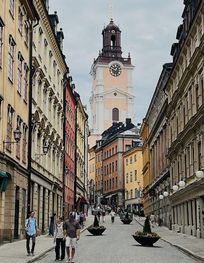
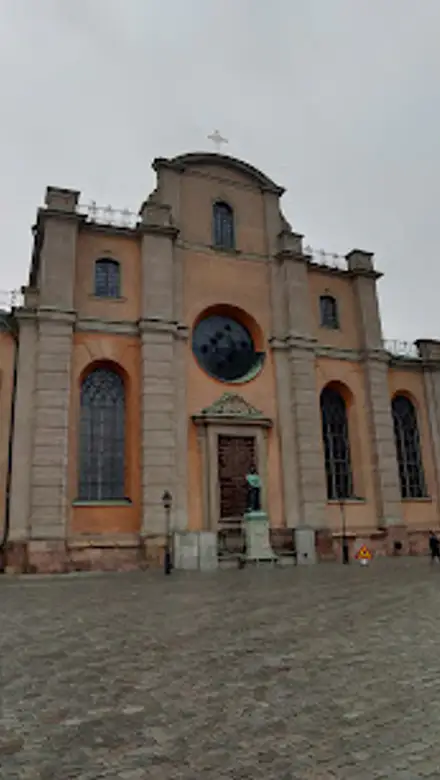
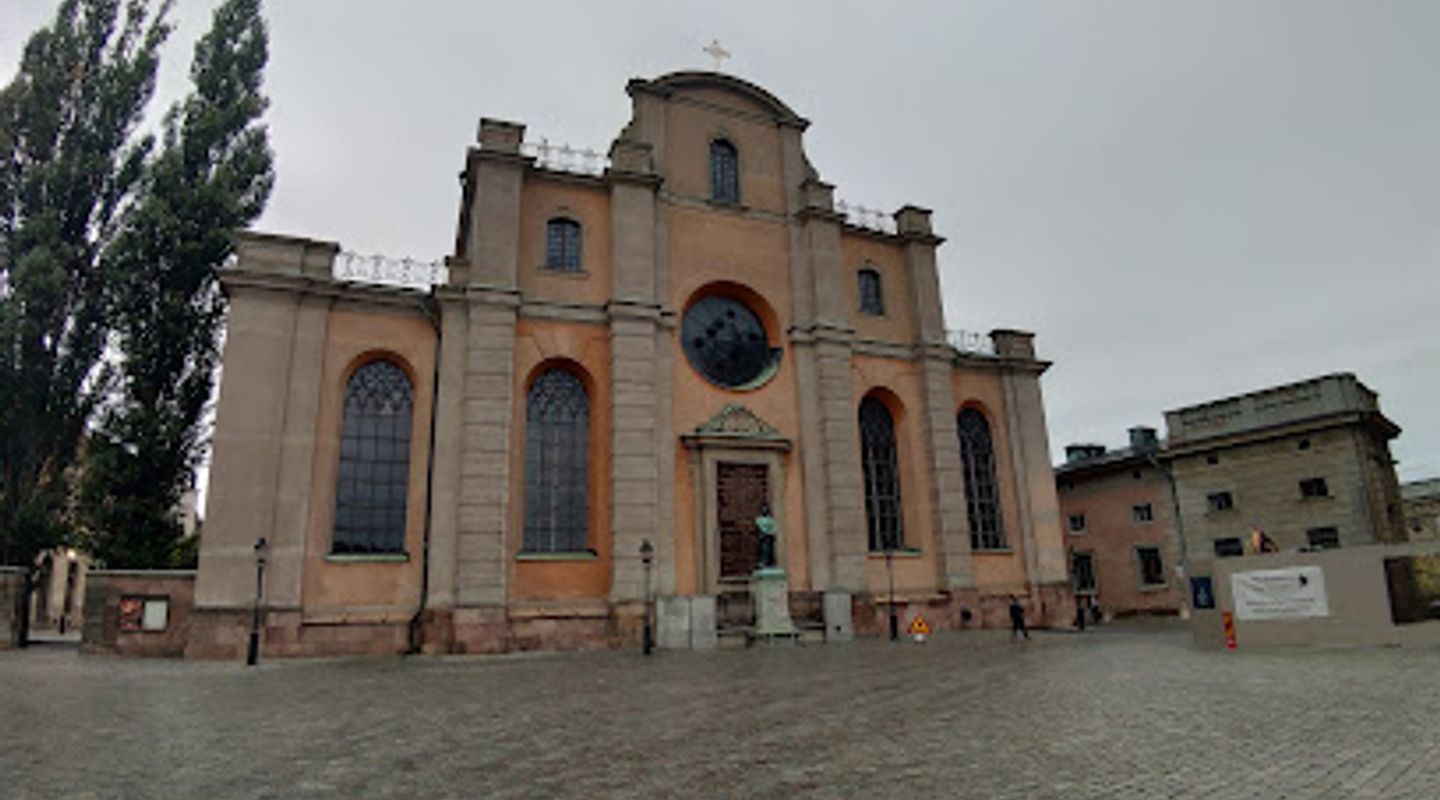
Storkyrkan, Stockholm's ancient cathedral, stands as a medieval masterpiece beside the Royal Palace in Gamla Stan. First documented in 1279 and consecrated in 1306, this Gothic hall church blends 13th-century origins with 15th-century expansions and 18th-century Baroque exterior. Renowned for its wooden sculpture of Saint George and the Dragon, silver altarpiece, ornate pulpit, and royal pews, it has witnessed coronations, weddings, and Reformation milestones for over 700 years.
A brief summary to Storkyrkan
- Trångsund 1, Stockholm, 111 29, SE
- Click to display
- Click to display
- Duration: 0.5 to 1.5 hours
- Free
-
 Indoor
- Mobile reception: 5 out of 5
- Monday 9 am-6 pm
- Tuesday 9 am-6 pm
- Wednesday 9 am-6 pm
- Thursday 9 am-6 pm
- Friday 9 am-6 pm
- Saturday 9 am-6 pm
- Sunday 9 am-6 pm

Know before you go
Hi, I'm Eve. Here are a few practical things to know before exploring Storkyrkan.
- Seek out the Saint George and the Dragon sculpture in the northern aisle for its mesmerizing medieval detail and historical symbolism.
- Admire the silver altarpiece's layered reliefs depicting Christ's Passion, a 17th-century Hamburg masterpiece.
- Note the royal pews with angelic crowns, used by the Swedish monarchy during state visits.
- Visit during quieter morning hours to fully absorb the vaulted Gothic interior's serene acoustics.
- Observe the brick pillars and high windows, remnants of 15th-century expansions that define the hall church form.
Do you manage this location?
Take control to get all the benefits, like improved information, better appearance, and stronger visibility across AI-powered discovery. Learn more about listing your business on Evendo
Activate your presenceOther nearby places you may find interesting
The closest places of the same kind, if this one is not quite what you had in mind.


Explore Storkyrkan on the Map
A handpicked selection of must-see spots near Storkyrkan, mapped for you.
Unlock the Best of Storkyrkan
Buy tickets
-
No tickets available
Book tours with entry


Getting There
-
Walking
From Gamla Stan's Stortorget, walk 2-3 minutes along cobblestone paths to Trångsund 1; flat terrain suits all abilities but watch slippery stones in rain.
-
Metro
Take T-bana red line to Gamla Stan station, 5-7 minute walk via Slottsbacken; frequent services every 3-5 minutes, single ticket 40 SEK.
-
Bus
Bus 3 or 53 from central Stockholm to Slottsbacken stop, 10-15 minutes depending on traffic; operates daily with fares around 40 SEK, limited space for luggage.
-
Taxi
Taxi from Stockholm Central Station takes 8-12 minutes in light traffic; fixed fares start at 150 SEK, surge during peak hours or events.
For the on-the-go comforts that matter to you
-
 Restrooms
-
 Seating Areas
-
 Information Boards
Discover more about Storkyrkan
Origins Amid Medieval Trade
Storkyrkan emerged in the 13th century as Stockholm transformed from a trading outpost into a thriving Hanseatic hub. Tradition credits Birger Jarl, the city's founder, with its inception around 1264, though the first written record dates to 1279 when knight Johan Karlsson bequeathed silver to "Stockholms Stora Kyrka." Dedicated to Saint Nicholas, patron of sailors and merchants, the initial wooden structure likely burned, paving the way for a brick edifice consecrated in 1306. This treskeppiga (three-aisled) church anchored the economic heart of Stadsholmen, taxing timber and ore funneled through Mälaren to German traders at Skeppsbron.Gothic Expansions and Royal Patronage
By the 14th and 15th centuries, Storkyrkan swelled to match Stockholm's ambitions. King Magnus IV and Queen Blanche of Namur donated generously in 1346, funding chapels and extensions that evolved it into a fiveskeppiga hall church by 1480. The 1430s saw Själakoret, a grand chapel for soul masses, added south of the vestibule. Vaulted ceilings rose on sturdy brick pillars, larger windows flooded the space with light, and side chapels merged into sweeping aisles. These Gothic bones endure inside, a testament to medieval craftsmanship in formable local brick.Baroque Facelift and Enduring Interior
The 18th century reshaped Storkyrkan's exterior to harmonize with the neighboring Royal Palace. Architect Johan Eberhard Carlberg redesigned gables and tower in Baroque style from 1736-1742, cloaking the Gothic core in elegant symmetry. Inside, treasures persist: the 1652 silver-and-ebony altarpiece by Eustachius Erdmüller gleams with reliefs of the Crucifixion, Entombment, and Christ's descent, flanked by evangelists and prophets. Nicodemus Tessin the Younger's royal pews, with gilded crowns borne by angels, evoke monarchical splendor, while Burchard Precht's 1700 French Baroque pulpit spirals in ornate wood.Saint George Triumphs Over Adversity
Dominating the northern aisle, a life-sized wooden sculpture of Saint George slaying the dragon captivates. Commissioned post-1471 Battle of Brunkeberg by Regent Sten Sture the Elder, it symbolizes Swedish defiance against Danish forces. Carved with intricate realism—George's poised lance, the dragon's writhing scales, and a princess in distress—this late medieval masterpiece blends chivalric legend with national pride, its dramatic tableau drawing eyes skyward amid vaulted arches.Reformation Pivot and Ceremonial Heart
Storkyrkan pivoted during the 1520s Reformation. Olaus Petri preached Sweden's first Swedish-language mass here, supplanting Latin under Gustav Vasa's Protestant decree. Fortified amid tensions preceding the 1521 Stockholm Bloodbath, it hosted early coronations like Magnus Eriksson's in 1336 and later rites for monarchs up to Oscar II. Royal weddings, from Gustav Vasa's to Crown Princess Victoria's in 2010, and funerals for figures like Astrid Lindgren cement its role as Sweden's ceremonial nexus, blending faith, state, and history.












Your all‑in‑one travel companion app
Explore expert travel guides, compare and book tours, experiences, hotels, and more—all from the palm of your hand. Download now for seamless trip planning wherever your wanderlust takes you.


Explore More of Narke
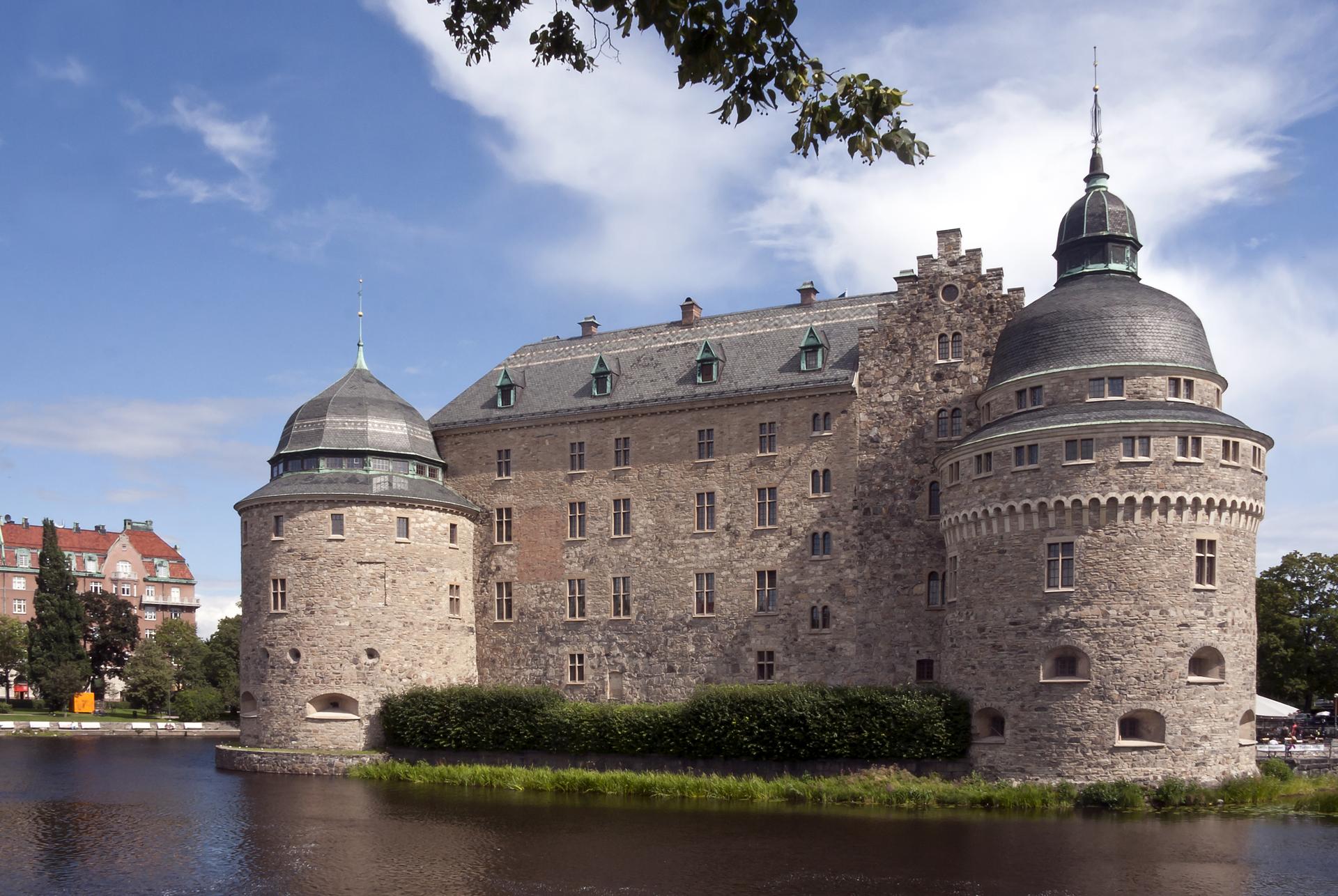
Looking beyond Storkyrkan? Discover Narke for broader travel guides, local hot-spots, and regional highlights.
Explore Narke