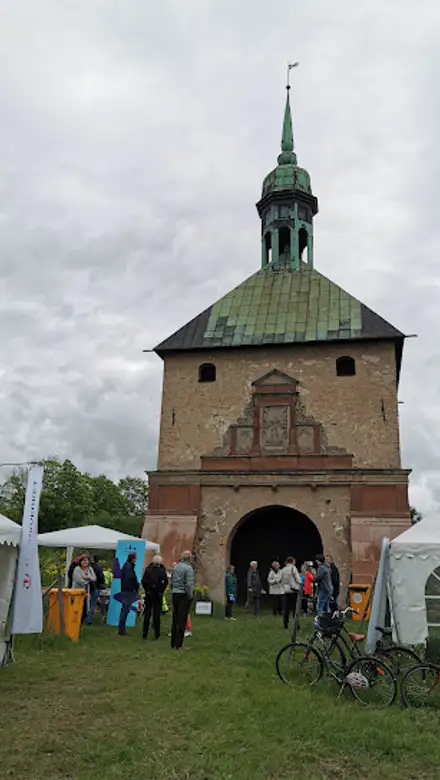
Johannisborgs castle ruins, Norrköping Travel Guide
Free Guide: Weathered walls and a lone tower on Norrköping's Motala Riverbank evoke 17th-century fortress glory, destroyed in 1719—a serene spot for history and reflection.


A brief summary of Johannisborgs castle ruins
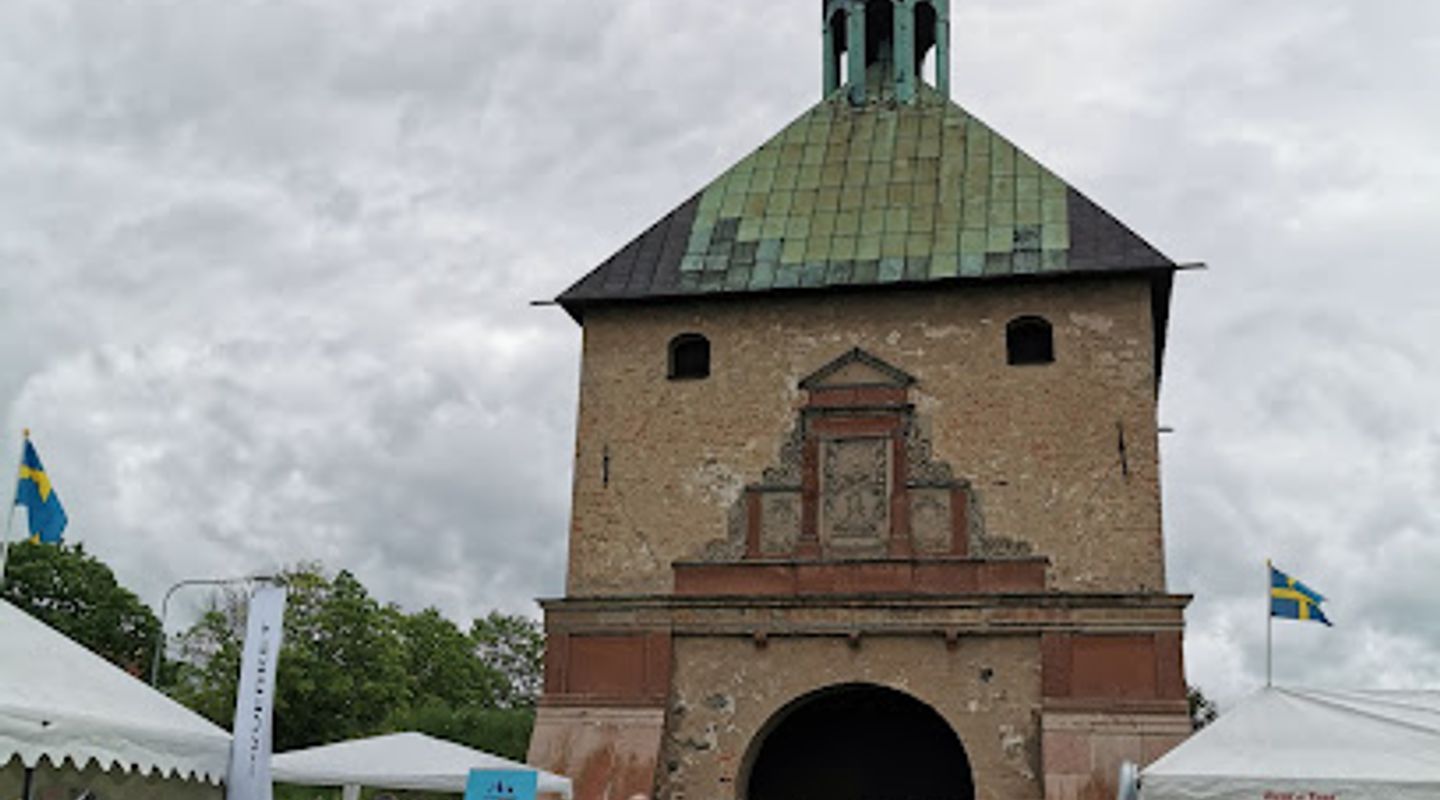
Weathered walls and a lone tower on Norrköping's Motala Riverbank evoke 17th-century fortress glory, destroyed in 1719—a serene spot for history and reflection.
The evocative ruins of Johannisborg Castle stand on the banks of the Motala River in Norrköping, remnants of a 17th-century fortress designed by Flemish architect Hans Fleming. Built between 1614 and 1618 to safeguard the city's burgeoning industries, these weathered stone walls and solitary tower whisper tales of military ambition and wartime destruction. Destroyed by Russian forces in 1719 during the Great Northern War, the site now offers a serene urban escape with informative panels detailing its history amid the gentle flow of the river.
On-site amenities
 Information boards
 Trash bins
 Seating areas
Opening hours
- Every dayOpen 24 hours
Opening hours as listed on the venue’s Google Business Profile. Hours can change for services and special events, so check with the venue before you go.
- Address
- 602 38 Norrköping
Getting there
Bus
Walking
Bicycle
Taxi
Discover more about Johannisborgs castle ruins
Fortress Foundations Amid River Currents
Perched on the banks of the Motala River, Johannisborg's ruins emerge from the landscape like silent sentinels of Norrköping's past. The surviving stone walls, moss-covered and timeworn, curve gracefully along the water's edge, while a prominent tower rises defiantly, its silhouette a poignant reminder of defensive might. This urban setting blends historical remnants with the city's modern pulse, where the river's soft murmur provides a constant, soothing backdrop to contemplation.
Birth of a Bastion Under Ducal Vision
Commissioned by John, Duke of Östergötland, the fortress took shape between 1614 and 1618, its foundations laid to shield Norrköping's vital textile mills and weapon forges from potential invaders. Flemish master Hans Fleming, renowned for his fortifications, infused the design with Renaissance precision—thick walls, strategic bastions, and riverfront positioning for natural defense. This era marked Sweden's rise as a military power, with Norrköping at the heart of industrial innovation fueling the nation's ambitions.
Architectural Echoes of Flemish Ingenuity
Fleming's influence is evident in the robust stonework, engineered to withstand sieges with angled bastions and elevated towers for surveillance. Though much was razed, the remaining structures showcase early 17th-century military architecture: precise masonry, integrated river defenses, and utilitarian beauty. Information panels at the site illuminate these details, inviting visitors to trace the blueprint of a fortress that once dominated the riverscape.
Flames of the Great Northern War
Prosperity turned to ruin in 1719 when Russian troops, sweeping through during the Great Northern War, torched Johannisborg. The blaze left only fragmented walls and the lone tower standing amid smoldering debris, symbolizing Sweden's vulnerabilities in that protracted conflict. Post-destruction, stones were scavenged for local buildings, scattering the fortress's legacy into Norrköping's very fabric—a cycle of creation, conflict, and reclamation.
Modern Reverie at an Ancient Outpost
Today, the ruins invite quiet exploration, their riverside perch perfect for reflection on Sweden's turbulent history. The site's accessibility year-round allows for anytime visits, with the tower offering framed views of the flowing Motala and distant cityscape. Seasonal shifts transform the scene: spring's verdant growth, summer's vibrant light, autumn's golden decay, and winter's stark, frosted solitude, each enhancing the ruins' timeless allure.
Enduring Legacy in Stone and Story
Johannisborg endures not just as rubble but as a narrative thread in Norrköping's tapestry, linking industrial dawn to martial strife. Its preservation honors the engineers, soldiers, and citizens who shaped this riverside stronghold, while the open layout encourages imaginative wanderings through epochs long past.
Evendo Review Centre
 Google
Guest reviews
Best time to go
Quietest: Jan, Feb & Dec · before 8am or at 9pm
Busy times are Evendo estimates for a typical year, to help you plan. Actual crowds vary with events, school holidays and the weather.
Explore Johannisborgs castle ruins on the map
A handpicked selection of must-see spots near Johannisborgs castle ruins, mapped for you.
Get your free copy of our complete guide to Johannisborgs castle ruins, delivered straight to you.
Everything on this page, from opening hours and how to get there to Eve’s tips and the best time to go, in one PDF you can read offline, print or share.
Already have an account? Sign in
Your Johannisborgs castle ruins guide is ready.
We'll send it to · Not you? Sign out

Getting your guide ready…
We are putting together a fresh copy of the Johannisborgs castle ruins guide. This can take up to a minute.
This can take a few moments. If your browser asks, choose Allow so the download can start. You'll find the guide in your Downloads folder.
Nothing happened? Download it again
Sorry, the guide is taking longer than usual. Please try again in a minute, or get it by email instead.
Other nearby places you may find interesting
The closest places of the same kind, if this one is not quite what you had in mind.
-
-
-
-
-


Swipe for more places
More to explore near Johannisborgs castle ruins
-
 Best experiences near Johannisborgs castle ruins
-
 Best hotels near Johannisborgs castle ruins
-
 Best landmarks near Johannisborgs castle ruins
-
 Best attractions near Johannisborgs castle ruins
-
 Best shops near Johannisborgs castle ruins
-
 Best restaurants near Johannisborgs castle ruins
-
 Best bars near Johannisborgs castle ruins


Do you manage this location?
Take control to get all the benefits, like improved information, better appearance, and stronger visibility across AI-powered discovery.
Explore more

Explore more of Norrköping
Discover Norrköping, Sweden's industrial gem, where history meets modernity amidst scenic waterways, vibrant culture, and lush green parks.
Explore Norrköping
Explore more of Sweden
Discover Sweden's breathtaking landscapes, vibrant cities, and rich cultural heritage. From the Northern Lights to historic castles, experience the essence of Scandinavia.
Explore Sweden