

Free Norrköping Travel Guide & Mobile App
Plan your Norrköping trip with Evendo. Get free guides to top attractions, restaurants, hotels, and bars. Web access or download the mobile app.


Norrköping, Sweden, combines riverfront industrial heritage, museums, parks, architecture and easy access to Östergötland’s cultural attractions.
River, Industry and Architecture
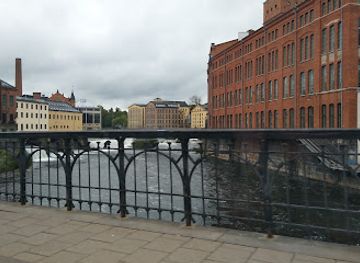
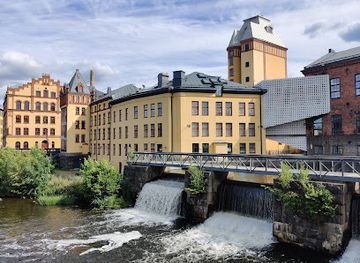
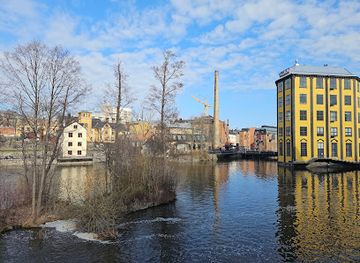
Norrköping stands in Östergötland, where the Motala ström drops through the city on its way from Lake Glan towards Bråviken. Waterpower shaped its identity: from the seventeenth century onwards, mills and factories gathered along the river, and the former textile district now forms Industrilandskapet, one of Sweden’s most distinctive urban environments. Red-brick factory walls, bridges, sluices and converted industrial buildings line the water, creating a setting that feels both monumental and closely connected to the city’s working past.Read more about Norrköping
A Cultural City Centre
Östergötland Beyond the Centre
When is the best time to visit Norrköping?
Best: June–August · 22–24°C| Month | High (°C) |
|---|---|
| January | 0 |
| February | 1 |
| March | 4 |
| April | 9 |
| May | 17 |
| June (best) | 22 |
| July (best) | 24 |
| August (best) | 23 |
| September | 18 |
| October | 12 |
| November | 5 |
| December | 1 |
Getting to and around Norrköping
How to get there
Transportation
Best attractions in Norrköping
Norrköping’s main attractions are concentrated around the Motala ström, where the former textile and engineering quarter known as Industrilandskapet offers an atmospheric sequence of brick façades, bridges, channels and converted factories. Arbetets museum, housed in the distinctive Strykjärnet building, examines working life and social history through exhibitions and personal stories. Nearby Visualiseringscenter C uses immersive displays to explore science, technology and visualisation, while the Norrköping City Museum places the riverfront industries within the city’s wider development. The Louis De Geer concert hall adds a performing-arts dimension to the old industrial setting. Outside the central quarter, Carl Johans park, Folkparken and the riverside promenades provide green space and public art. The city’s churches, historic streets and Knäppingsborg offer a slower architectural counterpoint to the factories, while Bråviken’s coastal scenery and the wooded Kolmården area lie within reach for separate excursions.
-
Shopping mall
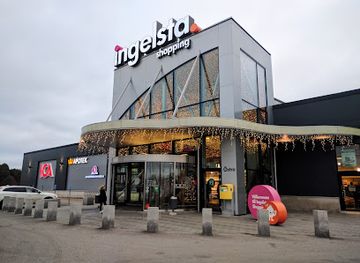
Ingelsta shopping
A practical, family-friendly shopping centre in northern Norrköping with a modern food court and a wide mix of everyday stores.
9 min drive · 3.1 km from city centre
-
Park
Folkparken
Norrköping's 20-hectare green oasis: English gardens, adventure golf, disc golf, playgrounds, and a golden grove honoring Olympic heroes amid 100+ tree species.
8 min walk · 0.6 km from city centre
-
Museum
Visualization Center C
Unlock scientific wonders through immersive visualizations and dome theater magic at this free research-driven science center in Norrköping's Industrial Landscape.
5 min walk · 0.4 km from city centre
-
Museum
Museum of Work
A free-entry social history museum in the Strykjärnet mill—story-driven displays about work, everyday life and documentary photography with river views.
5 min walk · 0.4 km from city centre
Best landmarks in Norrköping
The Strykjärnet building, an angular former industrial structure projecting into the Motala ström, has become Norrköping’s best-known visual emblem and houses Arbetets museum. Its presence belongs to the wider industrial landscape, where nineteenth-century factory buildings, sluices and bridges record the city’s manufacturing history. Hedvig Church, built in the eighteenth century, and S:t Olai Church represent the older civic and religious centre, while Norrköping City Hall expresses the confidence of the expanding municipal city. Carl Johans park provides a formal urban setting near the river, and Knäppingsborg preserves a compact cluster of historic commercial buildings adapted for modern use. Together these landmarks show how Norrköping grew from a river settlement into a manufacturing centre and then reworked its industrial heritage for cultural and public life.
-
Church
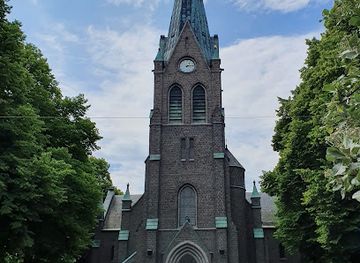
Saint John's Church
A composed early-20th-century parish church beside a tranquil churchyard — layered interiors, historic fixtures and a quiet civic presence in Norrköping.
6 min drive · 2.1 km from city centre
-
Tourist attraction
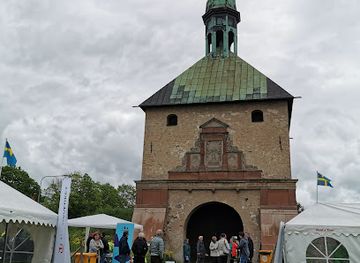
Johannisborgs castle ruins
Weathered walls and a lone tower on Norrköping's Motala Riverbank evoke 17th-century fortress glory, destroyed in 1719—a serene spot for history and reflection.
18 min walk · 1.4 km from city centre
-
Protestant church
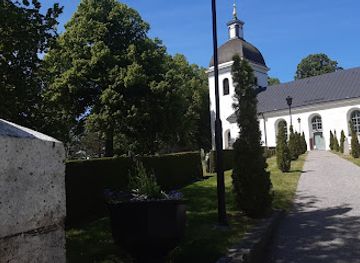
Styrstads Kyrka
A compact Gustavian church with medieval bones on a hill above the fields, where quiet architecture and old gravestones mark centuries of parish life.
19 min drive · 6.3 km from city centre
-
Museum
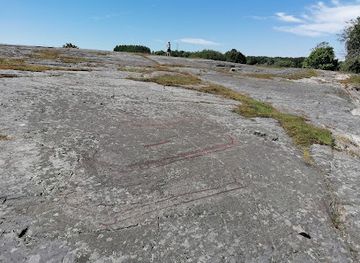
Himmelstalund Rock Carvings
Step onto wooden paths above 3,000-year-old petroglyphs: ships, warriors, and mysteries etched in stone, glowing red in a serene Norrköping park.
6 min drive · 2.0 km from city centre
Explore Norrköping on the map
Plan your Norrköping trip on one map. See where the top attractions, landmarks, restaurants, bars and hotels are, find what's near where you're staying, and book hotels and experiences in a few clicks.
Best hotels in Norrköping
Best restaurants in Norrköping
Norrköping’s dining scene reflects the food culture of Östergötland while drawing on Sweden’s wider traditions of seasonal produce, seafood, bread, dairy and carefully prepared game. Central restaurants and cafés occupy converted industrial buildings, older streets and the Knäppingsborg quarter, creating settings that range from informal coffee stops to contemporary dining rooms. Swedish staples such as open sandwiches, herring, meatballs, potato dishes and cinnamon buns appear alongside modern Nordic menus shaped by local vegetables, foraged ingredients and regional suppliers. Bakeries and cafés make fika—the Swedish pause for coffee and something sweet—an easy part of a day’s sightseeing. International restaurants and casual venues add variety, particularly around the centre and student-oriented areas. Food shops and market-style counters can be useful for picnic supplies before exploring the parks, river paths or the coastline around Bråviken.
-
Hamburger
Burgers & Bangers
Handmade buns, local beef and house sausages — a relaxed Norrköping spot for classic burgers, loaded fries and thick shakes.
7 min walk · 0.6 km from city centre
-
Italian
Pappa Grappa
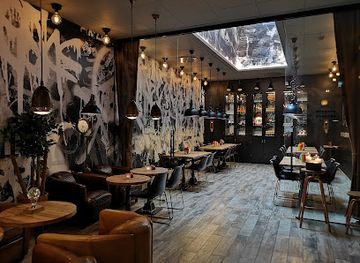
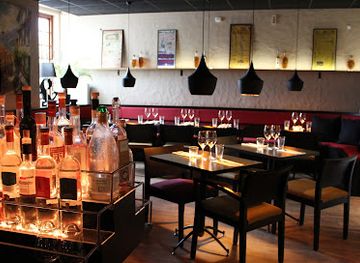
Rustic Italian trattoria in Norrköping's old town: stone-oven pizzas, fresh pastas, and grappa in a historic, cozy setting with summer terrace vibes.
7 min walk · 0.5 km from city centre
-
Asian
Rosegarden
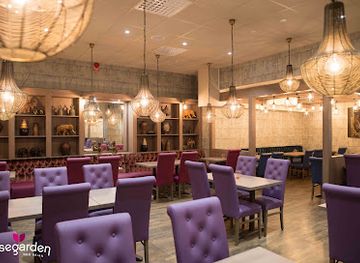
Expansive Asian buffet with sushi, Mongolian BBQ, and wok wonders in Norrköping's heart—fresh flavors for lunch or dinner indulgence.
13 min walk · 1.0 km from city centre
-
Tapas
Pinchos
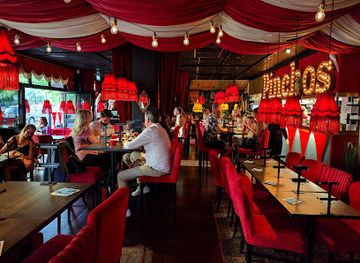
A colourful, app-friendly tapas bar on Kungsgatan serving shareable small plates, playful cocktails and plenty of vegetarian and vegan options.
1 min walk · 0.1 km from city centre
Best bars in Norrköping
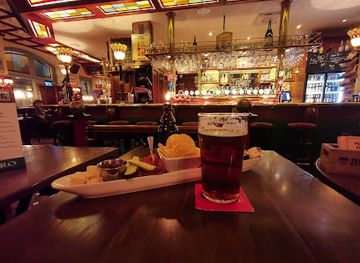
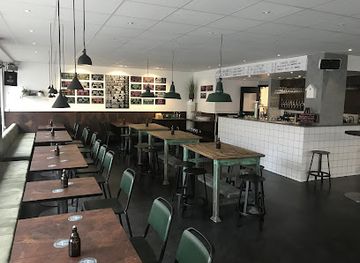
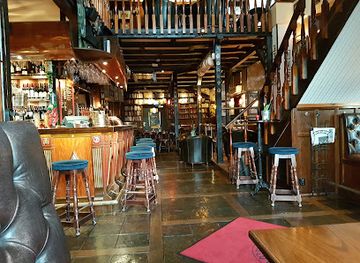
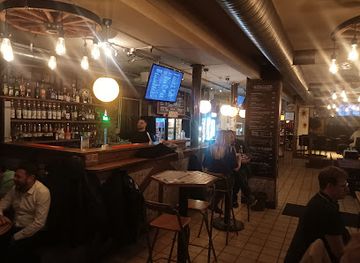
Norrköping’s evening life is concentrated in the compact centre and around the former industrial quarter rather than spread across a large club district. Pubs, beer bars, cocktail venues and cafés provide relaxed places to meet, with the city’s converted factories giving some venues a distinctive architectural setting. The Louis De Geer concert hall and other cultural spaces bring concerts, theatre, comedy and touring performances into the evening, while local programme listings may include live music and seasonal events. Student life contributes to a changing selection of bars and late venues, although the scale is more regional city than major nightlife capital. After-dark walks are especially atmospheric along the illuminated Motala ström, but visitors should use ordinary care around quieter stretches and check current transport arrangements when returning from the centre.
-
Restaurant
The Black Lion Inn
British pub charm in Norrköping's old town: craft beers, whiskies, hearty meals, and lively quizzes in a cozy L-shaped haven.
6 min walk · 0.5 km from city centre
-
Pub
Ölstugan Gull-Olle
Norrköping's craft beer oasis by Tyska Torget: 20+ rotating taps, Swedish pub grub, and cozy vibes for unforgettable evenings without breaking the bank.
8 min walk · 0.6 km from city centre
-
Gastropub
The Bishop Arms
Cozy English gastropub by Motala Ström in Norrköping: exceptional beers, pub classics from 79 SEK, summer garden, live weekend music, and riverside vibes since 1994.
7 min walk · 0.5 km from city centre
-
Bar
Världens Bar
Norrköping's go-to pub for craft beers, loaded burgers, and unfiltered neighborhood vibes beside the industrial riverside.
4 min walk · 0.3 km from city centre
Best nightclubs in Norrköping
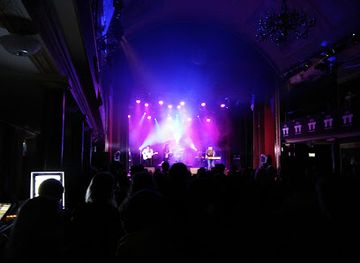
Norrköping’s evening life is concentrated in the compact centre and around the former industrial quarter rather than spread across a large club district. Pubs, beer bars, cocktail venues and cafés provide relaxed places to meet, with the city’s converted factories giving some venues a distinctive architectural setting. The Louis De Geer concert hall and other cultural spaces bring concerts, theatre, comedy and touring performances into the evening, while local programme listings may include live music and seasonal events. Student life contributes to a changing selection of bars and late venues, although the scale is more regional city than major nightlife capital. After-dark walks are especially atmospheric along the illuminated Motala ström, but visitors should use ordinary care around quieter stretches and check current transport arrangements when returning from the centre.
-
Night club
Arbis Bar & Salong
Vintage theatre turned live music gem: beers, bites, and beats in Norrköping's cultural heart. Unwind in historic charm or dance to local legends. (162 characters)
4 min walk · 0.3 km from city centre
-
Night club
Club Adam & Eve
Sweden's iconic swingers haven in a historic Norrköping building—spa, jacuzzi, 11 playrooms, and themed nights for adventurous couples and select singles.
4 min walk · 0.3 km from city centre
-
Night club
Puls Nattklubb
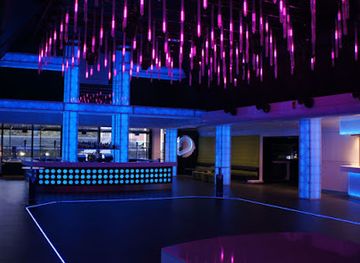
Östergötland's grandest nightclub: world-class lights, thunderous sound, dual dance floors, and VIP vibes on Slottsgatan for epic Friday-Saturday nights.
5 min walk · 0.4 km from city centre

Best shops in Norrköping
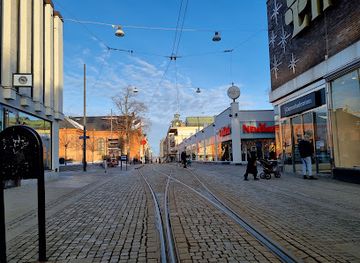
Shopping in Norrköping combines ordinary Swedish town-centre retail with smaller historic quarters and independent businesses. Knäppingsborg is the most distinctive area for browsing boutiques, cafés, design-led shops and specialist retailers in a restored urban setting, while the central streets around Drottninggatan and Galleria Domino provide more conventional shopping. Visitors seeking local character can look for Swedish food products, regional preserves, confectionery, textiles, ceramics, homeware and Scandinavian design rather than expecting a large traditional bazaar. The city’s industrial heritage also appears in shops and creative businesses occupying adapted factory premises. Supermarkets and food shops are useful for assembling a picnic for Folkparken, the riverside or Bråviken, while cafés and bakeries offer a natural pause between stores. Retail opening patterns vary, particularly on Sundays and around public holidays.
-
Shopping mall
Galleria Domino
Discover generous shopping, tasty bites, and lively events in Norrköping's central mall haven.
10 min walk · 0.8 km from city centre
-
Outlet store
Åhléns Outlet
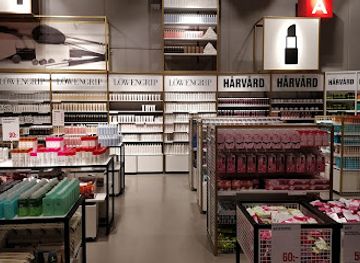
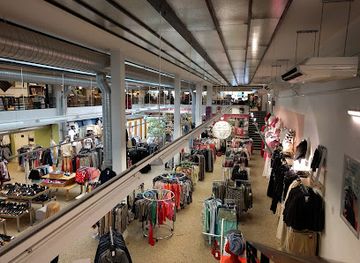
A compact, bargain-driven Åhléns outlet in Ingelsta — pared-down department-store choice with rotating discounted fashion, beauty and homewares.
7 min drive · 2.4 km from city centre
-
Second hand store
Myrorna
Two floors of curated second‑hand treasures in Norrköping’s old town — sustainable shopping that supports social work and always offers something new.
6 min walk · 0.5 km from city centre
-
Department store
Åhléns
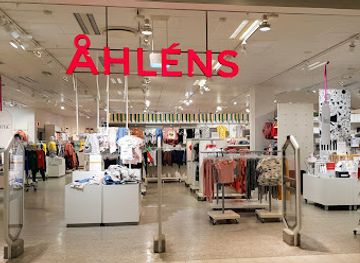
A compact central Åhléns store offering fashion, beauty and homeware for quick, dependable shopping in Norrköping’s heart.
11 min walk · 0.9 km from city centre
Get your free copy of our complete guide to Norrköping, delivered straight to you.
Everything on this page, from attractions and restaurants to essentials and local phrases, in one PDF you can read offline, print or share.
Already have an account? Sign in
Your Norrköping guide is ready.
We'll send it to · Not you? Sign out

Getting your guide ready…
We are putting together a fresh copy of the Norrköping guide. This can take up to a minute.
This can take a few moments. If your browser asks, choose Allow so the download can start. You'll find the guide in your Downloads folder.
Nothing happened? Download it again
Sorry, the guide is taking longer than usual. Please try again in a minute, or get it by email instead.
Norrköping essentials
Currency and Payment
Safety
Emergency Situations
Do's and Don'ts
Local Tips
From Eve
Local phrases worth knowing
You don't need to get them perfect. A few words go a long way, and locals appreciate the effort.
Basics
| English | Local | Say it |
|---|---|---|
| Hello | Hej | [hey] |
| Goodbye | Adjö | [ad-yo] |
| Yes | Ja | [ya] |
| No | Nej | [nay] |
| Please/You're welcome | Snälla/Tack | [snell-la/tack] |
| Thank you | Tack | [tack] |
| Excuse me/Sorry | Ursäkta | [oor-sak-ta] |
| How are you? | Hur mår du? | [hur mor doo] |
| Fine. And you? | Bra. Och du? | [bra. okh doo] |
| Do you speak English? | Talar du engelska? | [tah-lar doo en-gels-ka] |
| I don't understand | Jag förstår inte | [yah for-stor in-te] |
Eating & Drinking
| English | Local | Say it |
|---|---|---|
| I'd like to see the menu, please | Jag skulle vilja se menyn, tack | [yah skoo-le vil-ya se men-in, tack] |
| I don't eat meat | Jag äter inte kött | [yah eh-ter in-te shut] |
| Cheers! | Skål! | [skawl] |
| I would like to pay, please | Jag skulle vilja betala, tack | [yah skoo-le vil-ya bet-ah-la, tack] |
Emergencies
| English | Local | Say it |
|---|---|---|
| Help! | Hjälp! | [yelp] |
| Go away! | Gå iväg! | [go ee-vay] |
| Call the Police! | Ring polisen! | [ring po-lee-sen] |
| Call a doctor! | Ring en läkare! | [ring en leh-kah-reh] |
| I'm lost | Jag är vilse | [yah air vil-seh] |
| I'm ill | Jag är sjuk | [yah air shoook] |
Shopping
| English | Local | Say it |
|---|---|---|
| I'd like to buy... | Jag skulle vilja köpa... | [yah skoo-le vil-ya sher-pa] |
| I'm just looking | Jag tittar bara | [yah tee-tar bar-a] |
| How much is it? | Hur mycket kostar det? | [hur mer-ket kost-ar det] |
| That's too expensive | Det är för dyrt | [det air for deert] |
| Can you lower the price? | Kan du sänka priset? | [kan doo sen-ka pre-sit] |
Time & Numbers
| English | Local | Say it |
|---|---|---|
| What time is it? | Vad är klockan? | [vad air kluck-an] |
| It's one o'clock | Klockan är ett | [kluck-an air ett] |
| Half past (10) | Halv tio | [halv tee-oh] |
| Morning | Morgon | [morr-gon] |
| Afternoon | Eftermiddag | [ef-ter-meed-dag] |
| Evening | Kväll | [kvel] |
| Yesterday | Igår | [ee-gor] |
| Today | Idag | [ee-dag] |
| Tomorrow | Imorgon | [ee-morr-gon] |
| 1 | Ett | [ett] |
| 2 | Två | [tvoh] |
| 3 | Tre | [treh] |
| 4 | Fyra | [fy-rah] |
| 5 | Fem | [fem] |
| 6 | Sex | [seks] |
| 7 | Sju | [shoo] |
| 8 | Åtta | [ot-ta] |
| 9 | Nio | [nee-oh] |
| 10 | Tio | [tee-oh] |
Transport & Directions
| English | Local | Say it |
|---|---|---|
| Where's a/the...? | Var är en/den...? | [var air en/den] |
| What's the address? | Vad är adressen? | [vad air ah-dress-en] |
| Can you show me (on the map)? | Kan du visa mig (på kartan)? | [kan doo vee-sa may (poh car-tan)] |
| When's the next (bus)? | När går nästa (buss)? | [nair gor nes-ta (booss)] |
| A ticket (to ....) | En biljett (till ....) | [en bil-yet (teel)] |
History of Norrköping
Medieval Beginnings beside the River
Norrköping developed beside the rapids of the Motala ström, whose location offered advantages for trade, fishing and early industry. The settlement was granted town privileges in 1384 during the reign of Magnus Eriksson, placing it among Sweden’s medieval urban communities. Its position between the inland waterways of Östergötland and the Bråviken coast encouraged commerce, although the town remained modest in size for centuries. The river was always central to its prospects: its current provided transport and, later, mechanical power. The medieval town plan was repeatedly altered by fire, rebuilding and industrial expansion, but the relationship between the urban centre and the waterway remains a defining feature of Norrköping.
Royal Power and Early Manufacturing
During the seventeenth century, Norrköping benefited from Sweden’s expanding state and commercial economy. King Johan III supported urban development, while Dutch-born industrialist Louis De Geer established workshops and manufacturing operations in the town during the 1630s. Arms production, metalworking and textile manufacture grew around the Motala ström, laying foundations for the industrial city that followed. De Geer’s activities also connected Norrköping to international trade and skilled migration. Although fires and wars repeatedly disrupted urban life, the riverfront’s factories became a durable part of the city’s economy. Several cultural institutions and public spaces still carry the De Geer name, reflecting this formative period.
Fire, War and Reconstruction
Norrköping suffered severe destruction during the Russian Pillage of 1719, when Russian forces attacked settlements along Sweden’s Baltic coast during the Great Northern War. Much of the town was burned, adding to damage caused by earlier urban fires. Reconstruction gradually restored commercial and civic life, but the town’s vulnerability to fire led to changes in building practices and street development. In the eighteenth century, trade, crafts and manufacturing continued to support recovery. The rebuilt town did not simply reproduce its medieval form: successive plans and expanding workshops created a more organised urban setting, preparing Norrköping for the industrial growth of the nineteenth century.
The Textile City Takes Shape
Nineteenth-century Norrköping became one of Sweden’s leading textile centres. Cotton mills, woollen factories, dye works and engineering businesses clustered beside the Motala ström, where water turbines supplied energy before steam and electricity broadened industrial capacity. Workers arrived from surrounding districts and settled in a growing town with schools, associations, shops and transport links. The surviving red-brick industrial buildings around Industrilandskapet date largely from this period of expansion, although the quarter contains structures from several phases. Industrial employment shaped social life as well as the skyline, creating a strong labour movement and civic culture that are documented today by Arbetets museum.
Modern Industry and Urban Change
Norrköping’s textile economy faced mounting pressure during the twentieth century as production methods and international competition changed. Many factories closed or moved, leaving the riverfront with large industrial premises and a population accustomed to manufacturing work. Rather than erasing the area, the city gradually adapted it for education, culture, offices and public life. Former factories became museums, concert facilities and creative venues, while bridges and water channels retained the physical evidence of industrial processes. This transformation preserved an important part of Norrköping’s social history without freezing the district as an open-air monument.
A Contemporary Cultural Centre
Today Norrköping combines its industrial inheritance with the functions of a regional cultural and educational centre. The restored river district hosts Arbetets museum, Visualiseringscenter C and other institutions, while the Louis De Geer concert hall provides a major setting for music and performance. Public art, university education and new businesses have added contemporary layers to the old manufacturing landscape. The city’s history remains present not only in museums but also in the arrangement of the river, factory façades, workers’ stories and civic buildings. Norrköping’s modern identity is therefore based on adaptation: industrial structures have gained new uses while the river continues to organise the city.
Norrköping in Photos
Browse through our photo collection highlighting the charm and character of the destination.
Cities near Norrköping
The closest cities to Norrköping, if you have time for more than one stop.
-

-

-

-

-


Swipe for more cities
Explore more
Explore more of Sweden
Discover Sweden's breathtaking landscapes, vibrant cities, and rich cultural heritage. From the Northern Lights to historic castles, experience the essence of Scandinavia.
Explore Sweden