Borgholm Castle, Oland Travel Guide
A vast Baroque-turned-ruin on Öland’s headland — ancient walls, sea views and centuries of Swedish history under open sky.
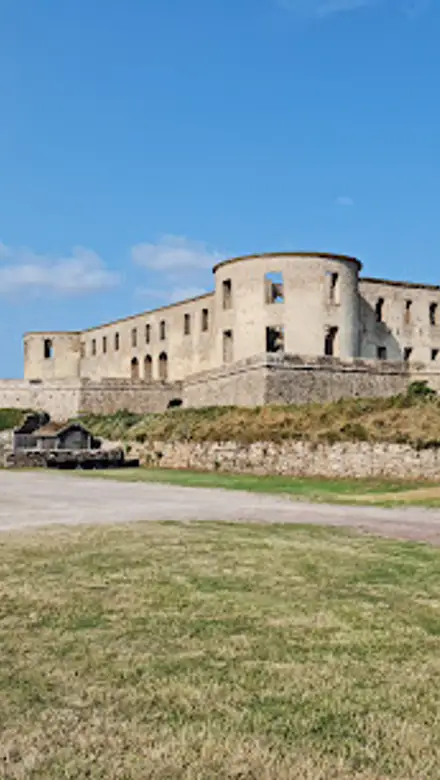
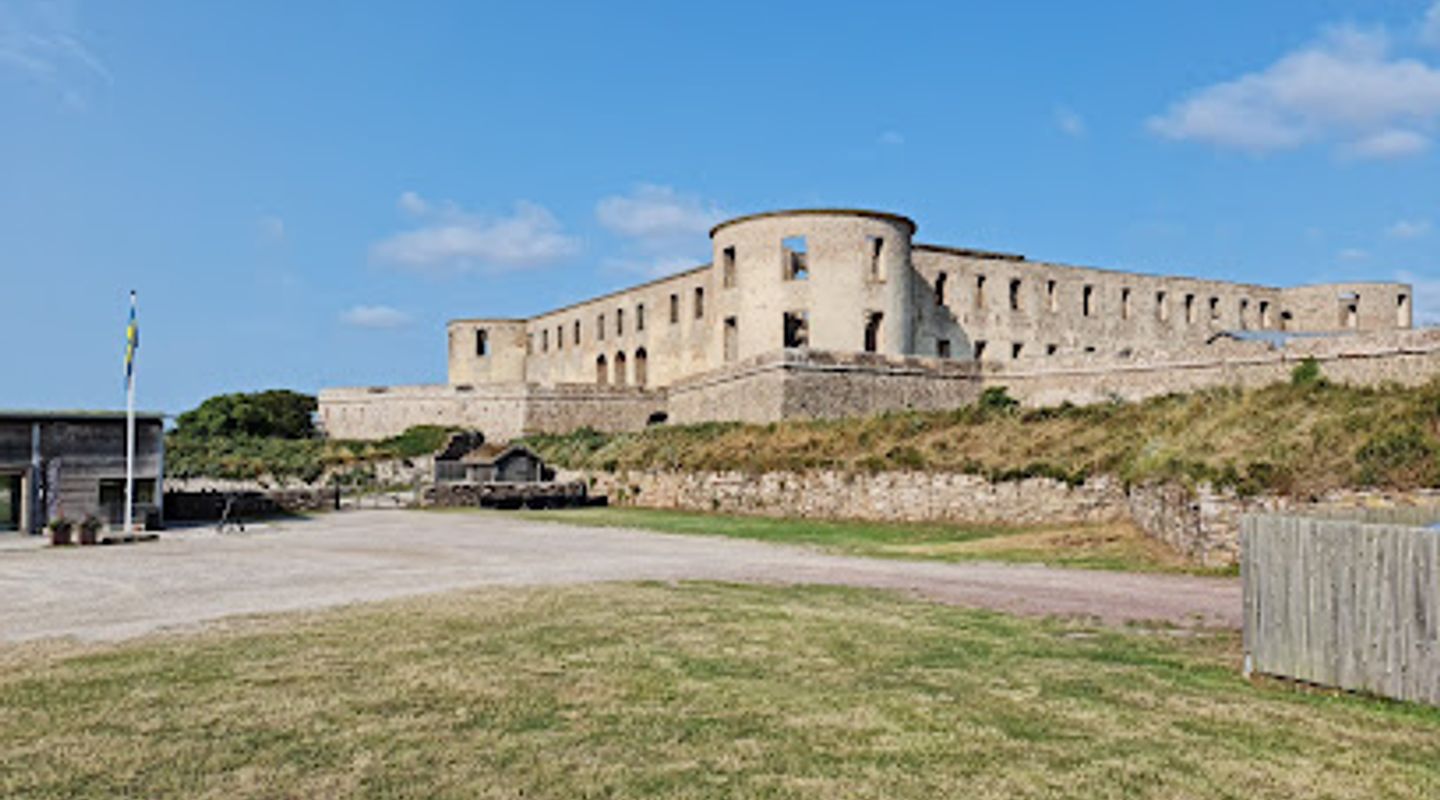
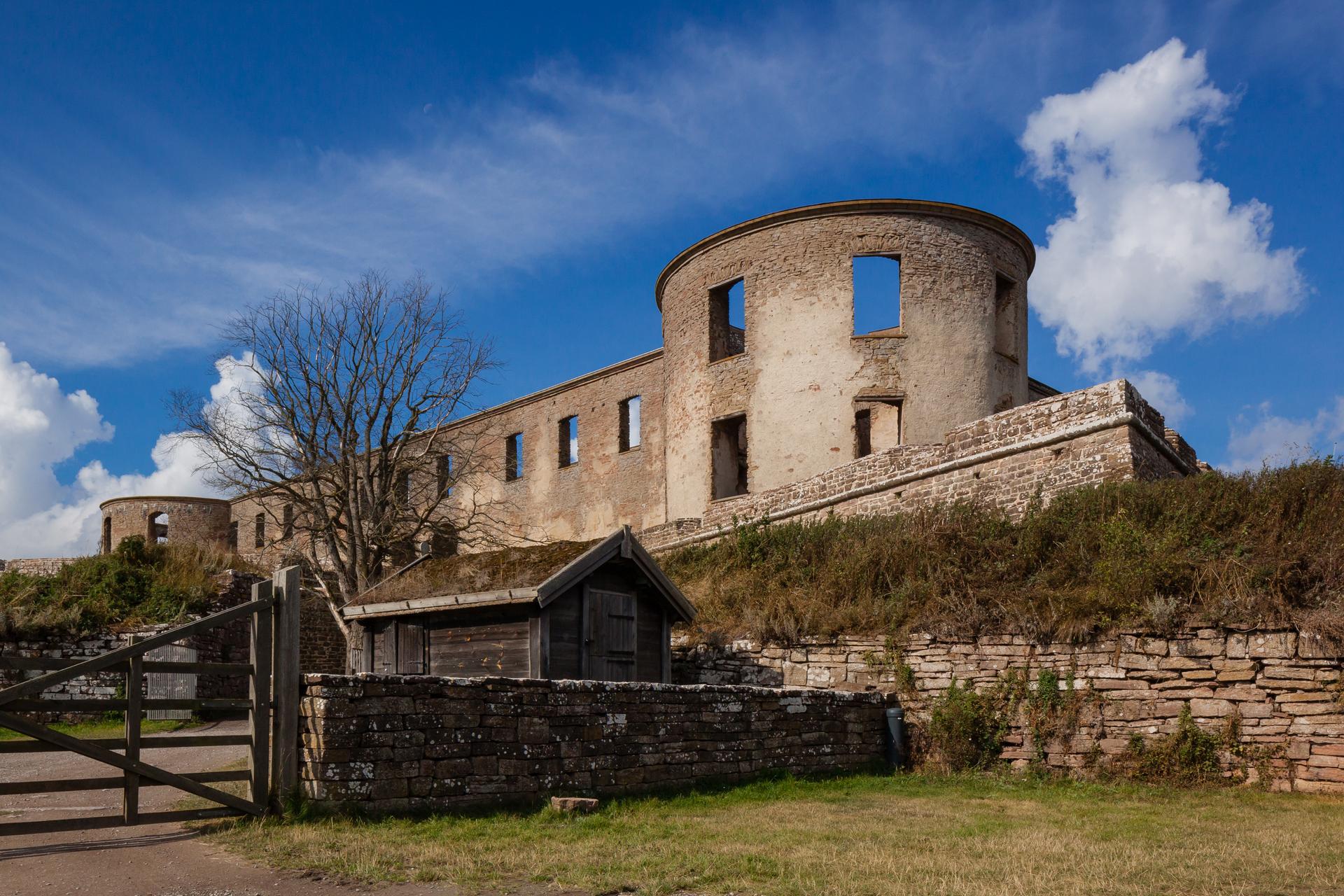
Perched above the Kalmar Strait on Öland, Borgholm Castle is an immense limestone ruin with nearly a millennium of history: a medieval keep that became a Renaissance palace and later a Baroque royal residence before a catastrophic 1806 fire left the shell you see today. Wide courtyards, arched galleries and crumbling towers frame panoramic views over the island and sea; the site now houses exhibitions, seasonal events and family activities that bring the stones to life.
A brief summary to Borgholm Castle
- Sollidenvägen 5, Borgholm, 387 94, SE
- Click to display
- Click to display
- Duration: 0.5 to 3 hours
- Mid ranged
-
 Outdoor
- Mobile reception: 4 out of 5
- Monday 10 am-6 pm
- Tuesday 10 am-6 pm
- Wednesday 10 am-6 pm
- Thursday 10 am-6 pm
- Friday 10 am-6 pm
- Saturday 10 am-6 pm
- Sunday 10 am-6 pm

Know before you go
Hi, I'm Eve. Here are a few practical things to know before exploring Borgholm Castle.
- Bring windproof layers — the castle sits exposed on a headland and conditions change quickly even on mild days.
- Wear sturdy soles for uneven stone floors and worn stairways; some areas can be slippery after rain.
- Check the castle’s program board for exhibitions and concerts; events often use the dramatic courtyard as a stage.
- Dogs are permitted on the grounds, but follow on-site rules and keep the site litter-free to protect the ruins.
Do you manage this location?
Take control to get all the benefits, like improved information, better appearance, and stronger visibility across AI-powered discovery. Learn more about listing your business on Evendo
Activate your presenceOther nearby places you may find interesting
The closest places of the same kind, if this one is not quite what you had in mind.
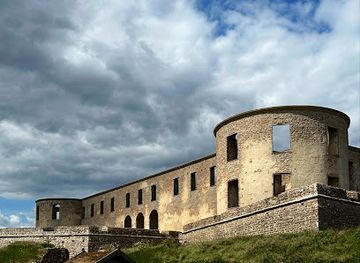
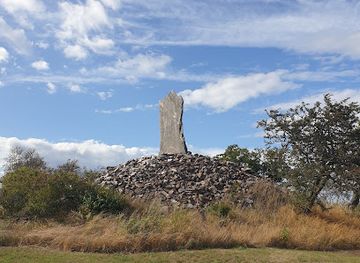
Explore Borgholm Castle on the Map
A handpicked selection of must-see spots near Borgholm Castle, mapped for you.
Getting There
-
By regional bus
Regional bus service from Kalmar to Borgholm runs regularly during daytime in the tourist season; typical travel time is approximately 45–70 minutes depending on timetable and stops. Services are more frequent in summer and may run less often in winter; single-ticket fares typically cost in the range of 40–80 SEK per person. Expect a short uphill walk from the town bus stop to the castle grounds; check local timetables for seasonal changes.
-
By car
Driving from central Borgholm takes roughly 5–15 minutes depending on starting point and traffic; from Kalmar the drive typically takes about 30–40 minutes. Limited parking is available near the site during peak season and special events may restrict access; some parking areas are paid. Note that road and event parking rules can change during festivals and summer weekends.
-
By taxi or regional transfer
Taxi from Kalmar or nearby towns is a convenient option with travel times of around 30–45 minutes and fares commonly between 500–900 SEK depending on provider and time of day; pre-booking is recommended during busy periods. Taxis drop off close to the castle but availability can be limited late evening or on low-service days.
For the on-the-go comforts that matter to you
-
 Restrooms
-
 Drink Options
-
 Food Options
-
 Seating Areas
-
 Information Boards
-
 Visitor Center
Discover more about Borgholm Castle
Ancient foundations and shifting roles
Borgholm Castle's story begins in the medieval era when a defensive keep was established here to watch the Baltic approaches; archaeological and documentary traces link occupation on the headland back many centuries. Over time the fortress expanded into a complex of walls, towers and baileys, rebuilt repeatedly as military needs, royal tastes and artillery technology changed. By the 16th century the site had evolved from a gloomy stronghold into an ornate Renaissance residence, reflecting the ambitions of Sweden's ruling houses.Transformation into a Baroque palace
In the 17th century the castle underwent its most dramatic remodelling, reshaped as an ambitious Baroque palace with broad courtyards, formal facades and richly scaled halls. That era gave Borgholm the monumental proportions that remain visible in the ruins today: the thick limestone walls, long arcades and the sense of a once-grand interior ordered around expansive open spaces. The palace phase was intended to showcase royal prestige and functioned both as residence and symbol of authority in the Baltic region.Fire, ruin and the architecture that remains
A devastating fire in 1806 gutted the palace and left a structural skeleton of walls, staircases and vaults that has been preserved as a ruin rather than rebuilt. The surviving masonry exposes construction techniques, window and gateway arrangements, and traces of layered repairs from different centuries. Walk the paved courtyards and you’ll notice contrasting masonry—older medieval rubble at the base, later neatly cut limestone blocks higher up—evidence of the castle’s long, palimpsest-like life.Landscape, light and viewpoints
The castle occupies a promontory above the surrounding Öland landscape; from its outer walls you can look out across cultivated fields, the island’s characteristic terrain and the ribbon of the Kalmar Strait. The site’s exposure to sea light and wind gives the ruins a shifting character through the day: crisp silhouette and cool stone in morning light, warmer tonal contrasts at sunset. The elevated terraces and surviving window openings frame small, cinematic views that reward slow exploration.Living history: museum displays and seasonal programming
Within the ruins the castle operates as a living museum: curated exhibits present finds from excavations and reconstructions of how rooms and fortifications developed, while temporary art shows, concerts and family workshops animate the space through the year. Activity areas for children and interpretive displays help decode defensive features, domestic architecture and the social lives that once played out here, turning a ruin into an accessible education site without obscuring its monumental scale.Character, atmosphere and what to expect at the site
Borgholm Castle is both monumental and intimate: monumental in scale, intimate in the details revealed up close—the chisel marks in stone, the traces of plaster on inner walls, the weathered stair grooves worn by feet across centuries. The site is exposed to the elements, so wind and open skies are part of the experience; sound carries across the courtyards and seals the sense that these are architectural remains that belong equally to nature and history. The ruin is managed to balance preservation and public access, with information points and seasonal services that encourage contemplation as much as discovery.












Your all‑in‑one travel companion app
Explore expert travel guides, compare and book tours, experiences, hotels, and more—all from the palm of your hand. Download now for seamless trip planning wherever your wanderlust takes you.


Explore More of Oland
Looking beyond Borgholm Castle? Discover Oland for broader travel guides, local hot-spots, and regional highlights.
Explore Oland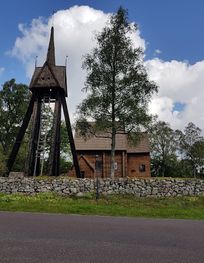
Sweden's oldest wooden church: an 800-year-old log marvel with biblical murals, preserved by rural devotion in tranquil Småland forests.
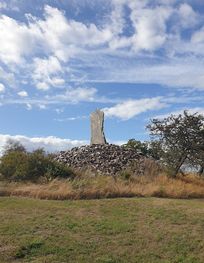
Crowning a mighty cairn, this 1873 tribute to King Karl XV's hunts hides a time capsule amid Öland's windswept alvars and castle shadows.