

Free Öland Travel Guide & Mobile App
Explore Öland with free travel guides. Discover regional history, expert tips, proposed trips, and audio guides on web or mobile app.


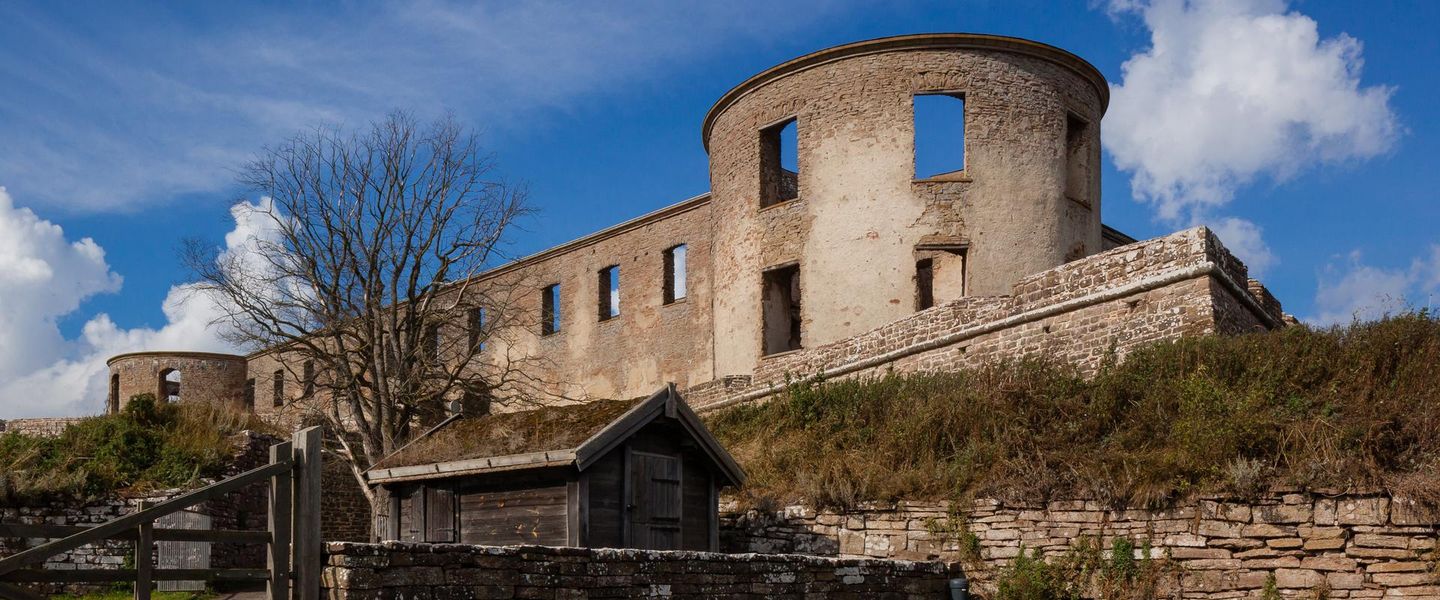


Explore Öland’s limestone plains, royal heritage, Baltic beaches, bird reserves and historic villages on Sweden’s distinctive island.
Read more about Öland
When is the best time to visit Öland?
Best: June–August · 19–22°C| Month | High (°C) | Rainfall (mm) |
|---|---|---|
| January | 2 | 40 |
| February | 2 | 35 |
| March | 6 | 35 |
| April | 10 | 40 |
| May | 16 | 45 |
| June (best) | 19 | 50 |
| July (best) | 22 | 60 |
| August (best) | 20 | 60 |
| September | 17 | 50 |
| October | 13 | 50 |
| November | 8 | 45 |
| December | 3 | 45 |
Getting to and around Öland
How to get there
Transportation
Top city travel guides in Öland
The cities of Öland, and the easiest places to base yourself.

Swipe for more cities
Best attractions in Öland
Öland’s attractions combine living agricultural landscapes, Baltic nature and a concentrated collection of historic sites. In the south, the UNESCO-listed Southern Öland Agricultural Landscape is experienced through villages, stone walls, grazing land, ancient paths and the open limestone terrain of the Stora Alvaret. Eketorp offers an accessible introduction to Iron Age settlement through its excavated and reconstructed ring fort. Central Öland is anchored by Borgholm Castle, whose vast ruined walls form the island’s leading historic attraction, and Solliden Palace, where gardens and royal associations add a different perspective on the area’s modern history. The northern part is more wooded and suited to coastal walks, cycling and visits to long-established seaside resorts and beaches. At the island’s extremities, Ottenby is important for bird migration and wildlife observation, while the lighthouses Långe Jan and Långe Erik give the southern and northern coasts distinct visual markers. Smaller churches, windmills, craft studios, local museums and seasonal gardens broaden the experience beyond the headline sights. Visitors should plan around weather and daylight, as many attractions are spread along an island where nature reserves and rural heritage are often the main reason to travel between settlements.
-
Castle
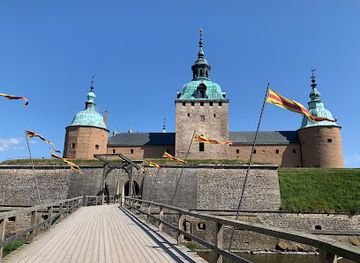
Kalmar Castle
A well-preserved island-set Renaissance castle where 12th-century foundations meet 16th-century Vasa splendour and lively seasonal programming.
-
Tourist attraction
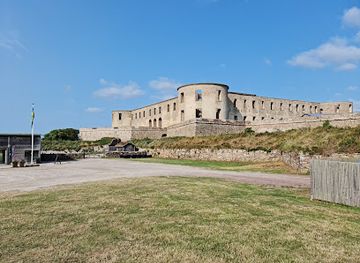
Borgholm Castle
An awe-inspiring Baroque ruin on Öland where exposed limestone walls, museum displays and seaside views trace 800–900 years of Nordic history.
-
Tourist attraction
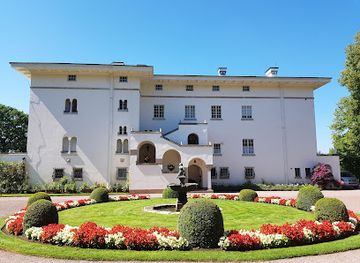
Solliden Palace
Wander the royal gardens of Sweden's king at Solliden Palace, where Queen Victoria's floral legacy blooms eternally on Öland's Baltic shores.
-
Wildlife refuge
Trollskogen
Twisted pines, coastal whispers, and interactive nature wonders await at Öland's northeastern gem, Trollskogen.
Best landmarks in Öland
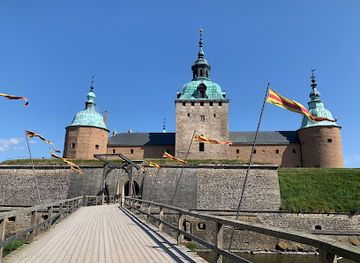
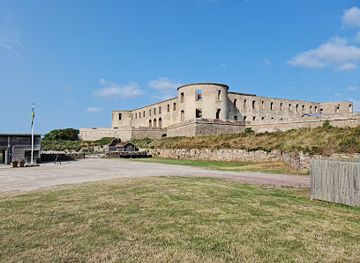
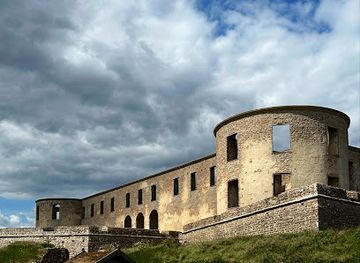
Borgholm Castle is Öland’s most recognisable historic landmark, a monumental stone fortress whose roofless halls and defensive walls occupy a prominent position above the Kalmar Strait. Its ruined form records both medieval origins and later royal rebuilding, while nearby Solliden Palace represents the island’s twentieth-century royal landscape through its architecture and gardens. At the southern tip, Långe Jan is a defining maritime landmark and a useful reference point beside the Ottenby bird reserve. Långe Erik performs a similar role at the northern end of the island, standing on the small island of Stora grundet off the northern coast. The limestone formations at Byrum, known as raukar, are natural landmarks shaped by erosion and provide a striking contrast with Öland’s open agricultural plain. In the south, the Stora Alvaret is less a single monument than a vast geographical and cultural landmark, whose exposed limestone, rare vegetation and grazing traditions explain much of Öland’s identity. Traditional wooden windmills and medieval stone churches complete a dispersed landmark system visible across villages and farmland rather than concentrated in one urban centre.
-
Castle
Kalmar Castle
A compact island Renaissance castle where 800 years of Nordic history meet battlements, painted halls and seasonal family events.
-
Castle
Borgholm Castle
A vast Baroque-turned-ruin on Öland’s headland — ancient walls, sea views and centuries of Swedish history under open sky.
-
Castle
Solliden Palace
Wander the royal gardens of Sweden's king at Solliden Palace, a Baltic island gem blending heritage, horticulture, and serene coastal beauty on Öland.
-
Tourist attraction
Långe Erik
A 19th‑century whitewashed limestone lighthouse at Öland’s northern tip offering panoramic Baltic views and a compact maritime historic site.
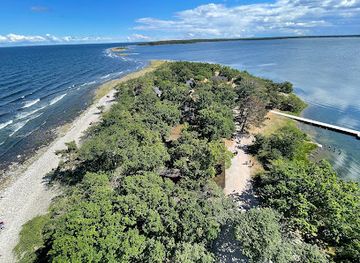
Explore Öland on the map
Plan your trip on one map. See where the top cities, national parks and sights are, and book hotels and experiences in a few clicks.
Best hotels in Öland
Best restaurants in Öland
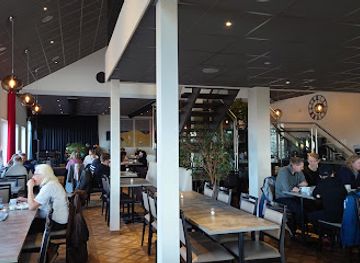
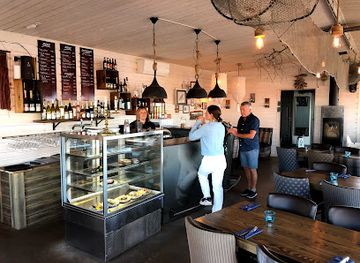
Öland’s food culture reflects its farming landscape, Baltic coast and strong summer visitor economy. Menus commonly draw on island-grown vegetables, potatoes, berries, apples, herbs and grains, with local farm shops and seasonal stalls offering produce for picnics or self-catering. Fish and seafood feature in coastal communities, while cafés and bakeries provide traditional Swedish pastries, bread and coffee alongside contemporary interpretations of regional ingredients. Restaurants range from harbour dining and town cafés in Borgholm to rural inns, farm-based kitchens and casual seasonal establishments near beaches and attractions. Öland’s agricultural identity is particularly apparent in the south, where food is closely connected with fields, grazing land and small-scale producers. Visitors may also encounter locally made cheeses, preserves, meat products and drinks, though availability changes with season and producer. Booking is sensible during the main summer period, especially in Borgholm and around popular coastal areas, while quieter months bring fewer dining choices and shorter operating periods.
-
Restaurant
Arontorp Kroppkakor & Food AB
Savor handmade Öland kroppkakor, breakfast buffets, and drive-in delights in a cozy rural haven with camper sites—authentic Swedish comfort amid island tranquility.
-
Restaurant
Kårehamns Fisk & Havskök
Harbour-side fish restaurant and shop in Kårehamn — fresh catch, simple cooking and a relaxed seaside setting on northern Öland.
-
Restaurant
Lammet & Grisen
Rustic whole-roast lamb and grill fare in a lively, communal dining setting just outside Löttorp on Öland.
-
Restaurant
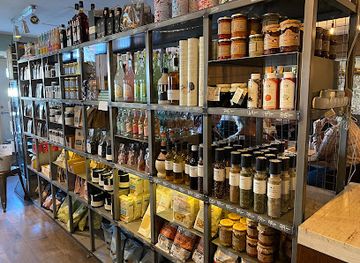
Ölands choklad
Handmade pralines, Italian gelato and harbour-side café charm at Färjestaden’s Södra Hamnplan.
Best bars in Öland
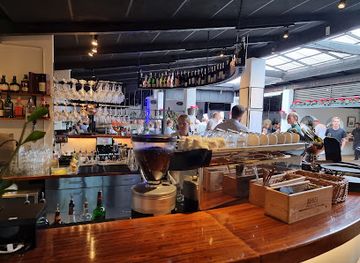
Öland’s evening life is seasonal and generally more relaxed than that of Sweden’s major cities. Borgholm has the island’s broadest choice of pubs, restaurants, harbour bars and occasional live-music settings, with activity increasing markedly during the summer. Elsewhere, evenings tend to centre on traditional pubs, hotel bars, cafés, rural restaurants and the social spaces attached to holiday accommodation rather than a large nightclub scene. Some resort areas have more energetic summer entertainment, but venues and programmes can change from year to year. Local breweries and drinks producers may provide a contemporary element, while farm-based hospitality offers a quieter alternative to town nightlife. Outside the high season, many small communities become calm after dinner, making the island better suited to coastal walks, conversation and early starts for birdwatching or cycling than to late-night clubbing.
-
Bar
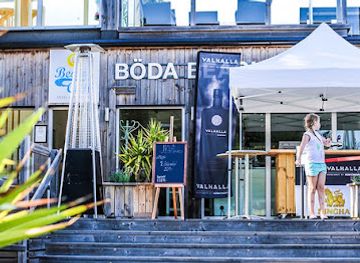
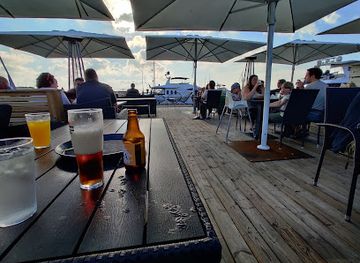
Böda Beach Club
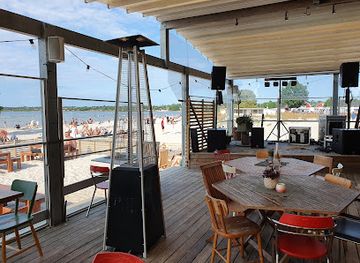
A relaxed seaside bar-restaurant on Öland where timber decks, simple coastal dishes and sunset drinks meet the long sandy shore.
-
Bar
Ebbas By The Sea
Harbor hugs and hearty bites: burgers, brews, and Baltic sunsets at Öland's waterfront favorite.
-
Bar
Hamnpuben
A relaxed harbour pub in Byxelkrok serving seafood, burgers and beer with a sunny terrace and seasonal live-music nights.
-
Bar
Sinus Bar & Strandrestaurang
Öland's beach club gem: Southern European bites, live music, pier after-beach, and unforgettable sunsets just steps from the sand in Köpingsvik.
Best nightclubs in Öland
Öland’s evening life is seasonal and generally more relaxed than that of Sweden’s major cities. Borgholm has the island’s broadest choice of pubs, restaurants, harbour bars and occasional live-music settings, with activity increasing markedly during the summer. Elsewhere, evenings tend to centre on traditional pubs, hotel bars, cafés, rural restaurants and the social spaces attached to holiday accommodation rather than a large nightclub scene. Some resort areas have more energetic summer entertainment, but venues and programmes can change from year to year. Local breweries and drinks producers may provide a contemporary element, while farm-based hospitality offers a quieter alternative to town nightlife. Outside the high season, many small communities become calm after dinner, making the island better suited to coastal walks, conversation and early starts for birdwatching or cycling than to late-night clubbing.
-
Night club
Krögers
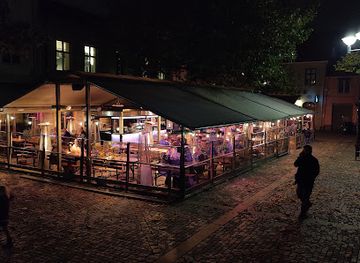
Kalmar's enduring pub heartbeat on Larmtorget: hearty eats, flowing drinks, and terrace vibes since 1993.
-
Gay night club
Club Backdoor
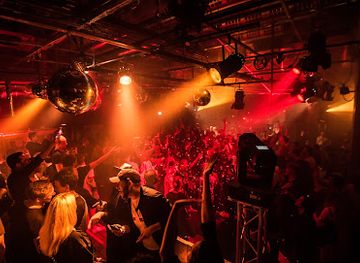
Scandinavia's boldest gay club: three floors, epic sounds, and non-stop energy from 11pm to 5am every Friday and Saturday in Stockholm's Johanneshov.
-
Night club
Riff Borgholm AB
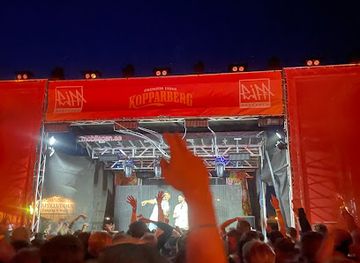
Öland's beating heart of weekend beats: Riff Borgholm delivers island nightlife with restaurant flair from Thu-Sun till 3 AM.
Best shops in Öland
Shopping on Öland is strongest in Borgholm, where independent shops, galleries, cafés and seasonal businesses serve both residents and summer visitors. Across the island, market towns and villages offer a more modest selection, while farm shops and roadside stalls are important places to find vegetables, berries, preserves, baked goods, dairy products and other local produce. Craft shopping often focuses on ceramics, textiles, woodwork, jewellery, artwork and items inspired by the island’s limestone landscapes or maritime setting. Galleries and studios are scattered through the countryside, though opening arrangements can be seasonal and are not always suited to late-day visits. Traditional design, food products and locally made crafts make more meaningful souvenirs than generic beach merchandise. Visitors staying in self-catering accommodation can use producer shops and seasonal markets to assemble meals, but should expect different levels of choice in the quieter winter months and outside Borgholm.
-
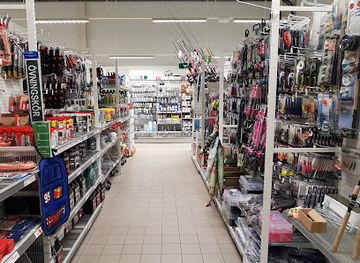
Department store
ÖoB
A compact, value-driven department store in central Färjestaden—practical goods, seasonal bargains and straightforward shopping.
-
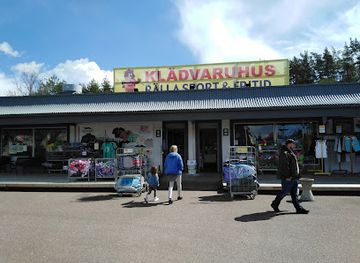
Clothing store
Rälla Sport & Fritid AB
Seasonal, family-run sports and clothing shop on Öland offering practical outdoor wear, swimwear and everyday fashion near Borgholm.
-
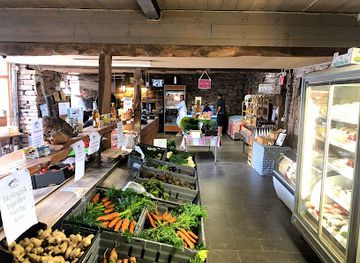
Fruit and vegetable store
Stenladan
Öland's countryside gem: farm-fresh fruits, veggies, and local treasures just off the bridge in Algutsrum.
-
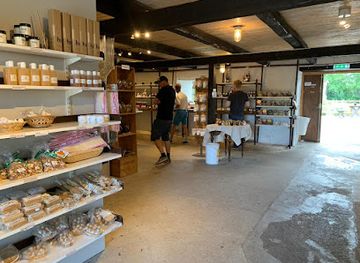
Grocery store
Ölands Örtagård AB
Savor Öland's herbal heart: Wander 320+ spice gardens, shop artisanal oils, jams & global flavors in a UNESCO World Heritage gem.
Get your free copy of our complete guide to Öland, delivered straight to you.
Everything on this page, from attractions and restaurants to essentials and local phrases, in one PDF you can read offline, print or share.
Already have an account? Sign in
Your Öland guide is ready.
We'll send it to · Not you? Sign out

Getting your guide ready…
We are putting together a fresh copy of the Öland guide. This can take up to a minute.
This can take a few moments. If your browser asks, choose Allow so the download can start. You'll find the guide in your Downloads folder.
Nothing happened? Download it again
Sorry, the guide is taking longer than usual. Please try again in a minute, or get it by email instead.
Öland essentials
Currency and Payment
Safety
Emergency Situations
Do's and Don'ts
Local Tips
From Eve
Local phrases worth knowing
You don't need to get them perfect. A few words go a long way, and locals appreciate the effort.
Basics
| English | Local | Say it |
|---|---|---|
| Hello | Hej | [/heɪ/] |
| Goodbye | Hejdå | [/ˈheɪˌdoʊ/] |
| Yes | Ja | [/jɑː/] |
| No | Nej | [/neɪ/] |
| Please/You're welcome | Snälla/Tack så mycket | [/ˈsnɛl.la/ /tɑk sɔː ˈmɪk.ɛt/] |
| Thank you | Tack | [/tɑk/] |
| Excuse me/Sorry | Ursäkta mig/Förlåt | [/ʊrˈseɪk.tɑ/ /fœrˈloːt/] |
| How are you? | Hur mår du? | [/hʊr mɔːr dʊ/] |
| Fine. And you? | Bra. Och du? | [/brɑː/ /ɔx dʊ/] |
| Do you speak English? | Talar du engelska? | [/ˈtɑː.lɑr dʊ ˈɛŋ.ɡɛl.ska/] |
| I don't understand | Jag förstår inte | [/jɑːɡ fœrˈstoːr ˈɪn.tɛ/] |
Eating & Drinking
| English | Local | Say it |
|---|---|---|
| I'd like to see the menu, please | Jag skulle vilja se menyn, snälla | [/jɑːɡ ˈskʊl.lɛ ˈvɪl.ja seː ˈme.nʏn ˈsnɛl.la/] |
| I don't eat meat | Jag äter inte kött | [/jɑːɡ ˈɛː.tɛr ˈɪn.tɛ ˈjœt/] |
| Cheers! | Skål! | [/skoːl/] |
| I would like to pay, please | Jag skulle vilja betala, snälla | [/jɑːɡ ˈskʊl.lɛ ˈvɪl.ja bəˈtɑː.lɑ ˈsnɛl.la/] |
Emergencies
| English | Local | Say it |
|---|---|---|
| Help! | Hjälp! | [/jɛlp/] |
| Go away! | Gå bort! | [/ɡɔː bɔrt/] |
| Call the Police! | Ring polisen! | [/rɪŋ pʊˈliː.sɛn/] |
| Call a doctor! | Ring en läkare! | [/rɪŋ ɛn ˈlɛː.kɑ.rɛ/] |
| I'm lost | Jag har gått vilse | [/jɑːɡ hɑːr ɡɔt ˈvɪl.sɛ/] |
| I'm ill | Jag är sjuk | [/jɑːɡ ɛːr ʃʊk/] |
Shopping
| English | Local | Say it |
|---|---|---|
| I'd like to buy... | Jag skulle vilja köpa... | [/jɑːɡ ˈskʊl.lɛ ˈvɪl.ja ˈjøː.pɑ/] |
| I'm just looking | Jag tittar bara | [/jɑːɡ ˈtɪt.tɑr ˈbɑː.rɑ/] |
| How much is it? | Hur mycket kostar det? | [/hʊr ˈmʏk.ɛt ˈkɔs.tɑr dɛt/] |
| That's too expensive | Det är för dyrt | [/dɛt ɛːr fœr ˈdʏrt/] |
| Can you lower the price? | Kan du sänka priset? | [/kɑn dʊ ˈsɛŋ.kɑ ˈpriː.sɛt/] |
Time & Numbers
| English | Local | Say it |
|---|---|---|
| What time is it? | Vad är klockan? | [/vɑːd ɛːr ˈklɔk.kɑn/] |
| It's one o'clock | Det är ett på klockan | [/dɛt ɛːr ɛt pɔ ˈklɔk.kɑn/] |
| Half past (10) | Halv (10) | [/halv (10)/] |
| Morning | Morgon | [/ˈmɔr.ɡɔn/] |
| Afternoon | Eftermiddag | [/ˈɛf.tɛr.mɪ.dɑɡ/] |
| Evening | Kväll | [/kvɛl/] |
| Yesterday | Igår | [/iˈɡoːr/] |
| Today | Idag | [/iˈdɑːɡ/] |
| Tomorrow | Imorgon | [/iˈmɔr.ɡɔn/] |
| 1 | 1 | [/1/] |
| 2 | 2 | [/2/] |
| 3 | 3 | [/3/] |
| 4 | 4 | [/4/] |
| 5 | 5 | [/5/] |
| 6 | 6 | [/6/] |
| 7 | 7 | [/7/] |
| 8 | 8 | [/8/] |
| 9 | 9 | [/9/] |
| 10 | 10 | [/10/] |
Transport & Directions
| English | Local | Say it |
|---|---|---|
| Where's a/the...? | Var är en/den...? | [/vɑːr ɛːr ɛn/dɛn .../] |
| What's the address? | Vad är adressen? | [/vɑːd ɛːr ˈaˈdrɛs.sɛn/] |
| Can you show me (on the map)? | Kan du visa mig (på kartan)? | [/kɑn dʊ ˈviː.sɑ mɛɪ (pɔ ˈkɑr.tɑn)/] |
| When's the next (bus)? | När går nästa (buss)? | [/nɛr ɡɔːr ˈnɛs.tɑ ˈbʊs/] |
| A ticket (to ....) | En biljett (till ...) | [/ɛn bɪˈjɛt (tɪl ...)/] |
History of Öland
Stone Age Settlement and Early Farming
People have lived on Öland since the Stone Age, using its coastal resources, open grasslands and workable soils. Over time, farming became central to island life, with livestock keeping especially important on the limestone plateau and coastal commons. Archaeological remains, burial monuments and ancient field systems show that settlement was not confined to modern towns. The island’s thin soils and limited freshwater encouraged carefully adapted land use, helping to create the open character that remains visible today. Prehistoric traces are particularly significant because they form part of a continuous record of human occupation and environmental adaptation across southern Öland.
Iron Age Ring Forts and Eketorp
During the Iron Age, Öland developed defended settlements and agricultural communities linked to wider networks around the Baltic. Eketorp, on the southern half of the island, is the best-known example: a substantial stone ring fort that was occupied and rebuilt over several periods. Excavation revealed houses, workshops, storage areas and evidence of trade and daily life. The present visitor site includes reconstructions based on archaeological research, but its importance lies in the underlying remains and the insight they provide into settlement, craft production and social organisation on Öland during the first millennium.
Medieval Churches and Maritime Communities
Christianisation and medieval administration reshaped Öland from the eleventh century onwards. Villages developed around stone churches, many of which were later altered but still preserve medieval fabric or locations. The island’s position in the Baltic supported fishing, farming and maritime exchange, while its proximity to Kalmar placed it within the political world of the medieval Swedish kingdom. Coastal communities depended on boats and seasonal resources, whereas inland farmers managed fields and grazing land. Medieval churches, village plans and surviving agricultural patterns continue to provide some of the clearest evidence of this period.
Borgholm Castle and Royal Influence
Borgholm Castle began as a medieval stronghold and was transformed into a major Renaissance and Baroque fortress during Sweden’s period of royal state-building. Much of the castle was destroyed by fire in the early eighteenth century, leaving the monumental ruin seen today. Its position above the Kalmar Strait reflects the strategic importance of controlling Baltic approaches and communications. Royal associations continued in the area through Solliden Palace, built in the early twentieth century as a summer residence and still connected with Sweden’s monarchy. Together, the castle and palace represent different phases of elite power on the island.
Agriculture, Land Reform and the Stora Alvaret
Öland’s farming landscape was shaped by centuries of cultivation, grazing and attempts to organise land and settlement more efficiently. Villages, elongated fields, stone walls and shared grazing areas developed in response to scarce water and shallow limestone soils. The Stora Alvaret, a vast limestone pavement and grassland, was never simply empty wilderness: it formed part of local agricultural systems and supported distinctive plants and grazing practices. These relationships between geology, ecology and human use are the foundation of the Southern Öland Agricultural Landscape’s UNESCO World Heritage status, awarded in 2000.
Tourism, Conservation and the Modern Island
From the nineteenth century onwards, improved transport and growing interest in seaside recreation gradually made Öland a holiday destination. Borgholm developed as a resort town, while beaches, summer houses and seasonal businesses became increasingly important to the island’s economy. At the same time, conservation gained prominence through the protection of wetlands, coastal habitats and important bird sites, particularly around Ottenby. Modern Öland balances farming, tourism and nature protection, with its cultural landscapes and restored historic places presented not as relics but as parts of a continuing island community.
Öland in Photos
Browse through our photo collection highlighting the charm and character of the destination.
Neighbouring regions of Öland
The closest regions to Öland, if you have time for more than one.
-

-

-

-

-


Swipe for more regions
Explore more
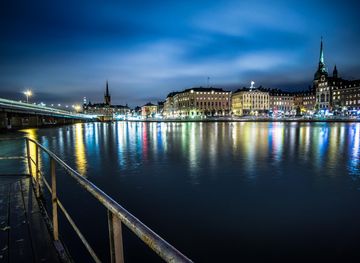
Explore more of Sweden
Discover Sweden's breathtaking landscapes, vibrant cities, and rich cultural heritage. From the Northern Lights to historic castles, experience the essence of Scandinavia.
Explore Sweden