

Wadköping, Örebro Travel Guide
Free Guide: Step into Örebro's living history at Wadköping, where centuries-old wooden homes, artisan crafts, and literary lore recreate the charm of Sweden's urban past amid parkland serenity.


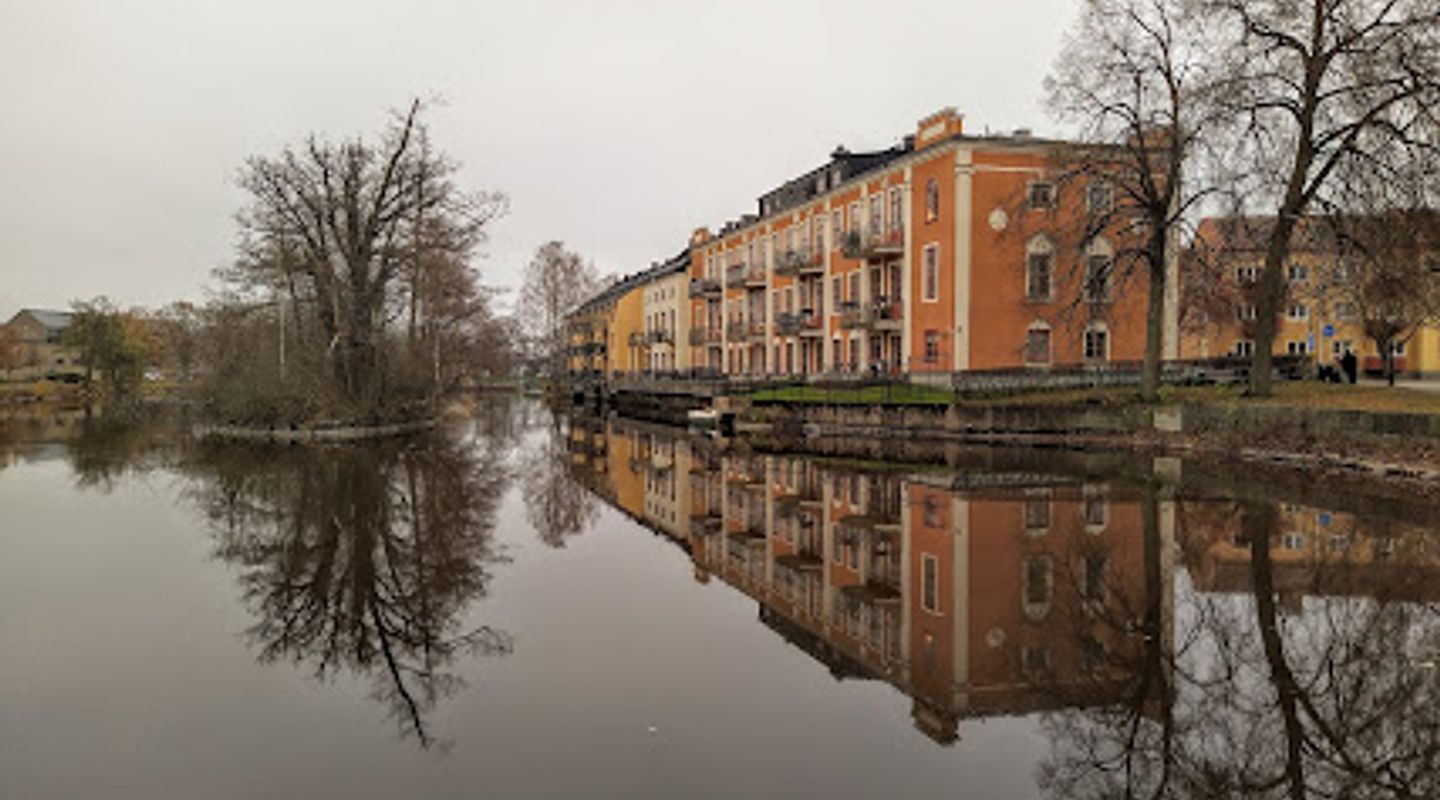
A brief summary of Wadköping
Step into Örebro's living history at Wadköping, where centuries-old wooden homes, artisan crafts, and literary lore recreate the charm of Sweden's urban past amid parkland serenity.
Wadköping is an enchanting open-air museum in central Örebro, featuring relocated historic wooden houses and courtyards from the 15th to 19th centuries. Named after Hjalmar Bergman's fictional town, it recreates the city's old urban life with museums, craft workshops, cafés, and summer theater, offering a vivid glimpse into Sweden's past.
On-site amenities
 Restrooms
 Drink options
 Food options
 Seating areas
 Trash bins
 Information boards
Opening hours
- Every day11 am–4 pm
Opening hours as listed on the venue’s Google Business Profile. Hours can change for services and special events, so check with the venue before you go.
- Address
- BERTIL WALDÉNS GATA 1, 702 15 Örebro
- Phone
- Website
Getting there
Bus
Walking
Bicycle
Taxi
Discover more about Wadköping
Origins of a Preserved Past
In the mid-20th century, as Örebro modernized, visionary locals like landsantikvarien Bertil Waldén fought to save the city's vanishing wooden architecture from demolition. Houses from central neighborhoods, especially the old Söder district, were carefully dismantled, documented, and relocated to Lars Bohms udde in Stadsparken. This effort culminated in 1965 when King Gustaf VI Adolf inaugurated Wadköping during Örebro's 700th anniversary, transforming a park peninsula into a living snapshot of historical urban life.The site's earliest structures, like Kungsstugan from the 1400s or 1500s, and Borgarhuset from the 1600s, anchor this collection. Legends swirl around Kungsstugan, once on Järntorget, where Hertig Karl supposedly stayed during Örebro Castle's reconstruction—tales that helped spare it from the wrecking ball.
Timeless Wooden Wonders
Wadköping's charm lies in its authentic timber-framed buildings, clustered around cobblestone paths and courtyards. Northern farms evoke 1700s and 1800s bourgeois life, while the southern side mirrors post-1854 great fire reconstructions with simpler workers' homes. Each structure whispers stories: Skomakaregården from Gamla gatan housed shoemakers, Smedjebacken tied to 1600s arms manufacturing, and Jeremiasstugan sheltered journalists and carriers.Wander past garveri warehouses once vital to Örebro's leather trade—Sweden's most concentrated in the mid-1800s along Svartån. The air carries echoes of blacksmith hammers, tanners' vats, and daily toil in narrow alleys.
Culinary and Literary Legacies
Borgarhuset, or Cajsa Wargs hus, honors the 18th-century culinary pioneer whose 1755 cookbook "Hjelpreda i Hushållningen för unga Fruentimber" revolutionized Swedish home cooking. Exhibits inside recreate her world, blending domestic history with practical arts. Nearby, Hjalmar Bergmanmuseet in Övre Vallbygården delves into the author's life, linking Wadköping's name to his fictionalized Örebro in works like "Markurells i Wadköping."Handskmakaregården revives a 1920s classroom, immersing visitors in educational pasts amid glove-making heritage.
Crafts, Culture, and Seasonal Magic
Today, Wadköping pulses with artisans: träsvarvare shaping wood, potters at wheels, smiths in forges, and shops selling ceramics, textiles, and antiques. Café Gamla Örebro serves fika amid creaking floors, while summer brings open-air theater on Wadköpings torg— a tradition since the 1960s Wadköpingsspelen.Children delight in lekladan play barns, doll theaters, and animal role-play, with Stadsparken and Svartån nearby for picnics and ferry jaunts to Stora Holmen.
Enduring Bridge Between Eras
At 60 years old, Wadköping remains Örebro's cultural heart, hosting lectures, markets, and exhibitions on building preservation. It stands as a testament to foresight, where 400-year-old timbers frame modern creativity, inviting reflection on how cities evolve while honoring roots.
Evendo Review Centre
 Google
Guest reviews
Best time to go
Quietest: Jan, Feb & Dec · before 8am or from 8pm
Busy times are Evendo estimates for a typical year, to help you plan. Actual crowds vary with events, school holidays and the weather.
Explore Wadköping on the map
A handpicked selection of must-see spots near Wadköping, mapped for you.
Get your free copy of our complete guide to Wadköping, delivered straight to you.
Everything on this page, from opening hours and how to get there to Eve’s tips and the best time to go, in one PDF you can read offline, print or share.
Already have an account? Sign in
Your Wadköping guide is ready.
We'll send it to · Not you? Sign out

Getting your guide ready…
We are putting together a fresh copy of the Wadköping guide. This can take up to a minute.
This can take a few moments. If your browser asks, choose Allow so the download can start. You'll find the guide in your Downloads folder.
Nothing happened? Download it again
Sorry, the guide is taking longer than usual. Please try again in a minute, or get it by email instead.
Other nearby places you may find interesting
The closest places of the same kind, if this one is not quite what you had in mind.
-
-
-

-
-


Swipe for more places
More to explore near Wadköping

 Best experiences near Wadköping
 Best hotels near Wadköping
 Best landmarks near Wadköping
 Best attractions near Wadköping
 Best shops near Wadköping
 Best restaurants near Wadköping
 Best bars near Wadköping
Do you manage this location?
Take control to get all the benefits, like improved information, better appearance, and stronger visibility across AI-powered discovery.
Explore more

Explore more of Örebro
Örebro, a captivating blend of historical charm and modern attractions, offers visitors a unique experience with its iconic castle, lush parks, and vibrant cultural scene.
Explore Örebro
Explore more of Sweden
Discover Sweden's breathtaking landscapes, vibrant cities, and rich cultural heritage. From the Northern Lights to historic castles, experience the essence of Scandinavia.
Explore Sweden
