

The Royal Palace, Uppland Travel Guide
A living royal palace in Stockholm: baroque state rooms, medieval vaults and the crown jewels within a working royal residence.
The Royal Palace in Stockholm is the official residence of Sweden’s monarch and one of Europe’s largest working palaces, with over 600 rooms, richly decorated 18th‑century baroque state rooms, several on‑site museums and historic vaults containing the crown jewels and royal regalia. Set on the eastern edge of Gamla stan, it combines ceremonial workplaces, public exhibition spaces and surviving medieval fabric from the Tre Kronor fortress.
A brief summary to The Royal Palace
- Kungliga slottet, Stockholm, 107 70, SE
- Click to display
- Click to display
- Duration: 1 to 3 hours
- Mid ranged
-
 Mixed
Mixed
- Mobile reception: 4 out of 5
- Monday 10 am-5 pm
- Tuesday 10 am-5 pm
- Wednesday 10 am-5 pm
- Thursday 10 am-5 pm
- Friday 10 am-5 pm
- Saturday 10 am-5 pm
- Sunday 10 am-5 pm

Know before you go
Hi, I'm Eve. Here are a few practical things to know before exploring The Royal Palace.
- Allow at least two hours to see the State Apartments, the Treasury and Museum Tre Kronor—each has distinct lighting and displays that reward unhurried viewing.
- Check opening and guided‑visit times in advance; certain state rooms close during official ceremonies and seasonal schedules change.
- The Treasure Chamber keeps low light for preservation—bring a lens with good low‑light performance for non‑flash photography where permitted.
- Watch for the changing of the guard and ceremonial events on the outer esplanade—these are free to observe and are part of the palace’s living character.
Do you manage this location?
Take control to get all the benefits, like improved information, better appearance, and stronger visibility across AI-powered discovery. Learn more about listing your business on Evendo
Activate your presenceExplore The Royal Palace on the Map
A handpicked selection of must-see spots near The Royal Palace, mapped for you.
Unlock the Best of The Royal Palace
Buy tickets
-
No tickets available
Book tours with entry


Getting There
-
Public transport — Metro plus short walk
Use Stockholm metro to the Gamla stan station (red line). Typical travel time from central junctions in the city centre is 10–20 minutes depending on origin; expect stair or escalator access at the station and a short urban walk across cobbled surfaces. Metro tickets are sold as single fares or travel cards; single fares vary by zone and time but generally cost in the range of SEK 30–50 per person if purchased as a single journey. Trains run frequently, but service may be reduced late at night or on holidays.
-
Tram / Bus — Central network
Several central bus and tram routes serve the old town area; from major hub stops allow 10–25 minutes travel time depending on line and origin. Expect city‑centre traffic delays during peak hours; buses/trams accept the same ticketing as the metro (SEK 30–50 single fare range). Some bus stops require a short uphill walk on cobbles and can be moderately busy during tourist season.
-
Taxi / Ride‑hail
A taxi from Stockholm central points typically takes 5–15 minutes depending on traffic; fares for an inner‑city short trip usually range from SEK 120–250. Note that the palace is in a historic central district with narrow streets and limited drop‑off areas, and congestion can extend travel times during events.
-
Walking from central Gamla stan
From nearby parts of Gamla stan allow 5–20 minutes on foot depending on your starting point; expect cobbled streets, occasional steps and uneven paving which can be slippery when wet. This option is best in dry weather and is the most immediate way to experience the old town’s atmosphere en route to the palace.
For the on-the-go comforts that matter to you
-
 Restrooms
-
 Drink Options
-
 Food Options
-
 Seating Areas
-
 Information Boards
-
 Visitor Center
Discover more about The Royal Palace
An active royal residence with public wings
The Royal Palace in Stockholm is not a frozen museum: it functions simultaneously as H.M. The King’s official residence, the workplace for parts of the Royal Court and a cultural site open to visitors. The palace’s façades and grand parade rooms were largely shaped in the 18th century in Italianate baroque, creating a compact urban palace whose outward-facing reception apartments present richly ornamented ceilings, tapestries, chandeliers and painted perspectives.Layers of history under one roof
Beneath the 18th‑century exterior there are medieval remains of the Tre Kronor fortress that burned in 1697; in places you will find vaulted stonework and museum displays that tell that earlier story. Later Bourbon- and Bernadotte‑era interior fittings sit alongside Gustavian taste and examples of 19th‑century ceremonial décor, so the building reads as a sequence of historical stages rather than a single moment frozen in time.The palace’s cultural highlights
Within the palace are several distinct museums and exhibition spaces: the State Apartments (the Representation Rooms) with their formal halls and throne room, the Treasure Chamber that holds crowns and regalia in dim, secure vaults, Gustav III’s Antiquities Collection with classical sculpture and the Museum Tre Kronor that interprets the medieval predecessor. Each display has its own atmosphere—sparkling metalwork and velvet in the Treasure Chamber, restrained neoclassical lines in Gustav III’s collection, and sombre stonework in the medieval galleries.Ceremony, pageantry and military presence
The palace is the stage for official state functions, and its daily guard routines remain visible parts of the site’s character. The exterior esplanades and inner courtyards are framed by uniforms, banners and the geometry of parade ground architecture; when ceremonial events occur the palace transforms from quiet monument to a working centre of protocol and ceremony.Architectural details and materiality
Designed in the Roman palazzo spirit by a succession of architects, the palace uses warm limestone and plastered façades, tall sash windows and a rhythm of pilasters and cornices to present an ordered classicism to the city. Inside, gilt carving, frescoed ceilings and marble chimneypieces combine with practical service wings and staircases—reminders that this vast complex supports offices, living rooms and ceremonial chambers in parallel.Visitor experience and atmosphere
Moving through the palace is a sequence of changing atmospheres: from bright public façades and courtyard light to the hushed, controlled lighting of the Treasury; from high, echoing ceremonial halls into intimate, richly furnished salons. The site invites a slow exploration—study the carved details, notice changes in floor levels and step into the cooler, darker vaults to appreciate the continuity of Sweden’s public monarchy across centuries.












Your all‑in‑one travel companion app
Explore expert travel guides, compare and book tours, experiences, hotels, and more—all from the palm of your hand. Download now for seamless trip planning wherever your wanderlust takes you.


Explore More of Uppland
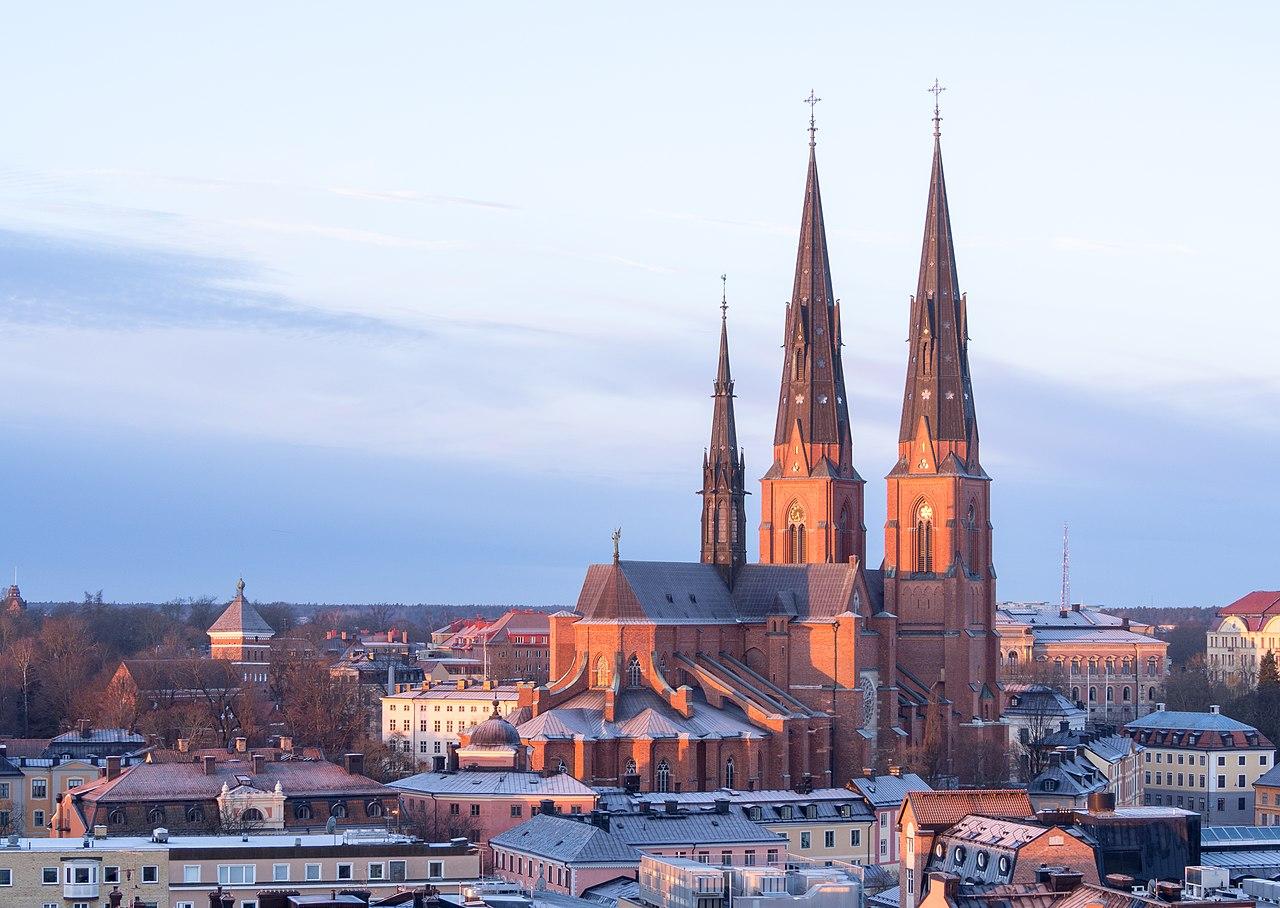
Looking beyond The Royal Palace? Discover Uppland for broader travel guides, local hot-spots, and regional highlights.
Explore Uppland