Kastellholmen, Stockholm Archipelago Travel Guide
Peace flies high on this tiny harbor islet, where a historic citadel overlooks Stockholm's shimmering waterways and a serene park promises island tranquility.
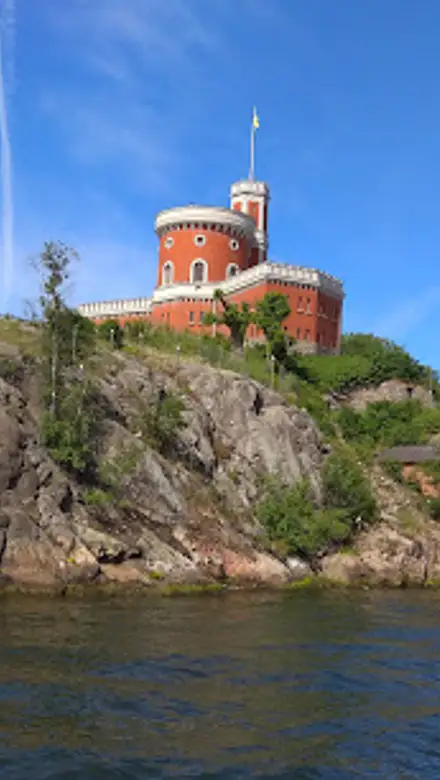
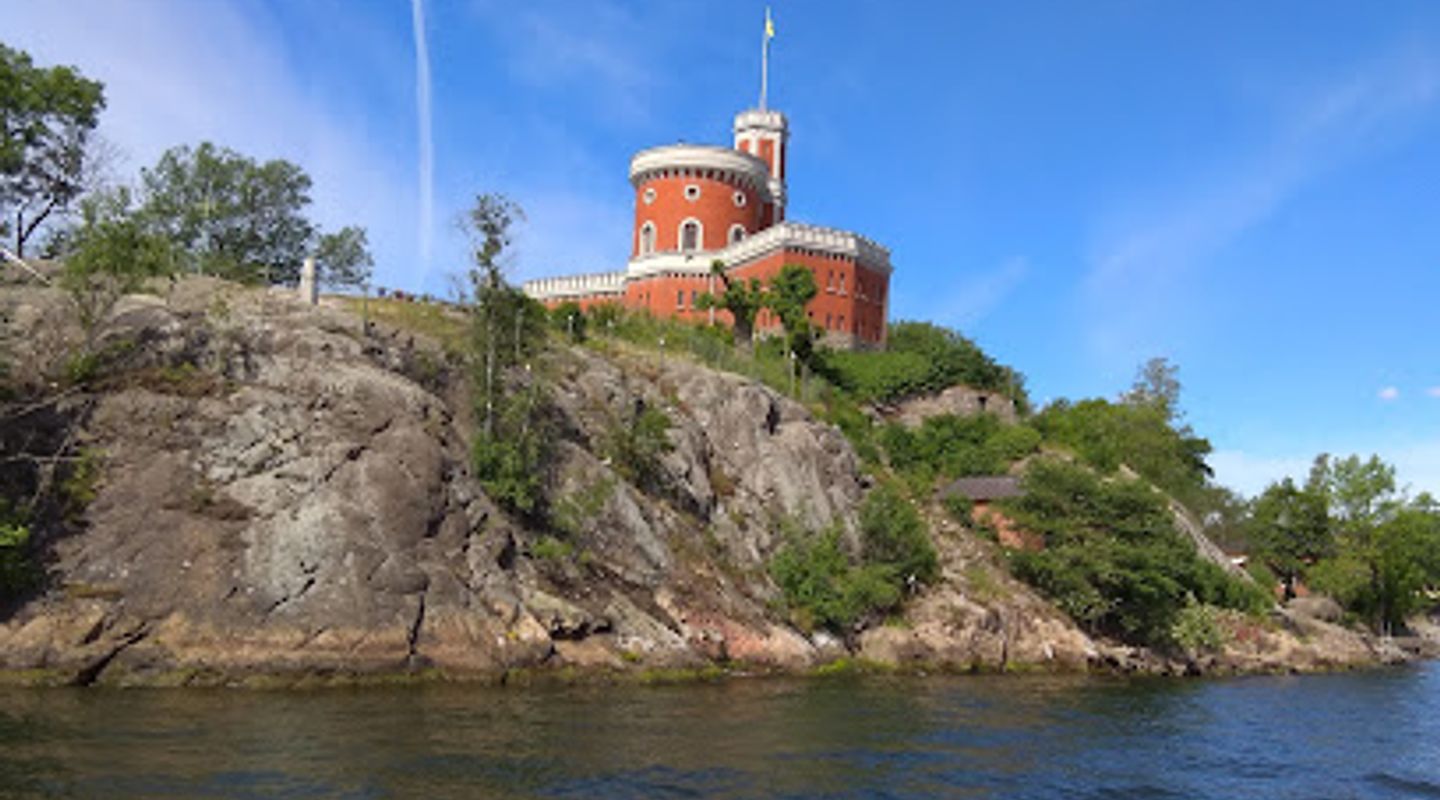
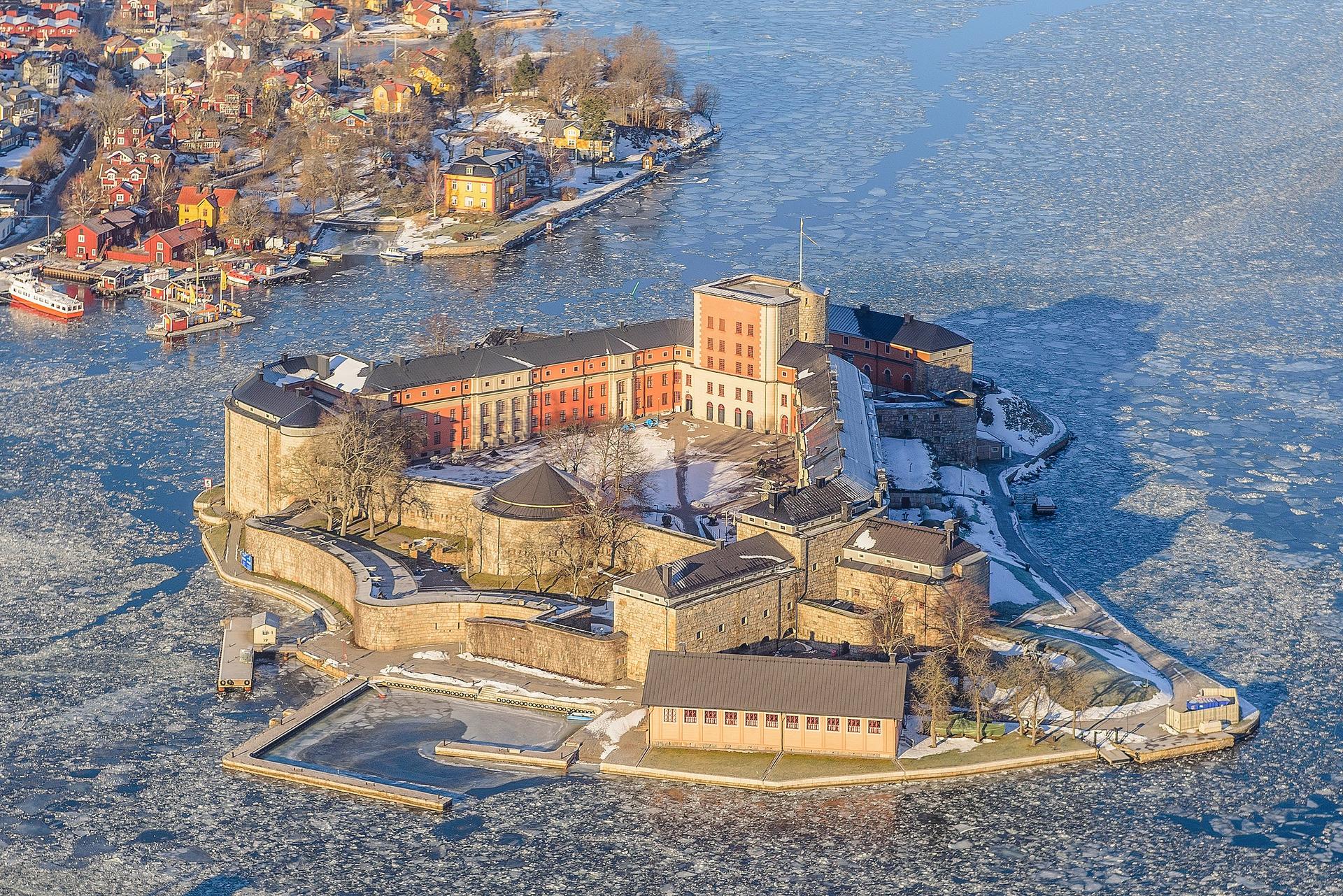
Kastellholmen is a petite islet in central Stockholm's harbor, linked by a bridge to Skeppsholmen. Crowned by a historic naval citadel, it flies a forked Swedish flag signaling national peace—a tradition since 1667. Serene paths wind through mature trees and parks, offering panoramic vistas of Gamla Stan, Djurgården, and Östermalm. Once a military outpost with salute cannons, today it's a tranquil escape within Stockholm's National City Park, ideal for quiet walks and reflection amid the city's archipelago charm.
A brief summary to Kastellholmen
- Stockholm, SE
- Duration: 0.5 to 1.5 hours
- Free
-
 Outdoor
- Mobile reception: 5 out of 5

Know before you go
Hi, I'm Eve. Here are a few practical things to know before exploring Kastellholmen.
- Time your visit for early morning to witness the marine hoisting the peace flag at dawn—a poignant daily ritual.
- Climb to Kastellet for 360-degree harbor views; the hilltop path is short but rewarding.
- Pack a picnic for Kastellparken benches, enjoying vistas without nearby dining distractions.
- Visit in autumn when foliage frames the citadel, enhancing the island's painterly charm.
Do you manage this location?
Take control to get all the benefits, like improved information, better appearance, and stronger visibility across AI-powered discovery. Learn more about listing your business on Evendo
Activate your presenceOther nearby places you may find interesting
The closest places of the same kind, if this one is not quite what you had in mind.

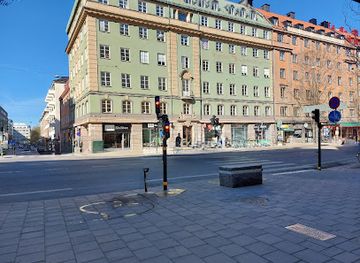

Explore Kastellholmen on the Map
A handpicked selection of must-see spots near Kastellholmen, mapped for you.
Unlock the Best of Kastellholmen
Buy tickets
-
No tickets available
Book tours with entry


Getting There
-
Ferry
Public ferry from Slussen or Nybrokajen to Skeppsholmen, 5-10 minutes, then 2-minute walk across Kastellholmsbron; runs frequently year-round, 40-60 SEK adult single ticket, no direct stop on Kastellholmen.
-
Walking
Pedestrian route from central Stockholm via Skeppsholmsbron to Skeppsholmen then Kastellholmsbron, 20-30 minutes total on flat paved paths; fully accessible, free, suitable for all weather.
-
Bus
Bus 65 from city center to Skeppsholmen stop, 10-15 minutes, then short bridge walk; operates daily with moderate frequency, around 30 SEK, limited space for bikes.
For the on-the-go comforts that matter to you
-
 Seating Areas
-
 Trash Bins
-
 Information Boards
-
 Picnic Areas
Discover more about Kastellholmen
Island Sentinel in Stockholm's Harbor
Kastellholmen emerges as a rocky sentinel amid the bustling waters of Stockholm's inner harbor, a compact islet measuring just a few hundred meters across. Connected to neighboring Skeppsholmen via the slender Kastellholmsbron bridge, it forms part of the city's iconic island chain. This strategic spot has long watched over approaching vessels, its silhouette a familiar landmark for sailors entering the capital. The island's rugged terrain rises gently to a hilltop crowned by Kastellet, a modest octagonal citadel that embodies Sweden's maritime heritage.Birth of the Flag Tradition
In the 1660s, as Sweden's naval operations shifted to Skeppsholmen, a simple wooden structure was erected atop Kastellholmen to serve as a signal post. From its prominent flagpole, a forked Swedish flag has fluttered since 1665, proclaiming to incoming ships that Stockholm remains under Swedish control and at peace. During times of conflict, the flag would lower or be replaced by an enemy's, alerting the city to danger. The basement once stored gunpowder for salute cannons, which thundered greetings to royal vessels and foreign dignitaries—a ceremonial role that underscored the island's naval prestige.Military Legacy and Transformation
Throughout the 19th century, additional military buildings dotted the islet, reinforcing its defensive posture at the harbor's gateway. Public access opened in the mid-1800s, shifting its purpose toward recreation. Weekend outings became popular, symbolized by the Royal Ice Skating Club's Pavilion built in the 1880s. Trees planted from the 1790s and 1860s now mature into a leafy canopy, softening the rocky outcrop and integrating it into Stockholm's National City Park alongside Skeppsholmen and other green havens.Panoramic Vistas and Green Oases
Wander the island's paths through Kastellparken, where benches invite pauses amid hardwood groves. Unobstructed views sweep across Östermalm's elegant facades, Djurgården's leafy expanses, Södermalm's hilly contours, and Gamla Stan's medieval spires. The citadel's hill offers elevated perspectives, while seaside trails hug the shore, evoking the archipelago's wild beauty right in the city core. In winter, covered cannons hint at past salutes, their silence amplifying the present calm.Modern Role and Enduring Symbol
The navy departed in 1990, repurposing Kastellet as a conference center for meetings and weddings, though its exterior remains open to explorers. Public outcry swiftly revived the flag ritual after a brief hiatus, with marines hoisting it at dawn and lowering it at dusk. This daily ceremony preserves a link to Sweden's turbulent history with neighbors like Denmark and Norway. Kastellholmen endures as an under-the-radar gem, its quiet allure contrasting the harbor's ferry traffic, rewarding those who cross the bridge seeking solace.












Your all‑in‑one travel companion app
Explore expert travel guides, compare and book tours, experiences, hotels, and more—all from the palm of your hand. Download now for seamless trip planning wherever your wanderlust takes you.


Explore More of Stockholm Archipelago
Looking beyond Kastellholmen? Discover Stockholm Archipelago for broader travel guides, local hot-spots, and regional highlights.
Explore Stockholm Archipelago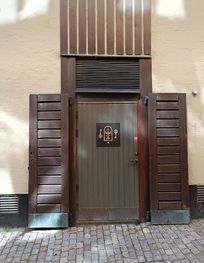
Wander the 'Wide Alley' of Gamla Stan, where medieval walls hide beneath cobblestones and history unfolds in every archway and facade.

Waterfront ferry hub on Djurgården, gateway to ABBA Museum, Gröna Lund thrills, and Skansen's living history amid Stockholm's island park splendor.