Storkyrkan, Stockholm Archipelago Travel Guide
Stockholm’s oldest church — a medieval hall interior, Baroque exterior and the legendary Saint George sculpture beside the Royal Palace.
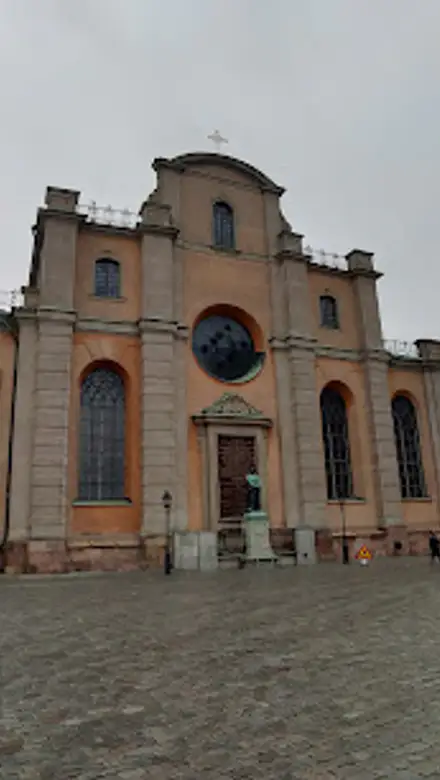
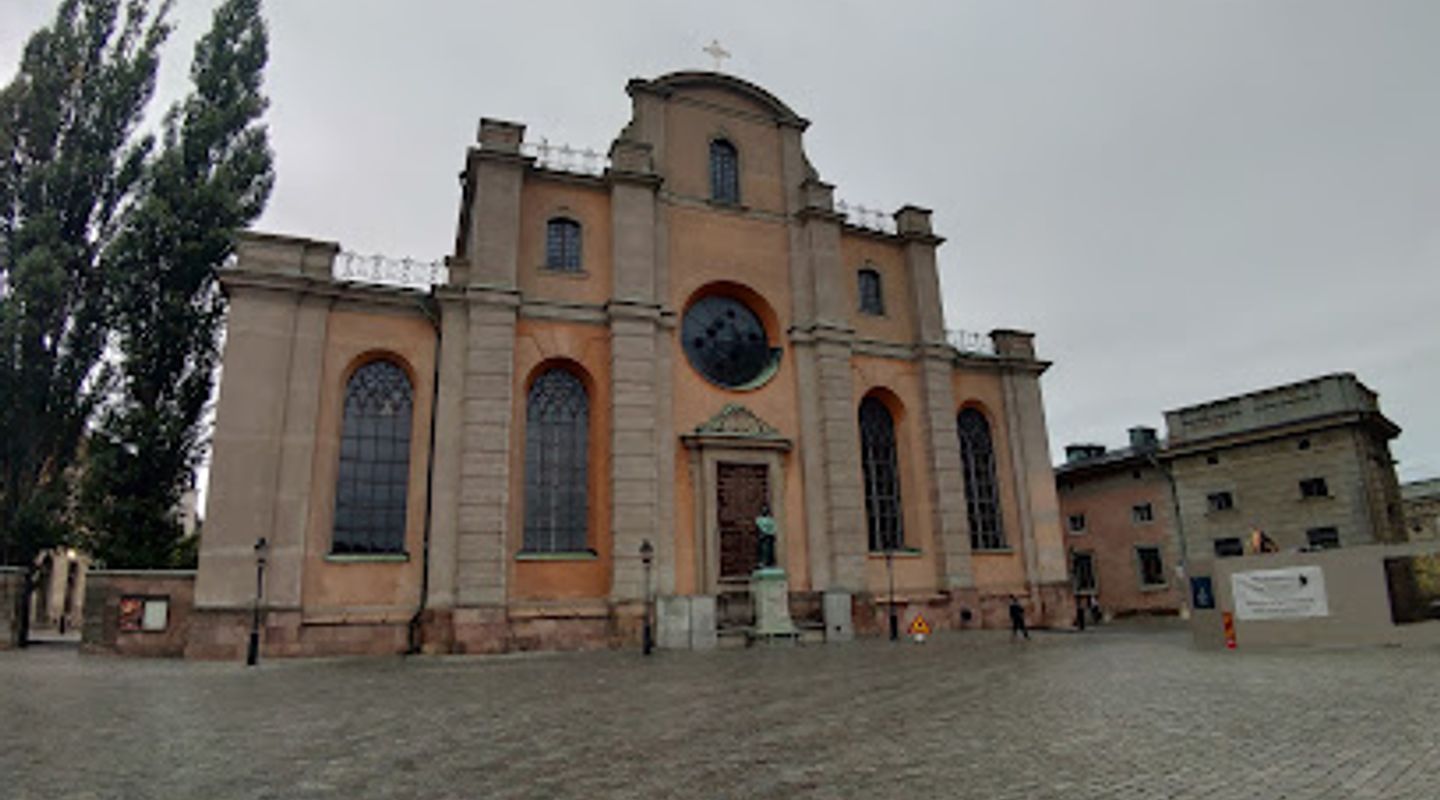
Storkyrkan, Stockholm’s medieval cathedral in Gamla stan, stands beside the Royal Palace as the city’s oldest church, with origins in the 13th century and a richly layered interior of Gothic vaulting, royal pews and the famous 15th-century wooden sculpture of Saint George and the Dragon. Consecrated in the early 1300s and remodeled externally in the 18th century, it remains a ceremonial heart of Sweden’s history and a striking example of overlapping medieval and Baroque architecture.
A brief summary to Storkyrkan
- Trångsund 1, Stockholm, 111 29, SE
- Click to display
- Click to display
- Mid ranged
-
 Indoor
- Mobile reception: 4 out of 5
- Monday 9:30 am-5 pm
- Tuesday 9:30 am-5 pm
- Wednesday 9:30 am-5 pm
- Thursday 9:30 am-5 pm
- Friday 9:30 am-5 pm
- Saturday 9:30 am-5 pm
- Sunday 9:30 am-5 pm

Know before you go
Hi, I'm Eve. Here are a few practical things to know before exploring Storkyrkan.
- Respect that Storkyrkan is an active place of worship—keep voices low, photographic flash may be restricted, and ceremonial events can alter access.
- Allow time to study details: the carved Saint George group, royal pews with canopy crowns and the silver altarpiece reward a slow, observant visit.
- Visit outside of major royal ceremonies or holidays if you prefer quieter conditions; services are often open to the public and offer a chance to hear the space in use.
Do you manage this location?
Take control to get all the benefits, like improved information, better appearance, and stronger visibility across AI-powered discovery. Learn more about listing your business on Evendo
Activate your presenceExplore Storkyrkan on the Map
A handpicked selection of must-see spots near Storkyrkan, mapped for you.
Unlock the Best of Storkyrkan
Buy tickets
-
No tickets available
Book tours with entry


Getting There
-
Public tram and metro
Take the city metro to Gamla stan station then walk across cobbled streets for an estimated 10–18 minutes depending on route; services run frequently throughout the day but expect heavier foot traffic during midday and weekends. Single-ride fares are paid with the city’s transit card or ticket app, typically within the low to mid local fare band (currency: SEK). Sloped cobbles near the island can be uneven; wheelchair access available along smoother approaches though some thresholds and historic steps remain.
-
Bus
Several central bus routes serve stops approximately a 6–14 minute walk from the cathedral; buses typically operate at 10–20 minute intervals in daytime with reduced frequency evenings and Sundays. Tickets use the same transit system and fare structure as metro trips (currency: SEK). Note that streets in Gamla stan are narrow and pedestrianised in places, so final approach requires walking on cobbles.
-
Taxi or rideshare
A taxi journey from central districts is usually 6–15 minutes depending on traffic; fares vary by operator and time of day but expect a metropolitan urban fare in SEK plus minor booking charges. Drop-off must use designated nearby kerbside points because direct vehicle access to the oldest square areas is restricted; pedestrian approach of several minutes is normally required.
For the on-the-go comforts that matter to you
-
 Restrooms
-
 Seating Areas
-
 Information Boards
Discover more about Storkyrkan
An ancient centre woven into Stockholm’s growth
Storkyrkan occupies the highest point of Stadsholmen and has been a conspicuous presence since the city’s medieval expansion; documentary evidence first names the church in 1279 and an early consecration is dated to 1306. The building’s origins mirror Stockholm’s transition from a trading outpost to an urban capital: initial wooden structures gave way to brick construction in the 13th and 14th centuries as the town’s prosperity and civic identity grew.How the architecture shows centuries of change
Inside, the church preserves the atmosphere of a late-medieval hall church — tall brick pillars, ribbed vaults and a five-aisled plan that developed through the 14th–15th centuries. The exterior, however, carries an 18th-century Baroque makeover: façades and the tower were reshaped to harmonise with the nearby Royal Palace ensemble. Those contrasting layers — medieval masonry and Baroque refinement — make Storkyrkan legible as a building shaped by evolving tastes, liturgy and royal patronage.Art, ceremony and royal associations
Storkyrkan holds a sequence of high-status fittings from different eras: gilt wooden pulpits and royal pews with canopy crowns, a silver-and-ebony altarpiece and large canvases. Its long connection to Sweden’s monarchy is visible in furnishings created for coronations, weddings and state rites. The cathedral’s ceremonial role continued into modern times and forms an intrinsic part of the interior’s sober grandeur and ritual orientation.The story carved in wood: Saint George and the Dragon
A standout is the dramatic, over-life-size late-medieval wooden group of Saint George and the Dragon. Carved as a powerful allegory of victory and civic identity, the sculpture dominates a nave aisle with its dynamic posture, painted surfaces and historic resonance. It remains one of northern Europe’s most significant surviving medieval freestanding sculptures and a focal point for the church’s storytelling through art.The sensory character of a living cathedral
Stepping beneath the vaults you sense cool, resonant air and the muffled hush of centuries: stone and brick picked out by light through tall arched windows, gleam of gilt and silver, and wooden surfaces smoothed by generations. The scale is intimate rather than cathedral-sized; details reward the careful eye — carved figures, painted panels and memorials that map Stockholm’s spiritual and civic life.Continuity as a place of worship and memory
Beyond its historic furnishings and artworks, Storkyrkan remains an active parish and diocesan cathedral. Its layered fabric records major cultural and political moments — liturgical reforms, royal events and civic commemorations — yet the building continues to function as a place of baptism, prayer and public ceremony. This blend of living use and preserved heritage gives the church both a sense of continuity and a depth of atmosphere.












Your all‑in‑one travel companion app
Explore expert travel guides, compare and book tours, experiences, hotels, and more—all from the palm of your hand. Download now for seamless trip planning wherever your wanderlust takes you.


Explore More of Stockholm Archipelago
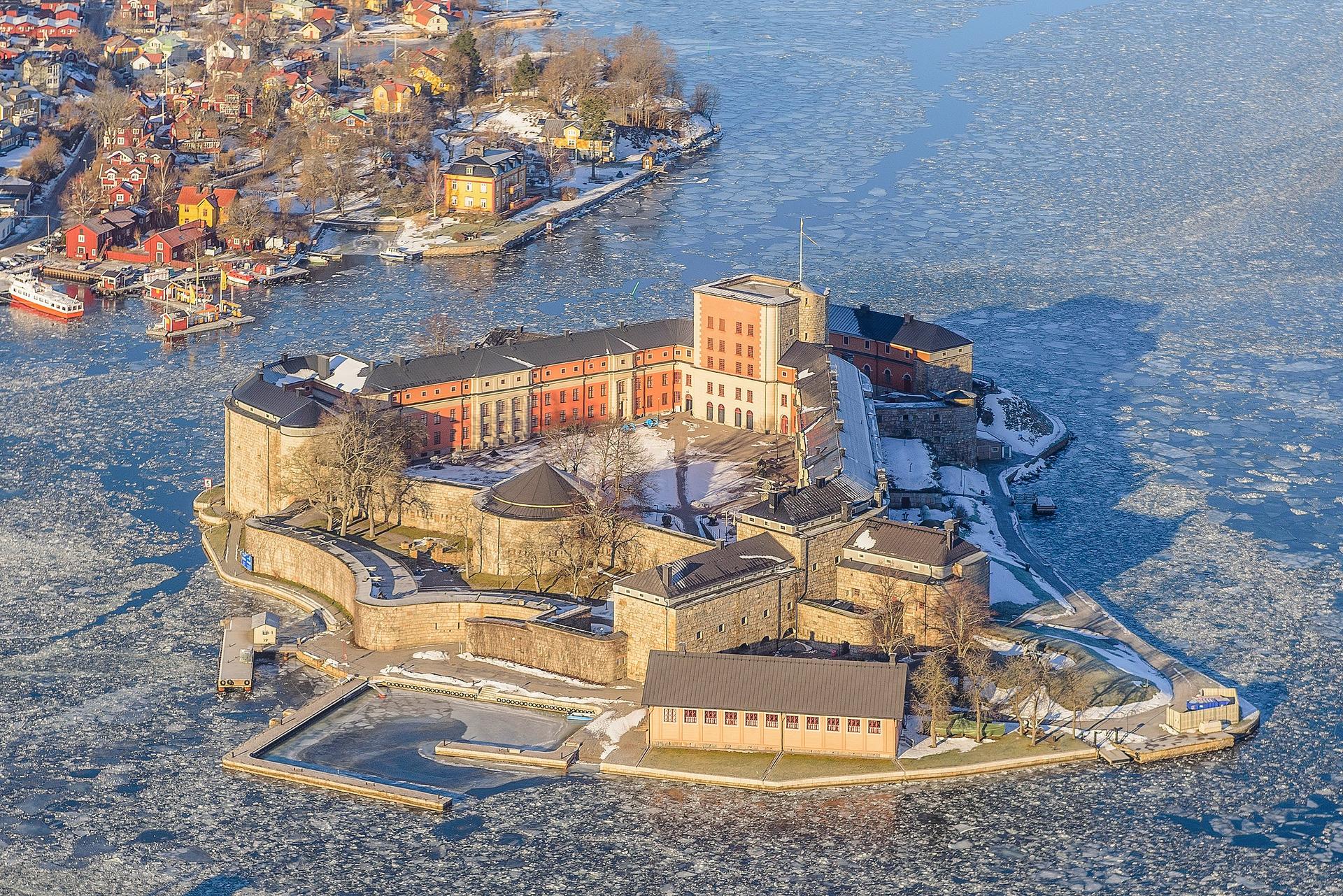
Looking beyond Storkyrkan? Discover Stockholm Archipelago for broader travel guides, local hot-spots, and regional highlights.
Explore Stockholm Archipelago