Lejonströmsbron, Swedish Lapland Travel Guide
Sweden’s oldest preserved wooden bridge — a 207-metre ribbon of timber, history and riverside atmosphere beside Skellefteå’s parish church.
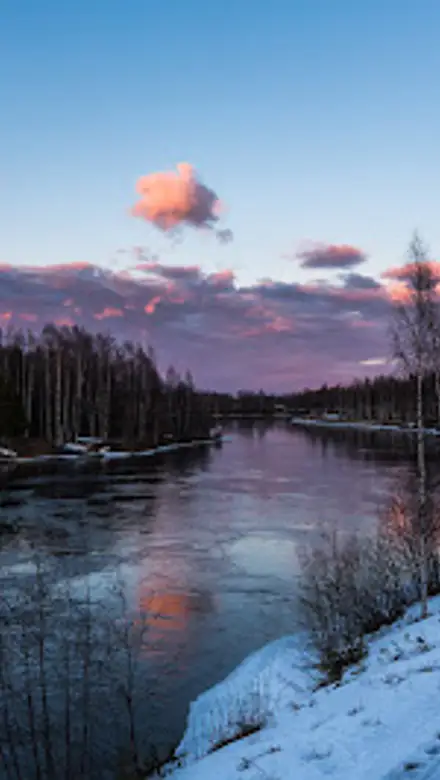
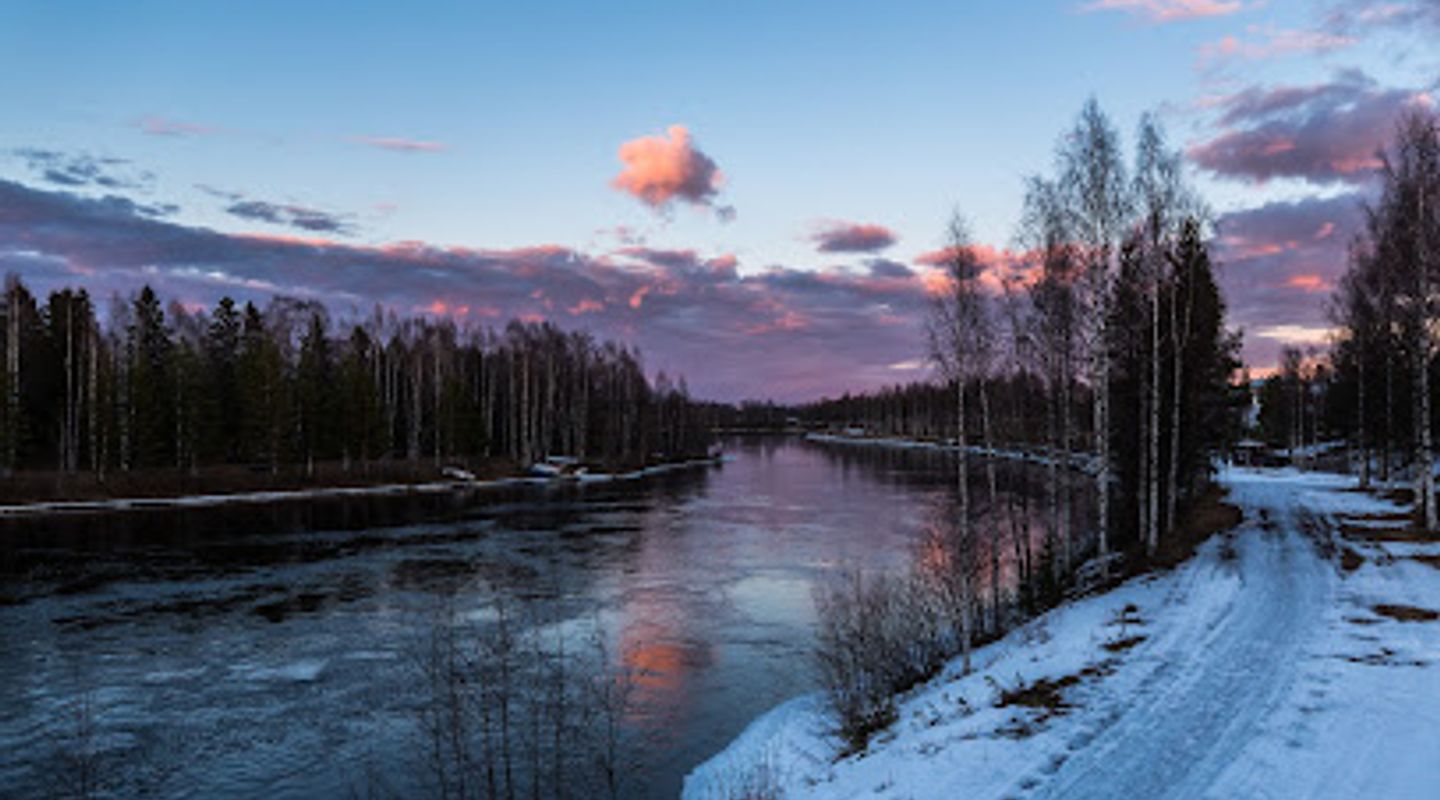
Lejonströmsbron is Sweden’s oldest preserved wooden bridge, spanning the Skellefte River beside the historic parish church in Skellefteå. Built originally in 1737 and rebuilt in later centuries, the bridge measures about 207 metres and carries a slow, weathered elegance: timber planks, low railings and storage buildings at its ends that still show traces of its turbulent past, including scars from the 1809 battle fought here.
A brief summary to Lejonströmsbron
- Lejonströmsbron, Skellefteå, 931 64, SE
- Click to display
- Duration: 0.25 to 1 hours
- Free
-
 Outdoor
- Mobile reception: 4 out of 5

Know before you go
Hi, I'm Eve. Here are a few practical things to know before exploring Lejonströmsbron.
- Respect the timber surface—wear sensible shoes for the uneven planks and watch for damp patches in wet or icy weather.
- Pause on the central span for river views and to spot historic details like patched beams and old masonry at the approaches.
- Bring a camera with a wide-angle or short-telephoto lens: the bridge’s length and nearby church create strong compositional lines.
Do you manage this location?
Take control to get all the benefits, like improved information, better appearance, and stronger visibility across AI-powered discovery. Learn more about listing your business on Evendo
Activate your presenceOther nearby places you may find interesting
The closest places of the same kind, if this one is not quite what you had in mind.
Explore Lejonströmsbron on the Map
A handpicked selection of must-see spots near Lejonströmsbron, mapped for you.
Getting There
-
Local bus
Regional bus or town service to central Skellefteå then a short walk across town to the parish church area; typical travel time from the central bus terminal 10–20 minutes depending on schedule, services generally run hourly with reduced frequency on Sundays; single-ride fares commonly cost around 25–45 SEK.
-
Taxi or rideshare
Taxi from Skellefteå city centre to the bridge takes about 5–10 minutes; fares usually range 80–180 SEK depending on time of day and vehicle; taxis are useful when public services are infrequent or in cold weather.
-
Walking from central district
A pleasant walk from Skellefteå’s central streets to the riverfront takes roughly 15–30 minutes on paved paths; terrain is flat and suitable for most walkers but surfaces may be icy in winter, so allow extra time and wear appropriate footwear.
For the on-the-go comforts that matter to you
-
 Seating Areas
-
 Information Boards
-
 Trash Bins
Discover more about Lejonströmsbron
An 18th‑century timber crossing with deep roots
Lejonströmsbron was first completed in 1737 as the main crossing near Skellefteå’s parish church and has existed in one form or another since then; the bridge you see today largely reflects rebuilding and repairs carried out in the 19th century and later maintenance that preserved its wooden character. Its long span across the Skellefte River has been a fixed point in the town’s landscape for centuries, linking the riverbanks where ferry routes and ancient tracks once converged.Structure, materials and scale
The bridge is constructed primarily of timber: heavy beams, plank decking and simple protective railings produce a tactile, slightly creaking surface underfoot. At roughly 207 metres in length and narrow in width, it reads more like a long village lane than a modern road bridge, and the rhythm of its piles and joints is visible against the flow of the river. Stone and earthworks used in earlier repairs are still evident at the approaches, where historic interventions shortened and stabilised the span.Scenes of conflict and local memory
Lejonströmsbron is marked by history: in May 1809 it was the focus of fighting during the Finnish War, an episode preserved in local memory and in physical traces around the site. Nearby storehouses and riverbank features still carry reminders of that event. The bridge has been maintained, damaged and rebuilt through floods, ice and strategic demolition, each cycle leaving a layered story in the timbers and masonry.Neighbourhood character and riverside setting
The bridge sits beside the parish church and older quarters of Skellefteå, where low wooden buildings, warehouse stock and green riverbanks create a compact, human-scale setting. From the deck you look upriver and downriver to tree-lined banks; boats and ice in their seasons alter the river’s personality and the light across the planks changes the bridge’s color from sun‑warmed honey to muted grey in overcast weather.Everyday use and preservation status
Though centuries old, the bridge remains in use and retains a functioning role within the town’s circulation: its narrow carriageway and pedestrian-friendly feel encourage slow passage. It is protected as a listed building, which guides the way repairs are done—aiming to preserve original materials and traditional joinery while ensuring structural safety for modern traffic where needed.Visitor experience and sensory detail
Walking the length of Lejonströmsbron is a deliberate, sensory experience: you hear the soft thud of footsteps on timber, feel the slight give beneath your feet, and smell river damp and old wood. In summer the river banks are green and birdsong carries; in winter the bridge frames a stark, snowy panorama. Small architectural details—patches of replacement timber, iron fixings and the low curve of the deck—reward a slow eye and suggest the many hands that have tended this crossing over time.












Your all‑in‑one travel companion app
Explore expert travel guides, compare and book tours, experiences, hotels, and more—all from the palm of your hand. Download now for seamless trip planning wherever your wanderlust takes you.


Explore More of Swedish Lapland
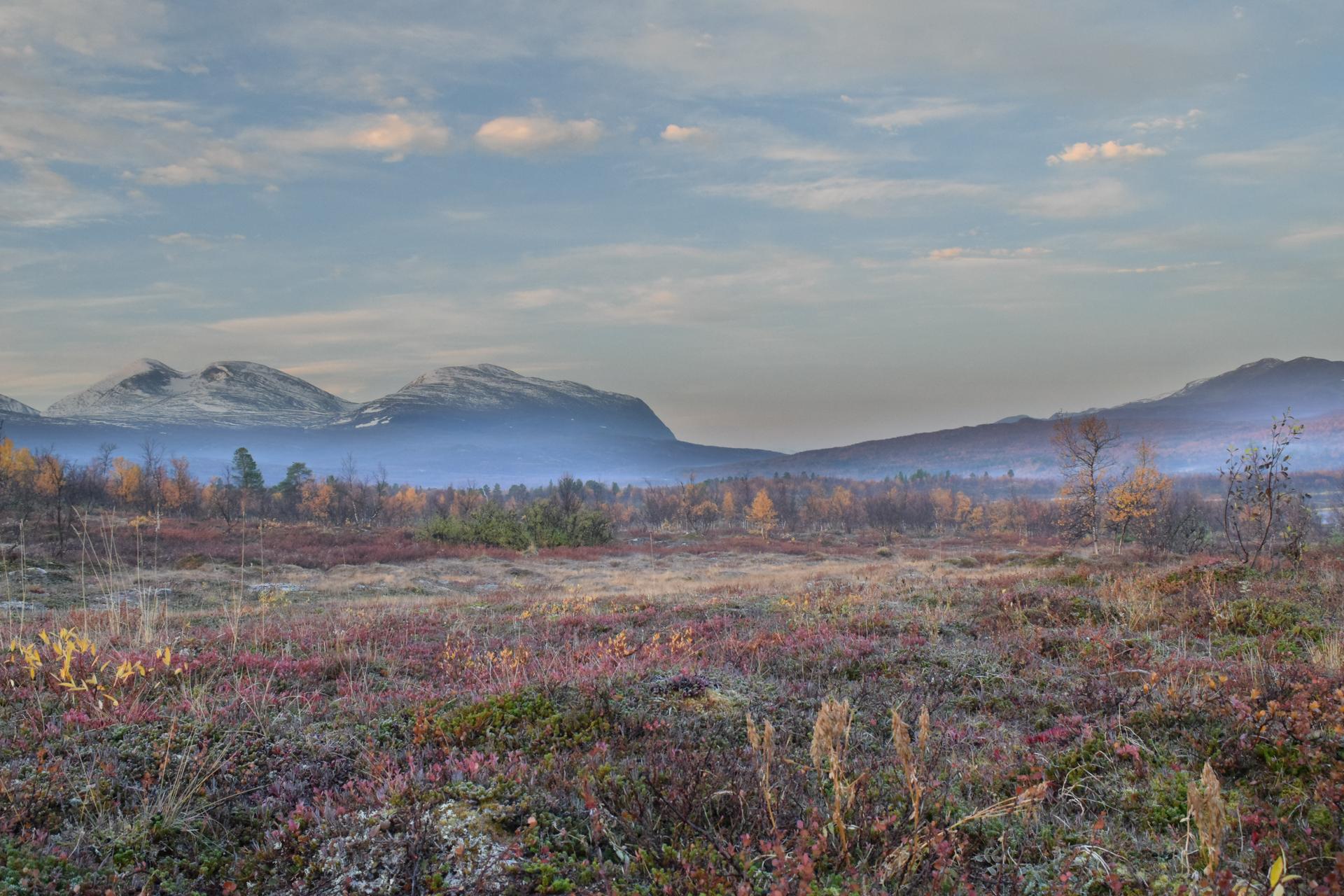
Looking beyond Lejonströmsbron? Discover Swedish Lapland for broader travel guides, local hot-spots, and regional highlights.
Explore Swedish Lapland
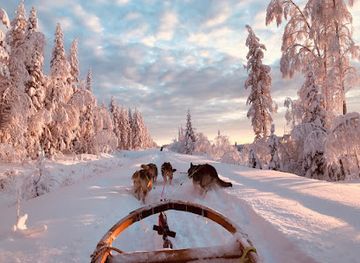
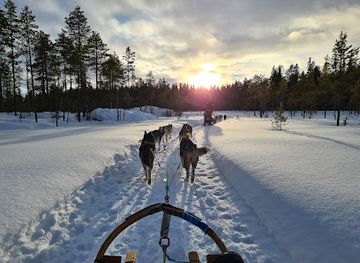
Family-run husky farm near Norrfjärden where hands-on dog encounters, sled rides and open-fire meals create an intimate Arctic experience.

A calm parish hub combining the large Landskyrkan’s quiet interior with Kyrkholmen’s seasonal café and historic wooden townscape.