Explore the Historic Majesty of Drottens Ruin
Discover the enchanting Drottens Ruin in Visby, a medieval landmark steeped in history and architectural beauty, ideal for culture enthusiasts and history buffs.
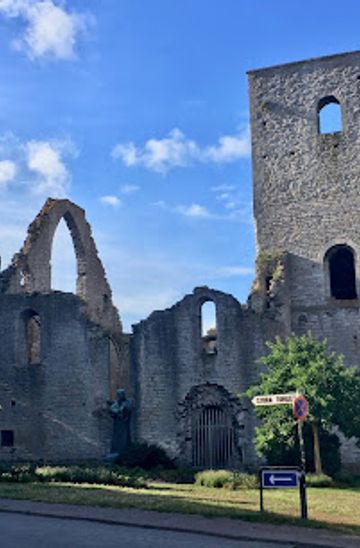
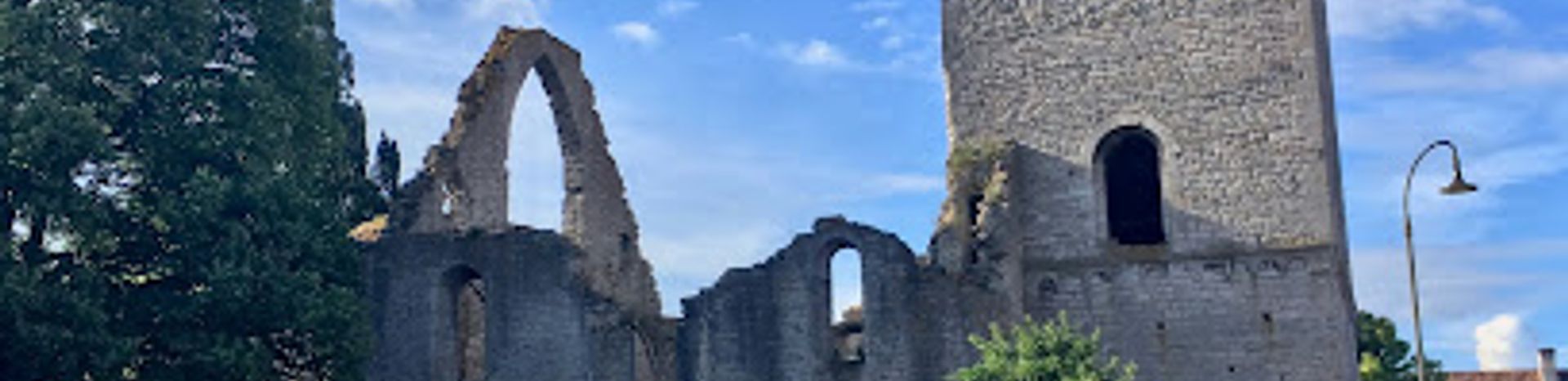
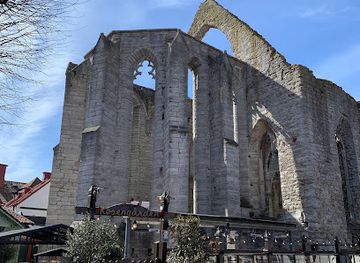
Drottens Ruin in Visby, Sweden, is a captivating historical landmark that invites tourists to delve into the rich heritage of the region. Once a grand medieval church, this ruin provides a glimpse into the architectural prowess of the past and the stories woven into its stones. Visitors can explore the remnants and enjoy the serene atmosphere, making it a must-visit site for anyone interested in history or culture.
A brief summary to Drottens ruin
- Syskongatan 4, Visby, 621 56, SE
- Click to display
- Monday 10 am-6 pm
- Tuesday 10 am-6 pm
- Wednesday 10 am-6 pm
- Thursday 10 am-6 pm
- Friday 10 am-6 pm
- Saturday 10 am-6 pm
- Sunday 10 am-6 pm

Know before you go
Hi, I'm Eve. Here are a few practical things to know before exploring Drottens ruin.
- Visit during the early morning or late afternoon for fewer crowds and the best natural lighting for photography.
- Take a guided tour if available to learn about the rich history and significance of the ruin.
- Wear comfortable shoes, as the terrain around the ruins can be uneven and rocky.
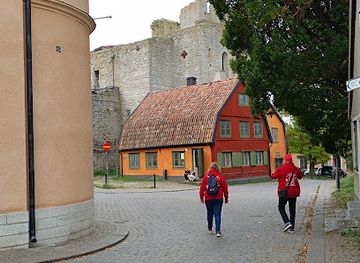
- Combine your visit with a stroll through the medieval streets of Visby to fully appreciate the area's historical context.
Do you manage this location?
Take control to get all the benefits, like improved information, better appearance, and stronger visibility across AI-powered discovery. Learn more
Activate your presenceOther nearby places you may find interesting
Getting There
-
Car
If you are traveling by car, start your journey from any location in Gotland, and head towards the city of Visby. Drottens ruin is located at Syskongatan 4, 621 56 Visby. Use a GPS navigation system or a map application to guide you directly to the coordinates 57.6416987 latitude and 18.2952592 longitude. Upon arrival, you can find parking nearby, but be aware of any parking fees that may apply.
-
Public Transportation
For those using public transport, take a bus to Visby from your location in Gotland. The main bus station in Visby is located centrally, making it easy to access local attractions. Once you arrive at the Visby bus station, Drottens ruin is approximately a 15-minute walk. Head south on Adelsgatan, then turn left onto Syskongatan. Follow Syskongatan until you reach the ruin at Syskongatan 4. Be sure to check the local bus schedules in advance for any fares.
-
Walking
If you are staying within Visby, walking to Drottens ruin is a great option. Starting from the city center, make your way south on Adelsgatan, then turn left onto Syskongatan. Continue walking along Syskongatan for about 1 km. The ruin will be on your right side at Syskongatan 4. The walk is pleasant and allows you to enjoy the beautiful medieval architecture of Visby.
Discover more about Drottens ruin
Explore the best of what Drottens ruin has to offer













More about Gotland
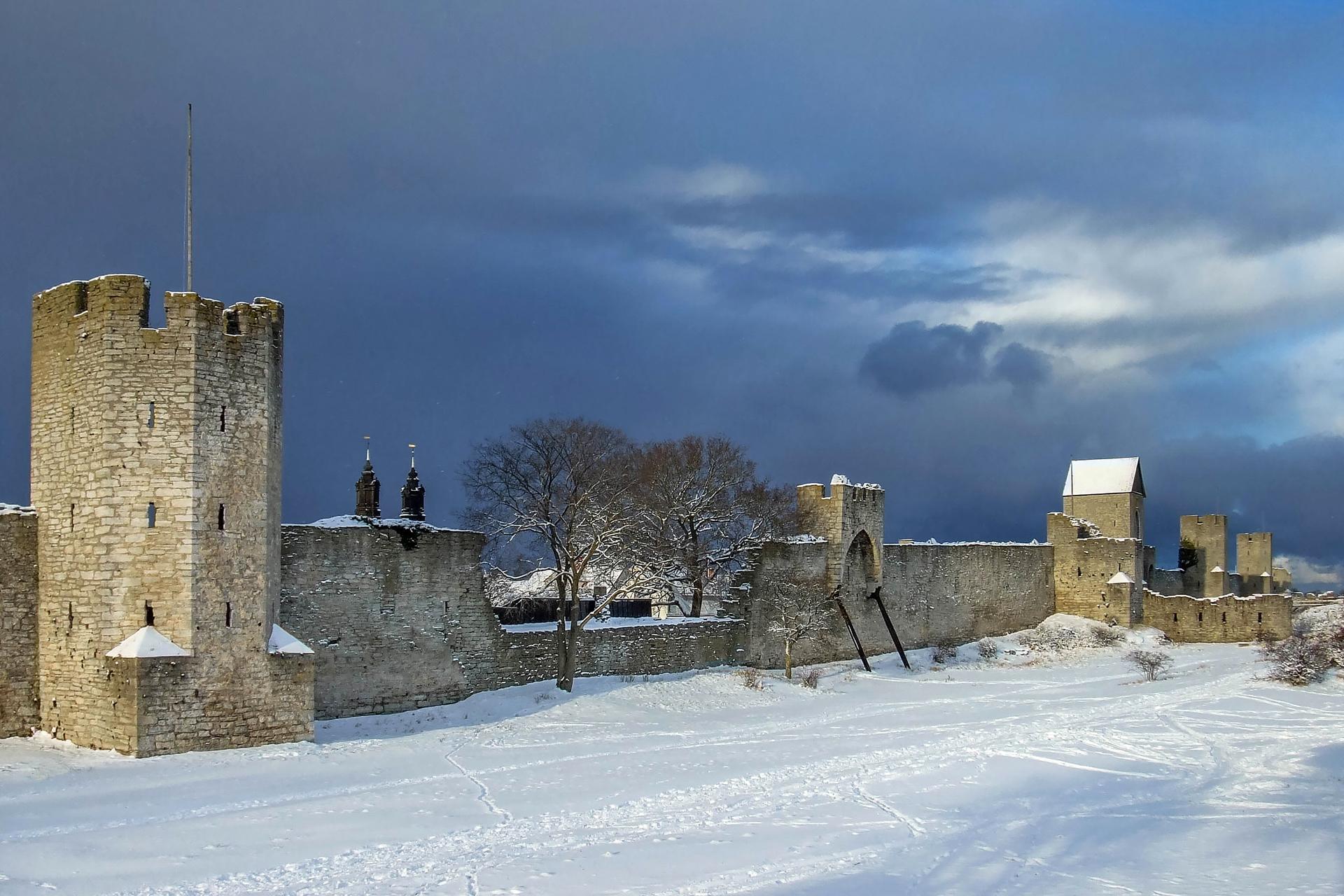
Explore Gotland, Sweden's largest island, known for its medieval charm, stunning natural landscapes, and vibrant cultural scene in the heart of the Baltic Sea.
Tell me more about Gotland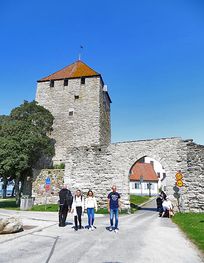
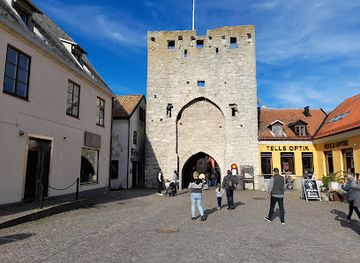
Step through the narrow Fisherman's Gate into Visby's medieval heartbeat, where 15th-century stone meets Baltic waves in a UNESCO treasure of Hanseatic whispers.
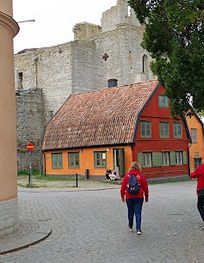
A compact, UNESCO‑listed Hanseatic old town where medieval walls, merchant houses and church ruins meet cobbled lanes and sea views.