S:ta Karin ruin, Visby Travel Guide
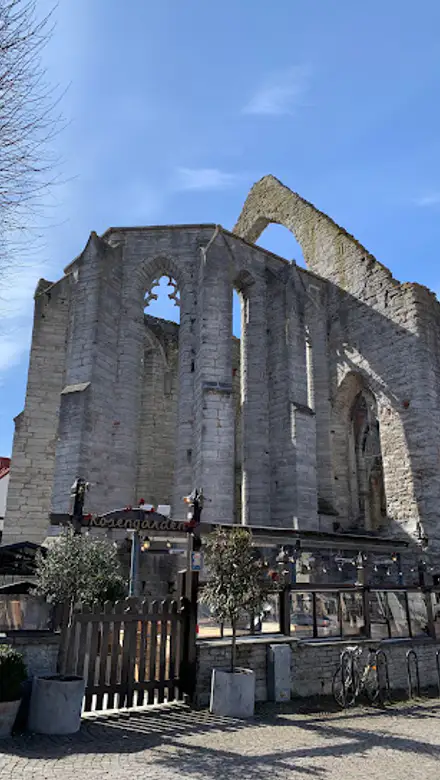
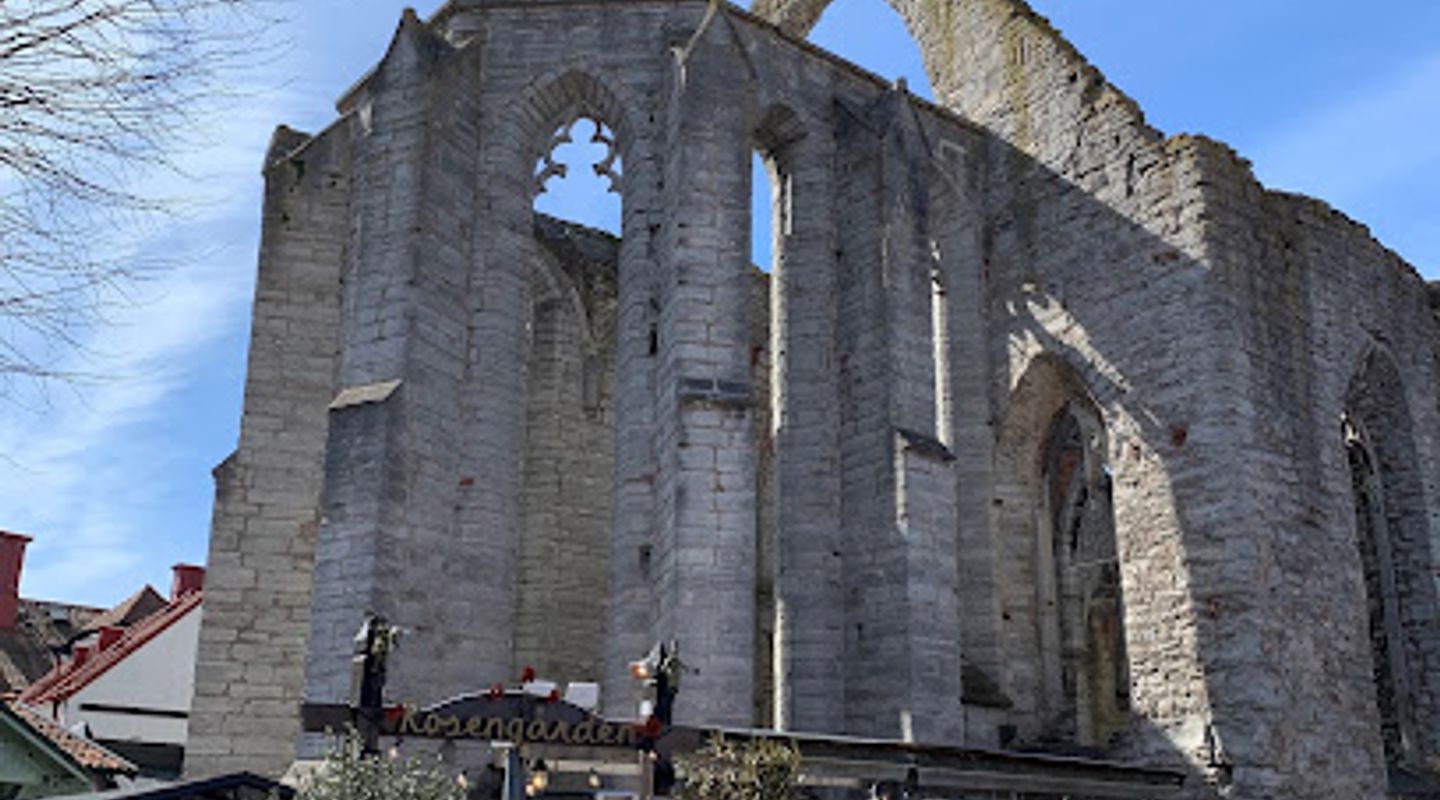
Visby's grandest church ruin: Franciscan brick vaults tower beside Stora Torget, weaving medieval monastic history into the vibrant pulse of Gotland's ancient capital.
S:ta Karins Ruin, Visby's largest church ruin, stands majestically beside Stora Torget. Built by Franciscan monks starting in 1233, this tegelvalv masterpiece features unique brick vaults amid soaring arches. Explore its medieval history, from expansions to Reformation abandonment, in a central, atmospheric setting perfect for quiet reflection amid urban bustle.
A brief summary to S:ta Karin ruin
- Stora TORGET 2, Visby, 621 56, SE
- Click to display
- Duration: 0.5 to 1.5 hours
- Free
-
 Outdoor
- Mobile reception: 5 out of 5
- Monday 10 am-6 pm
- Tuesday 10 am-6 pm
- Wednesday 10 am-6 pm
- Thursday 10 am-6 pm
- Friday 10 am-6 pm
- Saturday 10 am-6 pm
- Sunday 10 am-6 pm

Know before you go
Hi, I'm Eve. Here are a few practical things to know before exploring S:ta Karin ruin.
- Visit in late afternoon for golden light illuminating the unique brick vaults against the sky.
- Attend a summer event like music or market to experience the ruin alive with modern gatherings.
- Note the high choir windows' remnants, echoes of 14th-century expansions.
Do you manage this location?
Take control to get all the benefits, like improved information, better appearance, and stronger visibility across AI-powered discovery. Learn more about listing your business on Evendo
Activate your presenceOther nearby places you may find interesting
The closest places of the same kind, if this one is not quite what you had in mind.
Explore S:ta Karin ruin on the Map
A handpicked selection of must-see spots near S:ta Karin ruin, mapped for you.
Unlock the Best of S:ta Karin ruin
Buy tickets
-
No tickets available
Book tours with entry
-
No tours available
Book tours without entry

Getting There
-
Walking
From Visby bus station, walk 10-15 minutes along paved pedestrian streets through the Ringmuren inner city; flat terrain suits all abilities, no fees involved.
-
Bus
Take local bus line 1 or 2 from Visby harbor or airport to Stora Torget stop, 5-10 minutes travel time; services run frequently 10am-6pm May-Oct, fares 30-40 SEK.
-
Bicycle
Rent bikes from city centers, 5-8 minutes pedal on bike paths to Stora Torget; secure parking racks nearby, rentals 100-150 SEK per day, watch for pedestrian crowds.
-
Taxi
Taxi from Visby Airport, 15-20 minutes depending on traffic; metered fares around 300-400 SEK, available 24/7 but limited in peak summer.
For the on-the-go comforts that matter to you
-
 Information Boards
-
 Trash Bins
-
 Seating Areas
Discover more about S:ta Karin ruin
Franciscan Foundations in Medieval Visby
S:ta Karins Ruin, originally known as S:ta Katarina, emerged as the heart of Visby's first Franciscan monastery, established in 1233 by the 'gråbröder' or barefoot friars. These mendicant monks, clad in gray robes tied with a knotted rope symbolizing poverty, chastity, and obedience, constructed an initial long, narrow church with a tapering chancel and high round-arched windows by around 1250. Nestled right against the southern edge of Stora Torget, the ruin's location pulsed with the medieval trade hub's energy, where merchants bartered under open skies.Expansions and Architectural Marvels
By the late 1300s, Franciscan popularity surged, prompting major expansions modeled after S:t Nicolai. The church widened dramatically, gaining a grander choir with tall, elegant windows that flooded the interior with light. What sets S:ta Karin apart is its pioneering use of brick for the vaults—unique in Visby, where limestone dominated. Towering arches and sturdy pillars remain, evoking the scale of one of the city's largest sacred spaces, rivaling even Dominican counterparts.Trials of Collapse and Reformation
Disaster struck in 1402 with a devastating vault collapse during longhouse construction, halting progress. Repairs culminated in the choir's dedication in 1412, but work slowed, leaving the nave incomplete by mid-15th century. The monastery thrived until the late 1520s Danish Reformation scattered the friars, confiscating treasures and repurposing the site—briefly as a hospital before decay set in. Reformation winds transformed thriving cloisters into crumbling relics amid Visby's shifting fortunes.Restoration and Modern Vitality
Centuries of neglect followed, with ruins serving as quarries, livestock pens, and waste dumps until national protection in 1805. Major conservation in the 1930s and 1957 preserved the structure, managed today by Gotlands Museum. Summer opens the site daily, while winter invites skating beneath the arches. Today, it pulses with life: music events, fire circuses, Christmas markets, and even skridskodisco animate the space, blending solemn history with communal joy.Legacy of Saint Catherine
Named for Saint Catherine of Alexandria, the 4th-century martyr who converted scholars and withstood tortures like spiked wheels by angelic intervention, the ruin embodies resilient faith. Legends of her dove-fed imprisonment and ultimate beheading inspire the site's enduring allure. Beneath the surface lie untold graves, a somber reminder of medieval burials where Franciscan records note disinterments to manage overcrowding.Atmospheric Heart of the World Heritage City
In Visby's UNESCO-listed core, surrounded by the 3.5km Ringmuren, S:ta Karin offers a magical portal to Hanseatic prosperity. High vaults frame open skies, casting dramatic shadows that shift with the light. The ruin's scale and intact features—walls, windows, pillars—invite contemplation of Gotland's medieval golden age, where 13 church ruins whisper tales of faith, trade, and time's inexorable passage.












Your all‑in‑one travel companion app
Explore expert travel guides, compare and book tours, experiences, hotels, and more—all from the palm of your hand. Download now for seamless trip planning wherever your wanderlust takes you.


Explore More of Visby
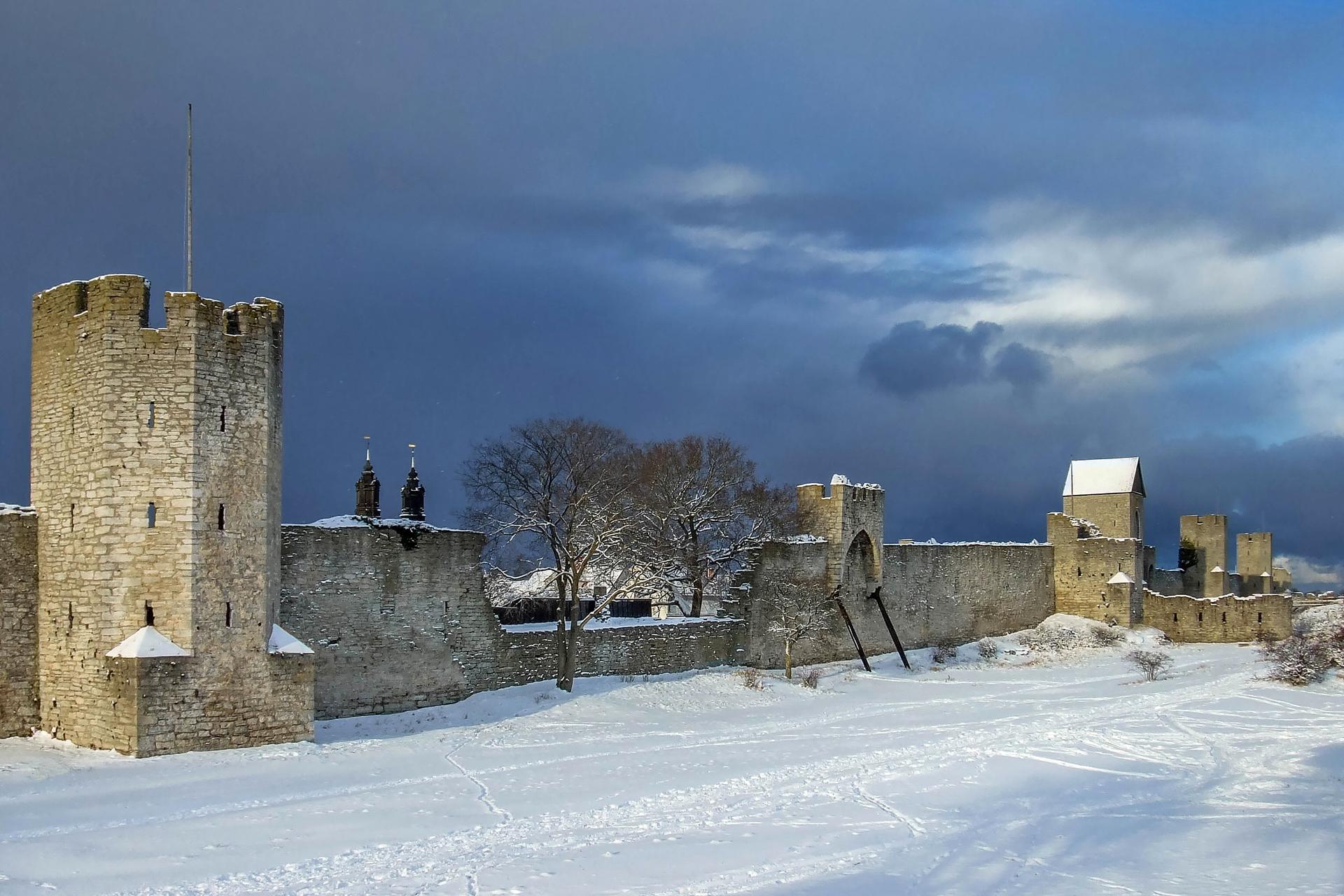
Looking beyond S:ta Karin ruin? Discover Visby for broader travel guides, local hot-spots, and regional highlights.
Explore Visby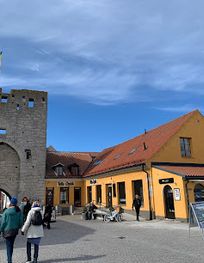
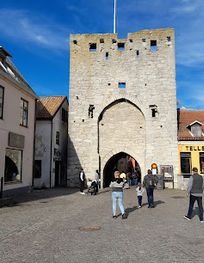
Pass through Österport's twin towers into Visby's medieval heart—a 13th-century gateway blending Hanseatic history, limestone grandeur, and timeless Baltic charm.
Visby's medieval heartbeat: historic square with Franciscan ruins, buzzing markets, and timeless trade vibes since the 1300s.