
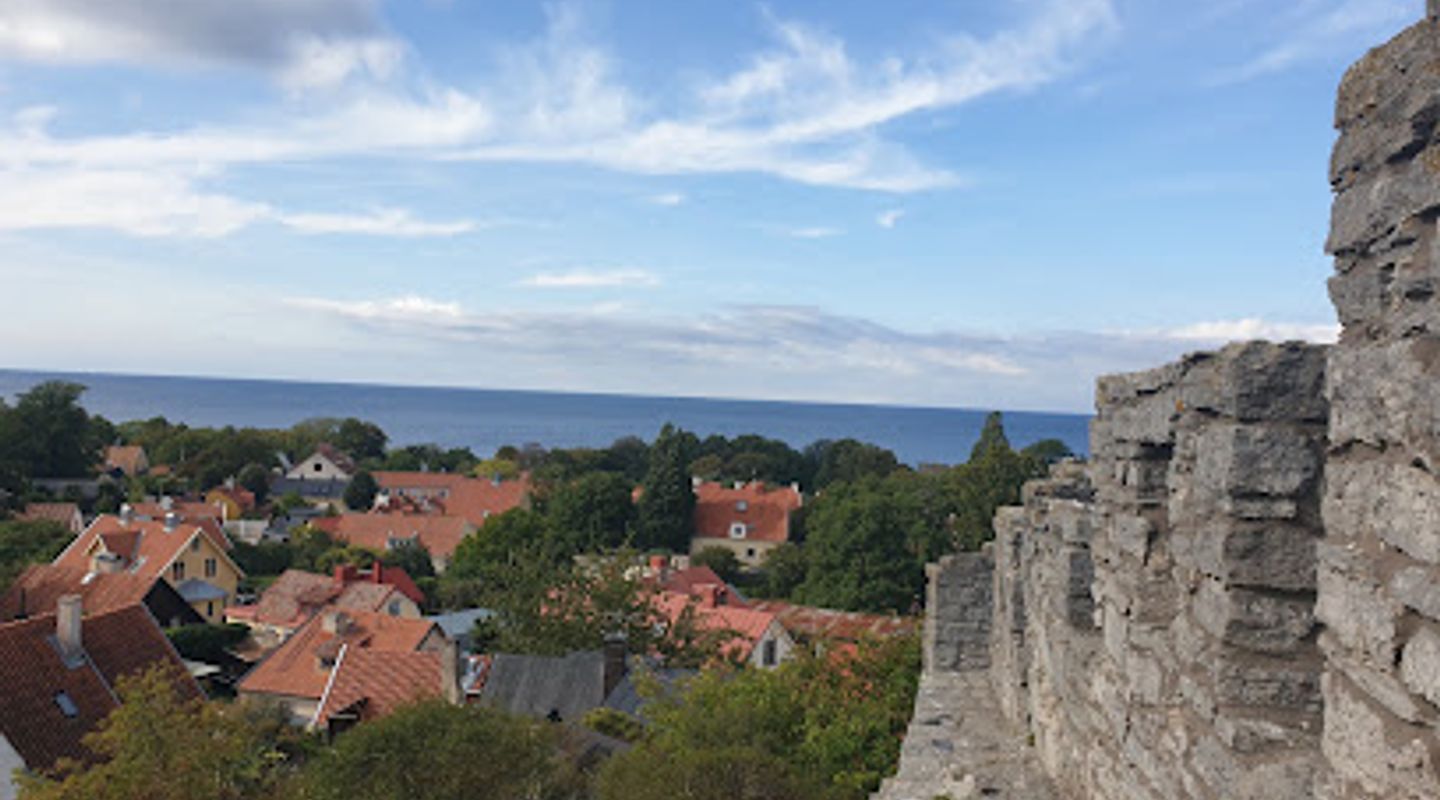
St. Nicolai Ruin, Gotland Travel Guide
Echoes of sailors' devotion and Dominican resilience linger in Visby's ivy-embraced 13th-century church ruin, a stage for summer symphonies amid Gothic whispers.
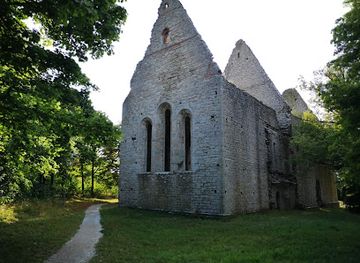
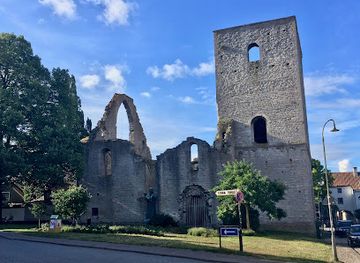
St. Nicolai Ruin stands as a poignant medieval remnant in Visby's northern district, originally built around 1215-1220 as a parish church for German traders and sailors dedicated to Saint Nicholas, their patron. A devastating fire interrupted construction, leading Dominican friars to rebuild it mid-13th century into a convent church, marked by its striking west gable from 1251. Famous prior Petrus de Dacia left a legacy commemorated by a north-side plaque. Burned during the 1525 Lübeck attack, it fell into ruin post-Reformation, with materials quarried in 1795, yet 19th-century excavations preserved its Gothic arches and atmospheric stonework. Today, this free-access site hosts summer chamber music festivals amid ivy-clad walls, evoking Visby's Hanseatic past in a serene urban garden setting.
A brief summary to St. Nicolai Ruin
- Smedjegatan 19, Visby, 621 55, SE
- Click to display
- Click to display
- Duration: 0.5 to 1.5 hours
- Free
-
 Outdoor
- Mobile reception: 5 out of 5

Know before you go
Hi, I'm Eve. Here are a few practical things to know before exploring St. Nicolai Ruin.
- Visit during the Gotland Chamber Music Festival in summer for unforgettable open-air concerts within the ruins.
- Seek the north-side plaque honoring Petrus de Dacia, revealing ties to medieval mysticism and early Swedish literature.
- Explore at dusk when soft light accentuates the Gothic arches and creates a serene, otherworldly glow.
- Combine with nearby ruins like St. Clemens for a half-day medieval heritage walk through Visby's UNESCO core.
- Watch for seasonal wildflowers in the grassy interior, adding natural color to the stone narrative.
Do you manage this location?
Take control to get all the benefits, like improved information, better appearance, and stronger visibility across AI-powered discovery. Learn more about listing your business on Evendo
Activate your presenceOther nearby places you may find interesting
The closest places of the same kind, if this one is not quite what you had in mind.
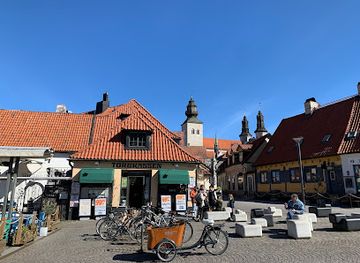
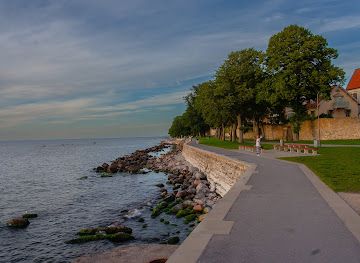
Explore St. Nicolai Ruin on the Map
A handpicked selection of must-see spots near St. Nicolai Ruin, mapped for you.
Getting There
-
Walking
From Visby bus station, walk 15-20 minutes via flat, pedestrian-friendly streets through the UNESCO walled city; fully accessible with no steep inclines, ideal year-round.
-
Bus
Take local bus 1 or 2 from Visby harbor or central stops, 5-10 minutes travel time with services every 15-30 minutes; single ticket 30-40 SEK, alight at Smedjegatan stop.
-
Bicycle
Rent bikes from city stations, 8-12 minutes pedal on dedicated paths; free or 50-100 SEK per hour, secure racks nearby but limited in peak summer.
-
Taxi
Taxi from Visby Airport or harbor, 10-15 minutes depending on traffic; 200-300 SEK flat rate, available 24/7 but pricier during festivals.
For the on-the-go comforts that matter to you
-
 Restrooms
-
 Seating Areas
-
 Trash Bins
-
 Information Boards
Discover more about St. Nicolai Ruin
Origins Amid Medieval Trade Winds
Nestled in Visby's northern parish along Smedjegatan, St. Nicolai Ruin emerged around 1215-1220 as a vital parish church for the German merchant community. Dedicated to Saint Nicholas, protector of sailors and traders, it symbolized the bustling Hanseatic commerce that defined Visby as a Baltic powerhouse. Construction halted abruptly when fire ravaged the incomplete structure, shifting its role from parish hub to a site of resilient rebirth.Dominican Renewal and Petrus de Dacia's Era
Resourceful Dominican friars seized the damaged shell in the mid-13th century, transforming it into a convent church. They erected the enduring west gable in 1251, its robust lines still piercing the skyline. A plaque on the north facade honors Petrus de Dacia, prior in the late 1200s, a Gotland-born scholar whose theological journeys to Paris and Cologne intertwined with mystic visions of nun Christina of Stommeln, yielding Sweden's earliest personal letters.Flames of Conflict and Reformation Shadows
Tragedy struck in 1525 during the brutal Lübeck assault on Visby, when defenders torched the convent and church to thwart invaders. Post-Reformation, neglect set in; no rebuilding occurred, and by 1795, mayor Peter Herman Grevesmühl permitted quarrying of stones and sculptures for civic use, eroding much ornamentation. The ruins lingered as quiet relics of faded monastic life amid Gotland's medieval tapestry.Archaeological Awakening and Modern Resonance
From the late 19th century, dedicated excavations unearthed buried features, stabilizing the Gothic arches, nave remnants, and choir for posterity. Today, the ruin's grassy enclosure invites contemplation of layered history, where weathered limestone whispers tales of devotion, destruction, and endurance. Sunlight filters through jagged openings, casting ethereal patterns on mossy floors.Summer Echoes in Stone Sanctuaries
Reimagined as a natural concert venue since 1986, St. Nicolai hosts the Gotland Chamber Music Festival, with pianist Staffan Scheja and others filling the air with melodies under open skies. Lucia celebrations and choral events amplify its acoustic allure, blending sacred past with contemporary harmony. Ivy frames the scene, enhancing the intimate, al fresco ambiance.Atmospheric Layers of Time
Wander the ruin's perimeter to trace Dominican expansions, fire-scarred walls, and subtle engravings. The site's compact scale belies its narrative depth, offering a microcosm of Visby's 12 church ruins—testaments to prosperity's ebb. In quiet moments, the rustle of leaves and distant gulls evoke sailors' gratitude to their saint.












Your all‑in‑one travel companion app
Explore expert travel guides, compare and book tours, experiences, hotels, and more—all from the palm of your hand. Download now for seamless trip planning wherever your wanderlust takes you.


Explore More of Gotland
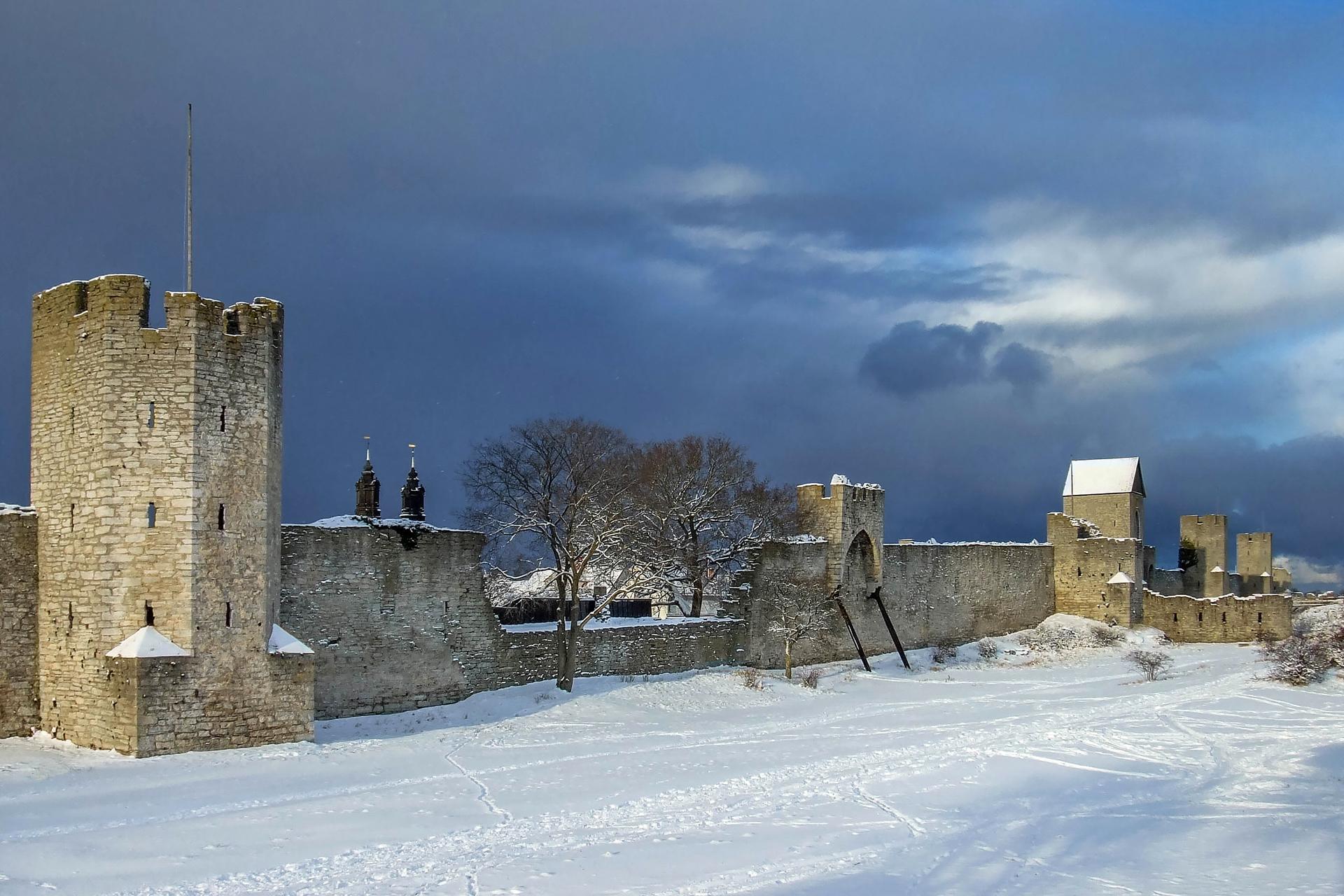
Looking beyond St. Nicolai Ruin? Discover Gotland for broader travel guides, local hot-spots, and regional highlights.
Explore Gotland