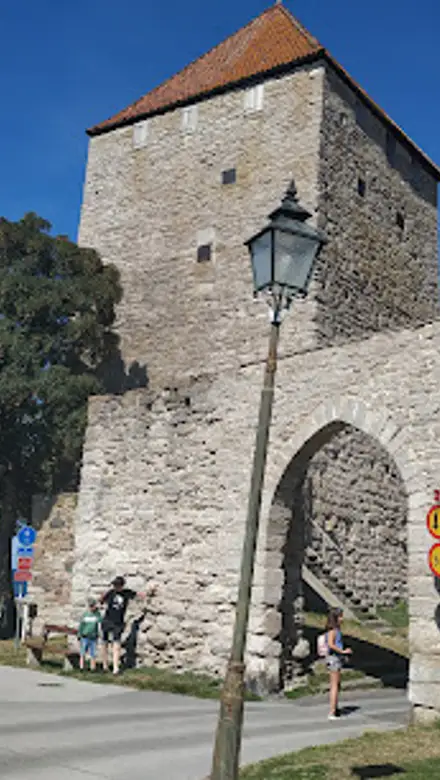
Visby Town Wall Travel Guide
Free Guide: A 13th‑century stone ring around Visby: a near‑complete medieval fortification of towers, gates and sea‑framed views that defines the town’s historic heart.


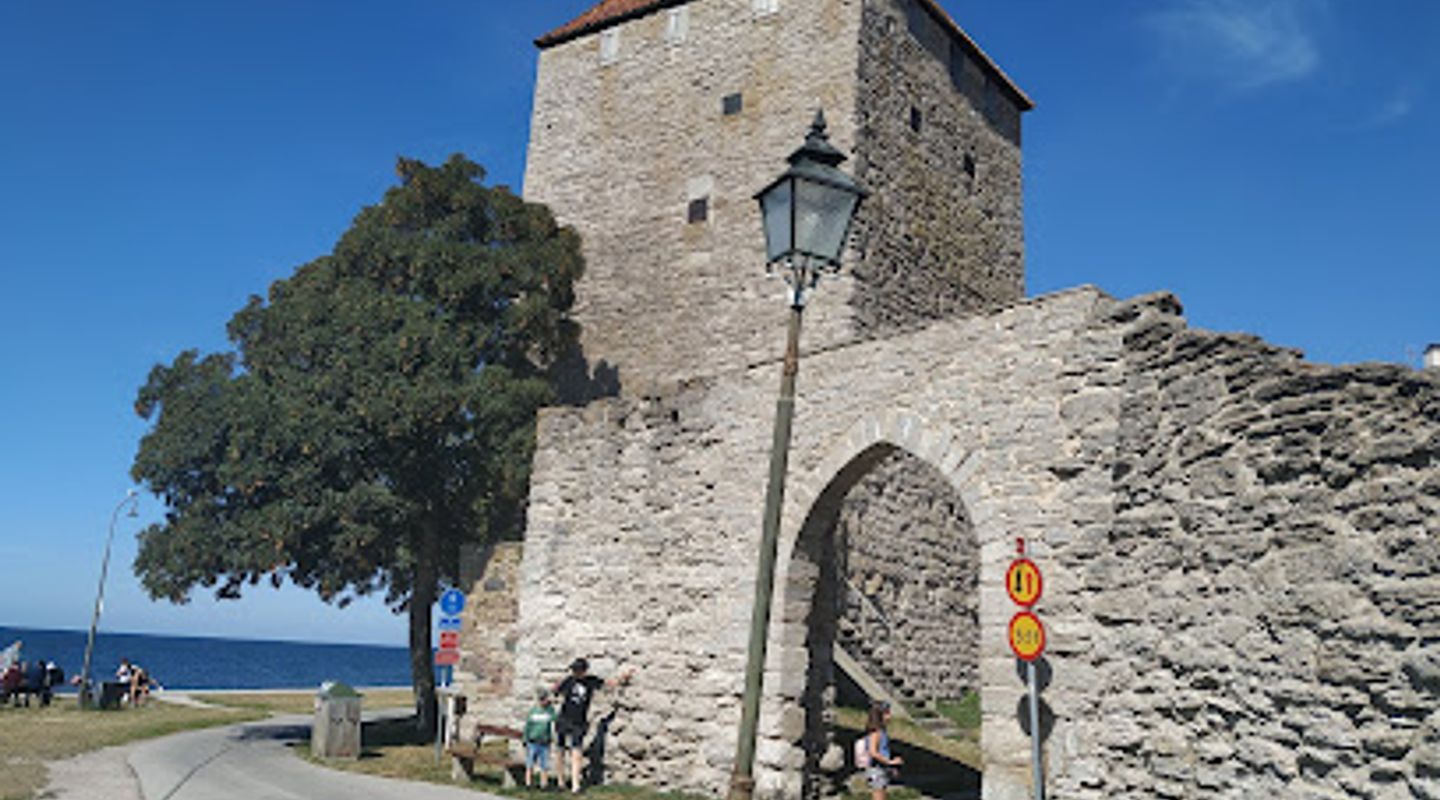
A brief summary of Visby Town Wall
A 13th‑century stone ring around Visby: a near‑complete medieval fortification of towers, gates and sea‑framed views that defines the town’s historic heart.
A well‑preserved medieval curtain of stone that encircles Visby’s old town, the Visby Town Wall stretches for roughly 3.4 km and features dozens of towers and gates built in the 13th–14th centuries. Part of Visby’s UNESCO World Heritage area, the wall frames cobbled lanes, ruined churches and sea views; sections are walkable and the structure reads like an open‑air chapter of Hanseatic history.
On-site amenities
 Seating areas
 Information boards
 Restrooms
 Food options
Opening hours
- Every dayOpen 24 hours
Opening hours as listed on the venue’s Google Business Profile. Hours can change for services and special events, so check with the venue before you go.
- Address
- 621 56 Visby
- Website
Getting there
By regional ferry
By air
By local bus or taxi
Discover more about Visby Town Wall
Origins and medieval purpose
The wall was raised in stages during the 1200s and 1300s as Visby grew into a prosperous Baltic trading centre; its continuous stone curtain, punctuated by defensive towers and gateways, was built to deter piracy and hostile armies and to mark the boundary of the merchant town.Archaeological evidence and surviving masonry show a mixture of construction techniques and repairs spanning centuries, so the wall reads as a layered document: original medieval ashlar sits beside later buttresses and patched sections where time and weather demanded reinforcement.
Form and notable features
The fortification runs roughly 3.4 kilometres around the old town and originally included many more towers than survive intact today; the existing sequence of larger and smaller towers, towers used as storage and strongpoints, and a number of gates create a rhythm along the circuit.Look for variations in height, arrow‑slits and narrow openings that reveal the military thinking of the time, and for towers with domestic additions where houses press up to the outer face—these juxtapositions tell the story of a living city rather than a frozen monument.
The wall in the townscape
From the outside the wall forms a continuous, often dramatic line against the sky and, in places, provides raised panoramic views over the Baltic and the low coastal plain; from inside, it frames narrow alleys, intimate courtyards and the many medieval church ruins that give Visby its nickname as a city of ruins.At certain gates and sea‑facing stretches the relationship between town and harbour is especially clear: the wall once controlled access and trade, and today the same thresholds focus movement and views in and out of the historic core.
Visitor experience and walking the circuit
Visitors encounter varied surfaces—cobble, packed earth and patched stone—so a full circuit can take 1.5–3 hours at a relaxed pace, longer if you pause for details, views or nearby ruins. Some stretches are freely walkable at ground level and a few elevated walkways or tower interiors are accessible at times, giving different vantage points over the fabric.The sensory character changes with weather and light: the stone warms in sunlight and takes on a silvery blue in overcast conditions; wind off the sea carries gull calls and salt; at dusk the wall’s silhouette becomes a dramatic outline against the western sky.
Conservation and significance
As a key component of Visby’s World Heritage designation, the wall is subject to ongoing conservation to balance public access and protection of fragile medieval masonry. Repairs respect traditional materials and patterns where feasible, and interpretive panels at some locations explain phases of construction and major restorations.The wall’s significance lies both in its scale—one of the most intact medieval town walls in northern Europe—and in the way it integrates with the urban fabric, church ruins and domestic buildings that grew up against it.
Practical character notes
The wall is experienced as a continuous presence rather than a single site: it forms long vistas, intimate corners and abrupt transitions between interior lanes and open outward views. Seasonal light and events in the town alter the atmosphere—summer greenery softens some stretches while winter exposes raw stone and structural detail—making repeat visits rewarding for those who enjoy architectural layering and the tactile quality of ancient masonry.
Evendo Review Centre
 Google
Guest reviews
Best time to go
Quietest: Jan, Feb & Dec · at 1am or at 2am or at 3am
Busy times are Evendo estimates for a typical year, to help you plan. Actual crowds vary with events, school holidays and the weather.
Explore Visby Town Wall on the map
A handpicked selection of must-see spots near Visby Town Wall, mapped for you.
Get your free copy of our complete guide to Visby Town Wall, delivered straight to you.
Everything on this page, from opening hours and how to get there to Eve’s tips and the best time to go, in one PDF you can read offline, print or share.
Already have an account? Sign in
Your Visby Town Wall guide is ready.
We'll send it to · Not you? Sign out

Getting your guide ready…
We are putting together a fresh copy of the Visby Town Wall guide. This can take up to a minute.
This can take a few moments. If your browser asks, choose Allow so the download can start. You'll find the guide in your Downloads folder.
Nothing happened? Download it again
Sorry, the guide is taking longer than usual. Please try again in a minute, or get it by email instead.
Unlock the best of Visby Town Wall
Skip-the-line tickets, guided tours with entry, and walking tours of the area, booked in a few clicks.
 Tour with entry
Visby Half Day Shore Excursion from Cruise Port
from $128.01 Tour with entry
Family-friendly private walking tour in Visby
from $388.11 Tour with entry
Visby Private Half Day Tour from Visby Cruise Port
from $794.35 Tour with entry
Visby Highlights Private Tour from Visby Cruise Port
from $1,214.61


Other nearby places you may find interesting
The closest places of the same kind, if this one is not quite what you had in mind.
-
-
-
-
-


Swipe for more places
More to explore near Visby Town Wall

 Best experiences near Visby Town Wall
 Best hotels near Visby Town Wall
 Best landmarks near Visby Town Wall
 Best attractions near Visby Town Wall
 Best shops near Visby Town Wall
 Best restaurants near Visby Town Wall
 Best bars near Visby Town Wall
Do you manage this location?
Take control to get all the benefits, like improved information, better appearance, and stronger visibility across AI-powered discovery.
Explore more
Explore more of Götaland
Discover Götaland: Explore Southern Sweden's Rich History, Breathtaking Landscapes, and Vibrant Culture
Explore Götaland
Explore more of Sweden
Discover Sweden's breathtaking landscapes, vibrant cities, and rich cultural heritage. From the Northern Lights to historic castles, experience the essence of Scandinavia.
Explore Sweden