Gunilla Bell, Uppsala Travel Guide
A sonorous 16th-century bell on Uppsala Castle’s bastion—historic signal, viewpoint and living fragment of the city’s past.
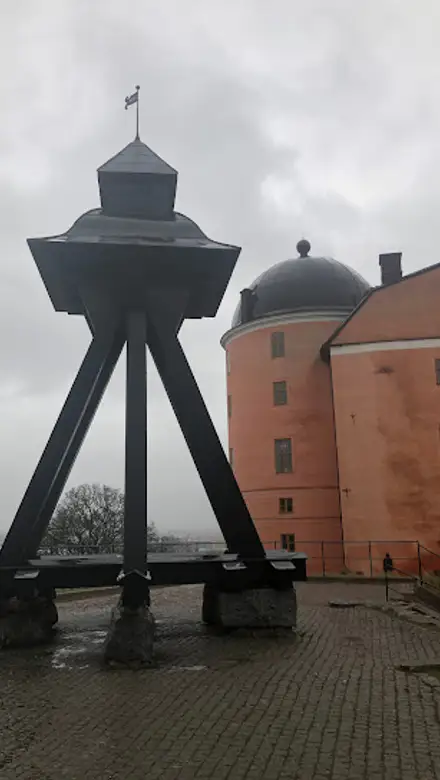
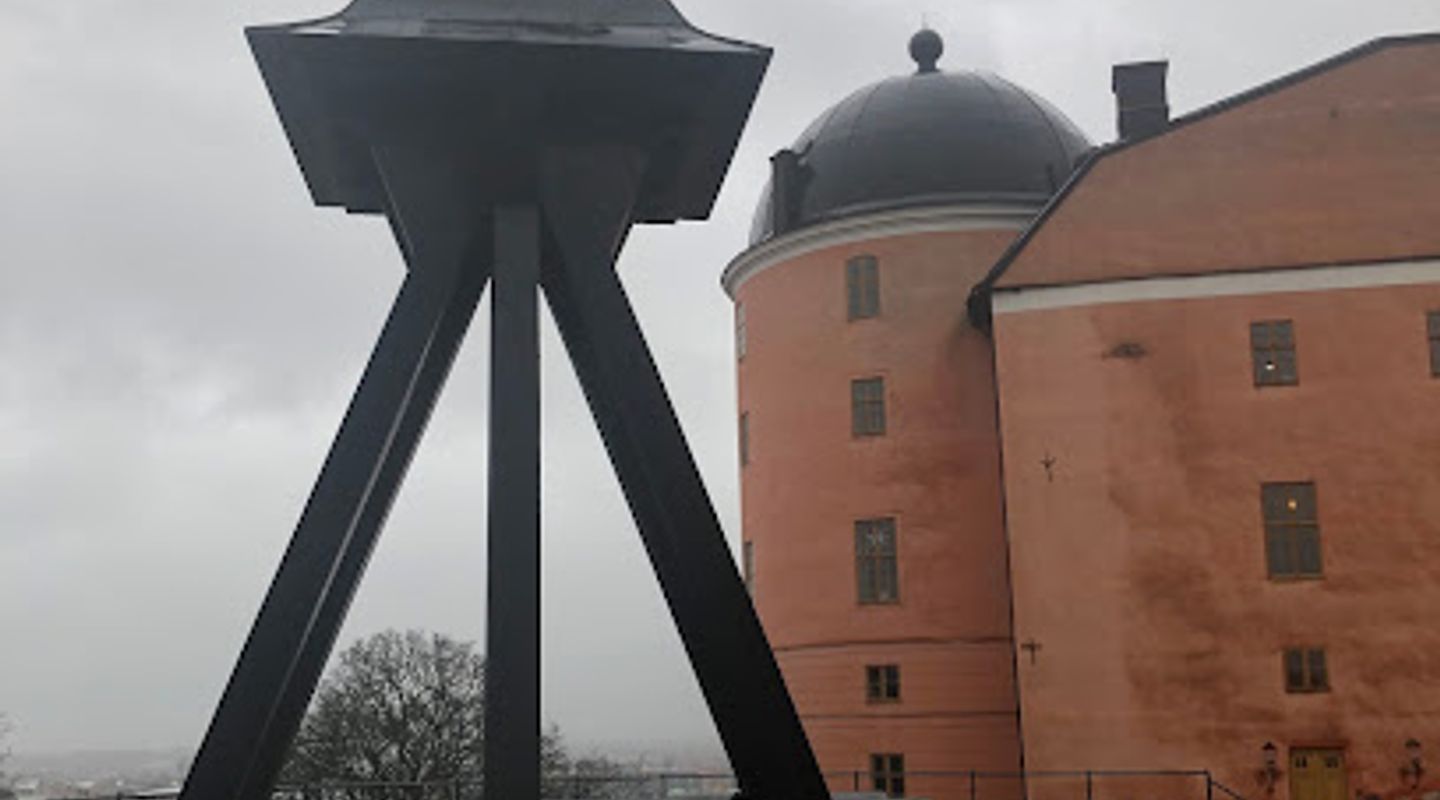
Perched on the battlements of Uppsala Castle’s Styrbiskop bastion, the Gunilla Bell (Gunillaklockan) is a centuries-old cast bell with a storied civic role and an arresting view over the city and cathedral precincts. Originally cast in the late 16th century and recast after the castle fire, the bell has served as curfew, alarm and timekeeper; today it is an evocative historical feature in a compact, easily visited site at Slottet in central Uppsala.
A brief summary to Gunilla Bell
- Slottet, Uppsala, 752 37, SE
- Click to display
- Duration: 0.25 to 1 hours
- Free
-
 Outdoor
- Mobile reception: 4 out of 5

Know before you go
Hi, I'm Eve. Here are a few practical things to know before exploring Gunilla Bell.
- Allow 20–45 minutes to soak in the bell, the battlements and nearby views; plaques explain key facts but bring a local history guidebook for deeper context.
- The site is exposed to wind and weather; dress in layers and wear sturdy shoes for the stone surfaces on the ramparts.
- Photography works best in morning or late-afternoon light when the bell and castle stone gain texture; avoid using flash that may startle others during quiet moments.
Do you manage this location?
Take control to get all the benefits, like improved information, better appearance, and stronger visibility across AI-powered discovery. Learn more about listing your business on Evendo
Activate your presenceOther nearby places you may find interesting
The closest places of the same kind, if this one is not quite what you had in mind.



Explore Gunilla Bell on the Map
A handpicked selection of must-see spots near Gunilla Bell, mapped for you.
Unlock the Best of Gunilla Bell
Buy tickets
-
No tickets available
Book tours with entry
-
No tours available
Book tours without entry

Getting There
-
Public bus or local transit
Local city buses from central Uppsala to the castle area typically take 5–15 minutes depending on origin; services run frequently during the day but may be less regular late evening and on Sundays. Expect a single-ride adult fare in SEK approximately 35–55; verify current ticketing before travel. Note: stops serve the vicinity but the final approach involves short uphill footpaths and stone steps.
-
Walking from Uppsala city centre
A pedestrian approach from the central railway station or university area typically takes 10–25 minutes on paved streets and gentle slopes; terrain includes cobblestones and castle steps which may be slippery when wet, so allow more time for mobility-limited travellers and avoid very small children on steep edges.
-
Taxi or rideshare
A taxi from central Uppsala to the castle takes roughly 5–10 minutes depending on traffic; expect fares in the order of SEK 100–220. Drop-off is possible nearby but firm parking at the castle is limited and drivers may need to stop on adjacent streets; accessibility for wheelchair users may vary at the immediate battlement access.
For the on-the-go comforts that matter to you
-
 Information Boards
-
 Seating Areas
Discover more about Gunilla Bell
Origins and historic purpose
The Gunilla Bell dates to the late 1500s and takes its name from Queen Gunilla Bielke, who lived during that era. It was cast to serve both ceremonial and practical roles for the town: sounding the hours, signalling curfews and warning citizens of fires or other emergencies. After a destructive blaze at the castle the bell was recast and repositioned on the battlements of the Styrbiskop gun battery, where its deep tone could carry across the valley toward the cathedral and the market below.Setting on the castle ramparts
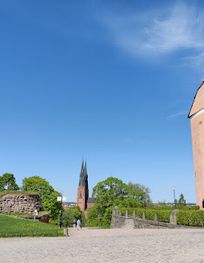
The bell sits on the south-western bastion of Uppsala Castle, visible from the castle courtyard and from nearby gardens and streets. The stone fortifications and brickwork of the ramparts form a compact theatrical stage for the bell: weathered iron fittings, patched masonry and the silhouette of the bell against sky all speak to repeated repair and use over centuries. Because of its raised position you can look past the bell toward the cathedral spires and the broader cityscape, making the object not just an artefact but a framed viewpoint.Design and material traces
Although much of the bell’s surface carries the soft patina of age, careful inspection reveals casting marks, historic inscriptions and original suspension hardware grafted into later repairs. The bell’s timbre, when rung on special occasions, is a low, sonorous note that would historically have cut through market noise and seasonal winds. Visual details—iron bolts, a wooden headstock replaced through restorations, and traces of old paint or gilding—illustrate how practical maintenance and ceremonial pride have coexisted in the bell’s care.The bell in the life of the city
For centuries the Gunilla Bell acted as a civic instrument: announcing time, calling attention to official proclamations and sounding alarms. Placed where it could be heard around the cathedral precincts, its voice linked the military function of the castle with the rhythms of everyday urban life. The bell’s presence on the battlements underscores the castle’s historical role as both defensive stronghold and seat of regional authority.Experience on-site
Encountering the Gunilla Bell is immediate and intimate: you are close enough to see texture and tooling yet positioned to sense the bell’s soundscape across Uppsala. The surrounding courtyard and bastion are compact, so the visit is brief but layered—architecture, skyline glimpses and interpretive plaques combine to give historical context without overwhelming the senses. Light shifts quickly here, turning iron to a dark silhouette at dusk and highlighting bronze tones in sharp midday sun.Cultural resonance and preservation
The bell is treated as part of the castle’s living heritage: conserved, interpreted and occasionally sounded for ceremonial reasons. Its story—linking a late-16th-century royal patron to long-running civic use—makes it a concentrated emblem of Uppsala’s layered past. Conservation choices visible on site demonstrate practical compromises made to keep the bell secure while allowing public appreciation, and the bell remains an enduring fragment of the castle’s broader historical narrative.












Your all‑in‑one travel companion app
Explore expert travel guides, compare and book tours, experiences, hotels, and more—all from the palm of your hand. Download now for seamless trip planning wherever your wanderlust takes you.


Explore More of Uppsala

Looking beyond Gunilla Bell? Discover Uppsala for broader travel guides, local hot-spots, and regional highlights.
Explore Uppsala
Discover Baroque elegance and noble ghosts at this 17th-century Uppland gem, where guided tours, organic café fika, and cultural events unfold in historic halls.
A compact hilltop castle combining 16th-century ruins, art galleries and layered Swedish history with broad city views and intimate museum rooms.