

Free Uppsala Travel Guide & Mobile App
Plan your Uppsala trip with Evendo. Get free guides to top attractions, restaurants, hotels, and bars. Web access or download the mobile app.


Uppsala, Sweden, pairs a medieval cathedral, historic university, riverside walks and lively student culture with museums, gardens and Nordic traditions.
Cathedral, Castle and Academic Tradition
Uppsala rises north of Stockholm beside the Fyris River, its skyline defined by the red-brick towers of Uppsala Cathedral and the hilltop silhouette of Uppsala Castle. Sweden’s ecclesiastical centre during the Middle Ages and the country’s oldest university city, it combines deep historical importance with the easy rhythm of a compact student town. The University of Uppsala, founded in 1477, still shapes the city’s intellectual life, while old academic buildings, libraries and student nations lend the centre a distinctive cultural atmosphere.Read more about Uppsala
A City Made for Exploring
When is the best time to visit Uppsala?
Best: June–August · 22–24°C| Month | High (°C) | Rainfall (mm) |
|---|---|---|
| January | -1 | 11 |
| February | 0 | 7 |
| March | 3 | 5 |
| April | 9 | 3 |
| May | 16 | 3 |
| June (best) | 22 | 2 |
| July (best) | 24 | 3 |
| August (best) | 23 | 4 |
| September | 18 | 4 |
| October | 11 | 6 |
| November | 6 | 7 |
| December | 1 | 10 |
Getting to and around Uppsala
How to get there
Transportation
Best attractions in Uppsala
Uppsala Cathedral is the city’s defining visitor attraction, combining a soaring Gothic interior with royal tombs, religious art and centuries of Swedish history. Nearby Gustavianum, the former university main building, presents collections ranging from archaeology to the celebrated 17th-century Augsburg Art Cabinet. The Linnaean Garden offers a carefully maintained botanical setting linked to Carl Linnaeus, while Uppsala Botanical Garden extends the university’s living collections in a larger landscape. Across the river, Uppsala Castle houses museums and overlooks the centre from its elevated position. A short journey north leads to Gamla Uppsala, where three ancient burial mounds stand beside the open-air archaeological landscape and museum. Riverside paths, small bridges, cafés and the university quarter add a slower, more local dimension to sightseeing, making the city’s main attractions easy to combine on foot or by bicycle.
-
Cathedral
Uppsala Cathedral
A soaring medieval cathedral of brick and limestone — Sweden’s grand ceremonial church and a treasury of royal history beneath twin Gothic spires.
4 min walk · 0.4 km from city centre
-
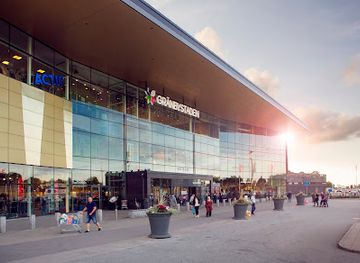
Shopping mall
Gränbystaden
Uppsala’s extensive, all-in-one shopping district — modern mall, outdoor retail streets, cafés and community services in one accessible complex.
8 min drive · 2.8 km from city centre
-
Park
Stadsträdgården
A polished, year‑round city garden by the Fyrisån — cafés, a summer stage and family-friendly lawns in the heart of Uppsala.
10 min walk · 0.8 km from city centre
-
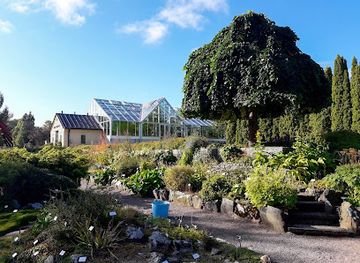
Botanical garden
Botanical Garden
A historic university garden where formal Baroque design, tropical glasshouses and scientific collections meet seasonal colour and quiet lawns.
13 min walk · 1.1 km from city centre

Best landmarks in Uppsala
Uppsala Cathedral is Sweden’s largest church and a defining Gothic landmark, its brick towers and long nave dominating the city skyline. Uppsala Castle, begun under Gustav Vasa, represents the consolidation of royal power and occupies a commanding position above the historic centre. The university’s historic buildings, including Gustavianum and Carolina Rediviva, express the importance of scholarship to Uppsala’s identity; Carolina Rediviva is also associated with the Codex Argenteus, a celebrated late-antique manuscript. At Gamla Uppsala, the three great burial mounds form one of Sweden’s most recognisable archaeological landscapes and evoke the site’s early political and religious significance. The Linnaean Garden is a different kind of landmark, preserving the memory of Carl Linnaeus and the botanical teaching tradition that helped make Uppsala an international centre of natural science.
-
 Cathedral
Uppsala Cathedral
Scandinavia's tallest Gothic cathedral, guardian of royal tombs and medieval splendor in Uppsala's heart.
4 min walk · 0.3 km from city centre
-
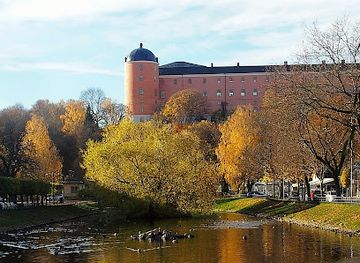
Castle
Uppsala Castle
Majestic 16th-century fortress atop Uppsala's hill, blending royal history, art museums, ancient ruins, and sweeping city panoramas in one iconic site.
8 min walk · 0.6 km from city centre
-
Historical landmark
Old Uppsala Archaeological Park
Ascend the royal mounds of ancient Sweden's pagan heartland, where Viking kings slumbered and gods demanded sacrifice amid timeless Nordic landscapes.
14 min drive · 4.5 km from city centre
-
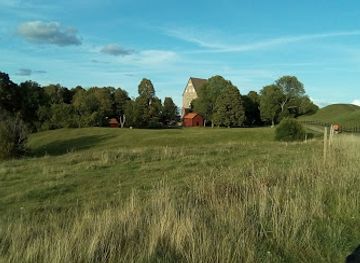
Church
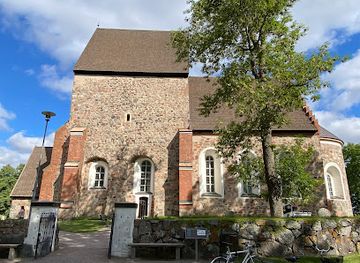
Church of Old Uppsala
Medieval church atop Viking temple grounds: where pagan blots yield to pilgrim prayers amid Uppsala's ancient royal mounds.
14 min drive · 4.5 km from city centre

Explore Uppsala on the map
Plan your Uppsala trip on one map. See where the top attractions, landmarks, restaurants, bars and hotels are, find what's near where you're staying, and book hotels and experiences in a few clicks.
Best hotels in Uppsala
Best restaurants in Uppsala
Uppsala’s dining scene reflects Swedish home cooking, contemporary Nordic ideas and the international character brought by its university community. Traditional menus may feature meatballs, herring, salmon, seasonal game and creamy potato dishes, while fika remains central to the day: coffee accompanied by pastries such as kanelbullar, the familiar cinnamon bun. Central streets around Dragarbrunnsgatan, the river and the university quarter contain cafés, bakeries, casual restaurants and more polished dining rooms, with student nations adding an important social and affordable dimension for those eligible to enter. Swedish ingredients, including berries, mushrooms, root vegetables and freshwater fish, appear prominently in seasonal cooking. Food shops and cafés also provide opportunities to sample breads, cheeses and sweets without committing to a formal meal, while international restaurants reflect Uppsala’s diverse population rather than a single regional culinary style.
-
Restaurant
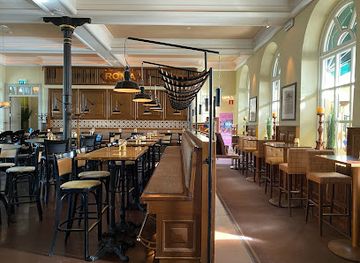
Stationen
Uppsala's railway gem: Parisian brasserie, London bar buzz, and Roman café allure in one historic station house since 1866.
5 min walk · 0.4 km from city centre
-
Hamburger
Bastard Burgers
Norrland's bold burgers hit Uppsala: Swedish beef, vegan mastery, truffle twists, and street-food swagger on vibrant Dragarbrunnsgatan.
2 min walk · 0.2 km from city centre
-
Greek
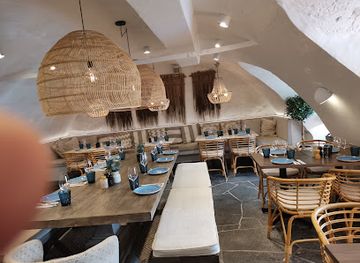
Restaurang Tzatziki
Cosy cellar Greek tavern in Uppsala’s historic Fyristorg, serving classic meze, grilled dishes and convivial shared plates in a warm brick interior.
2 min walk · 0.2 km from city centre
-
Bar
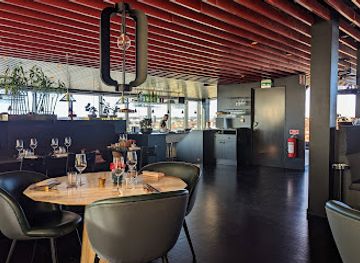
Miss Voon
Stylish Asian-fusion dining above Uppsala — share inventive small plates, enjoy cocktails and an evening skyline view.
7 min walk · 0.6 km from city centre

Best bars in Uppsala
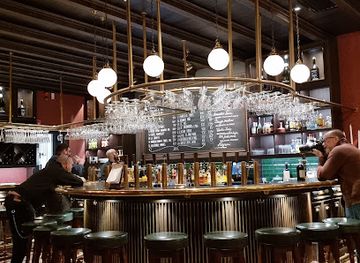
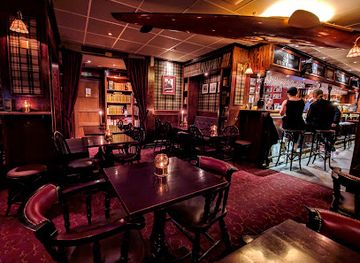
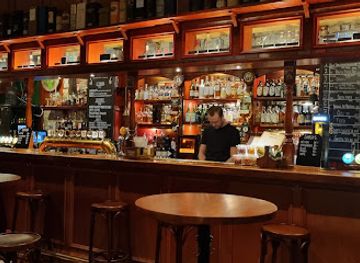
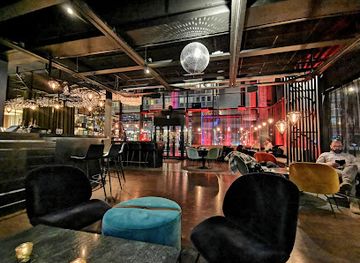
Uppsala’s evening life is shaped less by a large club scene than by its student culture, intimate bars and regular performances. Student nations host dinners, pubs, live music and dances, although entry rules and membership requirements differ between organisations. Around the central streets and the Fyris River, visitors will find places for an early drink, craft beer, cocktails or a relaxed evening rather than a concentrated nightlife quarter. Katalin and All That Jazz, close to the railway station, is an established venue for concerts, while Uppsala Konsert & Kongress presents classical music, popular performances and cultural events in a prominent modern building. The city’s nightlife becomes especially active during the academic year, whereas summer evenings favour outdoor terraces and riverside walks. Late-night options are more limited than in Stockholm, and cycling and public transport etiquette remain important after dark.
-
Belgian
Bierhuis Ölcafé
Uppsala's premier Belgian beer café, boasting 100+ brews, 24 taps, and classic mussels in a cozy, welcoming pub atmosphere perfect for casual evenings.
4 min walk · 0.3 km from city centre
-
Pub
Churchill Arms
Uppsala's authentic British gastropub: draft beers, whiskies, fish & chips, and cozy vibes on lively S:t Olofsgatan—no reservations, just walk in.
4 min walk · 0.3 km from city centre
-
Pub
O'Connor's
Uppsala's premier Irish pub on Stora Torget, pouring the city's biggest drinks selection amid live music, hearty ribs, and cozy Celtic charm that lasts till dawn.
1 min walk · 0.1 km from city centre
-
Bar
Plock
Casual tapas-style plates and seasonal cocktails in the heart of Uppsala — perfect for sharing, lingering and late-night drinks.
3 min walk · 0.2 km from city centre
Best nightclubs in Uppsala
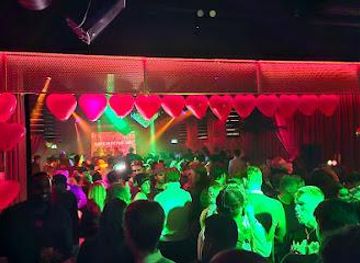
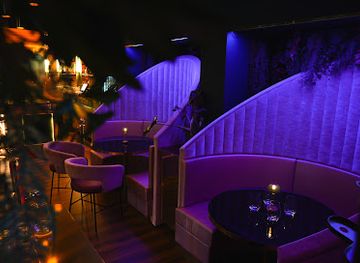
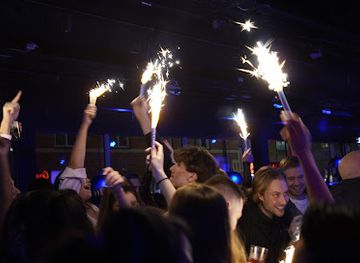
Uppsala’s evening life is shaped less by a large club scene than by its student culture, intimate bars and regular performances. Student nations host dinners, pubs, live music and dances, although entry rules and membership requirements differ between organisations. Around the central streets and the Fyris River, visitors will find places for an early drink, craft beer, cocktails or a relaxed evening rather than a concentrated nightlife quarter. Katalin and All That Jazz, close to the railway station, is an established venue for concerts, while Uppsala Konsert & Kongress presents classical music, popular performances and cultural events in a prominent modern building. The city’s nightlife becomes especially active during the academic year, whereas summer evenings favour outdoor terraces and riverside walks. Late-night options are more limited than in Stockholm, and cycling and public transport etiquette remain important after dark.
-
Night club
Birgerjarl
A hybrid late‑night club and event hall in central Uppsala — dancefloors, courtyard breaks and banquet spaces in one adaptable venue.
6 min walk · 0.5 km from city centre
-
Night club
Plan2 - Iberico
A cosy Fyristorg tapas bar that turns into a late‑night bar and DJ venue — tapas, wine and cocktails in an intimate city setting.
2 min walk · 0.2 km from city centre
-
Disco club
Soul Train Uppsala
Uppsala's retro dance haven: Soul Train delivers magical nights of disco hits, dazzling effects, and mature merriment for over-28s since 2016.
6 min walk · 0.5 km from city centre
-
Night club
Nightli Uppsala
Dance into Uppsala's historic night: Nightli's Friday-Saturday beats pulse through old town's cobblestones, blending student energy with medieval magic.
2 min walk · 0.1 km from city centre

Best shops in Uppsala
Shopping in Uppsala is concentrated in the central streets around Dragarbrunnsgatan, Svartbäcksgatan and the pedestrianised area near Stora Torget, where chain retailers sit alongside cafés and independent businesses. Small design shops, bookshops and galleries reflect the city’s university population, while seasonal markets and local food sellers offer Swedish sweets, bread, preserves and other regional produce. Visitors interested in academic heritage can find books and culturally themed gifts connected with the university, Linnaeus and the cathedral, although shopping here is more about browsing a compact city centre than visiting a vast retail district. For everyday necessities and larger-scale retail, the centre and suburban shopping areas provide broader choice. Traditional Swedish souvenirs are best selected with attention to provenance, especially when buying textiles, ceramics, craft objects or food products presented as locally made.
-
Department store
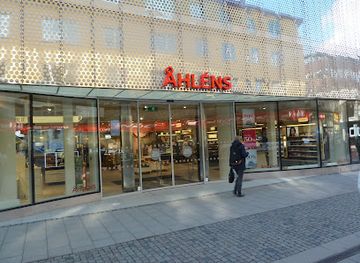
Åhléns
Uppsala's premier department store at Stora Torget, blending fashion, beauty, and home essentials in a welcoming multi-level haven.
1 min walk · 0.1 km from city centre
-
Book store
English Bookshop
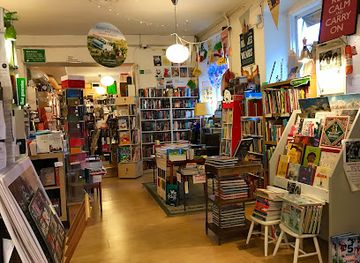
Sweden's coziest English book haven: 10,000 titles, cinematic shelves, and literary events in Uppsala's pedestrian heart—lose yourself for hours.
4 min walk · 0.3 km from city centre
-
Body piercing shop
Uppsala Piercing - Open Arms , gamla Darkwell
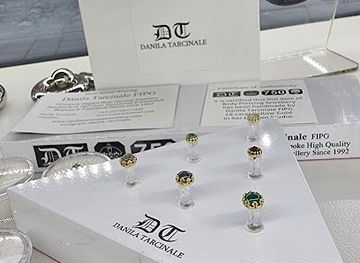
Sweden's oldest piercing haven: expert piercers, premium jewelry, and unwavering hygiene in Uppsala's lively core.
1 min walk · 0.1 km from city centre
-
Second hand store
Myrorna
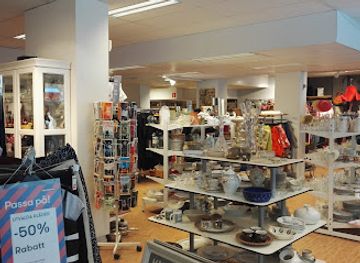
A tidy, community‑minded second‑hand shop in central Uppsala where daily donations become affordable treasures and proceeds fund social work.
4 min walk · 0.3 km from city centre
Get your free copy of our complete guide to Uppsala, delivered straight to you.
Everything on this page, from attractions and restaurants to essentials and local phrases, in one PDF you can read offline, print or share.
Already have an account? Sign in
Your Uppsala guide is ready.
We'll send it to · Not you? Sign out

Getting your guide ready…
We are putting together a fresh copy of the Uppsala guide. This can take up to a minute.
This can take a few moments. If your browser asks, choose Allow so the download can start. You'll find the guide in your Downloads folder.
Nothing happened? Download it again
Sorry, the guide is taking longer than usual. Please try again in a minute, or get it by email instead.
Uppsala essentials
Currency and Payment
Safety
Emergency Situations
Do's and Don'ts
Local Tips
From Eve
Local phrases worth knowing
You don't need to get them perfect. A few words go a long way, and locals appreciate the effort.
Basics
| English | Local | Say it |
|---|---|---|
| Hello | Hej | [hey] |
| Goodbye | Adjö | [ad-yoo] |
| Yes | Ja | [yah] |
| No | Nej | [nay] |
| Please/You're welcome | Tack | [tahck] |
| Thank you | Tack så mycket | [tahck soh myuh-ket] |
| Excuse me/Sorry | Ursäkta mig | [oor-sayk-tah me] |
| How are you? | Hur mår du? | [hoor mor doo] |
| Fine. And you? | Bra. Och du? | [bra. oh-sh doo] |
| Do you speak English? | Talar du engelska? | [tah-lar doo eng-els-kah] |
| I don't understand | Jag förstår inte | [yahg fur-stor in-te] |
Eating & Drinking
| English | Local | Say it |
|---|---|---|
| I'd like to see the menu, please | Jag skulle vilja se menyn, tack | [yahg shool-le vil-ya say men-in, tahck] |
| I don't eat meat | Jag äter inte kött | [yahg ay-ter in-te shut] |
| Cheers! | Skål! | [skawl] |
| I would like to pay, please | Jag skulle vilja betala, tack | [yahg shool-le vil-ya bay-tah-lah, tahck] |
Emergencies
| English | Local | Say it |
|---|---|---|
| Help! | Hjälp! | [yelp] |
| Go away! | Gå bort! | [goh bohrt] |
| Call the Police! | Ring polisen! | [ring pol-ees-en] |
| Call a doctor! | Ring en läkare! | [ring en leh-kah-reh] |
| I'm lost | Jag är vilse | [yahg air veels-eh] |
| I'm ill | Jag är sjuk | [yahg air shoo-k] |
Shopping
| English | Local | Say it |
|---|---|---|
| I'd like to buy... | Jag skulle vilja köpa... | [yahg shool-le vil-ya shoop-ah] |
| I'm just looking | Jag tittar bara | [yahg tee-tar bah-ra] |
| How much is it? | Hur mycket kostar det? | [hoor myoo-ket kost-ar deht] |
| That's too expensive | Det är för dyrt | [deht air fur deert] |
| Can you lower the price? | Kan du sänka priset? | [kan doo sen-ka prees-et] |
Time & Numbers
| English | Local | Say it |
|---|---|---|
| What time is it? | Vad är klockan? | [vahd air kloh-kan] |
| It's one o'clock | Klockan är ett | [kloh-kan air eht] |
| Half past (10) | Halv (tio) | [hahlv (tee-oh)] |
| Morning | Morgon | [mor-gohn] |
| Afternoon | Eftermiddag | [ef-ter-meed-dahg] |
| Evening | Kväll | [kvel-l] |
| Yesterday | Igår | [ee-gohr] |
| Today | Idag | [ee-dahg] |
| Tomorrow | Imorgon | [ee-mor-gohn] |
| 1 | Ett | [eht] |
| 2 | Två | [tvoh] |
| 3 | Tre | [treh] |
| 4 | Fyra | [fear-ah] |
| 5 | Fem | [fem] |
| 6 | Sex | [sehx] |
| 7 | Sju | [s-yoo] |
| 8 | Åtta | [aht-tah] |
| 9 | Nio | [nee-oh] |
| 10 | Tio | [tee-oh] |
Transport & Directions
| English | Local | Say it |
|---|---|---|
| Where's a/the...? | Var finns en/den...? | [vahr feens en/dehn] |
| What's the address? | Vad är adressen? | [vahd air ah-dress-en] |
| Can you show me (on the map)? | Kan du visa mig (på kartan)? | [kan doo vee-sah me (poh kar-tahn)] |
| When's the next (bus)? | När går nästa (buss)? | [nair gor nes-tah (boos)] |
| A ticket (to ....) | En biljett (till ...) | [en beel-yet (teel)] |
History of Uppsala
Gamla Uppsala and Early Power
The earliest centre associated with Uppsala was Gamla Uppsala, a settlement and ceremonial landscape several kilometres north of the present city centre. Its three monumental royal burial mounds, generally dated to the 5th and 6th centuries, testify to the importance of the site during Sweden’s Vendel Period. Written sources and archaeology connect Gamla Uppsala with pre-Christian religious and political traditions, although many details of its society remain debated. A major church was established there in the 11th century, reflecting the gradual Christianisation of the region. The site remained an important symbol of Swedish kingship and early national history even after the ecclesiastical centre moved south to the settlement that became modern Uppsala.
The Medieval Seat of Sweden
Modern Uppsala developed around the river crossing and market settlement south of Gamla Uppsala. In 1164, Sweden’s archbishopric was established at Uppsala, strengthening the city’s role within the medieval church. Construction of Uppsala Cathedral began in the late 13th century, and the building was consecrated in 1435 after a long period of work. Built in the French Gothic tradition, it became the religious centre of medieval Sweden and a place of royal coronations, burials and major ceremonies. The cathedral’s presence encouraged the growth of schools, ecclesiastical institutions and commerce, creating the historic urban structure that still distinguishes central Uppsala.
The University and Reformation
Uppsala University was founded in 1477, making it the oldest university in Sweden and one of the oldest in northern Europe. Its development gave the city an enduring academic identity, although teaching and institutional life were affected by political and religious upheavals. The Protestant Reformation in the 16th century transformed the cathedral and dissolved many Catholic institutions. Under Gustav Vasa and his successors, the Swedish state became more centralised, while Uppsala remained important as a royal and ecclesiastical centre. The university later became a significant instrument of Lutheran education and state administration, linking scholarship with the changing political order.
Royal Power and Scientific Culture
Uppsala Castle was begun in the 16th century during the reign of Gustav Vasa and expanded by later monarchs, becoming a visible expression of royal authority above the city. The castle was also associated with the Sture Murders of 1567, when King Erik XIV’s political fears led to the killing of members of the aristocratic Sture family. During the 17th and 18th centuries, Uppsala’s university gained international standing. Scholars including Olof Rudbeck and Carl Linnaeus advanced anatomy, natural history and botany, while the Linnaean Garden and associated collections preserve the memory of this scientific tradition.
Fire, Reconstruction and Modern Uppsala
A major fire in 1702 damaged much of Uppsala, including parts of the cathedral, castle and surrounding town. Reconstruction altered the appearance of the city and contributed to the mixture of older stone buildings and later urban fabric visible today. During the 19th century, the arrival of the railway connected Uppsala more closely with Stockholm and supported commercial and residential growth. The city expanded beyond its historic centre while retaining the university, cathedral and castle as enduring anchors. In the 20th and 21st centuries, Uppsala developed as a centre for education, life sciences and public administration, while its medieval and academic heritage remained central to its identity.
Uppsala in Photos
Browse through our photo collection highlighting the charm and character of the destination.
Cities near Uppsala
The closest cities to Uppsala, if you have time for more than one stop.
-

-

-

-

-


Swipe for more cities
Explore more
Explore more of Sweden
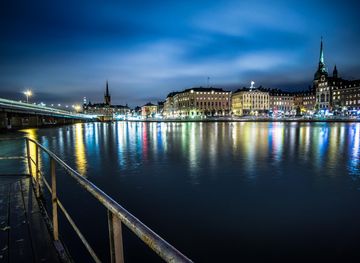
Discover Sweden's breathtaking landscapes, vibrant cities, and rich cultural heritage. From the Northern Lights to historic castles, experience the essence of Scandinavia.
Explore Sweden