
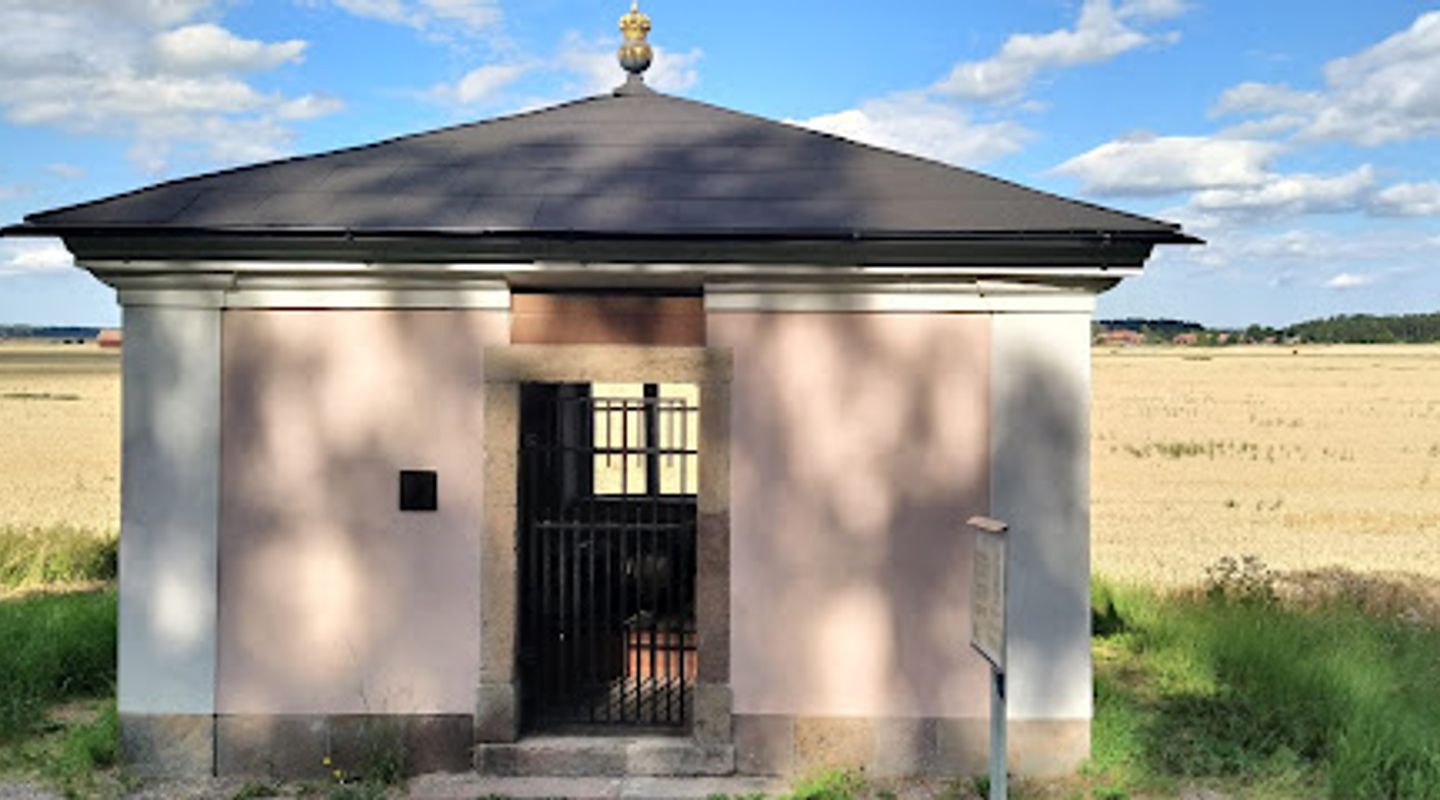
Mora Stones, Uppsala Travel Guide
Echoes of medieval elections linger among ancient stone fragments in Uppsala's tranquil valley, birthplace of Swedish kings.
The Mora Stones in Uppsala mark the ancient site where Swedish kings were elected from the 13th century until 1457. Protected within a historic stone building constructed in 1770, these fragments include the earliest known depiction of Sweden's Three Crowns symbol from Albert of Mecklenburg's election. Set in the serene Storån Valley, this understated landmark offers a profound connection to medieval traditions amid tranquil natural surroundings, ideal for history enthusiasts seeking quiet reflection.
A brief summary to Mora Stones
- Danmarks skolväg 3, Uppsala, 741 76, SE
- Click to display
- Duration: 0.5 to 1.5 hours
- Free
-
 Outdoor
- Mobile reception: 4 out of 5

Know before you go
Hi, I'm Eve. Here are a few practical things to know before exploring Mora Stones.
- Visit at dawn or dusk for optimal lighting to appreciate the stone carvings and serene atmosphere.
- Wear sturdy shoes to navigate the uneven meadow terrain comfortably.
- Bring a camera to capture the Three Crowns fragment and surrounding runic landscape.
Do you manage this location?
Take control to get all the benefits, like improved information, better appearance, and stronger visibility across AI-powered discovery. Learn more about listing your business on Evendo
Activate your presenceOther nearby places you may find interesting
The closest places of the same kind, if this one is not quite what you had in mind.

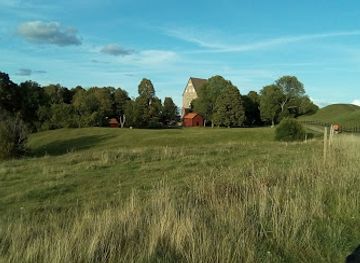
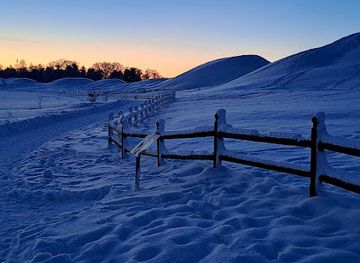

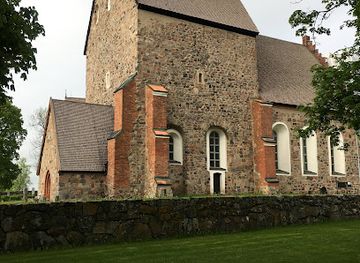
Explore Mora Stones on the Map
A handpicked selection of must-see spots near Mora Stones, mapped for you.
Getting There
-
Bus
From Uppsala Centralstation, take bus 110 toward Bälinge or Gäddtuna, 20-25 minutes to Danmarks skolväg stop; 5-10 minute walk along the road, services every 30 minutes.
-
Bicycle
Rent bikes in Uppsala center, follow Fyris River path then Vaksalavägen bridge to Danmarks skolväg, 20-30 minutes cycling over 5 km on mixed paved and gravel paths.
-
Walking
From Uppsala Cathedral via Vaksalavägen to Danmarks skolväg, 45-60 minutes over 3 km on sidewalks and minor roads, flat terrain suitable for most fitness levels.
-
Car
Drive from Uppsala center via Route 272, 10-15 minutes for 6 km; limited roadside parking at Danmarks skolväg, no dedicated lot.
For the on-the-go comforts that matter to you
-
 Trash Bins
Discover more about Mora Stones
Ancient Throne of Swedish Kings
The Mora Stones stand as a poignant remnant of Sweden's medieval monarchy, serving as the sacred election site for kings over centuries. Tradition holds that rulers ascended to power here through approval by regional representatives, embodying an early form of consensus governance. Magnus Ladulås was elected in 1275, setting a precedent followed by Magnus IV in 1319 and Christian I in 1457, the last monarch chosen at this hallowed ground.Fragments of Lost Majesty
Today, only scattered stone fragments remain, safeguarded within a small protective structure built by Carl Wijnbladh in 1770. These pieces once formed part of a larger monumental arrangement, many inscribed to commemorate royal elections. Notably, the Stone of Three Crowns bears the nation's earliest emblematic symbol, carved during Albert of Mecklenburg's selection, offering a direct link to Sweden's heraldic origins.Trials of History and Destruction
The original stones faced devastation during the turbulent civil wars against Danish forces in 1515, when the central Stone of Mora and its flanking monuments were likely demolished. Efforts by later kings, including Gustav Vasa and John III, to restore the site proved futile, leaving these shards as silent witnesses to Sweden's political upheavals. The site's endurance underscores its enduring symbolic weight in national memory.Serene Setting in Storån Valley
Nestled in the peaceful Storån Valley of Lagga parish, about 10 kilometers southeast of Uppsala Cathedral, the Mora Stones blend seamlessly into a landscape of gentle meadows and wooded paths. This rural enclave provides a stark contrast to urban bustle, inviting visitors to ponder the open-air assemblies that once drew chieftains and freemen from across the realm under vast skies.Whispers from Viking Echoes
Though the tradition's roots trace back potentially to Viking times, as noted by 13th-century chronicler Snorri Sturluson, the site's precise origins remain shrouded in antiquity. Surrounded by Uppland's rich runic heritage, the Mora Stones evoke the assemblies, or things, where law and leadership intertwined, fostering a sense of continuity from pagan rites to Christian monarchy.Lasting Legacy of Election
This unassuming cluster of stones encapsulates Sweden's evolution toward structured kingship, where power derived not solely from conquest but communal sanction. In their quiet protection, they continue to narrate tales of ambition, alliance, and the fragile balance of authority, drawing those attuned to history's subtle imprints.












Your all‑in‑one travel companion app
Explore expert travel guides, compare and book tours, experiences, hotels, and more—all from the palm of your hand. Download now for seamless trip planning wherever your wanderlust takes you.


Explore More of Uppsala
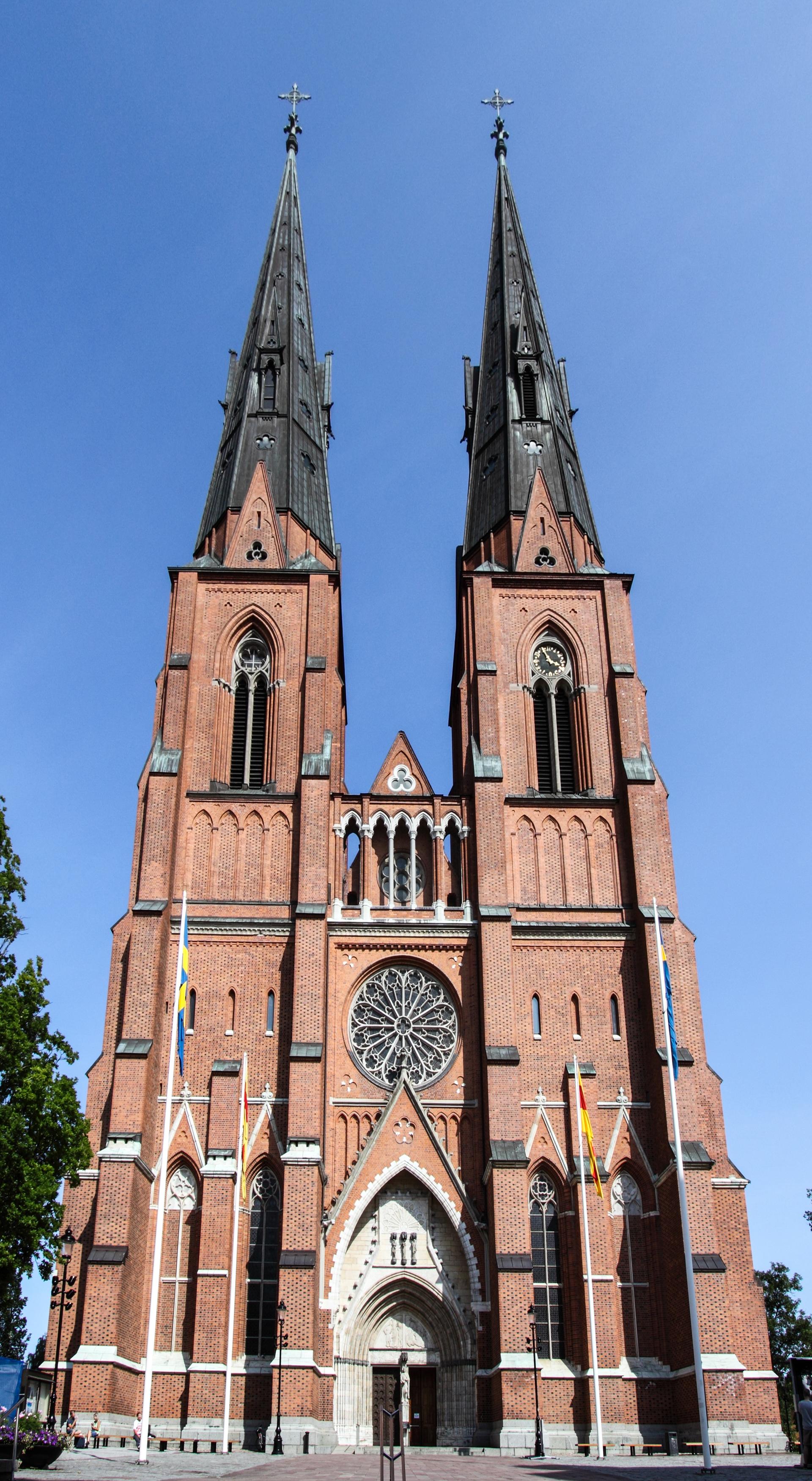
Looking beyond Mora Stones? Discover Uppsala for broader travel guides, local hot-spots, and regional highlights.
Explore Uppsala