Lundby Kyrka, Vasteras Travel Guide
A compact 12th‑century stone church near Västerås where medieval structure meets later art and parish traditions.
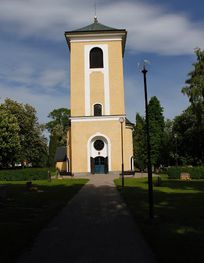
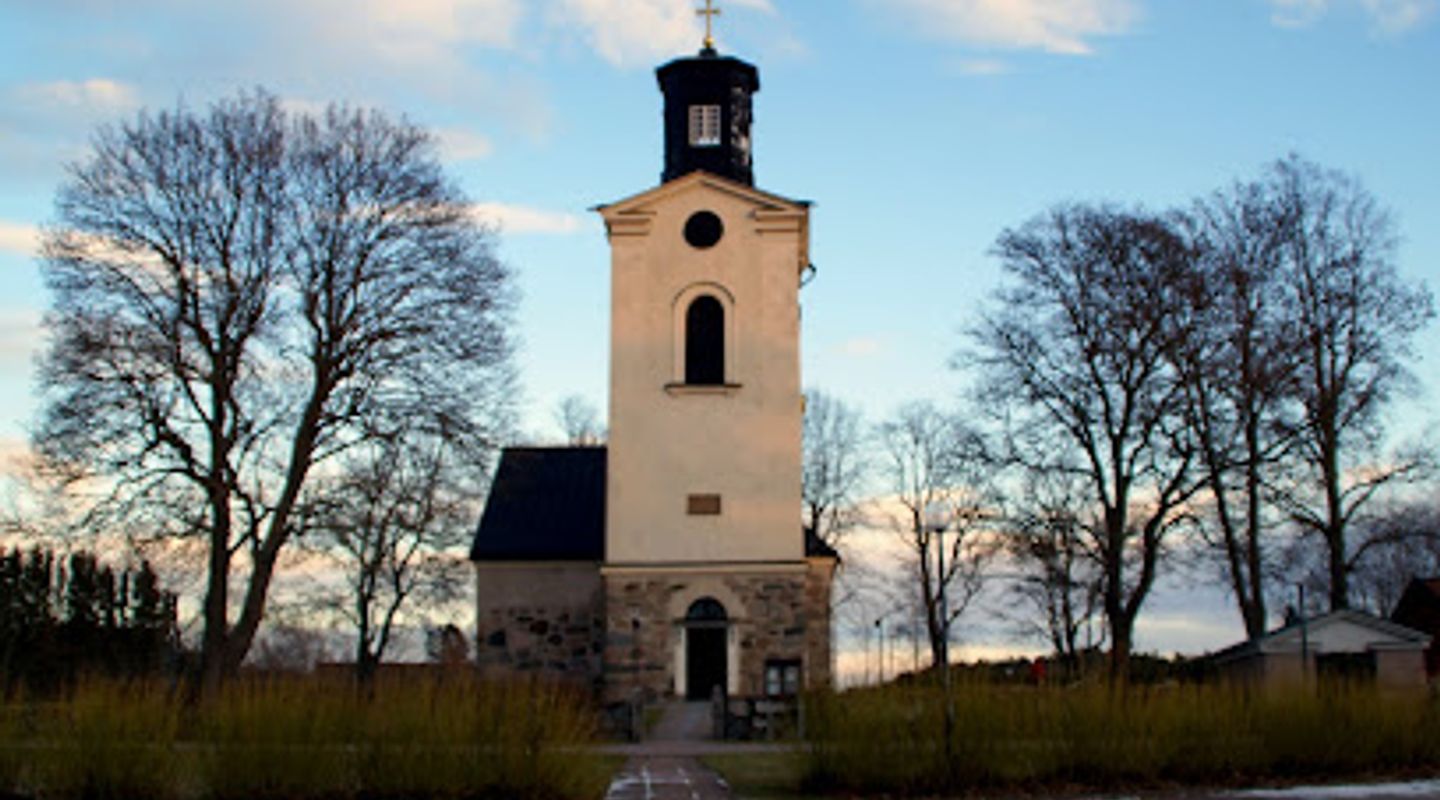
Lundby kyrka is a compact medieval stone church in the Lundby district of Västerås, Sweden, with roots stretching back to the 1100s. The building combines Romanesque massing and later alterations, contains an 18th‑century altarpiece by George Engelhardt Schröder and has long been a focal point for parish life, local rituals and seasonal community events in the surrounding rural‑turned‑suburban landscape.
A brief summary to Lundby Kyrka
- Lundby Kyrka 1, Västerås, 725 91, SE
- Click to display
- Duration: 0.25 to 1 hours
- Free
-
 Outdoor
- Mobile reception: 4 out of 5

Know before you go
Hi, I'm Eve. Here are a few practical things to know before exploring Lundby Kyrka.
- Check opening times with the local parish before planning a visit; the church is typically open only for services and scheduled events.
- Respect the building's liturgical function: keep noise low, avoid flash photography during services, and follow any signage about access.
- Look for the Schröder altarpiece and take time to examine masonry details and grave markers in the churchyard for a sense of local history.
Do you manage this location?
Take control to get all the benefits, like improved information, better appearance, and stronger visibility across AI-powered discovery. Learn more about listing your business on Evendo
Activate your presenceOther nearby places you may find interesting
The closest places of the same kind, if this one is not quite what you had in mind.
Explore Lundby Kyrka on the Map
A handpicked selection of must-see spots near Lundby Kyrka, mapped for you.
Getting There
-
Car
Drive by car from central Västerås in approximately 15–25 minutes depending on traffic; parking is limited near the churchyard so expect to use a small roadside bay or marked church parking and be prepared for pedestrian approach across uneven ground; no parking fees typically apply.
-
Bus + Walk
Take a local regional bus serving the Lundby area from Västerås bus station; journey time is typically 20–35 minutes depending on route and schedule, then a walk over pastoral or suburban pavements of about 10–15 minutes across gently undulating terrain; bus services operate on a daytime schedule with reduced frequency evenings and Sundays.
-
Taxi / Rideshare
A taxi ride from central Västerås takes about 12–20 minutes; fares are regionally variable but typically sit within a moderate range in Swedish kronor and will increase for late‑night or peak‑time travel; drop‑off near the church is straightforward but note that some firm ground approaches can be uneven for wheelchairs.
For the on-the-go comforts that matter to you
-
 Information Boards
-
 Seating Areas
Discover more about Lundby Kyrka
Ancient fabric and quiet massing
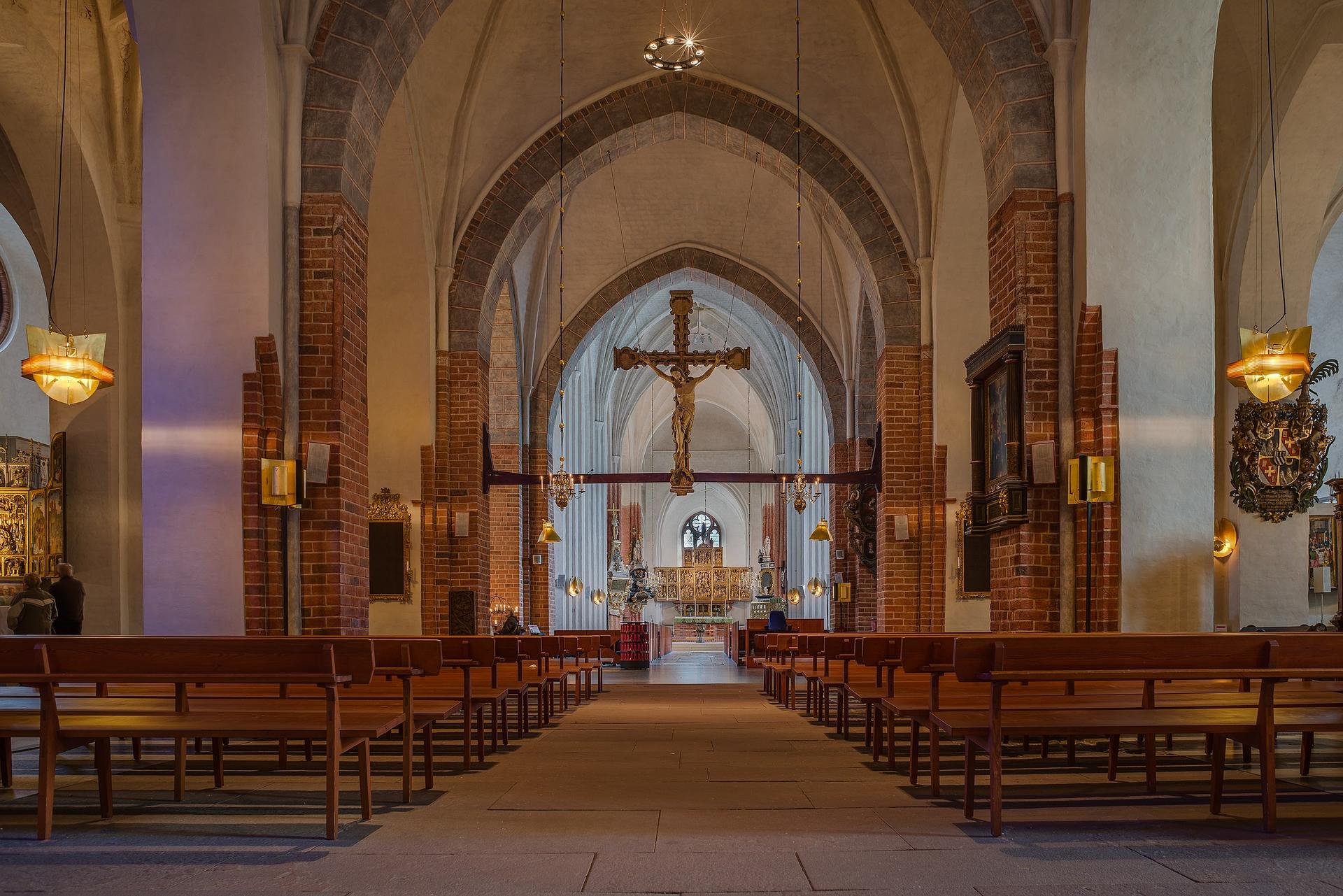
Lundby kyrka is a small stone church whose origins date to the 12th century; its thick walls and modest proportions reflect the practical Romanesque building traditions of medieval Sweden. Inside, the spatial sequence is intimate rather than monumental: a narrow nave, plain plastered surfaces and an altar end that records later stylistic updates while still sitting within an essentially medieval structural shell.Artworks and liturgical fittings
The church interior preserves movable and painted furnishings that mark later centuries of devotional life. A notable object is the altarpiece painted by George Engelhardt Schröder, an 18th‑century court painter whose work introduces a more finished, portrait‑like sensibility to the sanctuary. Simple wooden benches, a pulpit and other liturgical fittings convey a continuity of parish use stretching from early rural worship through to contemporary services.Landscape and setting
Set in the Lundby area just outside central Västerås, Lundby kyrka sits within a modest churchyard and is visually anchored by open fields and low suburban development. The exterior reads as a quiet landmark in an otherwise gently rolling landscape: lichen‑spotted stone, a compact tower or belfry element and the soft colours of weathered roofing that age with the seasons.Community role and calendar life
Although small in scale, Lundby kyrka functions as a hub for the local parish: rites of passage, seasonal services and occasional cultural events are part of its rhythm. Local traditions such as midsummer gatherings near the adjoining parsonage grounds and parish activities organised by the local heritage association illustrate how the church remains woven into everyday community life.Material traces and architectural evolution
Close inspection of the masonry and timberwork reveals building phases: medieval foundations and vault‑line fragments contrasted with later repairs, plastering campaigns and 18th‑ or 19th‑century refurbishments. These layers make the church legible as a structure that adapted to changing liturgical needs and parish resources while retaining its original footprint and austere character.Visitor experience and sensory character
Visiting Lundby kyrka is an experience of modest scale and calm. The interior light is shaped by small window openings that create a soft, contemplative glow; the smell of old wood and beeswax mixes with cold stone in winter. Outside, the churchyard offers a quiet place to pause and read the inscriptions on weathered headstones or to listen to birds that frequently call from hedgerows and nearby meadows.












Your all‑in‑one travel companion app
Explore expert travel guides, compare and book tours, experiences, hotels, and more—all from the palm of your hand. Download now for seamless trip planning wherever your wanderlust takes you.


Explore More of Vasteras
Looking beyond Lundby Kyrka? Discover Vasteras for broader travel guides, local hot-spots, and regional highlights.
Explore Vasteras