Ballstorps kyrkoruin, Vastergotland Travel Guide
A compact Romanesque church ruin from the late 1100s, Ballstorps kyrkoruin offers a quiet, tactile glimpse of medieval rural life near Kvänum.
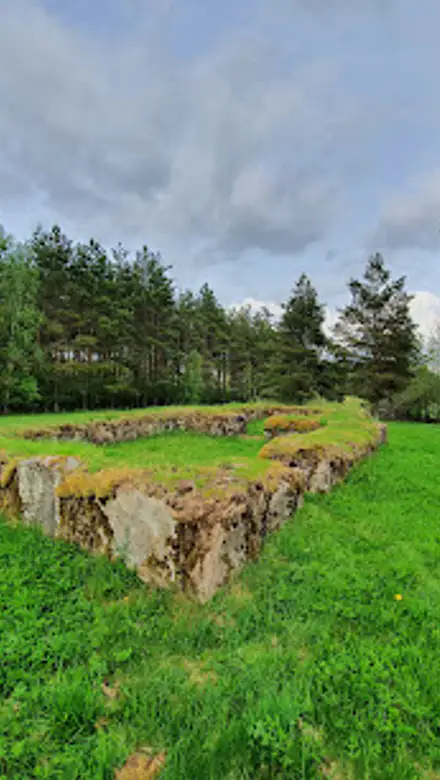
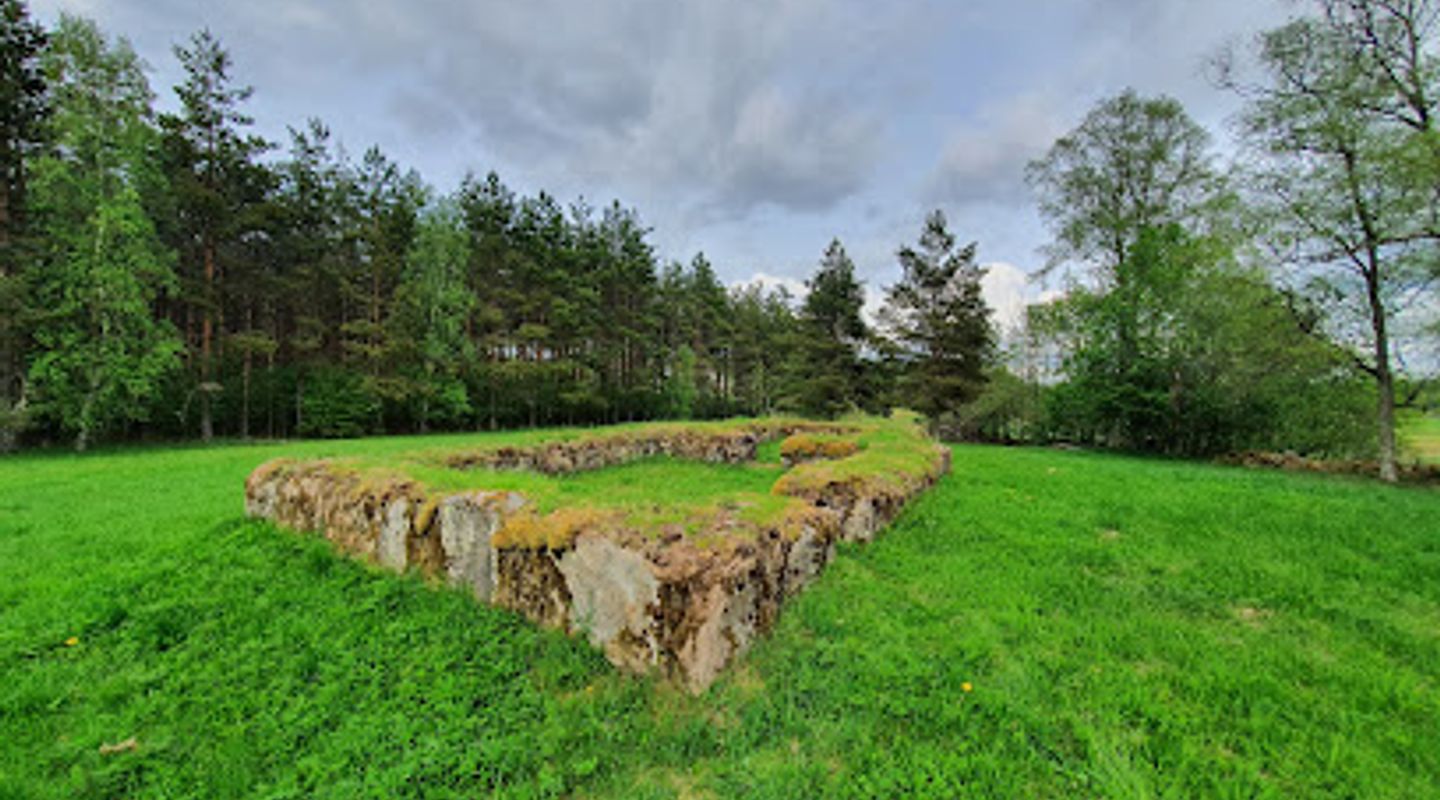
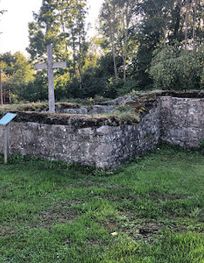
Ballstorps kyrkoruin is the stone remnant of a small medieval church near Kvänum in Västra Götaland, Sweden. Likely built in the late 12th century, the ruin preserves low, weathered masonry and the footprint of one of Västergötland’s smallest Romanesque churches, offering a quiet, windswept spot for reflection amid agricultural fields and copses. Interpreting plaques and visible foundation lines help trace original walls and entrances.
A brief summary to Ballstorps kyrkoruin
- Kvänum, 535 93, SE
- Click to display
- Duration: 0.25 to 1 hours
- Free
-
 Outdoor
- Mobile reception: 3 out of 5

Know before you go
Hi, I'm Eve. Here are a few practical things to know before exploring Ballstorps kyrkoruin.
- Wear sturdy footwear — the ground around the ruin is uneven and can be muddy after rain.
- Bring binoculars or a camera with a telephoto lens to capture masonry detail and the surrounding agricultural landscape.
- Respect the site: do not climb on remaining walls and leave the stones and vegetation undisturbed.
Do you manage this location?
Take control to get all the benefits, like improved information, better appearance, and stronger visibility across AI-powered discovery. Learn more about listing your business on Evendo
Activate your presenceOther nearby places you may find interesting
The closest places of the same kind, if this one is not quite what you had in mind.
Explore Ballstorps kyrkoruin on the Map
A handpicked selection of must-see spots near Ballstorps kyrkoruin, mapped for you.
Getting There
-
Regional bus and short walk
Take the regional bus serving Kvänum from larger towns; journey times vary but typically range from 20–40 minutes from nearby municipal centres. Services can be infrequent outside peak hours and may not run late evenings or Sundays; expect a short rough-surfaced walk across farm tracks of around 10–20 minutes from the nearest stop. Bus fares are usually SEK 30–80 depending on distance and ticket type.
-
Car drop-off and short walk
Drive from Kvänum or neighbouring villages; typical travel times are 10–25 minutes depending on start point. Local lanes are narrow and rural; parking is informal at the roadside or a small nearby layby where available, and may be limited. There is no paid parking facility; be prepared for unpaved ground and modest accessibility from the stopping point.
-
Cycling from Kvänum
Cycle along minor country roads and farm tracks from Kvänum — typical ride time 20–40 minutes depending on fitness and route. Terrain is flat to gently rolling but surfaces may include loose gravel; suitable for hybrid or gravel bikes rather than narrow-tired racing bikes. No bike hire is available at the ruin.
For the on-the-go comforts that matter to you
-
 Seating Areas
-
 Information Boards
Discover more about Ballstorps kyrkoruin
Origins in Stone: how the church began
Ballstorps kyrkoruin stands where a compact Romanesque church was erected, very likely in the late 1100s. It was built in local sandstone and fieldstone using medieval masonry techniques typical for rural Västergötland: thick walls, a simple rectangular nave and a modest chancel. The building served a small parish community for centuries before being abandoned in the post-medieval period, leaving the pared-down shell you see today.The ruin’s physical character
What remains are low stretches of wall and the faint imprint of the original floor plan; you can still make out the proportions that made Ballstorp unusually small compared with regional parish churches. Weathered mortar, irregular stones and patches of lichen give the masonry a tactile, timeworn texture. The site has a quiet horizontality — the ruin sits low to the ground, its silhouette often set against open fields and a broad Swedish sky.Archaeology and recorded traces
Periodic investigations and documentation during the 20th century recorded foundation lines and fragmentary finds that confirm a medieval date and continuous local use through the Middle Ages. Masonry details and recovered artifacts align the ruin with rural ecclesiastical building practices of the Romanesque era, while later layers indicate changes in the surrounding landscape and land use after the church fell out of use.A place in the parish landscape
Ballstorps kyrkoruin belongs to the patchwork of church sites that mark historic settlement in the Kvänum–Edsvära area. Once the focal point for worship and small-scale parish life, the ruin now reads as an archaeological landmark among farmland, a reminder of how medieval spiritual and community life was dispersed across the countryside rather than concentrated in a single urban centre.Atmosphere and what to look for
Approach the ruin slowly and notice scale—this was not a monumental cathedral but an intimate chapel, its compact plan intended for a small congregation. Look for subtle clues: worn stones that likely outline doorways, offset masonry where the chancel met the nave, and the vegetation that reflects centuries of exposure. On clear days the ruin’s low profile frames long light across the fields; in softer light its textures become especially legible.Preservation and meaning today
The ruin is preserved as a cultural-historical feature rather than as an active building. Its value is primarily documentary and experiential: it reveals construction methods, parish geography and the rhythm of rural life in medieval Västergötland. As a quiet historic fragment, Ballstorps kyrkoruin invites close-looking and calm contemplation of an ordinary yet enduring piece of Scandinavian history.












Your all‑in‑one travel companion app
Explore expert travel guides, compare and book tours, experiences, hotels, and more—all from the palm of your hand. Download now for seamless trip planning wherever your wanderlust takes you.


Explore More of Vastergotland
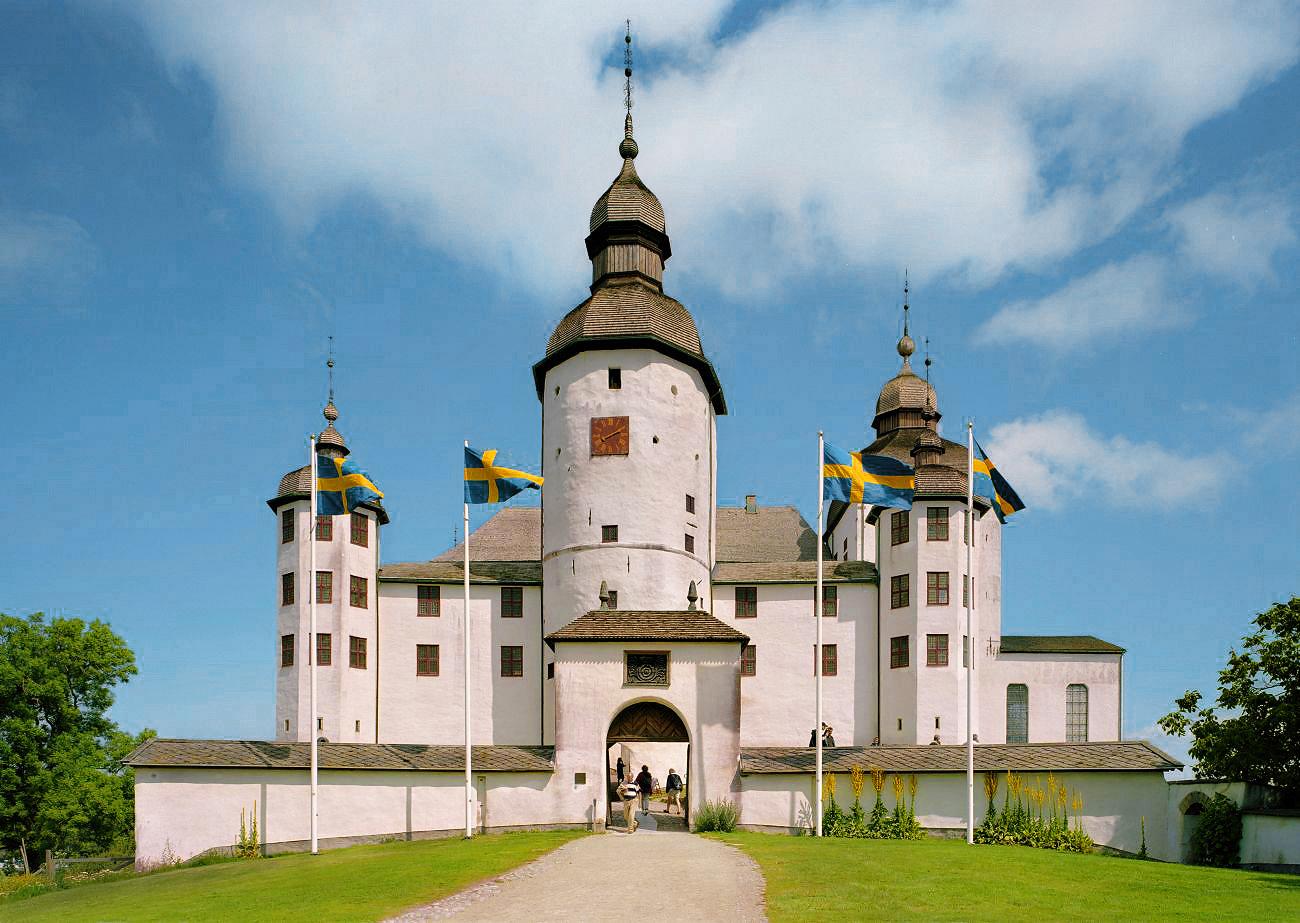
Looking beyond Ballstorps kyrkoruin? Discover Vastergotland for broader travel guides, local hot-spots, and regional highlights.
Explore Vastergotland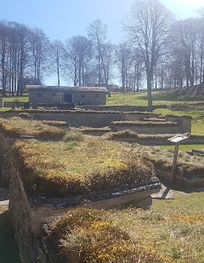
Sweden's medieval monastic heart: Wander vaulted halls where Cistercian monks prayed, kings were laid to rest, and history echoes through 900 years.
Whispers of medieval mystery at a Romanesque church ruin, where twin sanctuaries and ancient springs reveal Västergötland's sacred past amid tranquil fields.