

Free Västergötland Travel Guide & Mobile App
Explore Västergötland with free travel guides. Discover regional history, expert tips, proposed trips, and audio guides on web or mobile app.


Explore Västergötland in western Sweden for Gothenburg culture, medieval heritage, great lakes, canal journeys, wildlife and textile history.
Read more about Västergötland
When is the best time to visit Västergötland?
Best: June–August · 20–23°C| Month | High (°C) | Rainfall (mm) |
|---|---|---|
| January | 1 | 40 |
| February | 2 | 30 |
| March | 6 | 30 |
| April | 12 | 30 |
| May | 17 | 40 |
| June (best) | 20 | 50 |
| July (best) | 23 | 70 |
| August (best) | 22 | 70 |
| September | 18 | 60 |
| October | 12 | 50 |
| November | 6 | 50 |
| December | 2 | 40 |
Getting to and around Västergötland
How to get there
Transportation
Top city travel guides in Västergötland
The cities of Västergötland, and the easiest places to base yourself.
-
-


Swipe for more cities
Destinations in Västergötland
Resorts, valleys and scenic spots worth a trip of their own.

Swipe for more destinations
Best attractions in Västergötland
Västergötland’s attractions range from the urban museums, galleries, gardens and maritime institutions of Gothenburg to small-scale heritage sites scattered across farmland and lake country. Medieval history is especially prominent around Skara and Varnhem, where cathedral traditions, monastic remains and archaeological evidence illuminate the province’s early role in Sweden. Läckö Castle provides a major architectural and cultural destination beside Lake Vänern, while Kinnekulle combines geology, walking routes and broad lake views. Nature is equally important: Hornborgasjön is a celebrated birdwatching site, particularly during the spring crane migration, and the Vänern and Vättern shores support boating, fishing and lakeside recreation. The Göta canal offers a slower view of nineteenth-century engineering through lock systems, towpaths and waterside settlements. Borås adds museums and creative attractions connected with textiles and design, and the region’s market towns provide churches, local museums and historic streets without the scale of a major city. Visitors should treat the province as a collection of distinct areas rather than one compact attraction circuit.
-
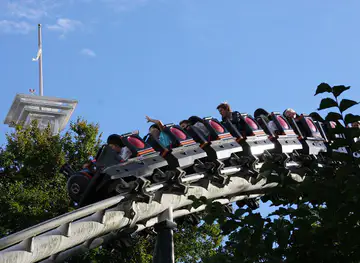
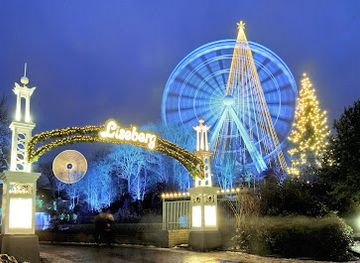
Amusement park
Liseberg
A century-old Gothenburg amusement park where high-speed coasters, leafy promenades and theatrical seasonal festivals meet.
-
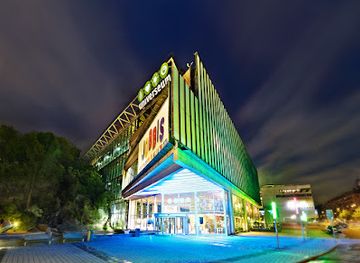
Shopping mall
Nordstan
Gothenburg’s central, all-weather shopping hub—multiple floors and 180–200 shops linked beneath one roof.
-
Science museum
Universeum
A multi‑level science centre in Gothenburg where rainforest, ocean, labs and a 360° dome meet for hands‑on discovery and sustainability stories.
-
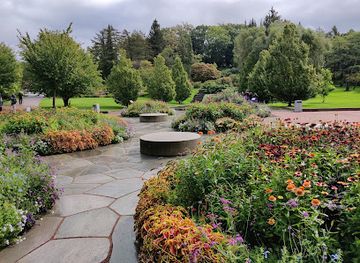
Botanical garden
Gothenburg Botanical Garden
Discover 20,000 plants from 130 countries in Gothenburg's 175-hectare haven of themed gardens, wild trails, and stunning city panoramas from Håberget.

Best landmarks in Västergötland
Läckö Castle is one of Västergötland’s most recognisable landmarks, its pale Baroque architecture rising dramatically above the Kålland peninsula on Lake Vänern. Skara Cathedral represents the province’s long ecclesiastical history, with origins reaching back to the medieval formation of the Swedish church. At Varnhem, the Romanesque abbey church and surrounding archaeological remains mark a place associated with medieval religious life and royal burials. The table mountain Kinnekulle is a natural landmark as well as a geological record, its layered structure and elevated viewpoints defining the landscape east of Lake Vänern. The Göta canal’s lock flights, bridges and engineered waterway form a dispersed industrial monument through the eastern part of the province. In Gothenburg, the Göta älv, historic canals and port landscape express the city’s relationship with shipping and trade, while Borås’s former textile districts recall the industrial economy that shaped the town. Together these places reveal Västergötland as a region formed by water, Christianity, engineering, commerce and changing industry.
-
Tourist attraction
Läckö Castle
Sweden's baroque jewel on Vänern's edge: opulent castle halls, Versailles-inspired gardens, and epic lake panoramas await in Västergötland's crown gem.
-
Tourist attraction
Bohus Fortress
Unconquered 14th-century cliffside fortress ruin with epic sieges, shadowy dungeons, and Göta River panoramas—Sweden's mightiest medieval survivor.
-
Historical landmark
Skansen Kronan
Gothenburg's unbreached 17th-century crown fortress: granite might, panoramic vistas, and centuries of untold stories atop Risåsberget.
-
Historical landmark
Carlstens Fästning
Discover the rich history and breathtaking views at Carlstens Fortress on Marstrand Island, a must-visit destination for travelers seeking adventure and culture.

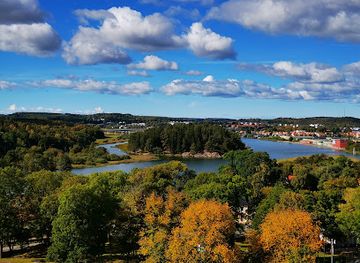


Explore Västergötland on the map
Plan your trip on one map. See where the top cities, national parks and sights are, and book hotels and experiences in a few clicks.
Best hotels in Västergötland
Best restaurants in Västergötland
Dining in Västergötland reflects both western Sweden’s coastal outlook and the province’s inland farming and lake landscapes. Gothenburg offers the broadest choice, with seafood restaurants, cafés, bakeries and contemporary kitchens drawing on fish from the west coast and produce from surrounding farms. Away from the city, menus may feature Vänern fish, freshwater catches, game, mushrooms, berries, potatoes and dairy products, although availability varies by season and establishment. Borås and the market towns have traditional cafés, bakeries, pubs and modern restaurants, while rural inns often provide a more local setting for lunch or dinner. Look for regional cheeses, preserves and baked goods at farm shops and food markets, and expect fika, Sweden’s established coffee-and-baking ritual, to be part of everyday life rather than a special event. Restaurant choice becomes more limited in remote lake and canal districts, so checking locations and booking ahead can be sensible outside the larger towns.
-
Restaurant
Falbygdens Osteria
An ostparadis in Falköping — over 300 cheeses, a daily delicacy buffet and an annual julmarknad that turns the shop into a festive food market.
-
Fine Dining
Heaven 23
Elevate your Gothenburg dining with panoramic skyline views, legendary räkmacka, and masterful cocktails at this 23rd-floor haven in Gothia Towers.
-
Seafood
Sjömagasinet Sverige
A historic Klippan warehouse serving classic West Coast seafood with an extensive wine cellar and a summer quay terrace.
-
Restaurant
Bord 27
An intimate 27-seat neighbourhood krog in Haga serving seasonal Swedish plates with bold, honest flavours.


Best bars in Västergötland
Gothenburg is the principal evening centre in Västergötland, with a broad selection of pubs, cocktail bars, breweries, live-music venues and late-night establishments concentrated around the central city and areas such as Linné and the avenues. The atmosphere ranges from student-oriented and informal to design-led and food-focused, while concert and theatre programmes add alternatives to bar-based nightlife. Borås and Skövde provide smaller but active evening scenes, including pubs, restaurants, cultural venues and occasional live entertainment. In rural districts, evenings generally revolve around traditional pubs, hotel bars, restaurants and seasonal events rather than a major club circuit. Canal and lakeside communities can be particularly quiet outside summer. Sweden’s licensing rules and venue arrangements can change, so check current information and avoid assuming that a small town will have late public transport after an evening out.
-
Brewpub
John Scott's Avenyn
Classic English pub on Gothenburg's Avenyn: brews, burgers, sports screens, and rooftop terrace vibes for unforgettable nights out.
-
Brasserie
Biljardpalatset Göteborg
Gothenburg's billiards palace where cues crack, shuffleboards slide, darts fly, and rustic feasts fuel unforgettable nights of friendly rivalry and flavor.
-
Bar
Steampunk Bar
Nordens första steampunk-bar: rykande cocktails, mekanisk charm och industriell elegans i Göteborgs hjärta – en tidsresa för smaklökar och sinnen.
-
Bar
Brewers Beer Bar
Craft beer paradise on Tredje Långgatan: 14 rotating taps from Swedish micros, sourdough pizzas, and kebabs in Gothenburg's lively Linné district.


Best nightclubs in Västergötland
Gothenburg is the principal evening centre in Västergötland, with a broad selection of pubs, cocktail bars, breweries, live-music venues and late-night establishments concentrated around the central city and areas such as Linné and the avenues. The atmosphere ranges from student-oriented and informal to design-led and food-focused, while concert and theatre programmes add alternatives to bar-based nightlife. Borås and Skövde provide smaller but active evening scenes, including pubs, restaurants, cultural venues and occasional live entertainment. In rural districts, evenings generally revolve around traditional pubs, hotel bars, restaurants and seasonal events rather than a major club circuit. Canal and lakeside communities can be particularly quiet outside summer. Sweden’s licensing rules and venue arrangements can change, so check current information and avoid assuming that a small town will have late public transport after an evening out.
-
Rock music club
Rockbaren
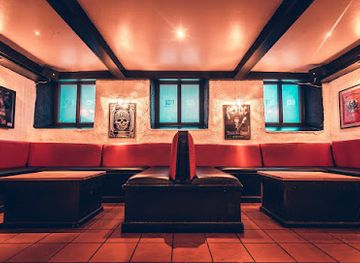
A compact, postered rock bar in central Gothenburg where live guitars, budget-friendly drinks and a late-night crowd create an unpretentious music-night atmosphere.
-
Night club
Park Lane
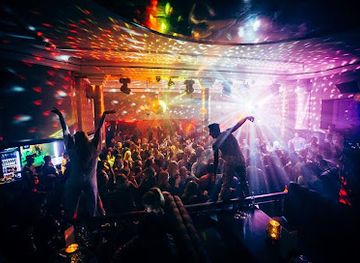
Avenyn’s dinner-show and late-night club: theatrical dining that flips into a high-energy dancefloor after midnight.
-
Gay night club
Gretas
Sweden's oldest gay nightclub pulses with disco, house, and inclusive energy on two dance floors—Gothenburg's ultimate late-night haven since 1997.
-
Night club
Valand
A multi-room Gothenburg institution: restaurant by early evening, live shows and club nights into the small hours — varied events in a historic Vasagatan building.


Best shops in Västergötland
Shopping in Västergötland is most varied in Gothenburg, where central streets, department stores, independent design shops, bookshops, galleries and food retailers provide the widest choice. The city is a useful place to look for Swedish interiors, fashion, ceramics and regional food products, although much of its retail offer is national rather than specifically Västergötland. Borås has a stronger connection with textiles and design, reflecting its historic trading and manufacturing economy, while smaller towns such as Alingsås, Lidköping, Mariestad and Skara combine practical high-street shopping with independent boutiques, cafés, antiques and local services. Around the countryside, farm shops and seasonal markets may offer cheese, preserves, bread, crafts and other produce, but opening arrangements vary. Museum shops at major heritage sites can be good sources of books, locally themed gifts and design objects. Visitors should not expect extensive retail areas in remote lake and canal communities; their appeal lies more in local products, craft traditions and small-town markets than in large shopping centres.
-
Shopping mall
Hede Fashion Outlet
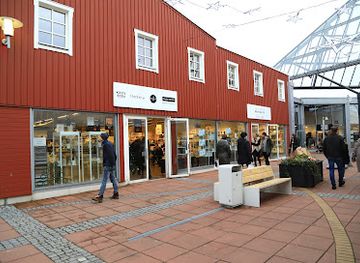
Discover 150+ brands at up to 70% off in Kungsbacka's open-air outlet paradise, just 30 minutes from Gothenburg.
-
Souvenir store
Swedish Souvenir Haga
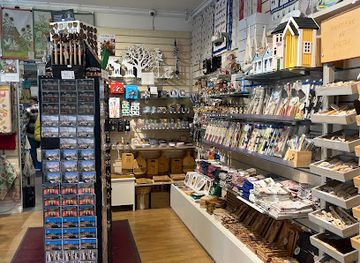
Authentic Swedish crafts and Göteborg treasures in Haga's historic heart—quality souvenirs from local artisans await on cobblestone charm.
-
Department store
NK Göteborg
Gothenburg's elegant department store hub, blending Nordic luxury with global brands since 1971 on lively Östra Hamngatan.
-
Souvenir store
Haga of gothenburg
Uncover authentic Swedish souvenirs and local artistry in Gothenburg's enchanting Haga district, where historic charm meets unique handicrafts on cobblestone Haga Nygata.


Get your free copy of our complete guide to Västergötland, delivered straight to you.
Everything on this page, from attractions and restaurants to essentials and local phrases, in one PDF you can read offline, print or share.
Already have an account? Sign in
Your Västergötland guide is ready.
We'll send it to · Not you? Sign out

Getting your guide ready…
We are putting together a fresh copy of the Västergötland guide. This can take up to a minute.
This can take a few moments. If your browser asks, choose Allow so the download can start. You'll find the guide in your Downloads folder.
Nothing happened? Download it again
Sorry, the guide is taking longer than usual. Please try again in a minute, or get it by email instead.
Västergötland essentials
Currency and Payment
Safety
Emergency Situations
Do's and Don'ts
Local Tips
From Eve
Local phrases worth knowing
You don't need to get them perfect. A few words go a long way, and locals appreciate the effort.
Basics
| English | Local | Say it |
|---|---|---|
| Hello | Hej | [hay] |
| Goodbye | Hejdå | [hay-daw] |
| Yes | Ja | [yah] |
| No | Nej | [nay] |
| Please/You’re welcome | Snälla/Tack så mycket | [snel-lah/tahk soh mye-ket] |
| Thank you | Tack | [tahk] |
| Excuse me/Sorry | Ursäkta/Mi ledsen | [oor-sehk-tah/mee led-sen] |
| How are you? | Hur mår du? | [hoor mohr doo] |
| Fine. And you? | Bra. Och du? | [bra. ohk doo] |
| Do you speak English? | Talar du engelska? | [tah-lar doo eng-el-ska] |
| I don't understand | Jag förstår inte | [yahg fur-stor in-teh] |
Eating & Drinking
| English | Local | Say it |
|---|---|---|
| I’d like to see the menu, please | Jag skulle vilja se menyn, snälla | [yahg skool-leh vil-yah seh meh-neen, snel-lah] |
| I don't eat meat | Jag äter inte kött | [yahg eh-ter in-teh kyoht] |
| Cheers! | Skål! | [skawl] |
| I would like to pay, please | Jag skulle vilja betala, snälla | [yahg skool-leh vil-yah beh-tah-lah, snel-lah] |
Emergencies
| English | Local | Say it |
|---|---|---|
| Help! | Hjälp! | [yelp] |
| Go away! | Gå bort! | [gaw bort] |
| Call the Police! | Ring polisen! | [ring po-lee-sen] |
| Call a doctor! | Ring en läkare! | [ring en leh-kah-reh] |
| I’m lost | Jag är vilse | [yahg air vil-seh] |
| I’m ill | Jag är sjuk | [yahg air shoo-k] |
Shopping
| English | Local | Say it |
|---|---|---|
| I’d like to buy... | Jag skulle vilja köpa... | [yahg skool-leh vil-yah shoo-pah] |
| I’m just looking | Jag tittar bara | [yahg teet-ar bah-rah] |
| How much is it? | Hur mycket kostar det? | [hoor mye-ket koh-star deh] |
| That’s too expensive | Det är för dyrt | [deht air fur deert] |
| Can you lower the price? | Kan du sänka priset? | [kan doo sen-kah pree-set] |
Time & Numbers
| English | Local | Say it |
|---|---|---|
| What time is it? | Vad är klockan? | [vahd air kloh-kahn] |
| It’s one o’clock | Klockan är ett | [kloh-kahn air eht] |
| Half past (10) | Halv (10) | [halv (10)] |
| Morning | Morgon | [mor-gon] |
| Afternoon | Eftermiddag | [ef-ter-meed-dahg] |
| Evening | Kväll | [kvell] |
| Yesterday | Igår | [ee-gor] |
| Today | Idag | [ee-dahg] |
| Tomorrow | Imorgon | [ee-mor-gon] |
| 1 | 1 | [1] |
| 2 | 2 | [2] |
| 3 | 3 | [3] |
| 4 | 4 | [4] |
| 5 | 5 | [5] |
| 6 | 6 | [6] |
| 7 | 7 | [7] |
| 8 | 8 | [8] |
| 9 | 9 | [9] |
| 10 | 10 | [10] |
Transport & Directions
| English | Local | Say it |
|---|---|---|
| Where's a/the...? | Var finns en...? | [var fins en...?] |
| What's the address? | Vad är adressen? | [vahd air ah-dress-en] |
| Can you show me (on the map)? | Kan du visa mig (på kartan)? | [kan doo vee-sah may (poh kar-tahn)?] |
| When's the next (bus)? | När går nästa (buss)? | [nair gor nes-tah (boos)?] |
| A ticket (to ....) | En biljett (till ....) | [en bee-yet (til ....)] |
History of Västergötland
Stone Age and Bronze Age Landscapes
Västergötland has been inhabited since the retreat of the ice sheet, with archaeological evidence of farming communities, burial monuments and long-distance contacts. The province’s fertile plains supported early agriculture, while its lakes and waterways provided transport and food. Bronze Age rock carvings, burial mounds and stone settings survive in several parts of the region, although the archaeological record is often experienced as a dispersed landscape rather than a single monumental site. The table mountains and broad agricultural districts later became important reference points in local history and folklore.
The Christianisation of Västergötland
During the Viking Age and early medieval period, Västergötland became a major centre in the development of Christianity in Sweden. Skara emerged as an ecclesiastical seat in the eleventh century and remains associated with one of the country’s oldest bishoprics. Churches, medieval cemeteries and aristocratic estates spread across the province as Christianity became established. Varnhem, where a Cistercian monastery was founded in the twelfth century, offers particularly tangible evidence of this transformation and of the province’s connections with wider European religious networks.
Varnhem, the Erikska Dynasty and Medieval Power
Västergötland was closely connected with the formation of the Swedish medieval kingdom. Varnhem Abbey became a burial place for members of the Erikska dynasty, and the surrounding area contains important remains of the settlement that preceded the monastery. Skara’s cathedral and other medieval churches reflect the wealth and authority of bishops, noble families and royal institutions. The province’s position between western trade routes, the great inland lakes and the political centres of central Sweden gave it strategic importance during periods when royal power was still being consolidated.
Castles, Estates and the Lake Vänern Frontier
From the late medieval period into the early modern era, fortified estates and noble residences shaped the shores and islands of Västergötland. Läckö Castle, on the Kålland peninsula beside Lake Vänern, grew from a medieval bishop’s stronghold into an imposing Baroque residence under the De la Gardie family. Other manors, churches and agricultural estates reveal how landownership, military responsibility and administration were organised. Lake Vänern was both a resource and a strategic frontier, linking inland communities with western Sweden and the wider Baltic world.
Canals, Industry and the Opening of Inland Trade
The construction of the Göta canal in the nineteenth century connected Lake Vänern and Lake Vättern with Sweden’s east coast, creating a new route for cargo and passengers. Its locks, harbours and towpaths altered communities such as Töreboda and Sjötorp and remain among the clearest industrial-era landscapes in the province. At the same time, improved roads and railways stimulated trade in timber, grain and manufactured goods. The canal’s commercial importance later declined, but its engineering and waterside settlements became valuable cultural heritage.
Borås and the Textile Economy
Borås developed as a centre of textile trading and manufacturing, building on the commercial tradition of the knallare, travelling merchants who sold goods across Sweden. During industrialisation, factories and workshops expanded around the town, employing generations of workers and connecting Västergötland to national and international markets. Economic restructuring in the late twentieth century reduced traditional mass production, yet textile knowledge did not disappear. Museums, design education, fashion enterprises and creative reuse of industrial buildings continue to give Borås a distinctive contemporary identity.
Gothenburg, Shipping and Modern Regional Change
Founded in the early seventeenth century at the mouth of the Göta älv, Gothenburg grew through trade, shipping and port activity. Its mercantile development was encouraged by connections with the North Sea, while later shipbuilding, engineering and manufacturing made it one of Sweden’s leading industrial cities. The port remains central to the region’s economy, although the city has also developed strong cultural, educational and technology sectors. Modern Västergötland is consequently a varied region in which an international coastal city coexists with agricultural districts, historic market towns and rural lake communities.
Västergötland in Photos
Browse through our photo collection highlighting the charm and character of the destination.
Neighbouring regions of Västergötland
The closest regions to Västergötland, if you have time for more than one.
-
-
-

-

-


Swipe for more regions
Explore more
Explore more of Sweden
Discover Sweden's breathtaking landscapes, vibrant cities, and rich cultural heritage. From the Northern Lights to historic castles, experience the essence of Scandinavia.
Explore Sweden