
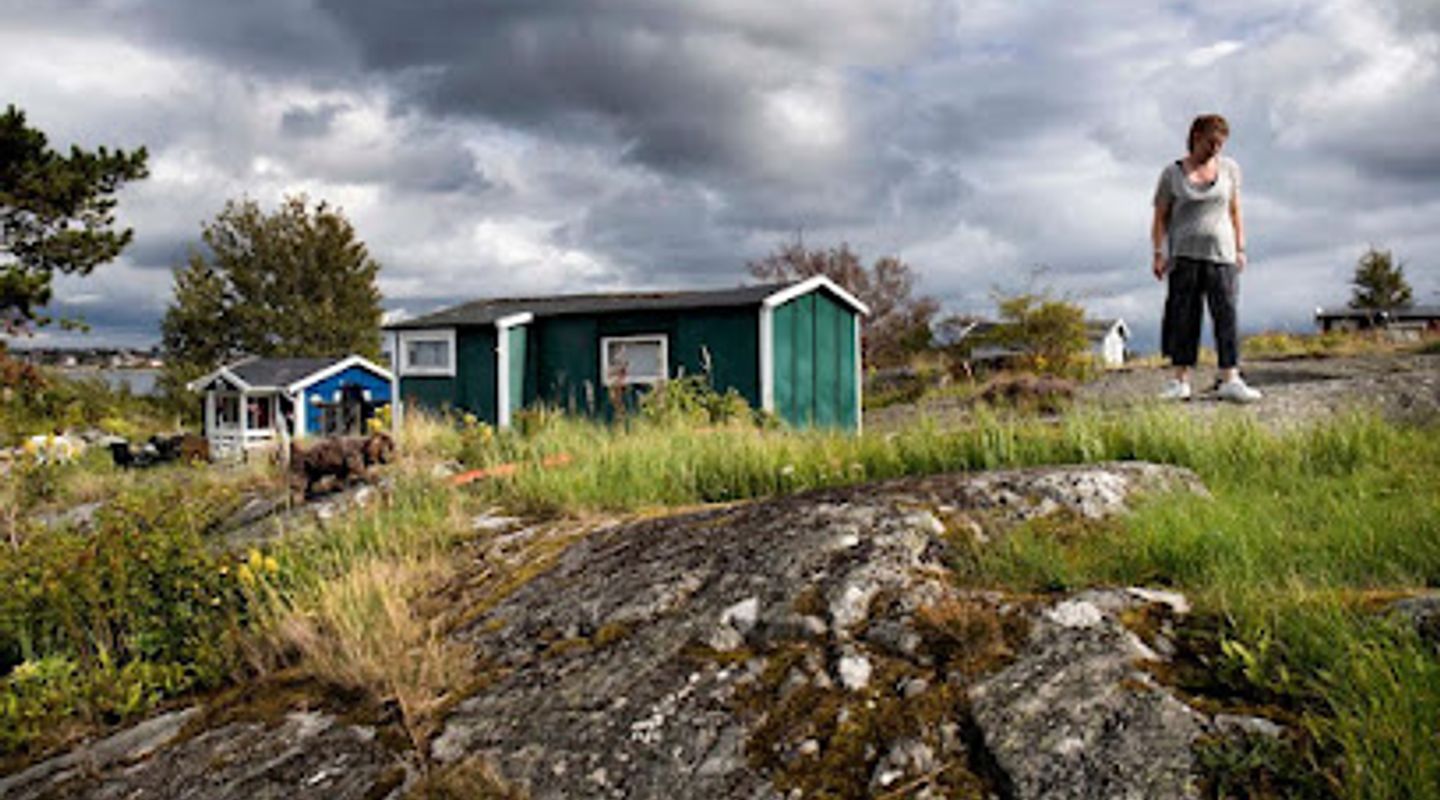
Gamla Tältstaden, Vastergotland Travel Guide
Echoes of Nya Lödöse: Gothenburg's ancient trade heart reborn amid river whispers and landshövdingehus charm.
Gamla Tältstaden in Gothenburg's Gamlestaden district evokes the site's layered past as a precursor to modern Göteborg. Once a medieval trade hub known as Nya Lödöse, it transitioned through military encampments and industrial growth, now blending historical remnants with contemporary urban revival along the Säveån river. Iconic landshövdingehus, archaeological traces, and waterside charm define this understated landmark, offering a tangible link to Sweden's early urban history amid evolving neighborhoods.
A brief summary to Gamla Tältstaden
- JRFH+C7, Gothenburg, SE
- Duration: 0.5 to 1.5 hours
- Free
-
 Outdoor
- Mobile reception: 5 out of 5

Know before you go
Hi, I'm Eve. Here are a few practical things to know before exploring Gamla Tältstaden.
- Trace medieval outlines via info boards near Gamlestadstorget, linking to Nya Lödöse excavations.
- Spot landshövdingehus details—ornate fasader and storgårdar—for authentic early 20th-century worker architecture.
- Stroll Säveån banks at dusk for serene views of surrounding berg and industrial relics.
- Visit nearby Nostalgicum for 1950s artifacts complementing the site's industrial evolution.
Do you manage this location?
Take control to get all the benefits, like improved information, better appearance, and stronger visibility across AI-powered discovery. Learn more about listing your business on Evendo
Activate your presenceOther nearby places you may find interesting
The closest places of the same kind, if this one is not quite what you had in mind.
Explore Gamla Tältstaden on the Map
A handpicked selection of must-see spots near Gamla Tältstaden, mapped for you.
Getting There
-
Pendeltåg
Take pendeltåg to Gamlestads station, 2-5 min walk along flat paths; frequent services every 15-30 min, single ticket 30-40 SEK.
-
Bus
Board bus 25 or 29 from Centralstationen to Gamlestadstorget, 10-15 min ride; runs every 10-20 min daytime, 35-45 SEK, limited evening frequency.
-
Cycling
Cycle via dedicated paths from city center, 15-20 min on mostly flat terrain; free, bike hire nearby 100-150 SEK/day, secure racks at Cykelhuset.
-
Walking
Walk from Gamlestadstorget, 5-8 min on paved sidewalks with some inclines; free, accessible but watch for light traffic.
For the on-the-go comforts that matter to you
-
 Seating Areas
-
 Trash Bins
-
 Information Boards
-
 Drink Options
Discover more about Gamla Tältstaden
Roots in Medieval Trade
Gamla Tältstaden occupies a pivotal spot in Gothenburg's origins, tied to Nya Lödöse, the 1473-founded predecessor city at Säveån's mouth into Göta älv. This bustling trade center featured wooden homes, storage sheds, and a long harbor pier where merchants unloaded goods from Västergötland and beyond. Surrounded by a five-alnar-high earthen wall and a 20-meter-wide moat, it symbolized early defensive urban planning, with locals granted tax-free market days as reward for construction.Tomts included kålgårdar kitchen gardens and multi-building clusters under thatched roofs, fostering a self-sufficient community until Gustav II Adolf's 1621 founding of Göteborg forced relocation.From Tents to Industrial Dawn
Post-relocation, the area served as betesmark grazing lands and landerier estates like Marieholm and Ånäs, provisioning the new city. The name Gamla Tältstaden hints at transient military or tent-based settlements, bridging agrarian quietude to 19th-century industrialization. SKF's arrival and textile factories spurred worker housing, transforming open fields into dense neighborhoods.Albert Lilienberg's 1913 plan guided landshövdingehus construction—distinctive Gothenburg low-rises with shops below and residences above—erected by worker cooperatives amid booming kullager production.Preserved Architectural Legacy
Surviving structures embody Gamlestaden's worker heritage: ornate wooden facades, storgård courtyards, and sturdy brick amid preserved factory zones like Gamlestadens Fabriker. Kronohospitalet's remnants, ravaged by fires and demolished in 1963 for road widening, underscore resilience against urban expansion.Recent archaeology at the pendeltåg station unearthed streets, graves, and artifacts, illuminating daily medieval life from syfilis-scarred skeletons to trade wares.Riverfront and Neighborhood Pulse
Nestled against Säveån, Gamla Tältstaden frames waterside paths flanked by Tingsberget, Forsaberget, and Spetalberget. The river offers reflective strolls past kajer and green spaces, integrating with Gamlestaden's revival: new bridges, cycle hubs, and mixed-use developments like HK3.Small shops, cafés, and Nostalgicum museum evoke 1950s nostalgia, while ongoing projects weave industrial patina into modern vitality.Cultural and Social Fabric
Gamlestaden birthed Göteborg's first hyresgästförening in 1917, protesting SKF housing costs, fueling fackligt engagement. Immigrant waves from 1950s guest workers enriched its tapestry, sustaining quirky street life amid landshövdingehus' colorful details.Today, it embodies 'det första Göteborg,' where history surfaces in cobble echoes and factory silhouettes, inviting contemplation of trade, toil, and transformation.












Your all‑in‑one travel companion app
Explore expert travel guides, compare and book tours, experiences, hotels, and more—all from the palm of your hand. Download now for seamless trip planning wherever your wanderlust takes you.


Explore More of Vastergotland
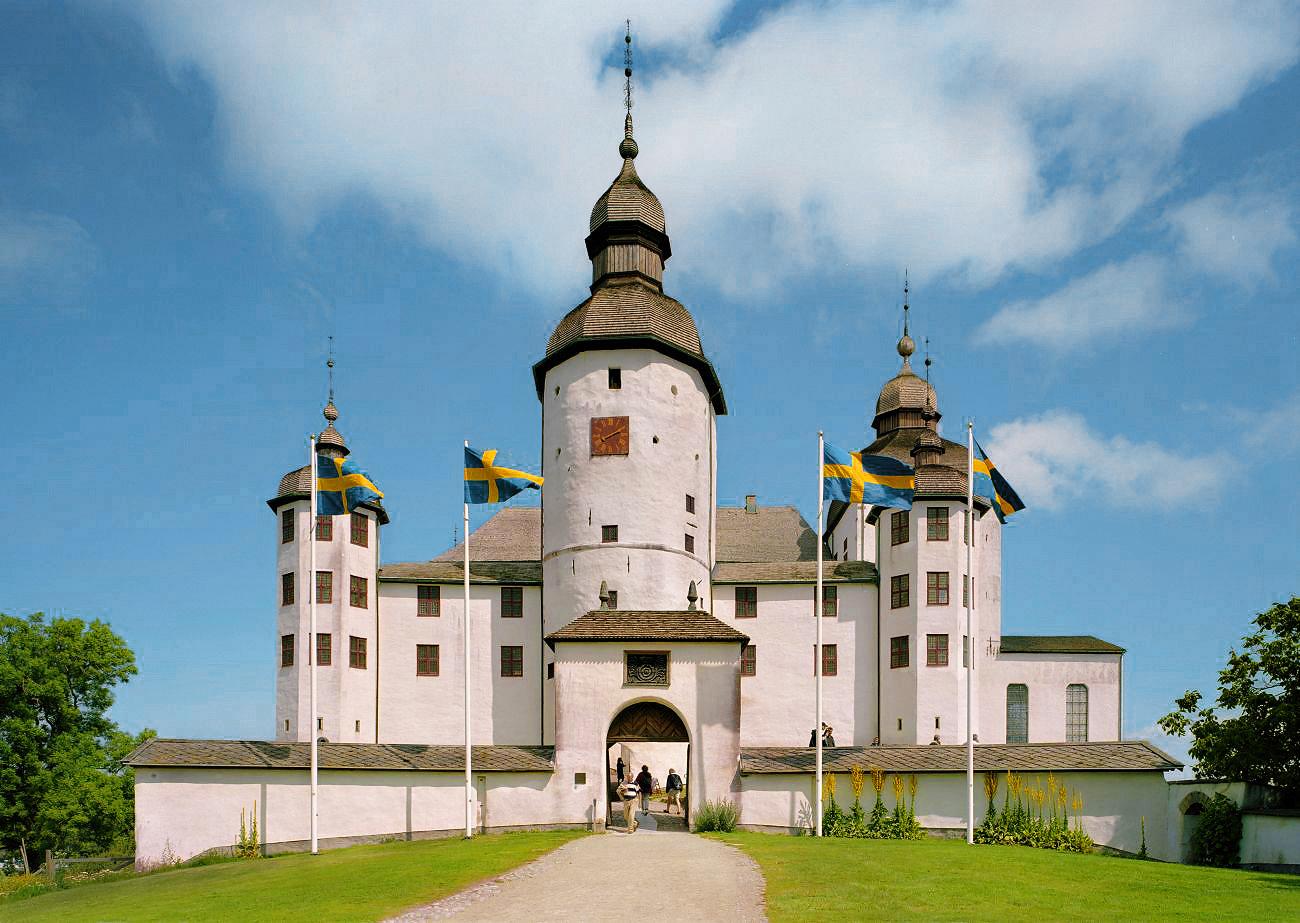
Looking beyond Gamla Tältstaden? Discover Vastergotland for broader travel guides, local hot-spots, and regional highlights.
Explore Vastergotland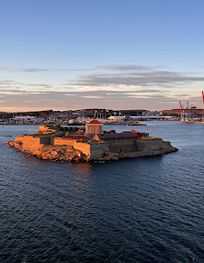
A compact 17th‑century sea fortress on a rocky islet — thick walls, low bastions and commanding harbour views, reachable only by boat.
Car-free island retreat in Gothenburg's archipelago with beaches, luxury homes, fine dining, and coastal serenity just a short ferry ride away.
