

Häxberget Travel Guide
Free Guide: Confront Sweden's grim witch trial legacy at Häxberget, where 71 souls met their fate in 1675 amid haunting rural serenity.


A brief summary of Häxberget
Confront Sweden's grim witch trial legacy at Häxberget, where 71 souls met their fate in 1675 amid haunting rural serenity.
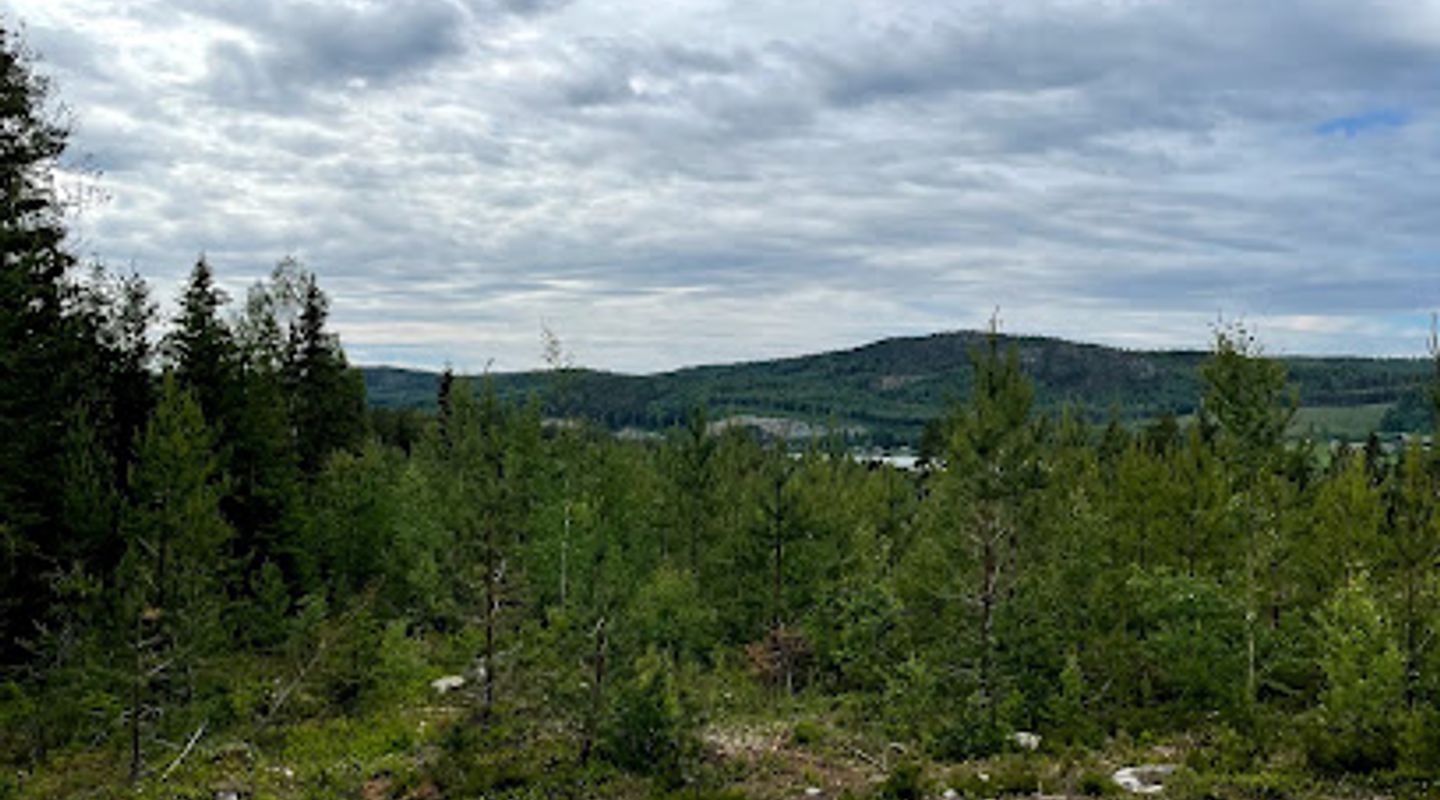
Häxberget, also known as Bålberget, stands as Sweden's most infamous site of the 17th-century witch trials. In 1675, 71 people—mostly women—were beheaded and burned here in Torsåker parish, a tragic peak of hysteria that claimed one in five local women. Today, this somber hill in rural Ångermanland draws visitors to reflect on dark history amid quiet forests, marked by a stark memorial stone. A short climb reveals panoramic views and a haunting atmosphere, perfect for those seeking historical depth off the beaten path.
On-site amenities
 Trash bins
 Information boards
 Seating areas
Opening hours
- Every dayOpen 24 hours
Opening hours as listed on the venue’s Google Business Profile. Hours can change for services and special events, so check with the venue before you go.
- Address
- 873 92 Bollstabruk
- Website
Getting there
Driving
Bus
Taxi
Discover more about Häxberget
Shadows of the Witch Hunts
In the summer of 1675, Häxberget became the grim stage for one of Sweden's darkest chapters. Torsåker's parish priest, Laurentius Christophori Hornæus, spearheaded accusations that led to 71 executions—70 women and one man—on this very hill. Beheadings preceded pyres, fueled by widespread panic over witchcraft. This single day accounted for nearly a fifth of the parish's women, making it the deadliest witch trial site in Swedish history.The trials stemmed from confessions extracted under duress, often from children claiming visions of the devil. Hornæus's fervor amplified the terror, turning neighbors against each other in a cascade of fear.
A Lasting Memorial
Atop the rocky outcrop, a simple granite monument endures, inscribed with the names of the victims and a poignant reminder: "Here on Häxberget, 71 persons were executed for sorcery on June 1, 1675." Erected in the 20th century, it transforms the site from oblivion into remembrance, urging contemplation of justice's fragility.Surrounding the stone, wild grasses sway, and hardy pines cling to the slopes, their needles whispering in the wind—a natural frame for human folly's echo.
Landscape of Reflection
Häxberget rises modestly from Ångermanland's forested terrain near Bollstabruk, offering sweeping vistas of rolling hills and distant valleys. The ascent is gentle, rewarding climbers with solitude broken only by birdsong or rustling leaves. In autumn, fiery foliage blankets the ground; winter shrouds it in snow, amplifying isolation.This rural setting in Västernorrland county preserves an untouched feel, far from urban clamor, inviting quiet introspection amid nature's embrace.
Historical Echoes Persist
The site's dual name—Häxberget (Witch Mountain) or Bålberget (Pyre Mountain)—reflects ongoing debate over labeling victims as witches versus honoring their innocence. Modern discourse favors the latter, emphasizing wrongful persecution over superstition.Nearby, in Prästmon village, Hola Folkhögskola hosts a museum since 2017, delving deeper into the trials with artifacts and narratives, complementing the hill's raw testimony.
Visiting the Sacred Ground
Approach Häxberget freely year-round, its accessibility fostering spontaneous visits. The air carries a crisp northern tang, mingled with earth and pine resin. Stand where history turned to ash, feeling the weight of lives lost to fear— a profound pause in Sweden's pastoral heartland.
Evendo Review Centre
 Google
Guest reviews
Best time to go
Quietest: Jan, Feb & Mar · before 8am or at 8pm
Busy times are Evendo estimates for a typical year, to help you plan. Actual crowds vary with events, school holidays and the weather.
Explore Häxberget on the map
A handpicked selection of must-see spots near Häxberget, mapped for you.
Get your free copy of our complete guide to Häxberget, delivered straight to you.
Everything on this page, from opening hours and how to get there to Eve’s tips and the best time to go, in one PDF you can read offline, print or share.
Already have an account? Sign in
Your Häxberget guide is ready.
We'll send it to · Not you? Sign out

Getting your guide ready…
We are putting together a fresh copy of the Häxberget guide. This can take up to a minute.
This can take a few moments. If your browser asks, choose Allow so the download can start. You'll find the guide in your Downloads folder.
Nothing happened? Download it again
Sorry, the guide is taking longer than usual. Please try again in a minute, or get it by email instead.
Other nearby places you may find interesting
The closest places of the same kind, if this one is not quite what you had in mind.
-
-
-
-
-


Swipe for more places
More to explore near Häxberget

 Best experiences near Häxberget
 Best hotels near Häxberget
 Best landmarks near Häxberget
 Best attractions near Häxberget
 Best shops near Häxberget
 Best restaurants near Häxberget
 Best bars near Häxberget
Do you manage this location?
Take control to get all the benefits, like improved information, better appearance, and stronger visibility across AI-powered discovery.
Explore more

Explore more of Västernorrland
Discover Västernorrland: Where Sweden's natural beauty and cultural heritage come alive. Explore dramatic cliffs, ancient forests, and charming towns.
Explore Västernorrland
Explore more of Sweden
Discover Sweden's breathtaking landscapes, vibrant cities, and rich cultural heritage. From the Northern Lights to historic castles, experience the essence of Scandinavia.
Explore Sweden
