

Free Västernorrland Travel Guide & Mobile App
Explore Västernorrland with free travel guides. Discover regional history, expert tips, proposed trips, and audio guides on web or mobile app.


Explore Västernorrland’s High Coast, forest trails, historic Sundsvall, maritime towns and landscapes shaped by Sweden’s rising northern shoreline.
Read more about Västernorrland
When is the best time to visit Västernorrland?
Best: June–August · 18–21°C| Month | High (°C) | Rainfall (mm) |
|---|---|---|
| January | -2 | 40 |
| February | -2 | 28 |
| March | 2 | 25 |
| April | 6 | 28 |
| May | 13 | 35 |
| June (best) | 18 | 50 |
| July (best) | 21 | 65 |
| August (best) | 19 | 75 |
| September | 14 | 65 |
| October | 9 | 55 |
| November | 1 | 45 |
| December | -2 | 39 |
Getting to and around Västernorrland
How to get there
Transportation
Top city travel guides in Västernorrland
The cities of Västernorrland, and the easiest places to base yourself.

Swipe for more cities
Destinations in Västernorrland
Resorts, valleys and scenic spots worth a trip of their own.

Swipe for more destinations
Best attractions in Västernorrland
Västernorrland’s attractions range from geological landscapes to urban heritage and river-based history. The High Coast UNESCO World Heritage area is the principal draw, with Skuleskogen National Park, Skuleberget, coastal viewpoints and sections of the Höga Kustenleden offering walking through uplifted terrain, old forest and rocky shoreline. Kayaking and boat trips provide another perspective on the islands and inlets, subject to weather and seasonal arrangements. Sundsvall’s Stone City, Norra Berget and its museums make the county’s largest urban centre a rewarding cultural stop, while Härnösand’s Murberget open-air museum presents buildings and traditions from Västernorrland and wider northern Sweden. In the interior, Nämforsen combines important prehistoric rock carvings with a powerful river setting, and Sollefteå provides access to forest and river landscapes shaped by forestry and hydropower. Smaller museums, churches, local heritage sites and seasonal farm attractions help explain the region beyond its best-known coastline.
-
Shopping mall
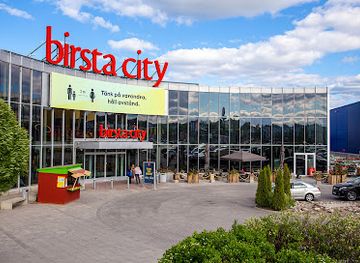
Birsta City
A large, practical shopping and service hub outside Sundsvall—anchored by big retailers with family-friendly dining and year-round convenience.
-
Hotel
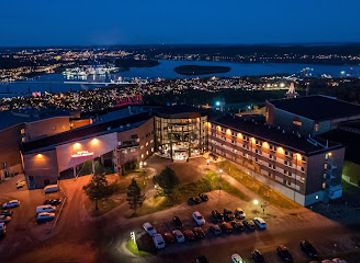
Hotell Södra Berget
A ridge-top spa resort above Sundsvall — panoramic views, family facilities and a large spa complex for year-round stays.
-
 Open air museum
Norra Berget friluftsmuseum
A leafy hilltop open‑air museum in Sundsvall where historic houses, craft cafés and walking trails meet wide city and sea views.
-
Museum
Car Museum Härnösand + AWL
Sveriges största bilmuseum: 300 fordon från 1899 till 1990 i temahallar fyllda med krom, nostalgi och motorhistoria – en perfekt tidsresa för alla åldrar.

Best landmarks in Västernorrland
The most recognisable natural landmark in Västernorrland is the High Coast itself, where forested hills, deep inlets and newly exposed shorelines demonstrate the continuing effects of land uplift. Skuleberget is a particularly visible coastal height, while the natural scenery of Skuleskogen gives the geological story a forested and walkable setting. Högakustenbron, the large suspension bridge over the Ångermanälven, is a striking modern gateway to the High Coast and a major visual feature of the coastal road. In Sundsvall, the reconstructed Stone City is the county’s outstanding urban landmark, with late nineteenth-century stone façades created after the 1888 fire. Härnösand Cathedral is an important historic building and a prominent element of the townscape. Further inland, the rock carvings at Nämforsen are both archaeological landmarks and evidence of the long relationship between people and the region’s rivers. Together these places express Västernorrland’s principal themes: geological change, maritime routes, industrial prosperity and ancient settlement.
-
National park
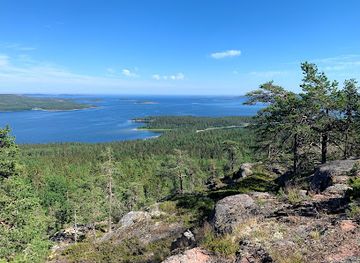
Skuleskogen National Park
Wild gorges, ancient forests, and Baltic cliffs in Sweden's High Coast UNESCO gem—hike Slåttdalsskrevan and summit peaks for unforgettable nature immersion.
-
Historical landmark
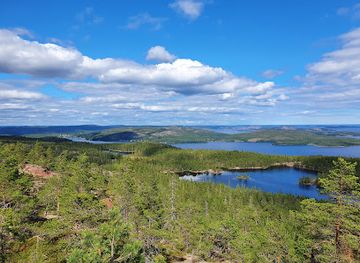
Slåttdalsskrevan
Descend into the 200m-long granite crevice of Slåttdalsskrevan, a 40m-deep wonder in Skuleskogen National Park where ice ages meet ongoing land uplift in Sweden's dramatic High Coast.
-
Tourist attraction
Hemsö Fortress
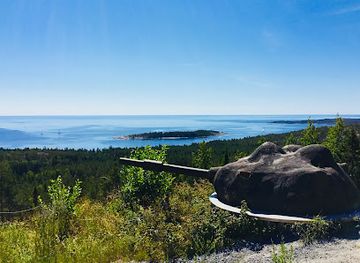
Descend into Sweden's vast Cold War bunker on Hemsön: nuclear-proof cannons, self-sustaining depths, and preserved secrets guarding the northern coast.
-
Historical landmark
Nämforsen hällristningar
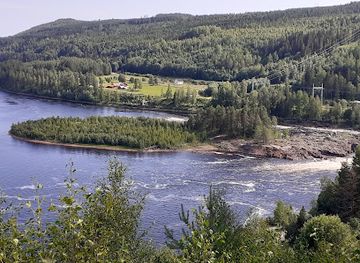
Upplev 6000 år gamla älgjakter ristade i hällarna vid Nämforsens brusande fors – norra Europas största samling i dramatisk nipmiljö.
Explore Västernorrland on the map
Plan your trip on one map. See where the top cities, national parks and sights are, and book hotels and experiences in a few clicks.
Best hotels in Västernorrland
Best restaurants in Västernorrland
Dining in Västernorrland reflects the meeting of Baltic coast, forest and agricultural river valleys. Fish from the Gulf of Bothnia and local waterways appears alongside game, meat, potatoes, rye and other northern produce, while berries and mushrooms become prominent in late summer and autumn. Restaurants in Sundsvall offer the broadest choice, from contemporary Swedish cooking to cafés, bakeries and established pub dining; Härnösand and Örnsköldsvik also have varied town-centre scenes. Around the High Coast, look for menus and farm shops using locally sourced ingredients, although opening patterns can be seasonal. Traditional Swedish fika is easy to find in cafés, and regional food markets provide opportunities to buy preserves, bread, smoked or cured products and berry preparations. Dining becomes more limited in rural districts, where advance planning is useful and simple local inns or cafés may be as important as formal restaurants.
-
Restaurant
Docksta Baren
A classic Docksta roadside eatery — straightforward Swedish cooking, family-friendly comfort and a familiar stop near Skuleberget.
-
Restaurant
E Street
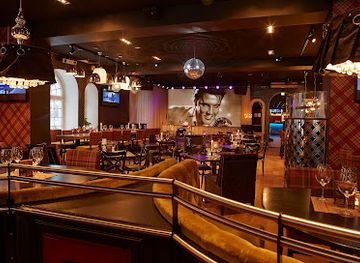
Sundsvall's musikkrog where savory Swedish fusion meets live beats, evolving from lunch haven to late-night dance spot.
-
Hamburger
Restaurant Apa
Sundsvall's burger haven on Storgatan: juicy patties, creative twists, and late-night vibes for every craving.
-
Italian
BASTA - Italiensk Restaurang Sundsvall
Upplev italiensk romantik i Sundsvall: färsk pasta, napolitansk pizza och cocktails i livlig trattoria – en smakresa till Bel Paese mitt i stan.

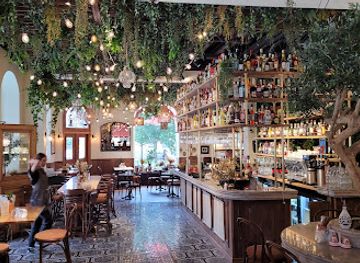
Best bars in Västernorrland
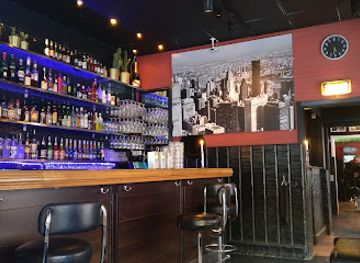
Nightlife in Västernorrland is concentrated in Sundsvall, whose central area has the county’s broadest choice of pubs, restaurants, bars and live-music venues. The city’s historic centre supports an evening circuit that ranges from relaxed beer-focused pubs to more contemporary cocktail and music settings, while cultural events and performances provide alternatives to clubbing. Härnösand and Örnsköldsvik have smaller local scenes, with cafés, pubs, restaurants and occasional live entertainment rather than a large late-night district. In the High Coast and inland communities, evenings are generally quieter and centre on restaurants, traditional pubs, seasonal events and accommodation-based dining. Breweries and locally produced drinks may appear on regional menus, but opening times and entertainment programmes vary, especially outside the summer season, so check current arrangements before making a late-night journey.
-
American
O'Learys Sundsvall
Cheers to sports, wings, and Sundsvall nights at this central American sports bar where every game feels like home turf.
-
Gastropub
The Bishops Arms Sundsvall
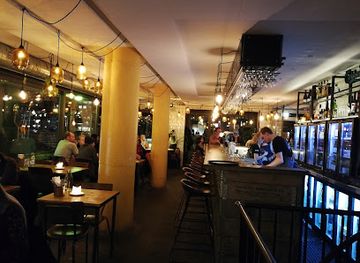
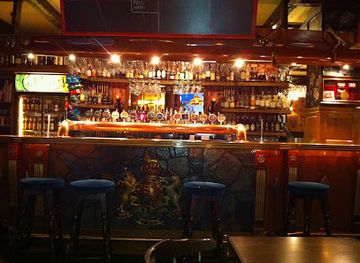
Sundsvall's premier gastropub pours over 100 world-class beers amid British charm and hearty eats on bustling Bankgatan.
-
Gastropub
The Bishop Arms - Övik
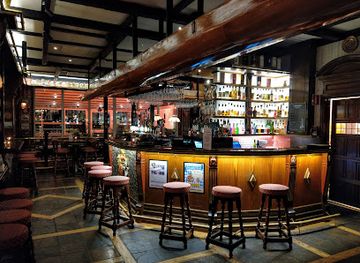
English pub vibes meet Swedish seaside in Örnsköldsvik's go-to gastropub, pouring rare ales and sizzling British fare amid cozy Victorian nooks.
-
Restaurant
Daltons Saloon
Sundsvall's go-to kvarterskrog for cheap eats, karaoke anthems, sports cheers, and that perfect neighborhood pint—open late for every mood.
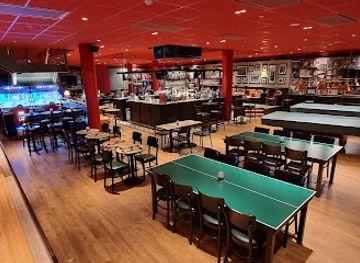
Best nightclubs in Västernorrland
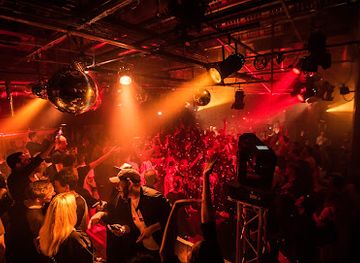
Nightlife in Västernorrland is concentrated in Sundsvall, whose central area has the county’s broadest choice of pubs, restaurants, bars and live-music venues. The city’s historic centre supports an evening circuit that ranges from relaxed beer-focused pubs to more contemporary cocktail and music settings, while cultural events and performances provide alternatives to clubbing. Härnösand and Örnsköldsvik have smaller local scenes, with cafés, pubs, restaurants and occasional live entertainment rather than a large late-night district. In the High Coast and inland communities, evenings are generally quieter and centre on restaurants, traditional pubs, seasonal events and accommodation-based dining. Breweries and locally produced drinks may appear on regional menus, but opening times and entertainment programmes vary, especially outside the summer season, so check current arrangements before making a late-night journey.
-
Bar
Strike Club
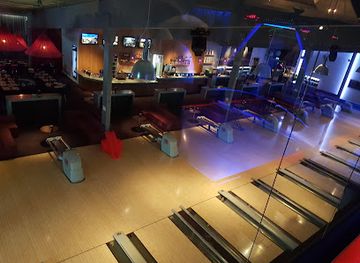
Sundsvall's ultimate entertainment arena: bowl, battle in laser tag, conquer Prison Island, and feast on burgers amid non-stop action for all ages.
-
Gay night club
Club Backdoor
Scandinavia‑sized party rooms and pounding sound — a late‑night LGBTQ+ clubbing hub near Stockholm’s arena district.
-
Dance club
Tropical Sundsvall
A friendly city-centre studio for salsa, bachata and reggaeton — classes, socials and an inclusive Latin-dance community in Sundsvall.

Best shops in Västernorrland
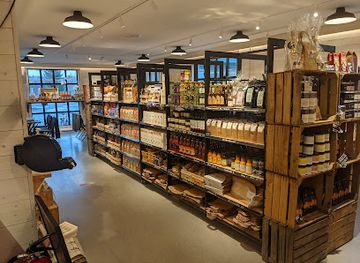
Shopping in Västernorrland is strongest in Sundsvall, where the Stone City provides independent shops, cafés, design retailers and practical high-street shopping, while the Birsta area north of the city is a major modern retail concentration. Härnösand and Örnsköldsvik offer smaller town-centre selections, including everyday shops, books, clothing and local services. In the High Coast, shopping is more closely linked to craft, food and landscape: galleries, studio shops, farm outlets and seasonal markets may sell ceramics, textiles, woodwork, jewellery, preserves, breads and berry products. Conditions and opening patterns are often seasonal, particularly in smaller coastal communities. Useful regional purchases include locally made food, outdoor equipment, craft objects and books about the High Coast’s geology and natural history. Visitors should distinguish permanent town shops from occasional markets, whose dates vary from year to year.
-
Bakery
Mjälloms Flatbread AB
Savor century-old crisp in Sweden's oldest tunnbröd bakery, where family hands shape High Coast flatbread heritage daily.
-
Alcohol retail monopoly
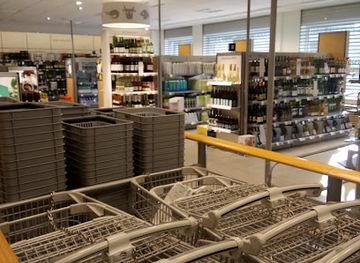
Systembolaget
Kramfors’ compact Systembolaget shop on Kungsgatan—state-regulated wine, beer and spirits with practical service and clear, local-focused stocking.
-
Shoe store
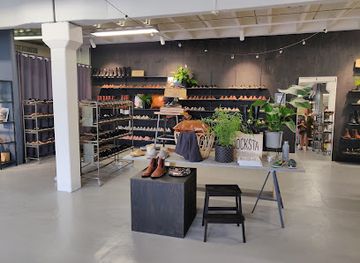
Docksta Sko AB
Handcrafted Swedish shoes since 1923 at the edge of UNESCO's Höga Kusten – factory-fresh finds from one of Sweden's last shoemakers.
-
Chocolate shop
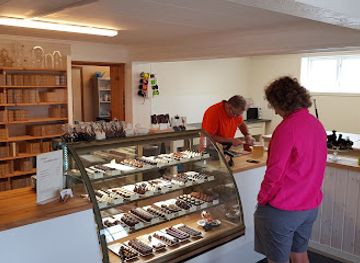
Jeltsjes Chokladpraliner
A compact artisan chocolate atelier in Docksta offering hand‑finished pralines, seasonal flavours and a glimpse into small‑batch production.
Get your free copy of our complete guide to Västernorrland, delivered straight to you.
Everything on this page, from attractions and restaurants to essentials and local phrases, in one PDF you can read offline, print or share.
Already have an account? Sign in
Your Västernorrland guide is ready.
We'll send it to · Not you? Sign out

Getting your guide ready…
We are putting together a fresh copy of the Västernorrland guide. This can take up to a minute.
This can take a few moments. If your browser asks, choose Allow so the download can start. You'll find the guide in your Downloads folder.
Nothing happened? Download it again
Sorry, the guide is taking longer than usual. Please try again in a minute, or get it by email instead.
Västernorrland essentials
Currency and Payment
Safety
Emergency Situations
Do's and Don'ts
Local Tips
From Eve
Local phrases worth knowing
You don't need to get them perfect. A few words go a long way, and locals appreciate the effort.
Basics
| English | Local | Say it |
|---|---|---|
| Hello | Hej | [hay] |
| Goodbye | Hej då | [hay daw] |
| Yes | Ja | [yah] |
| No | Nej | [nay] |
| Please/You're welcome | Snälla/Varsågod | [snel-lah/var-show-god] |
| Thank you | Tack | [tack] |
| Excuse me/Sorry | Ursäkta/Förlåt | [oor-sek-tah/fur-lot] |
| How are you? | Hur mår du? | [hur mohr doo] |
| Fine. And you? | Bra. Och du? | [bra. okh doo] |
| Do you speak English? | Talar du engelska? | [tah-lar doo eng-el-skah] |
| I don't understand | Jag förstår inte | [yahg fur-stor in-teh] |
Eating & Drinking
| English | Local | Say it |
|---|---|---|
| I'd like to see the menu, please | Jag skulle vilja se menyn, tack | [yahg skul-leh vil-yah seh meh-nyun, tack] |
| I don't eat meat | Jag äter inte kött | [yahg eh-ter in-teh kyoht] |
| Cheers! | Skål! | [skawl] |
| I would like to pay, please | Jag skulle vilja betala, tack | [yahg skul-leh vil-yah beh-tah-lah, tack] |
Emergencies
| English | Local | Say it |
|---|---|---|
| Help! | Hjälp! | [yelp] |
| Go away! | Gå bort! | [gaw bort] |
| Call the Police! | Ring polisen! | [ring po-lee-sen] |
| Call a doctor! | Ring en läkare! | [ring en leh-kah-reh] |
| I'm lost | Jag är vilse | [yahg air vil-seh] |
| I'm ill | Jag är sjuk | [yahg air shook] |
Shopping
| English | Local | Say it |
|---|---|---|
| I'd like to buy... | Jag skulle vilja köpa... | [yahg skul-leh vil-yah shur-pah] |
| I'm just looking | Jag tittar bara | [yahg tit-tar bah-rah] |
| How much is it? | Hur mycket kostar det? | [hur my-ket kost-ar deh] |
| That's too expensive | Det är för dyrt | [deht air fur deer-t] |
| Can you lower the price? | Kan du sänka priset? | [kan doo sen-kah pree-set] |
Time & Numbers
| English | Local | Say it |
|---|---|---|
| What time is it? | Vad är klockan? | [vahd air klok-kahn] |
| It's one o'clock | Det är ett | [deht air ett] |
| Half past (10) | Halv (10) | [halv (ten)] |
| Morning | Morgon | [mor-gon] |
| Afternoon | Eftermiddag | [ef-ter-mid-dahg] |
| Evening | Kväll | [kvel] |
| Yesterday | Igår | [ee-gor] |
| Today | Idag | [ee-dahg] |
| Tomorrow | Imorgon | [ee-mor-gon] |
| 1 | 1 | [ett] |
| 2 | 2 | [två] |
| 3 | 3 | [tre] |
| 4 | 4 | [fyra] |
| 5 | 5 | [fem] |
| 6 | 6 | [sex] |
| 7 | 7 | [sju] |
| 8 | 8 | [åtta] |
| 9 | 9 | [nio] |
| 10 | 10 | [tio] |
Transport & Directions
| English | Local | Say it |
|---|---|---|
| Where's a/the...? | Var är en/den...? | [var air en/den...?] |
| What's the address? | Vad är adressen? | [vahd air a-dres-sen] |
| Can you show me (on the map)? | Kan du visa mig (på kartan)? | [kan doo vee-sah may (paw kar-tan)?] |
| When's the next (bus)? | När går nästa (buss)? | [nair gawrr nays-tah (boos)?] |
| A ticket (to ....) | En biljett (till ....) | [en bil-yett (til ....)] |
History of Västernorrland
Stone Age communities and the rock art of Nämforsen
The river landscapes of Västernorrland attracted hunter-fisher communities long before permanent towns developed. At Nämforsen on the Ångerman River, thousands of years of interaction with the waterway are recorded in extensive rock carvings, including elk, boats and human figures. The images belong to a wider northern tradition associated with mobile societies and changing post-glacial landscapes. Their survival on exposed rock surfaces makes Nämforsen one of the region’s most important archaeological places, showing that the river valleys were not remote margins but established routes through northern Scandinavia.
Medieval settlement and coastal trade
During the medieval period, settlement grew along the coast, river mouths and sheltered agricultural pockets. Fishing, hunting, small-scale farming and trade connected Västernorrland with the wider Gulf of Bothnia, while Christian institutions gradually became more prominent. Churches and historic settlement patterns around places such as Härnösand and the Ångermanland coast reflect this gradual consolidation. Rivers remained essential routes into the interior, linking coastal communities with forests, furs, timber and agricultural products.
Sundsvall and the development of regional towns
Sundsvall was founded in 1621 and became an important administrative and commercial centre for the surrounding coast and inland districts. Härnösand also developed as a significant town and later an ecclesiastical centre, while smaller ports served local trade. Government administration, shipping and the growth of market networks strengthened the coastal towns’ role in Västernorrland. The region’s geography meant that river valleys and maritime routes worked together, rather than forming separate economies.
The timber boom and sawmill society
From the nineteenth century, expanding international demand for timber transformed Västernorrland. Sawmills were established around coastal ports and river mouths, where logs could be floated downstream and shipped abroad. The industry generated wealth for merchants and companies but also created demanding and often insecure work for labourers, log drivers and seasonal workers. Towns such as Sundsvall grew rapidly, and the coastline acquired the industrial landscape of mills, wharves, warehouses and shipping connections that shaped the region’s modern identity.
The Sundsvall fire of 1888 and the Stone City
A major fire in 1888 destroyed much of central Sundsvall, one of several devastating urban fires that affected Swedish towns during the period. Reconstruction produced the stone-built centre now known as Stenstan, or the Stone City. Its imposing commercial buildings, decorative façades and planned streets reflect the prosperity generated by timber exports and the prevailing preference for more fire-resistant construction. The ensemble remains one of Sweden’s clearest architectural records of late nineteenth-century industrial wealth.
Hydropower, pulp and twentieth-century industrial change
In the twentieth century, forestry expanded beyond sawmilling into pulp, paper and other wood-based industries. The substantial rivers of Västernorrland were increasingly regulated for hydroelectric power, changing working landscapes and affecting rapids, settlements and transport. Industrial towns and inland communities became closely tied to national energy and manufacturing systems. These industries brought employment and infrastructure but also left the region exposed to restructuring as production, technology and ownership patterns changed.
The High Coast as a world heritage landscape
Scientific recognition of the High Coast’s post-glacial land uplift grew during the twentieth century. The shoreline is still rising, revealing former seabeds, terraces and changing relationships between islands, bays and forested hills. In 2000 the High Coast was inscribed on the UNESCO World Heritage List for its geological significance; it was later incorporated into the transnational High Coast and Kvarken Archipelago World Heritage property with the Finnish site. The designation helped frame the landscape as a place where geological change can be read directly in the terrain.
Västernorrland in Photos
Browse through our photo collection highlighting the charm and character of the destination.
Neighbouring regions of Västernorrland
The closest regions to Västernorrland, if you have time for more than one.
-

-

-

-

-


Swipe for more regions
Explore more
Explore more of Sweden
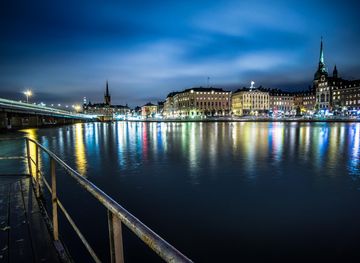
Discover Sweden's breathtaking landscapes, vibrant cities, and rich cultural heritage. From the Northern Lights to historic castles, experience the essence of Scandinavia.
Explore Sweden