

Shah Mansur (Dushanbe) Travel Guide - Free
Explore Shah Mansur in Dushanbe with Evendo's free guide. Find the best shops, historic streets, restaurants, and gems on web or mobile.


Explore Shah Mansur in Dushanbe for Tajik markets, Mehrgon Market, grand mosques, leafy avenues, local food and everyday capital-city culture.
Central Streets and Everyday Dushanbe
Shah Mansur, also written Shohmansur, occupies a broad central-eastern part of Dushanbe and is best understood through its streets, markets, civic buildings and ordinary urban rhythms rather than through a compact historic centre. The area sits within easy reach of Rudaki Avenue and the city’s principal public institutions, while its commercial life extends from established market streets to newer food halls and retail developments. Wide avenues, mature trees, Soviet-era apartment blocks and more recent monumental construction appear together, giving the neighbourhood a practical, metropolitan character.Read more about Shah Mansur
Markets, Mosques and Public Life
Green Spaces and Monumental Dushanbe
Best landmarks in Shah Mansur
The Central Mosque of Dushanbe, also called the Imam Abu Hanifa Mosque, is Shah Mansur’s most imposing contemporary landmark, distinguished by its monumental scale and role in the religious life of the capital. Its presence is best understood alongside the district’s commercial streets, where market activity provides a more everyday expression of local identity. Mehrgon Market is another important piece of the neighbourhood’s built landscape: its purpose-built halls represent the modern organisation of food commerce while continuing Dushanbe’s longstanding connection with regional trade. On the Rudaki side, Kokhi Navruz contributes an ornate cultural and ceremonial presence, with elaborate interiors and landscaped surroundings. These buildings sit among avenues, apartment blocks and public gardens rather than within a preserved historic quarter, making the neighbourhood’s significance architectural and civic as much as antiquarian.
-
Park
Rudaki Park
Explore the tranquil beauty and cultural significance of Rudaki Park, a must-visit destination in Dushanbe, Tajikistan, perfect for relaxation and exploration.
15 min drive · 5.2 km from neighbourhood centre
-
International airport
Dushanbe International Airport
Experience the warm hospitality and modern amenities at Dushanbe International Airport, your gateway to the stunning landscapes of Tajikistan.
5 min drive · 1.7 km from neighbourhood centre
-
Historical landmark
Monument of Ismail Samani
Explore the Monument of Ismail Samani in Dushanbe, a historical landmark that embodies the cultural richness and heritage of Tajikistan.
15 min drive · 4.9 km from neighbourhood centre
-
Tourist attraction
Flagpole
Explore the world's tallest flagpole in Dushanbe, Tajikistan – a symbol of national pride and a captivating landmark for tourists.
17 min drive · 5.6 km from neighbourhood centre


Explore Shah Mansur on the map
A handpicked selection of must-see spots in Shah Mansur, mapped for you.
Best hotels in Shah Mansur
Best restaurants in Shah Mansur
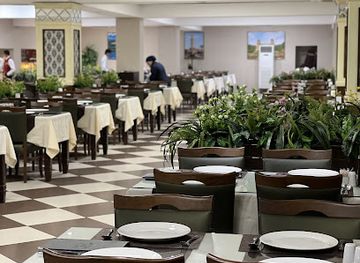
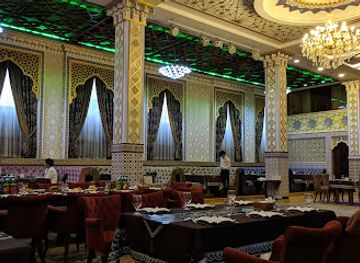
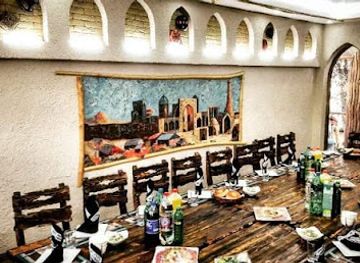
Dining in Shah Mansur is closely tied to the neighbourhood’s markets and everyday commercial life. Visitors can look for Tajik and broader Central Asian cooking, including plov, soups, grilled meat, fresh salads, bread and dairy products, with menus varying between family-run cafés, canteens and more formal restaurants along the main avenues. Market areas are useful for encountering seasonal fruit, dried produce, nuts and sweets, while tea remains a familiar accompaniment to conversation and meals. The district’s food culture reflects Dushanbe’s position as a capital drawing influences from across Tajikistan, rather than a single narrowly defined cuisine. Russian and international dishes are also available in central commercial areas, but smaller eateries may have limited English and cash is often the simplest way to pay. Checking whether a dish is prepared to order is sensible when choosing informal food stalls.
-
Turkish
Çıtır Usta
Discover authentic Turkish cuisine at Çıtır Usta in Dushanbe - where every dish tells a story.
12 min drive · 4.0 km from neighbourhood centre
-
Turkish
Merve Restaurant
Discover authentic Turkish flavors at Merve Restaurant in Dushanbe – where every meal is a culinary journey.
12 min drive · 4.0 km from neighbourhood centre
-
Restaurant
Bukhara
Experience authentic Central Asian flavors at Bukhara – where tradition meets taste in every delightful dish.
12 min drive · 3.9 km from neighbourhood centre
-
Restaurant
Toqi Teahouse
Discover authentic Tajik tea culture at Toqi Teahouse - a serene oasis in Dushanbe offering diverse teas and delightful snacks.
13 min drive · 4.5 km from neighbourhood centre

Best bars in Shah Mansur
Shah Mansur is not primarily a nightlife district, and evenings are more commonly shaped by restaurants, tea drinking, family gatherings and walks along illuminated central avenues than by a dense concentration of clubs. Larger hotels and restaurants around the central Dushanbe area may offer lounges or evening dining, while cultural venues and public complexes occasionally host performances, though programmes change and should be checked locally. Alcohol is available in some licensed establishments, but visitors should not assume that every restaurant serves it. The neighbourhood’s broad streets and market areas become quieter after trading hours, making the main avenues and established hotel districts the more practical choices for a late meal or arranged taxi. Modest dress and considerate behaviour remain advisable, particularly near the Central Mosque and residential buildings.
-
Live music bar
Best Bar City
Explore Dushanbe's lively music scene at the best live music bar, a cultural hub where rhythms and flavors come together.
16 min drive · 5.3 km from neighbourhood centre
-
Pub
Sim Sim Pub
Discover the lively Sim Sim Pub in Dushanbe, where delicious chicken dishes and refreshing drinks create a perfect local dining experience.
17 min drive · 5.8 km from neighbourhood centre
-
Bar
Public Pub
Discover the vibrant atmosphere of Public Pub in Dushanbe, where delicious food and refreshing drinks create unforgettable memories.
14 min drive · 4.7 km from neighbourhood centre
-
Bar
Chilli Restaurant
Indulge in a delightful culinary experience at Chilli Restaurant in Dushanbe, blending local flavors with a vibrant atmosphere and traditional hookah.
13 min drive · 4.2 km from neighbourhood centre


Best nightclubs in Shah Mansur
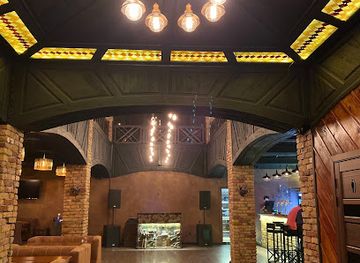
Shah Mansur is not primarily a nightlife district, and evenings are more commonly shaped by restaurants, tea drinking, family gatherings and walks along illuminated central avenues than by a dense concentration of clubs. Larger hotels and restaurants around the central Dushanbe area may offer lounges or evening dining, while cultural venues and public complexes occasionally host performances, though programmes change and should be checked locally. Alcohol is available in some licensed establishments, but visitors should not assume that every restaurant serves it. The neighbourhood’s broad streets and market areas become quieter after trading hours, making the main avenues and established hotel districts the more practical choices for a late meal or arranged taxi. Modest dress and considerate behaviour remain advisable, particularly near the Central Mosque and residential buildings.
-
Live music bar
Best Bar City
Experience Dushanbe's nightlife at Best Bar City, where live music and great drinks create unforgettable evenings.
16 min drive · 5.3 km from neighbourhood centre
-
Night club
Bavaria House
Discover the best of Dushanbe's nightlife at Bavaria House, where dining meets vibrant entertainment in a stylish setting.
13 min drive · 4.2 km from neighbourhood centre
-
Night club
LOFT
Discover Dushanbe's nightlife at LOFT, where vibrant music, dancing, and unforgettable memories await every night.
11 min drive · 3.6 km from neighbourhood centre
-
Disco club
Diskoteka 80Kh
Discover the electrifying nightlife of Dushanbe at Diskoteka 80Kh - where music, dancing, and unforgettable experiences await.
8 min drive · 2.8 km from neighbourhood centre



Best shops in Shah Mansur
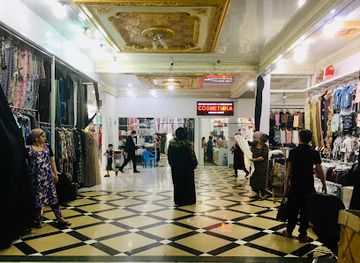
Shopping in Shah Mansur is centred on food, household needs and the practical retail life of the capital rather than on a concentrated luxury or designer scene. Mehrgon Market is the principal organised destination for fresh produce, dried fruits, nuts, sweets, herbs and other ingredients associated with Tajik kitchens, while smaller shops and stalls around the wider central area serve daily necessities. Visitors may also find bread, tea, textiles and locally familiar gifts, although stock and presentation change continually. The experience is less about browsing a fixed collection of boutiques than about observing how Dushanbe residents buy seasonal goods and provisions. Carrying modest cash is useful, and asking permission before photographing traders or their displays is courteous. More formal retail and international brands are spread along central commercial avenues rather than concentrated in one distinctly local shopping street.
-
Shopping mall
Dushanbe Mall
Explore Dushanbe Mall, Tajikistan's top shopping destination, blending local culture with global brands in a vibrant atmosphere.
11 min drive · 3.7 km from neighbourhood centre
-
Shopping mall
Sadbarg Trade Center
Discover the vibrant shopping experience at Sadbarg Trade Center in Dushanbe, Tajikistan, where local culture meets modern retail.
9 min drive · 3.1 km from neighbourhood centre
-
Department store
Central Department Store
Discover the heart of Dushanbe's shopping scene at the Central Department Store, where local culture meets modern retail in a vibrant atmosphere.
16 min drive · 5.3 km from neighbourhood centre
-
Home goods store
Jysk
Explore Jysk in Dushanbe for a wide range of stylish home goods, from furniture to kitchen supplies, perfect for every taste and budget.
12 min drive · 3.9 km from neighbourhood centre



Shah Mansur essentials
Getting There
Getting Around
Safety
Emergency Situations
Do's and Don'ts
Local Tips

From Eve
Local phrases worth knowing
You don't need to get them perfect. A few words go a long way, and locals appreciate the effort.
Basics
| English | Local | Say it |
|---|---|---|
| Hello | Салом | [Salom] |
| Goodbye | Хайр | [Khayr] |
| Yes | Ҳа | [Ha] |
| No | Не | [Ne] |
| Please/You're welcome | Лутфан | [Lutfan] |
| Thank you | Раҳмат | [Rahmat] |
| Excuse me/Sorry | Бахшиш | [Bakhshish] |
| How are you? | Шумо чӣ хел доред? | [Shumo chi khel do'red?] |
| Fine. And you? | Хубам. Шумо чӣ хел доред? | [Khobam. Shumo chi khel do'red?] |
| Do you speak English? | Шумо англисӣ гап мезонед? | [Shumo anglisi gap mezonad?] |
| I don't understand | Ман фаҳм не мекунам | [Man fahm ne mekunam] |
Eating & Drinking
| English | Local | Say it |
|---|---|---|
| I'd like to see the menu, please | Лутфан менюро бинед | [Lutfan menyuro bined] |
| I don't eat meat | Ман гӯшт хӯрок намехарам | [Man gusht khurok namekharam] |
| Cheers! | Саломатӣ! | [Salomati!] |
| I would like to pay, please | Лутфан мен пул бедахтам | [Lutfan man pul bedakhtam] |
Emergencies
| English | Local | Say it |
|---|---|---|
| Help! | Комак! | [Komak!] |
| Go away! | Равона шавед! | [Ravona shaved!] |
| Call the Police! | Пулисро хабар кунед! | [Pulisro habar kuned!] |
| Call a doctor! | Духтурро хабар кунед! | [Dukhtrro habar kuned!] |
| I'm lost | Ман ҷост шудам | [Man jost shudam] |
| I'm ill | Ман беморам | [Man bemoram] |
Shopping
| English | Local | Say it |
|---|---|---|
| I'd like to buy... | Ман хоҳам харид кунам... | [Man khoham harid kunam...] |
| I'm just looking | Ман танҳо тафтиш мекунам | [Man tanho taftish mekunam] |
| How much is it? | Ин чанд ободӣ? | [In chand obodi?] |
| That's too expensive | Ин хеле қиймат аст | [In hele qimat ast] |
| Can you lower the price? | Метавонед қӯлоб кунед? | [Metavoned qulob kuned?] |
Time & Numbers
| English | Local | Say it |
|---|---|---|
| What time is it? | Кадом соат аст? | [Kadom soat ast?] |
| It's one o'clock | Соат як буд | [Soat yak bud] |
| Half past (10) | Ним соат дасхт | [Nim soat dasht] |
| Morning | Субҳ | [Subh] |
| Afternoon | Баъд аз зуҳр | [Ba'd az zuhr] |
| Evening | Шаб | [Shab] |
| Yesterday | Дирӯз | [Diruz] |
| Today | Имруз | [Imruz] |
| Tomorrow | Пагоҳ | [Pagoh] |
| 1 | Як | [Yak] |
| 2 | Ду | [Du] |
| 3 | Се | [Se] |
| 4 | Чор | [Chor] |
| 5 | Панҷ | [Panj] |
| 6 | Шаш | [Shash] |
| 7 | Ҳафт | [Haft] |
| 8 | ҳашт | [hasht] |
| 9 | нӯҳ | [nuh] |
| 10 | дас | [das] |
Transport & Directions
| English | Local | Say it |
|---|---|---|
| Where's a/the...? | Куҷо...? | [Kujo...?] |
| What's the address? | Суроға чист? | [Suroga chist?] |
| Can you show me (on the map)? | Метавонед манро (дар нависа) нишон диҳед? | [Metavoned manro (dar navisa) nishon dihed?] |
| When's the next (bus)? | Оянда (аљават) кадом вақт аст? | [Oyanda (aljavat) kadom vaqt ast?] |
| A ticket (to ....) | Билет (ба ....) | [Bilet (ba ....)] |
History of Shah Mansur
A Market Landscape Before Modern Dushanbe
The area now associated with Shah Mansur developed within the wider landscape of Dushanbe, whose early identity was shaped by village settlements, gardens, irrigation channels and periodic markets. The name Dushanbe refers to Monday, the traditional market day, and commerce was fundamental to the settlement’s growth. Shah Mansur’s later character grew from this continuing relationship with exchange and movement rather than from a single surviving medieval monument. Produce from the surrounding valleys, household goods and regional foods circulated through markets that connected the capital with Tajikistan’s agricultural hinterland.
Soviet Planning and Urban Expansion
During the Soviet period, Dushanbe was transformed from a regional settlement into an administrative and industrial capital. Streets were widened, public buildings and apartment blocks replaced much of the older low-rise fabric, and utilities and transport networks expanded across the central districts. The Shah Mansur area became part of this planned urban landscape, combining residential quarters with shops, public services and market activity. Tree-lined avenues and open civic spaces, now characteristic of central Dushanbe, reflect this twentieth-century restructuring, even though later construction has altered many individual streets.
Independence and the Capital’s New Image
After Tajikistan became independent in 1991, Dushanbe’s central districts acquired new symbolic importance as the capital’s public image was reshaped. National institutions, hotels, landscaped avenues and monumental architecture were added or refurbished, while streets and markets continued to serve everyday needs. In Shah Mansur, the result is a layered urban environment: Soviet housing and established commercial areas stand alongside newer cultural, religious and ceremonial buildings. The neighbourhood’s development illustrates the capital’s attempt to combine national representation with the practical life of a growing city.
Markets in a Changing Commercial District
Recent decades have brought changes to Dushanbe’s retail landscape, including the construction and modernisation of purpose-built markets such as Mehrgon. These developments reflect efforts to organise food trading and present a more formal image of the capital, while traditional habits of bargaining, seasonal buying and social shopping remain important. Shah Mansur therefore retains a commercial identity even as its streets become more landscaped and its building stock more varied. For visitors, the neighbourhood offers a useful view of contemporary Dushanbe as a place where state-led urban improvement and long-established market culture continue side by side.
Shah Mansur in Photos
Browse through our photo collection highlighting the charm and character of the destination.
Neighbourhoods near Shah Mansur
The closest neighbourhoods to Shah Mansur, if you have time for more than one stop.
-

-


Swipe for more neighbourhoods
Explore more

Explore more of Dushanbe
Dushanbe, Tajikistan, blends Persianate history, grand avenues, museums, parks and mountain views for distinctive Central Asian sightseeing and culture.
Explore Dushanbe