

Tursunzoda, Tajikistan Travel Guide
Discover Tursunzoda: Tajikistan's industrial marvel, surrounded by natural beauty and cultural richness, offering a unique blend of industry and serenity.
Tursunzoda, located in the western part of Tajikistan, is a city that beautifully blends industrial prowess with natural beauty. Known primarily for its substantial aluminum production, Tursunzoda offers a unique glimpse into the industrial backbone of the country. Yet, beyond its factories and plants, the city is surrounded by lush landscapes, providing a serene escape from the hustle and bustle. A visit to Tursunzoda is not complete without exploring its picturesque countryside. The city is nestled near the Hissar Range, offering breathtaking views and opportunities for hiking and outdoor adventures. The nearby Shirkent National Park is a must-visit for nature enthusiasts, home to diverse flora and fauna and even ancient petroglyphs that tell tales of bygone eras. Cultural experiences in Tursunzoda are equally enriching. The city is home to various local markets where you can immerse yourself in the vibrant daily life of its residents. Sampling traditional Tajik cuisine at local eateries and engaging with the hospitable locals will leave you with unforgettable memories. Tursunzoda may be an industrial hub, but it is also a gateway to the rich cultural and natural heritage of Tajikistan.

Know before you go
Hi, I'm Eve. Here are a few practical things to know before exploring Tursunzoda.
- Visit the Shirkent National Park early in the morning to avoid crowds and enjoy the tranquility.
- Explore local markets to experience the daily life and taste authentic Tajik cuisine.
- Hire a local guide for hiking trips in the Hissar Range to ensure safety and gain insights into the area's history.
- If interested in the industrial aspect, arrange a tour of the aluminum plant through local tour operators.
- Learn a few basic Tajik phrases; locals appreciate the effort and it enhances your travel experience.
Explore Tursunzoda: Things to Do, Places to Eat, Hotels & More
Handpicked recommendations for top attractions, local dining, accommodations, and more

Best attractions in Tursunzoda
Top-rated picks
Best Attractions

Hisor Fortress
Discover the enchanting Hisor Fortress in Tajikistan, a historic landmark that offers breathtaking views and a glimpse into the region's rich heritage.

Shirkent National Park
Explore the breathtaking landscapes and rich biodiversity of Shirkent National Park in Tajikistan, an unspoiled nature preserve for all adventurers.

Best landmarks in Tursunzoda
Top-rated picks
Best Landmarks

Hisor Fortress
Explore the historic Hisor Fortress, a stunning architectural marvel in Tajikistan, surrounded by breathtaking mountain landscapes.

Shirkent National Park
Explore Shirkent National Park, a breathtaking nature preserve in Tajikistan, known for its stunning landscapes, rich biodiversity, and cultural heritage.

Best restaurants in Tursunzoda
Top-rated picks
Best Restaurants

Choykhona Sarkor
Experience authentic Tajik cuisine at Choykhona Sarkor in Tursunzoda—where tradition meets taste in every dish.

Green Wood House
Discover Green Wood House: A serene restaurant and country house offering delicious cuisine amidst the beautiful landscapes of Hisor, Tajikistan.

Shomi Saadi
Experience authentic Tajik cuisine at Shomi Saadi in Hisor – where every meal tells a story of rich culture and tradition.

Ru Ba Rui Avtabaza
Experience authentic Tajik cuisine at Ru Ba Rui Avtabaza in Tursunzoda, where every dish reflects rich cultural traditions and flavors.

Best bars in Tursunzoda
Top-rated picks
Best Bars

Ҳисор
Experience the vibrant bar scene in Hisor, Tajikistan, where local culture meets a welcoming atmosphere for an unforgettable visit.

Botir Bar
Explore Botir Bar in Tursunzoda for unique home goods that embody the rich culture and artistry of Tajikistan.

Chaykhanai Bobur
Discover the vibrant atmosphere of Chaykhanai Bobur, a live music bar in Tursunzoda, Tajikistan, where culture, music, and cuisine blend seamlessly.

Ablako Firdavs
Experience the rich flavors of hookah at Ablako Firdavs, a cultural oasis in Tursunzoda, Tajikistan, perfect for relaxation and socializing.

Best nightclubs in Tursunzoda
Top-rated picks
Best Nightclubs
Ночной Клуб Чашма
Discover the heartbeat of Tursunzoda's nightlife at Ночной Клуб Чашма, where music, dance, and culture blend seamlessly for an unforgettable experience.
Tri Kita
Discover the electrifying nightlife at Tri Kita, Tursunzoda's premier night club, where unforgettable parties and vibrant music await.

Best shops in Tursunzoda
Top-rated picks
Best Shops

Botir Bar
Discover unique home goods and authentic Tajikistani crafts at Botir Bar in Tursunzoda, a shopper's paradise for tourists.

Дадаҷон
Explore Dadajon, Tursunzoda's premier shopping mall, offering a blend of local and international brands, delicious dining, and modern amenities.

Tsog Ansor
Explore Tsog Ansor, a vibrant supermarket in Tursunzoda, where local culture meets convenience in the heart of Tajikistan.
Magazini Sheroz
Explore Magazini Sheroz in Tursunzoda, Tajikistan, for unique local products, authentic souvenirs, and a taste of Tajik culture.

Explore Tursunzoda on the Map
A handpicked selection of must-see spots in Tursunzoda, mapped for you.
Tursunzoda Essentials
-
Tursunzoda is located in the western part of Tajikistan, near the border with Uzbekistan. The nearest international airport is Dushanbe International Airport, approximately 60 kilometers away. From Dushanbe, you can take a taxi or a minibus (marshrutka) to Tursunzoda. The journey typically takes around 1 to 1.5 hours by road. Alternatively, you can take a train from Dushanbe to Tursunzoda, which offers a scenic route through the Tajik countryside.
-
Tursunzoda is a small city, and many of its attractions are within walking distance. For longer trips, local taxis are readily available and relatively inexpensive. Public buses and minibuses (marshrutkas) operate within the city and connect to nearby villages. Renting a car can also be a convenient option for exploring the surrounding areas at your own pace.
-
The official currency in Tajikistan is the Tajikistani Somoni (TJS). Credit cards are accepted in some hotels, restaurants, and shops, but it is advisable to carry cash, especially in smaller establishments and rural areas. ATMs are available in Tursunzoda, but it is wise to withdraw sufficient cash in Dushanbe before traveling to ensure you have enough funds.
-
Tursunzoda is generally a safe destination for tourists. However, like any travel destination, it is advisable to take standard precautions. Avoid walking alone at night in unfamiliar areas and keep an eye on your belongings in crowded places. While there are no specific high-crime areas targeting tourists, it is always best to stay vigilant and aware of your surroundings.
-
In case of emergency, dial 112 for immediate assistance. The local police station and medical facilities are available in Tursunzoda. It is recommended to have travel insurance that covers medical emergencies. For minor health issues, there are pharmacies in the city where you can purchase over-the-counter medications.
-
Fashion: Do dress modestly, especially when visiting religious sites. Avoid wearing revealing clothing. Religion: Do respect local customs and traditions. Always cover your head when entering mosques. Public Transport: Do be respectful and give up your seat to elderly passengers. Don't eat or drink on public transport. Greetings: Do greet people with a handshake. A slight bow of the head is also a sign of respect. Eating & Drinking: Do try local delicacies and accept food offerings graciously. Don't refuse hospitality, as it is considered impolite.
-
To experience Tursunzoda like a local, visit the local markets where you can buy fresh produce and traditional Tajik goods. Engage with locals, as they are often friendly and willing to share stories about the city's history and culture. Don't miss visiting the nearby aluminum plant, which is one of the largest in the world. For a unique experience, take a walk along the Shirkent Valley, known for its beautiful landscapes and dinosaur footprints.
When is the best time to visit Tursunzoda?
Useful Local Phrases for Tursunzoda
You don't need to speak the language perfectly. Even learning a few simple words can make conversations warmer—and locals usually appreciate the effort.
— Eve

Here are the phrases I use most often in Tursunzoda. Try a few—you'll be surprised how far they go! 😊
❤️
-
- HelloСалом
[Salom] - GoodbyeХайр
[Khayr] - YesҲа
[Ha] - NoНе
[Ne] - Please/You're welcomeЛутфан
[Lutfan] - Thank youРаҳмат
[Rahmat] - Excuse me/SorryМӯафӣ кунед
[Muofii kuned] - How are you?Шумо чӣ хабар?
[Shumo chi habar?] - Fine. And you?Хубам. А шумо?
[Hubam. A shumo?] - Do you speak English?Шумо англисӣ гап мезанед?
[Shumo anglisii gap mezaned?] - I don't understandМан фаҳм не мекунам
[Man fahm ne mekunam]
- HelloСалом
-
- I'd like to see the menu, pleaseЛутфан, менюро барои ман нишон диҳед
[Lutfan, menyuro baroi man nishon dihed] - I don't eat meatМан гӯшт намехӯрам
[Man gusht namehuram] - Cheers!Сайёҳат!
[Sayohat!] - I would like to pay, pleaseЛутфан, мехоҳам пул диҳед
[Lutfan, mehoham pul dihed]
- I'd like to see the menu, pleaseЛутфан, менюро барои ман нишон диҳед
-
- Help!Кумак!
[Kumak!] - Go away!Равонед!
[Ravoned!] - Call the Police!Пулисро хабар кунед!
[Pulisro habar kuned!] - Call a doctor!Духтурро хабар кунед!
[Dukturro habar kuned!] - I'm lostМан ҷойгиршавам
[Man joygirshavam] - I'm illМан беморам
[Man bemoram]
- Help!Кумак!
-
- I'd like to buy...Мехоҳам харид кунам ...
[Mehoham harid kunam ...] - I'm just lookingМан фақат куриш мекунам
[Man faqat kurish mekunam] - How much is it?Ин чанд пул аст?
[In chand pul ast?] - That's too expensiveИн хеле қимат аст
[In hele qimat ast] - Can you lower the price?Метавонед қиматро кам кунед?
[Metavoned qimatro kam kuned?]
- I'd like to buy...Мехоҳам харид кунам ...
-
- What time is it?Ҳазер чанд соат аст?
[Hazer chand soat ast?] - It's one o'clockСоат як ба як аст
[Soat yak ba yak ast] - Half past (10)Ним соат (даҳ)
[Nim soat (dah)] - MorningСубҳ
[Subh] - AfternoonБе пасанд
[Be pasand] - EveningШаб
[Shab] - YesterdayДирӯз
[Diruz] - TodayИмрӯз
[Imruz] - TomorrowПагоҳ
[Pagoh] - 1Як
[Yak] - 2Ду
[Du] - 3Се
[Se] - 4Чор
[Chor] - 5Панҷ
[Panj] - 6Шаш
[Shash] - 7Ҳафт
[Haft] - 8ҳашт
[Hasht] - 9ноҳ
[noh] - 10даҳ
[dah]
- What time is it?Ҳазер чанд соат аст?
-
- Where's a/the...?Куҷост ...?
[Kujo ...?] - What's the address?Суроға чист?
[Suroga chist?] - Can you show me (on the map)?Метавонед маро нишон диҳед (дар нависа)?
[Metavoned maro nishon dihed (dar navisa)?] - When's the next (bus)?Ҳангоми курсии оянда кадом вақт аст?
[Hangomi kursii oiyanda kadom vaqt ast?] - A ticket (to ....)Билет (ба ...)
[Bilet (ba ...)]
- Where's a/the...?Куҷост ...?
History of Tursunzoda
-
Tursunzoda was founded in the early 20th century as a small village. The region around Tursunzoda has historically been a crossroads of various empires and cultures, making it a melting pot of influences. The village began to grow significantly during the Soviet era, eventually becoming an important town in Tajikistan.
-
During the Soviet era, Tursunzoda underwent rapid industrialization. The establishment of the Tajik Aluminium Company (TALCO) in the 1970s marked a significant turning point in the town's history. TALCO became one of the largest aluminum production facilities in Central Asia, attracting a substantial workforce and leading to urbanization and economic growth in Tursunzoda.
-
Tursunzoda is not only known for its industrial significance but also for its rich cultural heritage. The town is named after the famous Tajik poet Mirzo Tursunzoda, who is celebrated for his contributions to Tajik literature and culture. Traditional music, dance, and poetry are integral parts of the cultural fabric of Tursunzoda, with various festivals and events held to celebrate these traditions.
-
Tursunzoda boasts several historical landmarks that reflect its diverse history. These include ancient archaeological sites, Soviet-era monuments, and modern cultural centers. One notable landmark is the statue of Mirzo Tursunzoda, which stands as a tribute to the poet and serves as a reminder of the town's cultural significance.
-
Following the dissolution of the Soviet Union, Tursunzoda faced numerous challenges, including economic restructuring and political changes. Despite these challenges, the town has continued to develop, with efforts focused on diversifying the economy and improving infrastructure. Today, Tursunzoda is a vibrant town that combines its industrial heritage with a growing emphasis on cultural and historical tourism.
Cities near Tursunzoda
The closest cities to Tursunzoda, if you have time for more than one stop.


Your all‑in‑one travel companion app
Explore expert travel guides, compare and book tours, experiences, hotels, and more—all from the palm of your hand. Download now for seamless trip planning wherever your wanderlust takes you.


Tursunzoda in Photos
Browse through our photo collection highlighting the charm and character of the destination.




Tursunzoda: The Industrial Heartbeat Amidst Natural Splendor
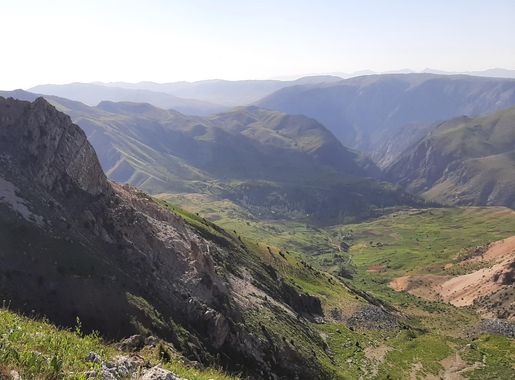
Tursunzoda, located in the western part of Tajikistan, is a city that beautifully blends industrial prowess with natural beauty. Known primarily for its substantial aluminum production, Tursunzoda offers a unique glimpse into the industrial backbone of the country. Yet, beyond its factories and plants, the city is surrounded by lush landscapes, providing a serene escape from the hustle and bustle. A visit to Tursunzoda is not complete without exploring its picturesque countryside. The city is nestled near the Hissar Range, offering breathtaking views and opportunities for hiking and outdoor adventures. The nearby Shirkent National Park is a must-visit for nature enthusiasts, home to diverse flora and fauna and even ancient petroglyphs that tell tales of bygone eras. Cultural experiences in Tursunzoda are equally enriching. The city is home to various local markets where you can immerse yourself in the vibrant daily life of its residents. Sampling traditional Tajik cuisine at local eateries and engaging with the hospitable locals will leave you with unforgettable memories. Tursunzoda may be an industrial hub, but it is also a gateway to the rich cultural and natural heritage of Tajikistan.
Explore More of Tajikistan

Looking beyond Tursunzoda? Discover Tajikistan for broader travel guides, local hot-spots, and regional highlights.
Explore Tajikistan