

Ayutthaya Historical Park (Ayutthaya) Travel Guide - Free
Explore Ayutthaya Historical Park in Ayutthaya with Evendo's free guide. Find the best shops, historic streets, restaurants, and gems on web or mobile.


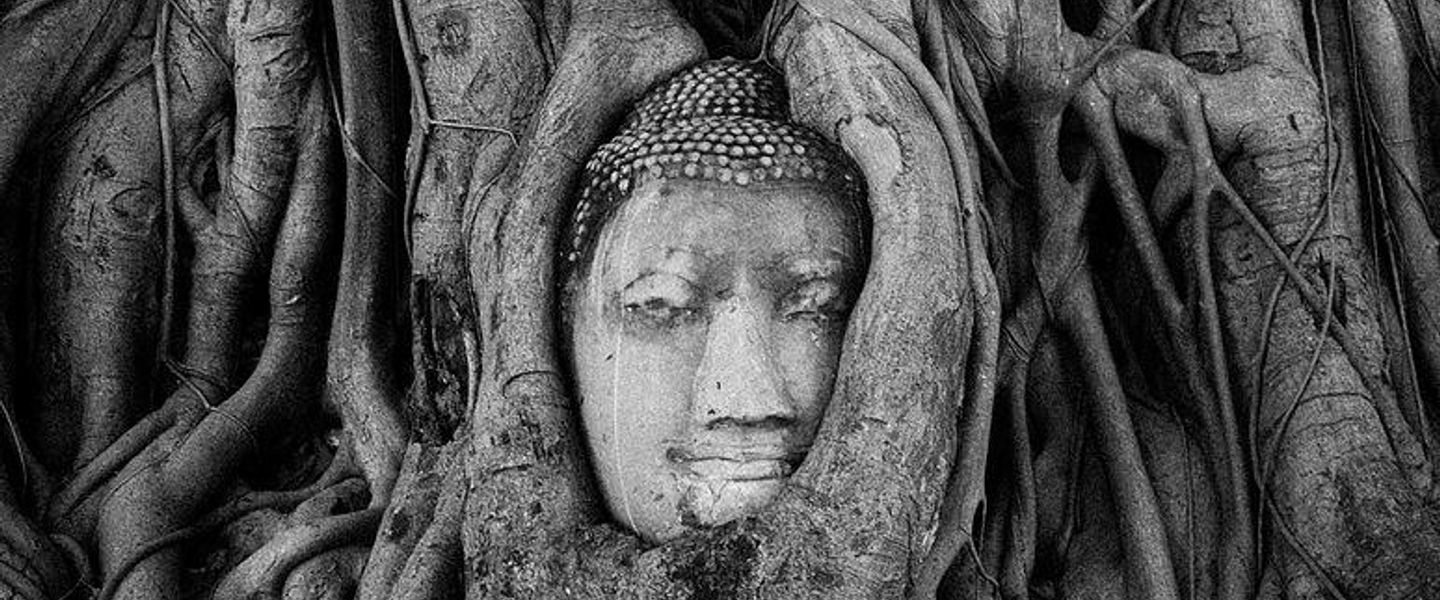


Ayutthaya Historical Park in Thailand reveals temple ruins, palace grounds and river landscapes where Siam’s former capital meets modern local life.
A Former Royal Capital
Ayutthaya Historical Park occupies the island and surrounding areas of Ayutthaya, the former Siamese capital founded in 1350 by King Ramathibodi I. Its monuments are not gathered into a single enclosed attraction but spread through an inhabited landscape of temple ruins, roads, canals, gardens and villages. The Chao Phraya, Lopburi and Pa Sak rivers helped shape the capital’s wealth and defence, and still give the historic area its distinctive sense of separation from the modern city.Read more about Ayutthaya Historical Park
Temples, Palaces and Brick Horizons
Historic Landscape and Everyday Ayutthaya
Best attractions in Ayutthaya Historical Park
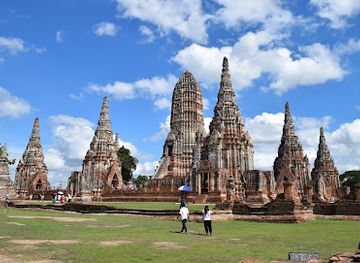
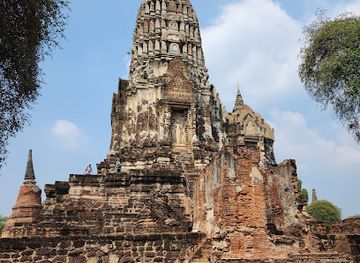
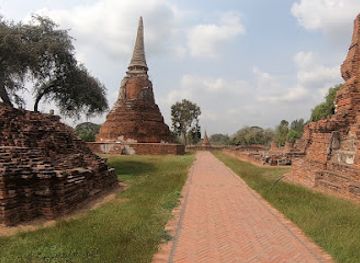
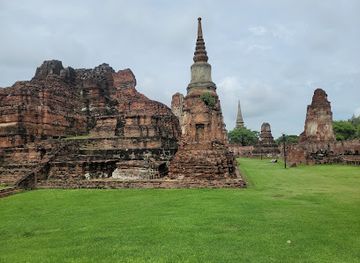
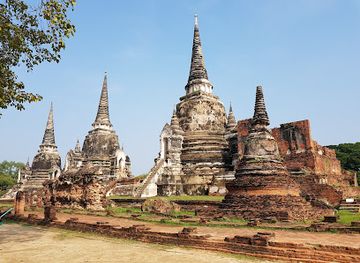
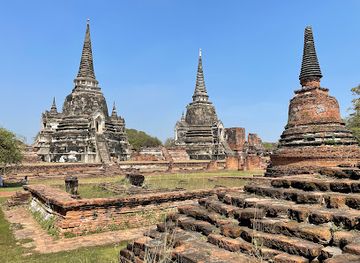
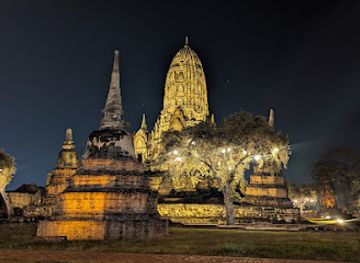
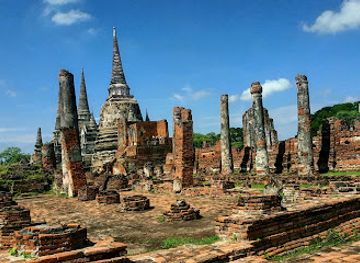
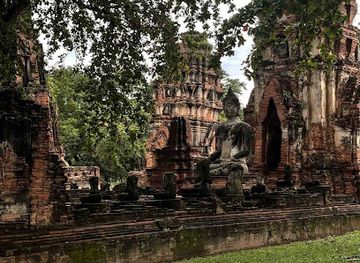
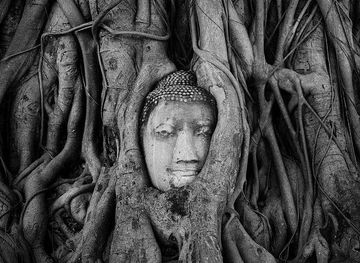
Ayutthaya Historical Park’s principal attractions are its scattered temple and palace ruins, whose scale becomes clearer when viewed as parts of a former capital rather than isolated monuments. Wat Mahathat is known for the Buddha head embraced by tree roots, while nearby Wat Ratchaburana retains a tall prang and traces of its royal foundation. Wat Phra Si Sanphet, once part of the palace compound, is recognised by its three aligned chedis, and Wihan Phra Mongkhon Bophit houses a large revered Buddha image beside the historic royal area. Wat Phra Ram offers a quieter setting near a pond, while Wat Chaiwatthanaram, on the Chao Phraya’s western bank, is distinguished by its ordered prangs and riverside terraces. Small roads, canals, shade trees and open archaeological fields connect these major sites and reward slower exploration.
-
Historical landmark
Ayutthaya Historical Park Office
Explore the historical wonders of Ayutthaya Historical Park, a UNESCO World Heritage Site showcasing Thailand's rich cultural heritage through ancient ruins and temples.
6 min walk · 0.5 km from neighbourhood centre
-
Historical landmark
Wat Ratcha Burana
Explore the majestic Wat Ratcha Burana, an iconic historical landmark in Ayutthaya showcasing stunning architecture and rich cultural heritage.
18 min walk · 1.4 km from neighbourhood centre
-
History museum
Ayutthaya Historical Study Center
Discover the fascinating history of Thailand at the Ayutthaya Historical Study Center, where ancient tales come to life through engaging exhibits and artifacts.
7 min walk · 0.6 km from neighbourhood centre
-
Historical landmark
Wat Langkha Khao
Discover the serene beauty and rich history of Wat Langkha Khao, an enchanting historical landmark in Ayutthaya, Thailand.
14 min walk · 1.1 km from neighbourhood centre
Best landmarks in Ayutthaya Historical Park
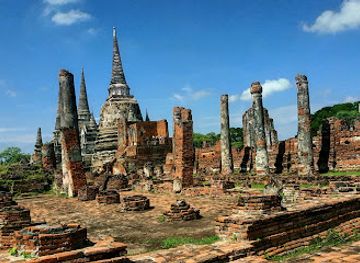
The historic park’s landmarks express the religious and royal structure of Ayutthaya more clearly than any single surviving building. Wat Phra Si Sanphet’s three chedis mark the former royal precinct, while Wat Mahathat and Wat Ratchaburana preserve the vertical brick architecture associated with important dynastic foundations. Wihan Phra Mongkhon Bophit remains a significant religious building beside the palace area, although the present structure reflects later restoration. Across the river, Wat Chaiwatthanaram forms one of the city’s most recognisable silhouettes, with a central prang surrounded by smaller towers and galleries. Wat Phra Ram, set beside its broad pond, demonstrates how water and open space were integrated into the urban landscape. Together, these monuments reveal Ayutthaya’s blend of court ritual, Buddhist devotion, hydraulic geography and monumental brick construction.
-
Historical landmark
Wat Mahathat
Explore Wat Mahathat, Ayutthaya's historical gem, where ancient ruins and serene beauty intertwine for a captivating cultural experience.
16 min walk · 1.3 km from neighbourhood centre
-
Historical landmark
Wat Phra Si Sanphet
Explore Wat Phra Si Sanphet, a stunning historical landmark in Ayutthaya showcasing Thailand's royal heritage and breathtaking architecture.
12 min walk · 0.9 km from neighbourhood centre
-
Historical landmark
Ayutthaya Historical Park Office
Experience the rich heritage of Thailand at Ayutthaya Historical Park, where ancient ruins tell stories of a magnificent past.
6 min walk · 0.5 km from neighbourhood centre
-
Tourist attraction
Ayutthaya Elephant Palace & Royal Kraal
Explore the rich heritage of Thailand at Ayutthaya Elephant Palace & Royal Kraal, where majestic elephants meet ancient history.
7 min walk · 0.5 km from neighbourhood centre

Explore Ayutthaya Historical Park on the map
A handpicked selection of must-see spots in Ayutthaya Historical Park, mapped for you.
Best hotels in Ayutthaya Historical Park
Best restaurants in Ayutthaya Historical Park
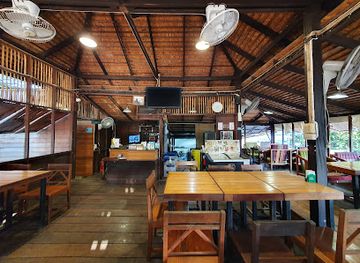
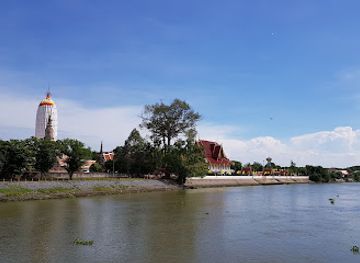
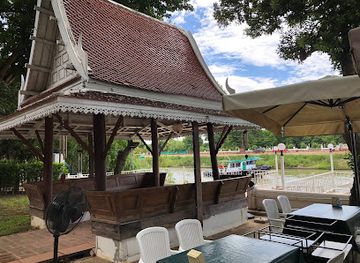
Dining within the historical park is generally informal, with food stalls, cafés and small local eateries appearing around roads, markets and the inhabited edges of the archaeological area rather than in a concentrated restaurant quarter. Outside the central ruins, the streets around Chao Phrom Market and the modern town provide broader choices, including rice dishes, noodle shops, drinks and snacks associated with central Thai cooking. Ayutthaya is also known nationally for its boat noodles and grilled river prawns, though availability and quality vary between individual establishments. Near temple visits, visitors may encounter sweets and snacks sold for passing sightseers and worshippers. The practical approach is to carry water, eat before travelling to more outlying monuments and treat market areas as places for everyday local food rather than as a formal dining district.
-
Thai
De Riva Ayothaya
Experience authentic Thai cuisine at De Riva Ayothaya while soaking in stunning views and rich cultural heritage.
18 min walk · 1.4 km from neighbourhood centre
-
Thai
Malakor Kitchen and Cafe ร้านมะละกอ
Experience authentic Thai flavors at Malakor Kitchen and Cafe in Phra Nakhon Si Ayutthaya – where tradition meets taste.
5 min drive · 1.6 km from neighbourhood centre
-
Restaurant
Thanam View Restaurant Ayutthaya
Experience authentic Thai cuisine with breathtaking riverside views at Thanam View Restaurant in historic Ayutthaya.
9 min walk · 0.7 km from neighbourhood centre
-
Restaurant
Ayutthayarom Restaurant
Discover authentic Thai cuisine at Ayutthayarom Restaurant in Ayutthaya—where tradition meets flavor in a serene setting.
5 min drive · 1.7 km from neighbourhood centre

Best bars in Ayutthaya Historical Park
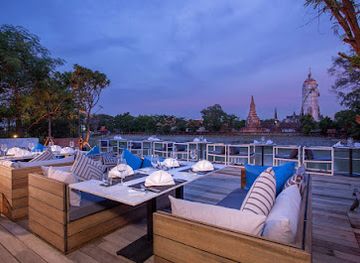
Ayutthaya Historical Park is quiet after dark compared with Bangkok or Thailand’s beach resorts, and its evening character is shaped more by temple silhouettes, riverside dining and the settled town than by nightclubs. Small bars, casual restaurants and hotel-based drinking areas are found mainly around the modern town and along parts of the river, outside the archaeological core. Some guesthouses and cafés provide relaxed evening spaces, but the park itself is not a late-night entertainment district, and many visitors finish sightseeing before the hottest part of the day has passed. Evening temple views can be atmospheric, yet access and lighting vary by monument, so visitors should respect barriers and avoid entering closed ruins after dark.
-
Hotel
SALA Ayutthaya Boutique Hotel
Experience the perfect fusion of luxury and history at SALA Ayutthaya Boutique Hotel, your gateway to Thailand's ancient wonders.
9 min walk · 0.8 km from neighbourhood centre
-
Restaurant
Lung nuat bar
Discover Lung Naut Bar in Phra Nakhon Si Ayutthaya - where authentic Thai flavors meet a vibrant nightlife in a captivating atmosphere.
16 min walk · 1.2 km from neighbourhood centre
-
Restaurant
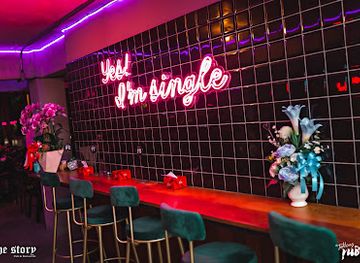
The Story Ayutthaya
Discover authentic Thai cuisine at The Story Ayutthaya, where traditional flavors meet a modern dining experience.
5 min drive · 1.6 km from neighbourhood centre
-
Restaurant
Eatery and Bar - ห้องอาหารอีเทอรี่ แอนด์ บาร์
Experience the fusion of Thai and international cuisine at the Eatery and Bar in Ayutthaya, where every meal is a celebration of flavors.
10 min walk · 0.8 km from neighbourhood centre
Best shops in Ayutthaya Historical Park
Shopping around Ayutthaya Historical Park is modest and closely linked to everyday town life, temple visits and regional food rather than concentrated designer retail. Stalls near popular monuments sell drinks, snacks, devotional items and inexpensive souvenirs, while the roads beyond the ruins lead towards local shops and markets serving residents. Chao Phrom Market, outside the central archaeological zone, is useful for seeing the city’s ordinary commerce and finding food supplies, although it should not be confused with a dedicated heritage market. Visitors may also encounter Ayutthaya-themed handicrafts, small religious objects and packaged local sweets, but stock changes between sellers. The most distinctive shopping experience comes from combining a market visit with the historic landscape, rather than expecting a large cluster of boutiques within the park itself.
-
Tourist attraction
Ayutthaya Elephant Palace & Royal Kraal
Experience the enchanting blend of history and nature at Ayutthaya Elephant Palace & Royal Kraal, a must-visit tourist attraction in Thailand.
7 min walk · 0.5 km from neighbourhood centre
-
Night market
Ayutthaya Night Market
Experience the lively Ayutthaya Night Market, where delicious street food and vibrant local crafts await in a stunning historical setting.
5 min drive · 1.5 km from neighbourhood centre
-
History museum
Ayutthaya Historical Study Center
Uncover the historical treasures of Thailand at Ayutthaya Historical Study Center, a captivating museum dedicated to the ancient capital's rich legacy.
7 min walk · 0.6 km from neighbourhood centre
-
Souvenir store
SAAN
Discover unique handcrafted souvenirs at SAAN, a charming store in Ayutthaya celebrating Thailand's rich cultural heritage.
15 min walk · 1.2 km from neighbourhood centre
Ayutthaya Historical Park essentials
Getting There
Getting Around
Safety
Emergency Situations
Do's and Don'ts
Local Tips

From Eve
Local phrases worth knowing
You don't need to get them perfect. A few words go a long way, and locals appreciate the effort.
Basics
| English | Local | Say it |
|---|---|---|
| Hello | สวัสดี | [sawasdee] |
| Goodbye | ลาก่อน | [laa kon] |
| Yes | ใช่ | [chai] |
| No | ไม่ | [mai] |
| Please/You're welcome | โปรด/ยินดีต้อนรับ | [proht/yin dee dton rub] |
| Thank you | ขอบคุณ | [kop khun] |
| Excuse me/Sorry | ขอโทษ | [kor toht] |
| How are you? | สุขสันต์ไหม | [suk san mai] |
| Fine. And you? | สบายดี คุณละ | [sabai dee kun la] |
| Do you speak English? | คุณพูดภาษาอังกฤษได้ไหม | [kun poot paa saa ang grit dai mai] |
| I don't understand | ฉันไม่เข้าใจ | [chan mai kao jai] |
Eating & Drinking
| English | Local | Say it |
|---|---|---|
| I'd like to see the menu, please | ขอดูเมนูหน่อย | [kor doo menu noi] |
| I don't eat meat | ฉันไม่กินเนื้อ | [chan mai gin neuua] |
| Cheers! | ชนสุรา | [chon su ra] |
| I would like to pay, please | ฉันต้องการจ่ายเงิน | [chan tong gaan jai ngern] |
Emergencies
| English | Local | Say it |
|---|---|---|
| Help! | ช่วยด้วย | [chuai duay] |
| Go away! | ไปทางอื่น | [bpai tang uean] |
| Call the Police! | โทรตำรวจ | [tor tam ruat] |
| Call a doctor! | โทรหมอ | [tor mor] |
| I'm lost | ฉันหลงทาง | [chan long tang] |
| I'm ill | ฉันไม่สบาย | [chan mai sabai] |
Shopping
| English | Local | Say it |
|---|---|---|
| I'd like to buy... | ฉันต้องการซื้อ... | [chan tong gaan seuu...] |
| I'm just looking | ฉันแค่ดู | [chan kae du] |
| How much is it? | ราคาเท่าไหร่ | [raa kaa tao rai] |
| That's too expensive | แพงเกินไป | [paeng geern bpai] |
| Can you lower the price? | ลดราคาได้ไหม | [lot raa kaa dai mai] |
Time & Numbers
| English | Local | Say it |
|---|---|---|
| What time is it? | ตอนนี้กี่โมง | [dton nee kee mong] |
| It's one o'clock | เป็นโมงเดียว | [pen mong diao] |
| Half past (10) | สามสิบครึ่ง | [saam sip kreuang] |
| Morning | เช้า | [chao] |
| Afternoon | บ่าย | [bai] |
| Evening | เย็น | [yen] |
| Yesterday | เมื่อวาน | [meua waan] |
| Today | วันนี้ | [wan nee] |
| Tomorrow | พรุ่งนี้ | [proong nee] |
| 1 | หนึ่ง | [neung] |
| 2 | สอง | [song] |
| 3 | สาม | [saam] |
| 4 | สี่ | [see] |
| 5 | ห้า | [haa] |
| 6 | หก | [hok] |
| 7 | เจ็ด | [jet] |
| 8 | แปด | [bpaaet] |
| 9 | เก้า | [gao] |
| 10 | สิบ | [sip] |
Transport & Directions
| English | Local | Say it |
|---|---|---|
| Where's a/the...? | ...อยู่ที่ไหน | [...yoo tee nai] |
| What's the address? | ที่อยู่คืออะไร | [tee yoo keu a rai] |
| Can you show me (on the map)? | ช่วยแสดงให้ดูหน่อยได้ไหม | [chuai sa daeng hai duu noi dai mai] |
| When's the next (bus)? | เวลาตอนต่อไปเมื่อไหร่ | [welaa dton dtao bpai meua rai] |
| A ticket (to ....) | ตั๋ว (ไป...) | [dtua (bpai ...)] |
History of Ayutthaya Historical Park
Foundation of the Island Capital
Ayutthaya was founded in 1350 by King Ramathibodi I on an island formed by the Chao Phraya, Lopburi and Pa Sak rivers. The waterways provided defensive advantages, fertile agricultural surroundings and access to regional trade routes. The capital developed through royal compounds, monasteries, canals and settlements rather than as a single planned precinct, laying the urban pattern that still defines the historical park. Its name is generally understood as deriving from Ayodhya, the sacred city associated with the Hindu epic tradition, reflecting the symbolic language of kingship used by the Siamese court.
Royal Monasteries and International Trade
From the fifteenth to the seventeenth centuries, Ayutthaya expanded into a powerful kingdom and a major trading centre. Royal monasteries such as Wat Mahathat, Wat Ratchaburana and Wat Phra Si Sanphet expressed the authority of successive dynasties through tall prangs, ceremonial halls and richly endowed religious compounds. Foreign merchants and diplomatic communities lived in areas around the capital, linking Siam to ports and courts across Asia and Europe. The city’s prosperity supported a dense urban landscape of palaces, monasteries, waterways and markets, much of which has disappeared while the surviving foundations remain visible in the park.
Destruction and the End of the Capital
In 1767, during the Burmese–Siamese War, Ayutthaya was captured and extensively destroyed. Religious images, palace buildings and monasteries suffered severe damage, and the royal centre was abandoned as the capital moved to Thonburi and later Bangkok. The ruins were not erased completely: brick prangs, chedis, boundary walls and Buddha images continued to mark the former city amid later settlement and vegetation. The destruction explains the archaeological character of the park today, where incomplete structures and scattered foundation plans convey the scale of the lost capital.
Archaeological Preservation and World Heritage
Modern preservation gradually transformed the ruins from remnants within a lived-in town into a recognised historic landscape. The Fine Arts Department has documented and conserved monuments across the island and surrounding areas, while roads, visitor facilities and archaeological boundaries have been introduced with varying degrees of impact on everyday life. In 1991, the Historic City of Ayutthaya was inscribed on the UNESCO World Heritage List for its testimony to the development of Siamese art, architecture and urban culture. The designation covers a broad group of monuments rather than a single walled attraction.
Ayutthaya Historical Park in Photos
Browse through our photo collection highlighting the charm and character of the destination.
Neighbourhoods near Ayutthaya Historical Park
The closest neighbourhoods to Ayutthaya Historical Park, if you have time for more than one stop.
-

-

-


Swipe for more neighbourhoods
Explore more
Explore more of Ayutthaya
Ayutthaya, Thailand, pairs UNESCO-listed temple ruins with river landscapes, royal history, local markets and memorable heritage sightseeing near Bangkok.
Explore Ayutthaya