

Chang Phueak (Chiang Mai) Travel Guide - Free
Explore Chang Phueak in Chiang Mai with Evendo's free guide. Find the best shops, historic streets, restaurants, and gems on web or mobile.


Chang Phueak, Chiang Mai, blends Lanna temples, museums, local markets, northern Thai food and easy access to the Old City and mountain roads.
Between the Old City and the Foothills
Chang Phueak occupies a broad northern stretch of Chiang Mai, extending from the moat-side edge of the historic centre towards the foothills and the university district. It is less polished and concentrated than the Old City, but that is part of its appeal: busy arterial roads, modest residential lanes, student life, local markets and long-established temples share the same urban landscape. The neighbourhood’s name means “white elephant”, recalling the animal’s importance in northern Thai royal and religious symbolism.Read more about Chang Phueak
Temples, Museums and Everyday Life
A Practical Base with Local Texture
Best attractions in Chang Phueak
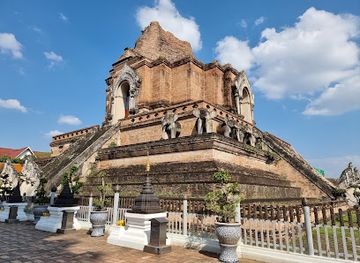
Chang Phueak’s principal attractions are cultural rather than monumental in scale. Wat Chet Yot is the essential visit, with a seven-spired chedi, old brickwork and carved stucco figures set within leafy temple grounds. The Chiang Mai National Museum, nearby on the road towards the northern city edge, gives a well-structured introduction to Lanna sculpture, religious art, archaeology and the history of northern Thailand. Wat Lok Moli offers another atmospheric historic compound, recognised for its substantial brick chedi and restrained northern architectural details. Everyday sightseeing continues through Chang Phueak Market and the food stalls along the main roads, where the neighbourhood’s working rhythm is more apparent than in the Old City. The university and foothill areas are nearby but outside the neighbourhood’s central experience, so they are best treated as separate excursions rather than folded into Chang Phueak itself.
-
Tourist attraction
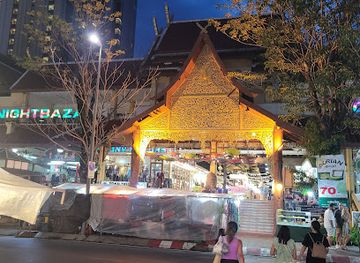
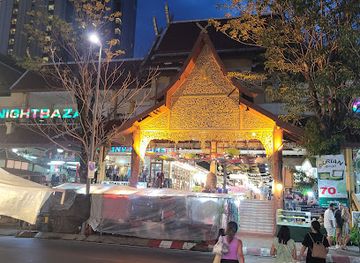
Chiang Mai Night Bazaar
Experience the vibrant atmosphere of Chiang Mai Night Bazaar, where shopping, culture, and delicious Thai cuisine meet in a lively night market.
8 min drive · 2.8 km from neighbourhood centre
-
Tourist attraction
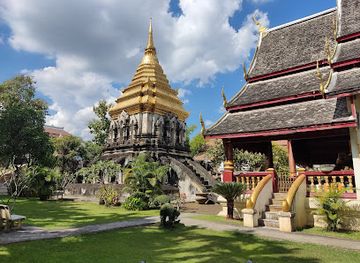
Wat Chiang Man
Experience the rich history and serene beauty of Wat Chiang Man, Chiang Mai's oldest and most revered Buddhist temple.
16 min walk · 1.3 km from neighbourhood centre
-
Museum
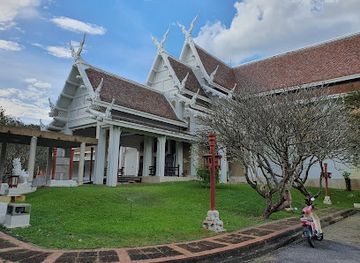
Chiang Mai National Museum
Explore the Chiang Mai National Museum, a gateway to the rich cultural heritage of northern Thailand, featuring art and artifacts that tell captivating stories.
14 min walk · 1.1 km from neighbourhood centre
-
Tourist attraction
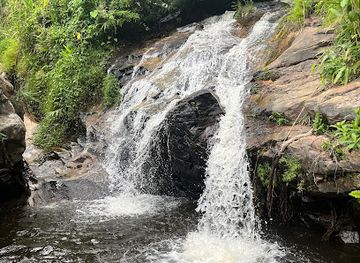
Wang Bua Ban Pha Ngoep
Discover the serene beauty of Wang Bua Ban Pha Ngoep, a stunning waterfall in Chiang Mai, perfect for nature lovers and adventurers alike.
13 min drive · 4.3 km from neighbourhood centre
Best landmarks in Chang Phueak
Wat Chet Yot is Chang Phueak’s defining landmark, distinguished by its unusual group of spires and the historical connection to the Buddhist council held there in the fifteenth century. Its stucco reliefs and brick chedi demonstrate how Lanna builders adapted an Indian Buddhist model into a distinctly northern Thai setting. Wat Lok Moli, near the northern edge of the old city, is another important marker, with a large brick chedi and a temple compound that has survived repeated periods of urban change. The Chiang Mai National Museum represents a different layer of heritage: a modern institution dedicated to making the art and history of the northern region accessible. Together, these sites show Chang Phueak as a corridor where sacred, scholarly and civic landmarks meet everyday city life.
-
Historical landmark
Tha Phae Gate
Discover the rich history and vibrant culture of Chiang Mai at the iconic Tha Phae Gate, a must-see landmark for every traveler.
6 min drive · 2.1 km from neighbourhood centre
-
Night market
Chiang Mai Night Bazaar
Discover the charm of Chiang Mai Night Bazaar, a vibrant night market brimming with local crafts, delicious street food, and a lively atmosphere.
8 min drive · 2.8 km from neighbourhood centre
-
Buddhist temple
Wat Chedi Luang
Explore the majestic Wat Chedi Luang, a historic Buddhist temple that embodies the spiritual essence of Chiang Mai with its stunning architecture and tranquil atmosphere.
5 min drive · 1.8 km from neighbourhood centre
-
Monument
Three Kings Monument
Explore the Three Kings Monument in Chiang Mai, a stunning tribute to the city's heritage and the founding kings of the Lanna Kingdom.
19 min walk · 1.5 km from neighbourhood centre

Explore Chang Phueak on the map
A handpicked selection of must-see spots in Chang Phueak, mapped for you.
Best hotels in Chang Phueak
Best restaurants in Chang Phueak
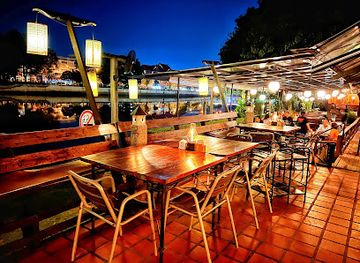
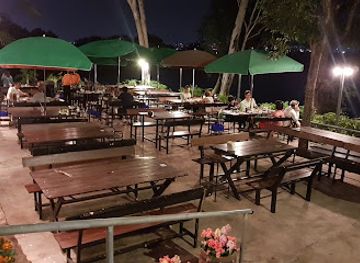
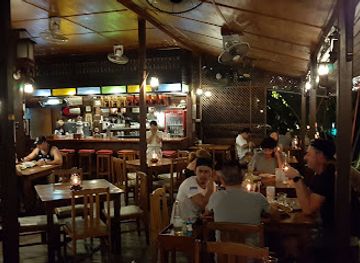
Eating in Chang Phueak is largely informal and local, with the strongest choices found along major roads, around Chang Phueak Market and in small shophouses serving residents, students and passing traffic. Northern Thai food is well represented by dishes such as khao soi, sai ua sausage and nam prik with vegetables, although the neighbourhood also has the broad mix of Thai noodle shops, rice dishes, grilled food, cafés and practical breakfast stalls typical of Chiang Mai’s urban districts. Restaurants tend to range from simple family-run rooms to contemporary cafés rather than forming a concentrated dining quarter. The roads towards Huay Kaew and the university bring more coffee shops and student-oriented food, while smaller lanes reveal modest local eateries. Menus, serving times and payment methods vary, so an early visit and some cash are useful when exploring independent vendors.
-
Thai
The Good View Bar & Restaurant
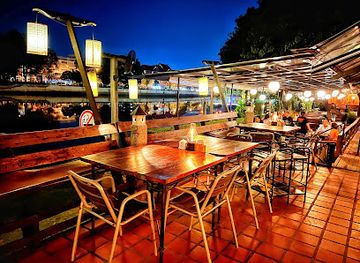
Discover the vibrant flavors of Thailand at The Good View Bar & Restaurant in Chiang Mai - where culinary delights meet stunning riverside views.
8 min drive · 2.7 km from neighbourhood centre
-
Thai
The Good View Bar & Restaurant Chiang Mai
Discover the flavors of Thailand at The Good View Bar & Restaurant in Chiang Mai - where authentic cuisine meets stunning riverside views.
8 min drive · 2.7 km from neighbourhood centre
-
Thai
Galae Restaurant
Experience the essence of authentic Thai cuisine at Galae Restaurant in Chiang Mai—where every dish tells a story.
12 min drive · 3.8 km from neighbourhood centre
-
Restaurant
The Riverside Bar & Restaurant
Experience exquisite dining at The Riverside Bar & Restaurant in Chiang Mai – where delicious flavors meet stunning riverside views.
8 min drive · 2.8 km from neighbourhood centre
Best bars in Chang Phueak
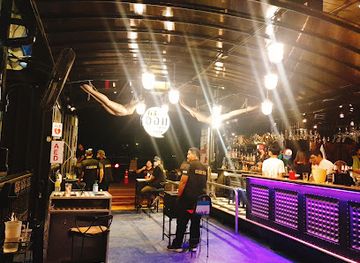
Chang Phueak is not Chiang Mai’s principal nightlife district, and its evenings are shaped more by food stalls, cafés, casual beer spots and student-oriented gathering places than by a dense line of nightclubs. The roads around Huay Kaew and the university side of the neighbourhood have the greatest concentration of informal evening activity, while residential lanes become comparatively quiet. Visitors looking for live music or larger entertainment venues may find more choice in other parts of Chiang Mai, especially around the Old City and the riverside, but Chang Phueak can suit those who prefer an unhurried local meal followed by a drink close to their accommodation. Traffic noise and late-night activity vary by road, so the exact position of a guesthouse matters when choosing to stay here.
-
Live music bar
Hom Bar
Discover the lively atmosphere of Hom Bar, Chiang Mai's top live music venue, where local and contemporary sounds create unforgettable nights.
5 min drive · 1.8 km from neighbourhood centre
-
Bar
Myst MAYA Chiang Mai
Discover the enchanting rooftop bar experience at Myst MAYA in Chiang Mai, where stunning views meet vibrant nightlife and exquisite cocktails.
18 min walk · 1.4 km from neighbourhood centre
-
Bar
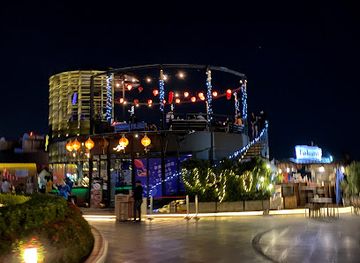
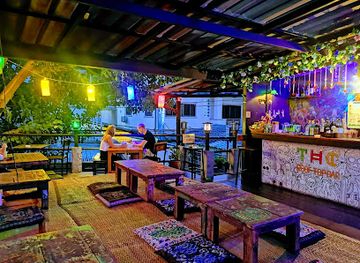
THC Rooftop bar
Discover THC Rooftop Bar in Chiang Mai - where stunning views and vibrant nightlife meet for an unforgettable experience.
7 min drive · 2.3 km from neighbourhood centre
-
Pub
Rocket Bar By Routine
Discover the vibrant Rocket Bar By Routine in Chiang Mai – a lively pub with a delicious menu and welcoming atmosphere perfect for socializing.
14 min walk · 1.1 km from neighbourhood centre
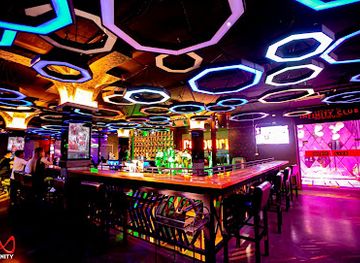
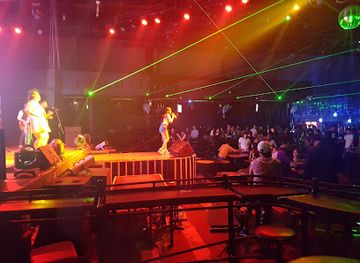
Best nightclubs in Chang Phueak
Chang Phueak is not Chiang Mai’s principal nightlife district, and its evenings are shaped more by food stalls, cafés, casual beer spots and student-oriented gathering places than by a dense line of nightclubs. The roads around Huay Kaew and the university side of the neighbourhood have the greatest concentration of informal evening activity, while residential lanes become comparatively quiet. Visitors looking for live music or larger entertainment venues may find more choice in other parts of Chiang Mai, especially around the Old City and the riverside, but Chang Phueak can suit those who prefer an unhurried local meal followed by a drink close to their accommodation. Traffic noise and late-night activity vary by road, so the exact position of a guesthouse matters when choosing to stay here.
-
Night club
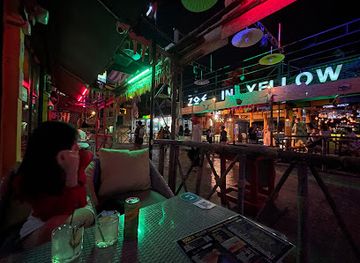
Zoe in Yellow
Experience nightlife like never before at Zoe in Yellow, Chiang Mai's iconic dance club and bar, where unforgettable nights await.
5 min drive · 1.6 km from neighbourhood centre
-
Night club
BlackLight CNX
Discover the electrifying nightlife at BlackLight CNX, Chiang Mai's premier night club, where music and energy come alive!
5 min drive · 1.6 km from neighbourhood centre
-
Night club
infinity club
Discover the heart of Chiang Mai's nightlife at Infinity Club, where dining meets dancing in a vibrant atmosphere.
6 min drive · 1.9 km from neighbourhood centre
-
Disco club
Sound Up
Discover the electrifying nightlife at Sound Up, the hottest disco club in Chiang Mai, where the music never stops and the dance floor awaits.
7 min drive · 2.4 km from neighbourhood centre

Best shops in Chang Phueak
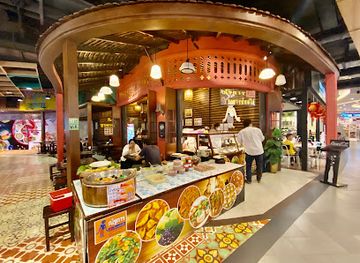
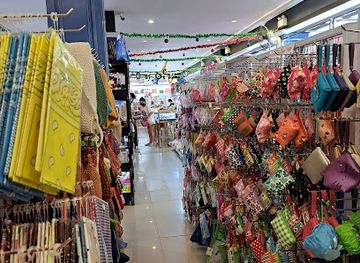
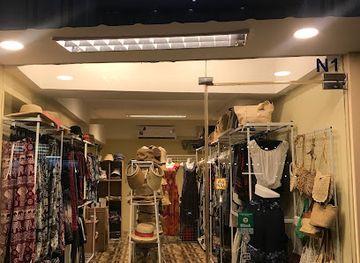
Shopping in Chang Phueak is primarily practical and market-based rather than centred on a designer retail street. Chang Phueak Market and surrounding food stalls are useful for observing everyday commerce, buying prepared dishes and finding fresh ingredients, while the main roads contain convenience shops, pharmacies, household retailers and small businesses serving local residents. Independent cafés and food outlets become more noticeable towards Huay Kaew and the university side, but this is not a neighbourhood known for a large concentration of boutiques, galleries or antique dealers. Visitors interested in northern Thai crafts and decorative objects will usually find a broader selection in specialist areas elsewhere in Chiang Mai. The appeal here lies in ordinary retail life: compact shophouses, morning provisions, ready-to-eat food and the practical movement of a residential district.
-
Shopping mall
MAYA Lifestyle Shopping Center Chiangmai
Explore the Maya Lifestyle Shopping Center: your ultimate shopping and dining experience in the heart of Chiang Mai.
18 min walk · 1.4 km from neighbourhood centre
-
Gift shop
Dragonhome สินค้าแฟชั่น
Explore Dragonhome, a charming gift shop in Chiang Mai, offering unique fashion items and handcrafted treasures that embody Thai culture.
7 min walk · 0.5 km from neighbourhood centre
-
Clothing store
Chanya Shops and Gallery
Discover the vibrant fashion and unique local craftsmanship at Chanya Shops and Gallery, a must-visit clothing store in Chiang Mai.
5 min drive · 1.6 km from neighbourhood centre
-
Clothing store
Sawasdee Craft -handmade costume- สวัสดีคราฟท์
Explore Sawasdee Craft in Chiang Mai for unique handmade costumes and accessories that celebrate Thai culture and craftsmanship.
5 min drive · 1.7 km from neighbourhood centre

Chang Phueak essentials
Getting There
Getting Around
Safety
Emergency Situations
Do's and Don'ts
Local Tips

From Eve
Local phrases worth knowing
You don't need to get them perfect. A few words go a long way, and locals appreciate the effort.
Basics
| English | Local | Say it |
|---|---|---|
| Hello | สวัสดี | [sawatdee] |
| Goodbye | ลาก่อน | [laa kon] |
| Yes | ใช่ | [chai] |
| No | ไม่ | [mai] |
| Please/You're welcome | โปรด/ยินดี | [proht/yindee] |
| Thank you | ขอบคุณ | [kop khun] |
| Excuse me/Sorry | ขอโทษ | [kor toht] |
| How are you? | สุขสันต์ดีไหม | [suk san dee mai] |
| Fine. And you? | ดีครับ และคุณ | [dee krab lae khun] |
| Do you speak English? | คุณพูดภาษาอังกฤษได้ไหม | [khun poot pah saa angkrit dai mai] |
| I don't understand | ฉันไม่เข้าใจ | [chan mai khao jai] |
Eating & Drinking
| English | Local | Say it |
|---|---|---|
| I'd like to see the menu, please | ขอดูเมนูหน่อยครับ | [kor doo menu noi krab] |
| I don't eat meat | ฉันไม่กินเนื้อ | [chan mai gin nuea] |
| Cheers! | ชนแก้ว! | [chon gaeo] |
| I would like to pay, please | ขอจ่ายเงินหน่อยครับ | [kor jai ngern noi krab] |
Emergencies
| English | Local | Say it |
|---|---|---|
| Help! | ช่วยด้วย! | [chuay duay] |
| Go away! | ไปข้างหลัง! | [pai kang lang] |
| Call the Police! | โทรตำรวจ! | [tor tamruat] |
| Call a doctor! | โทรหมอ! | [tor mor] |
| I'm lost | ฉันหลงทาง | [chan long tang] |
| I'm ill | ฉันไม่สบาย | [chan mai sabai] |
Shopping
| English | Local | Say it |
|---|---|---|
| I'd like to buy... | ฉันต้องการซื้อ... | [chan tong gaan seu... ] |
| I'm just looking | ฉันแค่ดู | [chan kae doo] |
| How much is it? | ราคาเท่าไหร่ | [ra ka thao rai] |
| That's too expensive | แพงเกินไป | [paeng gein pai] |
| Can you lower the price? | ลดราคาได้ไหม | [lot ra ka dai mai] |
Time & Numbers
| English | Local | Say it |
|---|---|---|
| What time is it? | ตอนนี้เวลาเท่าไหร่ | [ton ni welaa thao rai] |
| It's one o'clock | เป็นโมงเดียว | [pen mong diao] |
| Half past (10) | สามสิบครึ่ง | [sam sip krung] |
| Morning | เช้า | [chao] |
| Afternoon | บ่าย | [bai] |
| Evening | เย็น | [yen] |
| Yesterday | เมื่อวาน | [meu wan] |
| Today | วันนี้ | [wan ni] |
| Tomorrow | พรุ่งนี้ | [phrung ni] |
| 1 | หนึ่ง | [neung] |
| 2 | สอง | [song] |
| 3 | สาม | [sam] |
| 4 | สี่ | [si] |
| 5 | ห้า | [ha] |
| 6 | หก | [hok] |
| 7 | เจ็ด | [chet] |
| 8 | แปด | [paet] |
| 9 | เก้า | [kao] |
| 10 | สิบ | [sip] |
Transport & Directions
| English | Local | Say it |
|---|---|---|
| Where's a/the...? | ...อยู่ที่ไหน | [... yu tee nai] |
| What's the address? | ที่อยู่คืออะไร | [tee yu keu a rai] |
| Can you show me (on the map)? | แสดงให้ดูหน่อยได้ไหม | [saeng hai doo noi dai mai] |
| When's the next (bus)? | รถต่อไปคือเมื่อไหร่ | [rot tor pai keu meu rai] |
| A ticket (to ....) | บัตรโดยสาร (ไป ...) | [bat doy saan (pai ...)] |
History of Chang Phueak
The Northern Approach to Chiang Mai
Chang Phueak developed along the northern approach to Chiang Mai, beyond the tightly enclosed old city and its moat. The name, meaning “white elephant”, reflects the symbolic importance of the animal in the history and ceremonial culture of northern Thailand, although the modern neighbourhood is not an ancient walled quarter in its own right. For centuries this side of the city connected the historic centre with rural settlements, temple lands and routes towards the mountain country north and west. Its gradual urbanisation produced a mixed landscape rather than a single planned district: religious compounds, roadside commerce, housing and transport corridors now stand alongside remnants of the older northern fringe.
Wat Chet Yot and Lanna Scholarship
Wat Chet Yot is the neighbourhood’s most important historical monument. Built during the reign of King Tilokkarat in the fifteenth century, its central monument draws on the form of the Mahabodhi Temple in Bodh Gaya, India, while the surrounding stucco reliefs express the artistic language of Lanna. The temple hosted the Eighth Buddhist World Council in 1477, an event associated with the scholarly and religious importance of Chiang Mai under the Lan Na kingdom. Its grounds preserve a rare connection between local architectural adaptation, royal patronage and the wider Buddhist world, making Chang Phueak more than a modern residential extension of the city.
Wat Lok Moli and the Northern City Edge
Wat Lok Moli stands near the northern side of the old city and represents another important strand of Chang Phueak’s religious history. Although the temple’s origins reach back several centuries, much of its surviving character belongs to later periods of repair and rebuilding. Its large brick chedi, restrained viharn and carved details reflect the changing fortunes of Lanna institutions as Chiang Mai moved between periods of regional independence and Burmese influence. The temple’s position beside a major road also illustrates how sacred sites that once marked the city’s edge have become embedded in a modern traffic network.
Museums and Modern Urban Growth
Chang Phueak’s modern identity took shape as Chiang Mai expanded beyond the old moat, with new roads, public institutions, markets and housing replacing much of the former semi-rural fringe. The Chiang Mai National Museum, opened in 1973, gave the northern city a major institution for presenting Lanna art, archaeology and regional history. Later growth around Huay Kaew Road and links towards Chiang Mai University and the foothills brought student accommodation, cafés, service businesses and heavier traffic. The result is a layered neighbourhood in which historic temples and museum collections remain visible within an increasingly metropolitan northern corridor.
Chang Phueak in Photos
Browse through our photo collection highlighting the charm and character of the destination.
Neighbourhoods near Chang Phueak
The closest neighbourhoods to Chang Phueak, if you have time for more than one stop.
-

-

-


Swipe for more neighbourhoods
Explore more

Explore more of Chiang Mai
Chiang Mai combines Lanna temples, mountain landscapes, vibrant markets and northern Thai cuisine for memorable culture, history and sightseeing.
Explore Chiang Mai